
Mild Withdrawal Treatment: Safe Home Remedies
December 31, 2025
5:12 pm

Table of contents
Introduction
Addiction withdrawal symptoms explained in a few paragraphs?
Yes, it really isn’t that complicated.
The first thing to understand that what is called withdrawal isn’t, actually, withdrawal but the brain scrabbling to readjust when you stop taking drugs or alcohol.
Our experienced addictions clinicians have decades of experience , each, in treating people in rehab centres and at home.
Here they share their knowledge with you.
What is Withdrawal?
Addiction withdrawal symptoms explained can be complex, but it’s important to understand that withdrawal has nothing to do with flushing toxins from the body.
When you take drugs and alcohol the brain makes changes and adjusts its own workings. If you stop, the brain cannot cope with the immediate change and incorrect chemical messaging occurs, leading to withdrawal symptoms that experts explain in terms of chemical imbalances.
One way of examining addiction withdrawal is to imagine your car’s power steering fails: You have to steer hard and fast to keep going in a straight line.
Alcohol and drug use create what is known as tolerance. This means that, in time, you will need more and more to have the same effect as when you first started using. This merely makes things worse.
What are the Differences for Specific Substances?
- Reduced sensitivity/increased number: Sustained alcohol abuse reduces GABA activity. The brain will compensate by reducing the number of GABA receptors. This means that when you stop drinking, nerves become hyper-excitable which results in physical symptoms associated with withdrawal that may be explained through these changes.
- Increase in stress hormones: When you stop drinking the levels of cortisol and adrenaline in your body can increase by up to three times the normal level. This is responsible for perfuse sweating, marked tremor and increased heart rate.
- Each drug withdrawal has a predictable timeline. Opioid withdrawal signs start within 8-12 hours. Alcohol, as soon as 4-6 hours.
- Tolerance levels drive the intensity of withdrawals: If you take 60mg of Oxycodone, every day, for less than a month, the withdrawals will be less intense than if you took more for longer.
- Rebound symptoms: The body craves a state of equilibrium. Withdrawal can actually reverse the effects of the substance. For example, a sedative, in withdrawal, can actually have the reverse effect.
- Unsupervised withdrawal can be fatal. Never a good idea.
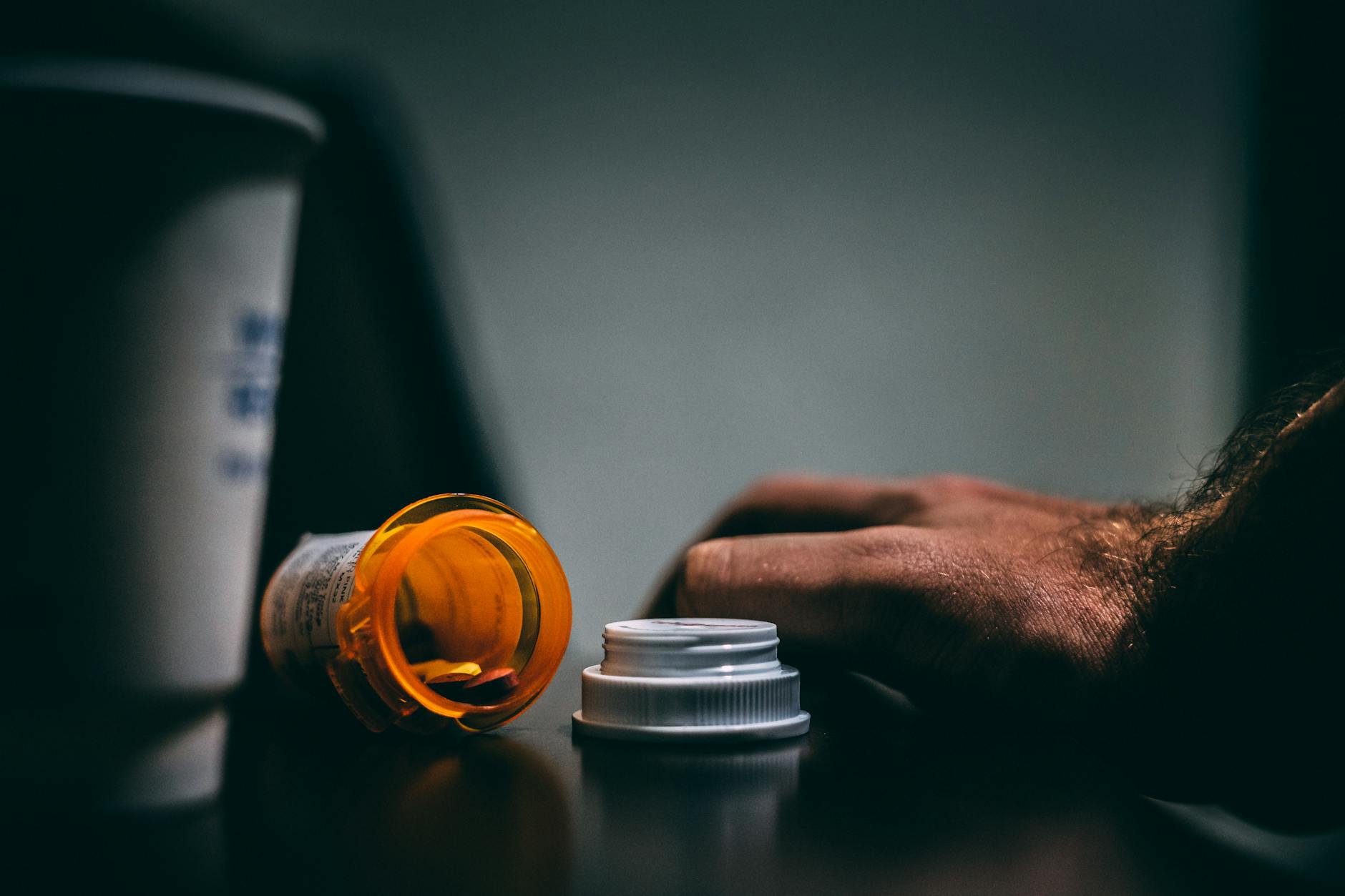
Which Symptoms Are Dangerous?
Nearly all symptoms of withdrawal are uncomfortable but not necessarily dangerous.
Research shows that addiction withdrawal symptoms explained by clinicians can sometimes be extremely dangerous if not treated by a clinician. Some can be fatal.
*Someone who is alcohol-dependent and suddenly stops can experience a mild tremor within hours. Within 24 hours, they can develop confusion. Things move quickly.
*Seizures: One in every ten people who stop drinking suddenly will experience seizures. This will only deteriorate and can lead to brain damage and death.
Addiction withdrawal symptoms explained :Facts
- Delirium tremens: 15 out of 100 people who develop DTs will die without treatment. The symptoms leading to this can appear in as little as two days after you stop drinking.
- Opioid withdrawal: Tolerance drops fast. Within 3-5 days, taking the amount you did when you were still using can cause an irreversible overdose.
- Rapid changes in blood pressure and heart rate: This is a medical emergency and requires immediate attention.
- Abrupt benzodiazepine stoppage: Seizures will soon follow. Left untreated, coma and death can result.
How long will withdrawal symptoms last for common substances?
The duration of withdrawal symptoms largely depends on the half-life of the drug, the route of administration, and the individual’s metabolism. Many see addiction withdrawal symptoms explained through duration, with longer half-lives leading to more complex withdrawal processes.
Timelines
- Alcohol withdrawal peaks within two days and usually resolves in a week. Chronic insomnia may persist for weeks even after physical symptoms stop.
- Short-acting opioids can lead to 5–10 days of physical symptoms. These include muscle pain, gooseflesh skin, and yawning. Things start to improve usually after five days, but cravings can persist for months.
- Benzodiazepine withdrawal can last several months depending on the half-life, how long you were dependent on it, and how much you were taking.
- Cocaine withdrawal often fades after 3–4 days. Symptoms such as depression, increased appetite, and sleep changes usually hit very fast but decrease within a few days.
- Cannabis withdrawal symptoms may linger for several weeks. You can be left feeling irritable, unable to sleep, and your appetite changes can appear a few days after stopping and persist for up to a couple of months.
Key Takeaways
- Addiction withdrawal symptoms explained include the brain readjusting after stopping substance use, not merely detoxification.
- Each substance withdrawal has distinct characteristics, like increased stress hormones or reduced receptor sensitivity, influencing symptoms.
- Dangerous symptoms can occur, such as seizures and delirium tremens, which may require immediate medical attention.
- Timelines for withdrawal symptoms vary; alcohol symptoms peak within two days, while opioids can last 5-10 days.
- For mild symptoms, hydration, nutrition, and safety planning are crucial; always seek professional guidance for treatment.
How can you treat mild withdrawal symptoms at home?
Some symptoms may be self-limiting in that they go away by themselves.
Our experienced addictions clinicians never advise treating yourself. Why?
Because if things go wrong, you may not be in a position to raise the alarm. Therefore, when discussing addiction withdrawal, symptoms explained in home treatments should prioritize safety above all.
Addiction withdrawal symptoms explained :Essential tips
There are some universal tips:
Drink plenty of water but not too much. 2-3 liters a day (electrolyte solution is also useful)
Eat high protein food rich in thiamine. Bananas are useful as is peanut butter and whole grains.
Only ever reduce at home under clinical supervision. Never reduce benzodiazepine use by more than 10% a fortnight.
Have a safety plan and ensure others are aware of your situation.
Remove all alcohol and drugs from the home. For addiction withdrawal symptoms explained at home, make sure your environment is safe.
Be wary of online sites selling alternative remedies for alcohol withdrawal, such as Kudzu.
Speak to an Experienced Addictions Clinician For Free
Our experienced addictions clinicians offer free advice and treatment referrals for all.
Whatever the issue, if it relates to addiction, they will be happy to give you free and confidential advice. If you need a referral for a treatment centre, they do not charge for this, either.
We only signpost to centres that are registered with the appropriate governmental regulator for the area, such as Care Inspectorate Wales
Our service is registered with the Information Commissioners Office.
Getting help
When you call Findmearehab you will be speaking with an experienced addictions clinician.
Our clinicians can advise you on any aspect of addiction including: Detox, rehab, therapy, relapse prevention and aftercare.
They can discuss treatment options, locations, costings and when you can access treatment.
We never charge for advice or referrals.
Need help finding the right rehab for you or a loved one? Get in touch today and take the first step toward recovery.
Speak to usRecent Posts
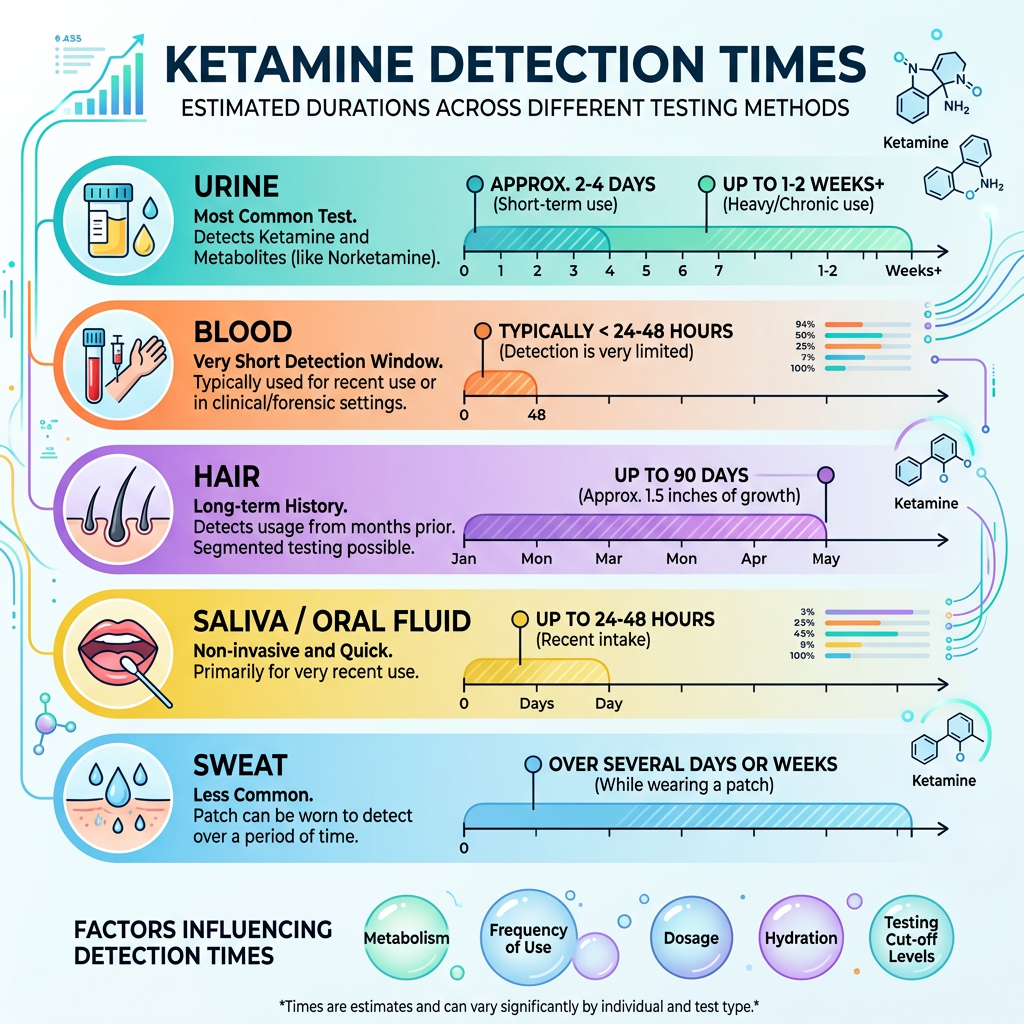
How long does Ketamine stay in your system?
How long does Ketamine stay in your system? As an experienced addictions clinician with over thirty years experience my question to that is: Why do you need to know? Is it because you are worried it will show up in a drug screen at work? Are you worried about being drug tested by the police…
Grace Kennedy
12:23 pm, July 2, 2026
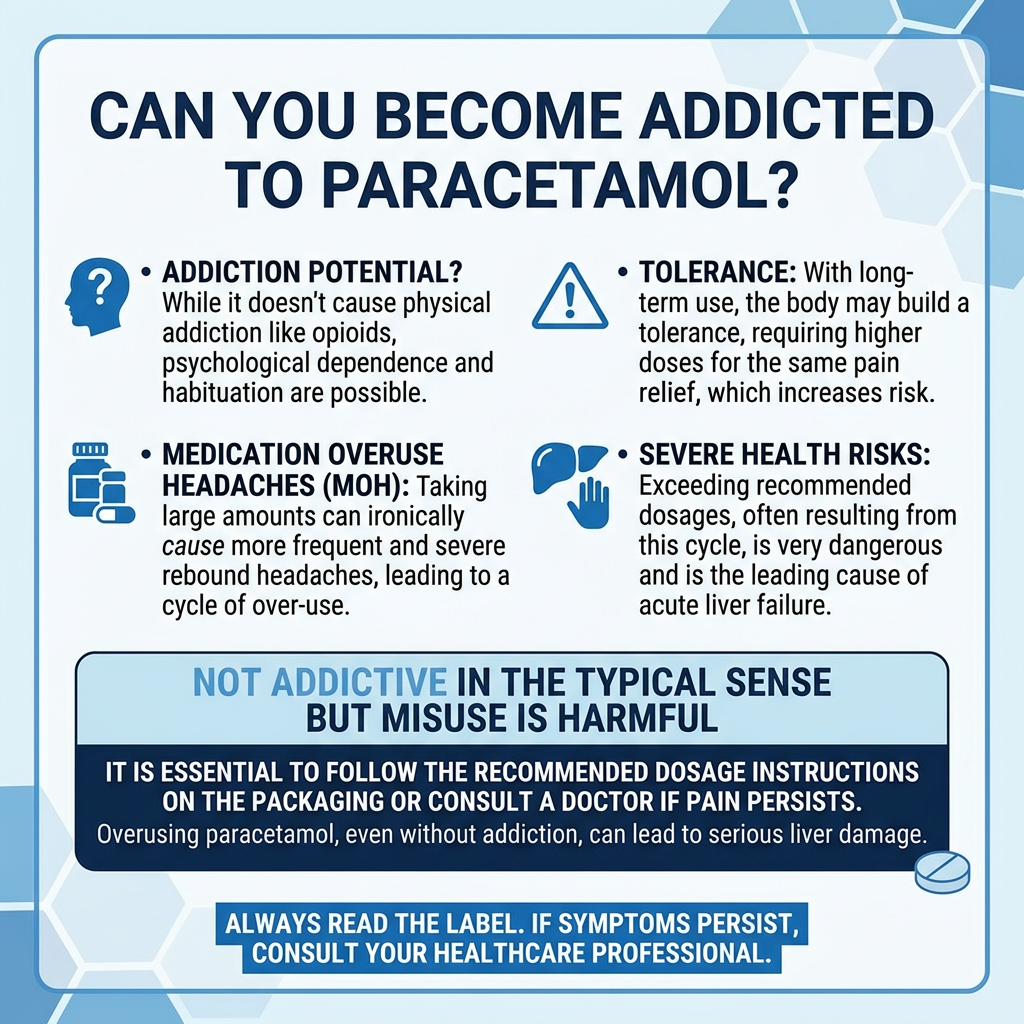
Can you become addicted to Paracetamol?
Can you become addicted to Paracetamol? No. Well not it in the same way you become addicted to heroin or alcohol as the way it affects the brain is different. That doesn't mean that some people are not addicted to taking it in the way that they take it, repeatedly. How does Paracetamol work? The…
Grace Kennedy
6:08 pm, June 26, 2026
Can you do a Methadone detox at home?
Can you do a Methadone detox at home? In theory: Yes. In practice: No. It is a nice idea that you can stay at home, take some methadone and your opioid use disorder is cured. Sadly it just doesn't work like that. In order to understand why this won't work you need to know what…
Grace Kennedy
6:49 pm, June 25, 2026