
Why Addiction is a Chronic Disease
December 21, 2025
5:42 pm
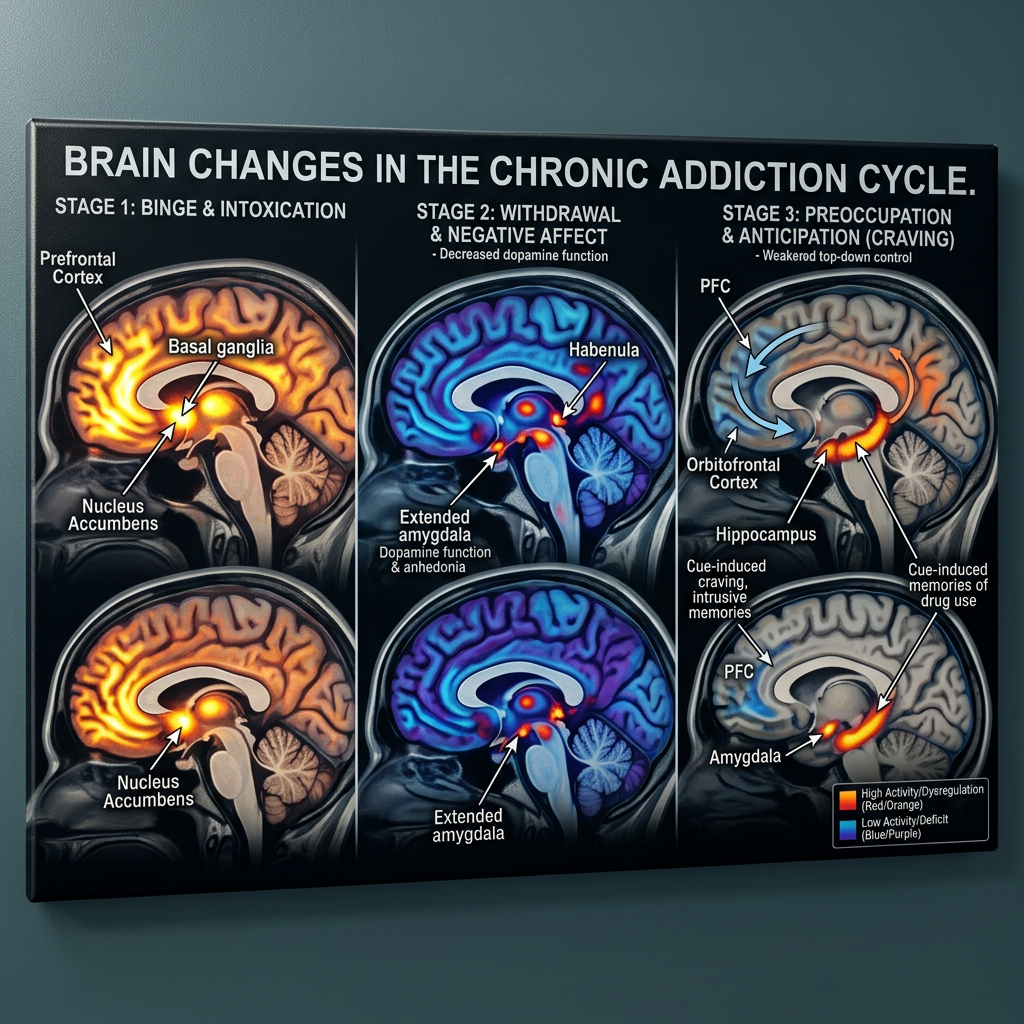
Table of contents
- Introduction
- Addiction is not a choice
- Why is Addiction a Disease?
- The Brain Science of Addiction
- Cravings
- Addiction is a Chronic Disease
- Relapse
- Isn’t Addiction Just A Lack of Willpower?
- Trauma
- Treatment Improves When Addiction is Seen as an Illness
- Relapse and Recovery
- How Can Find Me a Rehab Help?
- The next steps: Getting help
Introduction
Addiction is a serious illness.
Some would say it is a chronic illness.
Society has not always been kind to people struggling with addiction. It is a serious condition that deserves understanding and empathy.
We live in more understanding times where the stigma is not as widespread as it once was.
Understanding more about addiction can help you to help yourself and others.
Let our experienced addictions clinicians share their knowledge with you.
Addiction is not a choice
Addiction is not a choice, but a very serious illness with a high mortality rate, illustrating how addiction is indeed a serious illness.
No one chooses to be an addict. It is the result of things going wrong in that person’s life, further underscoring that addiction is a serious illness.
Alcohol and drug use, to begin with, is an escape from reality. However, over time, addiction becomes a serious illness when science takes over and you simply cannot stop.
Recovering from addiction has nothing to do with willpower: or lack of it. Addiction’s nature as a serious illness means it is all to do with science.
Why is Addiction a Disease?
Recognizing that addiction is a disease is to acknowledge that it affects both the body and the brain as a serious illness.
Addiction is a serious illness because it involves identifiable symptoms, predictable trajectories and recognized treatments.
Addiction has identifiable symptoms, predictable trajectories, and recognized treatments. It is a brain disorder as alcohol and drugs affect the reward, motivation, and memory circuits.
When someone is in the throws of addiction, they cannot stop the behavior even though they know the damage they are doing to themselves.
The brains internal workings have been altered.
Even if they want to, the person can not stop. To do so can be dangerous: if not fatal.
The Brain Science of Addiction
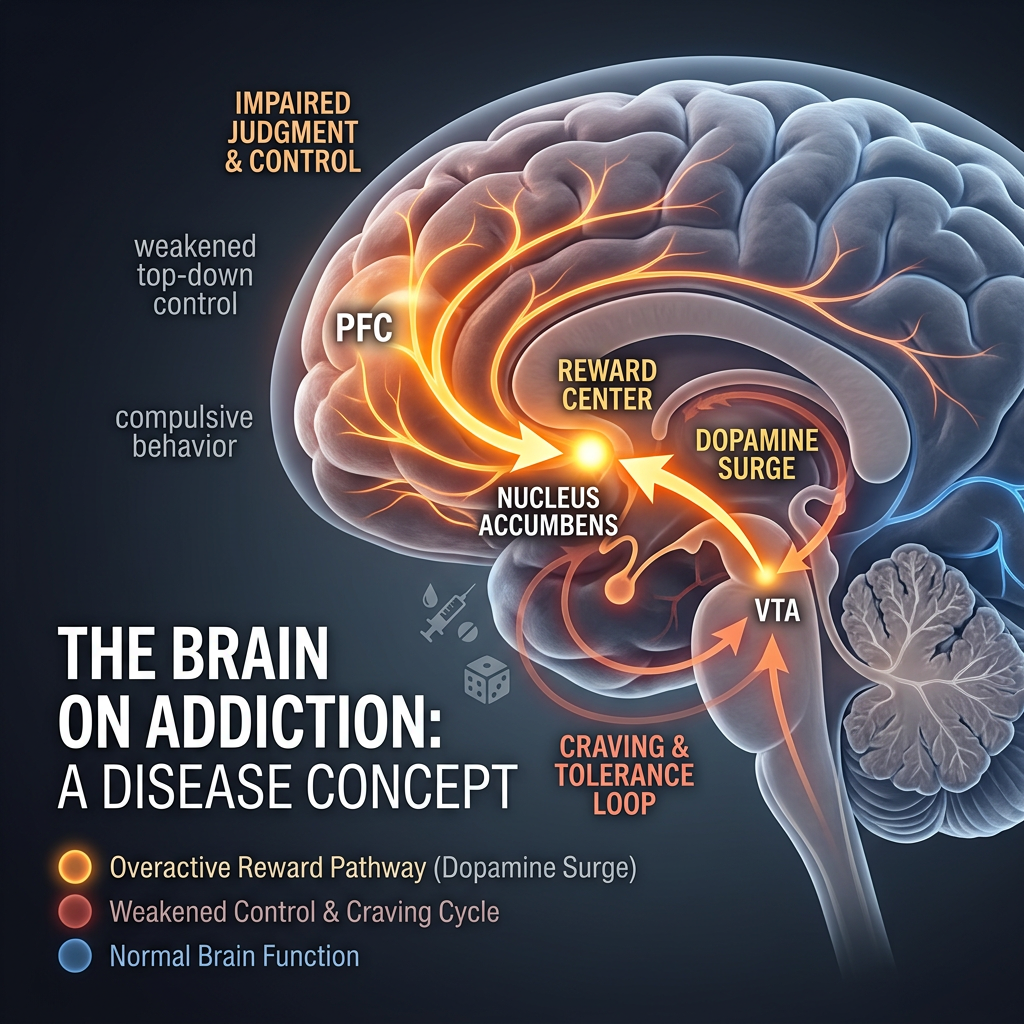
Addiction seriously affects brain chemistry.
Within the brain are reward centers and when drugs are used, the brain is flooded with Dopamine: A feel-good hormone showing addiction’s impact as a serious illness.
Over time, if the use is continued, less natural Dopamine will be produced by the brain, meaning that drugs will have to be taken in order for Dopamine to be released. If you don’t, everyday pleasures such as eating food and relationships become less pleasurable.
Cravings
Cravings become impossible to resist and no thought put into long term consequences.
Within the brain is the Amygdala which is the center of the stress system. When using drugs and alcohol this becomes overactive meaning the person will experience heightened anxiety and greater emotional stress: This simply drives more use.
The hippocampus, in the brain, stores memories of drug use thus sights, sounds, and places connected with drug use will spark cravings.
Addiction has nothing to do with enjoying alcohol or drugs. The brain has been changed to prioritize them over everything else.
Addiction is a Chronic Disease
A chronic disease is a long-lasting condition that requires ongoing management. There is no cure. Just like diabetes, high blood pressure and asthma, it can be kept under control.
The reason people view addiction in the same light as chronic health conditions is that it also follows a relapse-remit trajectory.
This means that there may be periods of abstinence followed by a relapse, illustrating again how addiction is a serious illness.
Relapse
Relapse doesn’t mean failure. Rather it shows that the illness is chronic and needs ongoing care.
A diabetic who doesn’t take their insulin will experience a flare-up. So too someone who has an addiction may relapse if they don’t carry on with meetings after rehab.
Chronic illness requires medication, behavioral changes, and ongoing support. Addiction, as a serious illness, is no different.
Key Takeaways
- Addiction is a serious illness and a chronic disease that affects both the body and brain.
- It is not a choice; rather, it results from genetic and environmental factors that change brain chemistry.
- Recognizing addiction as an illness allows for compassionate, evidence-based treatment and supports recovery efforts.
- Relapse is a common part of addiction, illustrating its chronic nature and necessity for ongoing care.
- Find Me a Rehab offers free and confidential support for those seeking help with addiction treatment.
Isn’t Addiction Just A Lack of Willpower?
No!
Addiction changes your brain chemistry. When someone is caught up in the middle of it they are not responsible for their behaviors any more than someone with a brain injury.
The brain’s reward system has been overtaken. Decision-making circuits are hijacked and this makes people act in ways they never envisaged when addiction is active as a serious illness.
When you see addiction for what it is, a serious illness, it enables you to see that the way forward is medical and psychological treatment.
The Role of Genetics and Environment
Research studies show that up to sixty percent of people caught up in addiction have a genetic predisposition.
These inherited traits make them more susceptible as their dopamine responses are more heightened. They have far higher incidents of impulsivity.
Trauma
Trauma is also a major contributing factor. As is stress, poverty, and exposure to drugs.
Add this to a predisposing genetic condition and the chances of developing an addiction massively increase, highlighting why addiction is a serious illness.
These factors point to disease: Not a moral weakness, reinforcing the view that addiction is a serious illness.
Treatment Improves When Addiction is Seen as an Illness
When you see addiction as an illness you view it as something that needs compassionate, evidence-based treatment.
This approach stops you from thinking that the person is weak or doesn’t want to recover.
Detox is, for most, the first element of treatment allowing the brain to recover. Therapy to address the underlying issues is the second element followed by relapse prevention skills training and then aftercare.
Without detox, the brain is not receptive to therapy.
Relapse and Recovery
Relapse happens: Fact.
It is not a sign of weakness and is a very common feature of chronic diseases.
Recognizing the signs and getting appropriate support are skills that you will learn in rehab. A lot of the skills you will learn are to be able to self-care for yourself and also knowing how to reach out for help: and to whom.
There are lessons to be learned from relapse. It doesn’t have to be the end of recovery but can be a bolster.
How Can Find Me a Rehab Help?
Our experienced addictions clinicians have worked in a variety of clinical settings, including rehabs.
We provide free and confidential advice and rehab referrals to anyone. It matters not where you get help to us.
Our service is registered with the Information Commissioners Office. We also only signpost to centres registered with the Care Quality Commission (legal requirement).
The next steps: Getting help
Addiction is a serious illness but can be overcome.
Our experienced addictions clinicians are here to give you free and confidential advice on all aspects of addiction, detox, rehab, therapy, relapse prevention and aftercare.
We make no charge for advice or treatment referrals.
Call and speak with a clinician to discuss treatment options, locations, costings and availability.
Need help finding the right rehab for you or a loved one? Get in touch today and take the first step toward recovery.
Speak to usRecent Posts
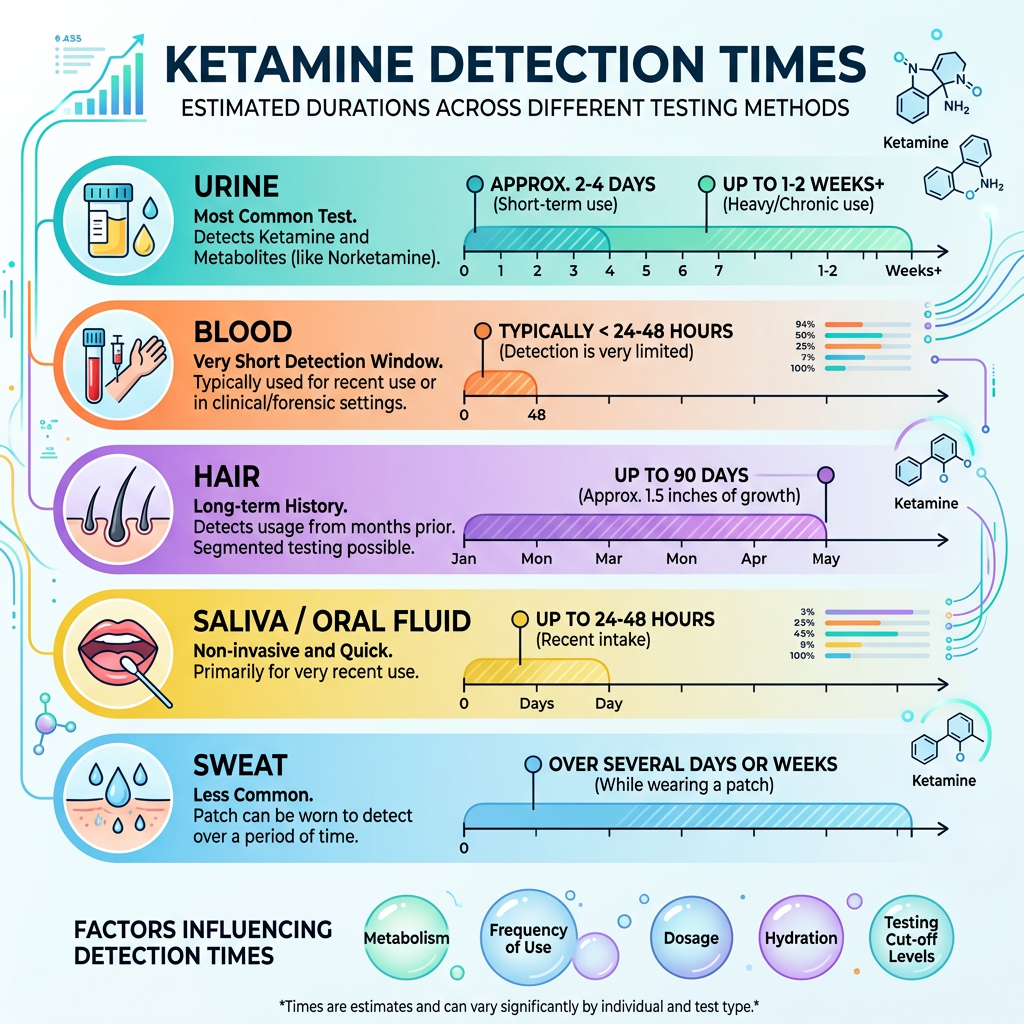
How long does Ketamine stay in your system?
How long does Ketamine stay in your system? As an experienced addictions clinician with over thirty years experience my question to that is: Why do you need to know? Is it because you are worried it will show up in a drug screen at work? Are you worried about being drug tested by the police…
Grace Kennedy
12:23 pm, July 2, 2026
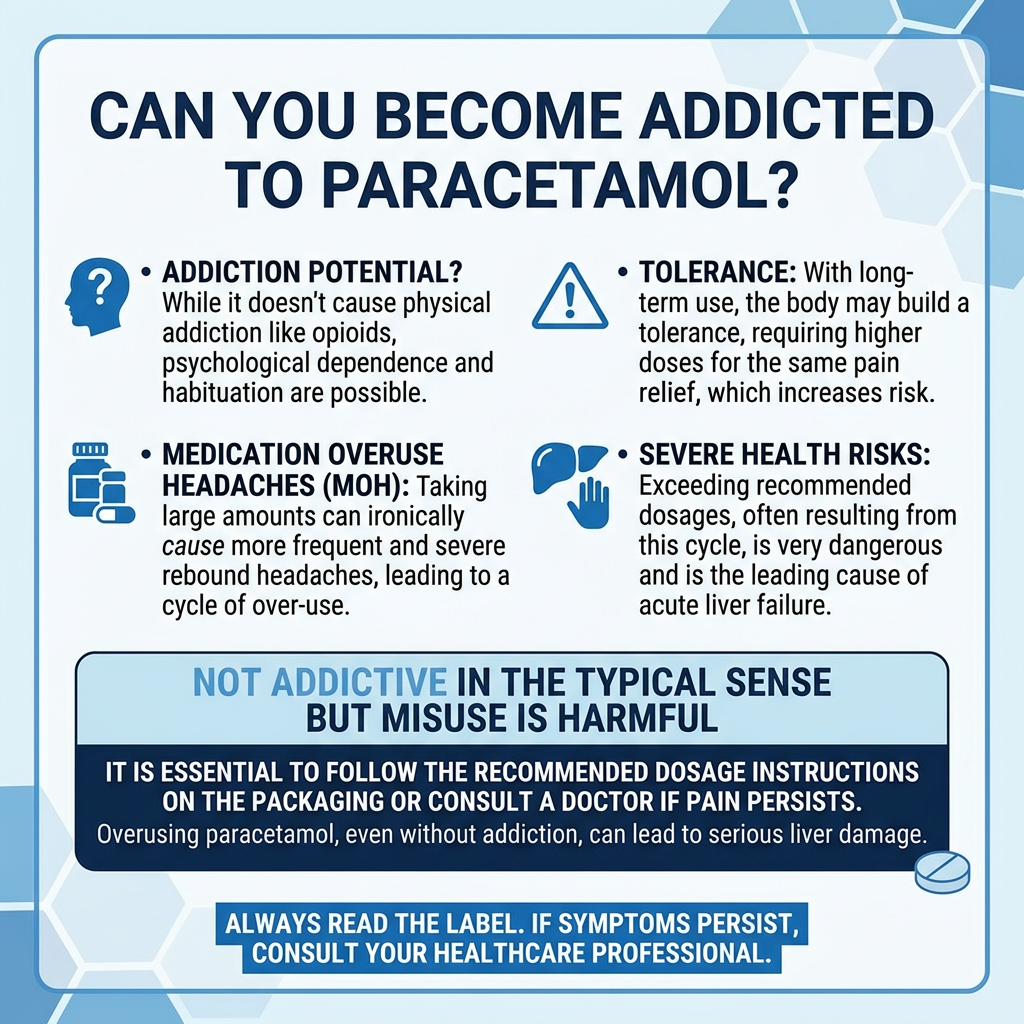
Can you become addicted to Paracetamol?
Can you become addicted to Paracetamol? No. Well not it in the same way you become addicted to heroin or alcohol as the way it affects the brain is different. That doesn't mean that some people are not addicted to taking it in the way that they take it, repeatedly. How does Paracetamol work? The…
Grace Kennedy
6:08 pm, June 26, 2026
Can you do a Methadone detox at home?
Can you do a Methadone detox at home? In theory: Yes. In practice: No. It is a nice idea that you can stay at home, take some methadone and your opioid use disorder is cured. Sadly it just doesn't work like that. In order to understand why this won't work you need to know what…
Grace Kennedy
6:49 pm, June 25, 2026