
Understanding Addiction: Genetic vs. Environmental Factors
December 30, 2025
1:12 pm
Table of contents
Introduction
What causes addiction? An age old question!
Here we examine addiction through the lens of genetic and environmental factors.
It is somewhat of a “What came first, the chicken or the egg”? argument.
While this is an interesting, if not, at times, a controversial topic, the treatment for addiction doesn’t change: Whatever the cause.
Let our experienced addictions clinicians share their knowledge and advice with you.
Exploring the Genetic Foundations
Addiction: Genetic and environmental influences shape this complicated illness, which can be heavily influenced by genetics.
Recent research shows how genomics and neurobiology advances have highlighted how inherited genetics can make some people more susceptible to addiction than others.
These new developments also show that there may be the potential for more personalized treatments. Understanding addiction: genetic and environmental influences is key in tailoring these interventions.
Genetic Contributions to Addiction
What role does genetics play in addiction susceptibility?
Genetics have a marked impact on someone’s likelihood of developing an addiction problem as it affects the brain’s pathways that are involved with reward, drug metabolism, and impulse control.
In particular, research shows that there are variations among specific genes:
- Dopamine receptors
- Opioid receptors
- Alcohol metabolism
This means that different people’s brains react to the presence of alcohol, dopamine, and opioids in different ways.
We also know that genetics account for between 40-60% of someone’s addiction risk.
This means that if there is addiction in the family, there is a much greater chance you will succumb to the problem.
Preventing addiction
Recognizing addiction: genetic and environmental influences can aid in prevention strategies.
These genetic features make a difference in how someone responds to drugs and alcohol. They can directly impact the way your brain processes the presence of drugs and alcohol on receptors.
In time, a greater understanding of these genetic influences may be able to guide personalized treatment plans that consider addiction’s genetic and environmental influences.
It may be possible, in the future, to identify, through genetic testing, those who are at risk for early intervention.
The Science
What is the current science of the genetic basis of addiction?
We know, from research, that addiction is heavily influenced by genetics. We also know that it is not a single gene that is responsible, but that there are a combination of genetic variations that lead to addiction.
One example is OPRM1 which is linked to the brain’s response to the presence of opioids on opioid receptors. Another example is ADH1B and ALDH2 which are concerned with alcohol receptors.
There are believed to be over one hundred genetic variations, known as single nucleotide polymorphisms, that are involved in different types of drug addiction.
Current research shows that these risk variants can influence how the brain’s reward systems work, most likely when Dopamine is involved (pleasure and motivation.)
Does addiction run in the family?
Some research suggests that, where there is addiction in the family, an individual can be up to 7 times more likely to develop addiction than someone who doesn’t have addiction in the family.
Genetics, however, are not the only factor. The person’s environment, their social pressures, and childhood trauma are all contributive factors. Thus, addiction: genetic and environmental influences must both be considered.
Research, while exciting, is what it is: research. It is costly and time-consuming. While it provides exciting insights into the future of addiction treatment, we are not there: yet.
Key Takeaways
- Addiction: Genetic and environmental influences shape the complexity of addiction, emphasizing the role of genetics.
- Genetics contribute significantly to addiction susceptibility, with variations in genes affecting brain pathways involved in reward and impulse control.
- Research identifies multiple genetic variations linked to addiction, suggesting a future of personalized treatments based on genetic testing.
- Addiction is influenced not only by genetics but also by environmental factors, such as social pressures and childhood trauma.
- Understanding addiction: genetic and environmental influences allows for potential prevention strategies in high-risk individuals.
Learned Behavior
Addiction is not just down to your genetics.
Peers, easy access to drugs and alcohol, unresolved trauma: These all have their part to play.
If you have a genetic predisposition to addiction but are in a stable environment with no significant trauma and no easy access to drugs you may never experience a problem. This highlights the interaction of addiction: genetic and environmental influences.
However, if you are in a high-stress environment, have unresolved trauma, and have access to drugs, a genetic predisposition may be the tipping point.
Addiction comes around when genetics and social factors collide. This means prevention is possible.
Speak To An Experienced Addictions Clinician
We are a collective of experienced addictions clinicians who work in this field.
Our advice is free and confidential. We do not charge if you would like a referral to a rehab centre.
We are registered with the Information Commissioners Office and only signpost to centres registered with the Care Quality Commission or the appropriate body for Wales/Scotland/N.Ireland.
The next steps
The science and debate as to what causes addiction is an interesting one. Some people say it is caused by a persons genetics, others their environment. Others say it is both!
Whatever the cause, the treatment is the same.
Addiction can be overcome.
Call and speak with an experienced addictions clinician on all aspects of addiction including: Detox, rehab, therapy, relapse prevention and aftercare.
Our clinicians can provide treatment options, locations, costings and availability.
We make no charge for advice or treatment referrals.
Need help finding the right rehab for you or a loved one? Get in touch today and take the first step toward recovery.
Speak to usRecent Posts
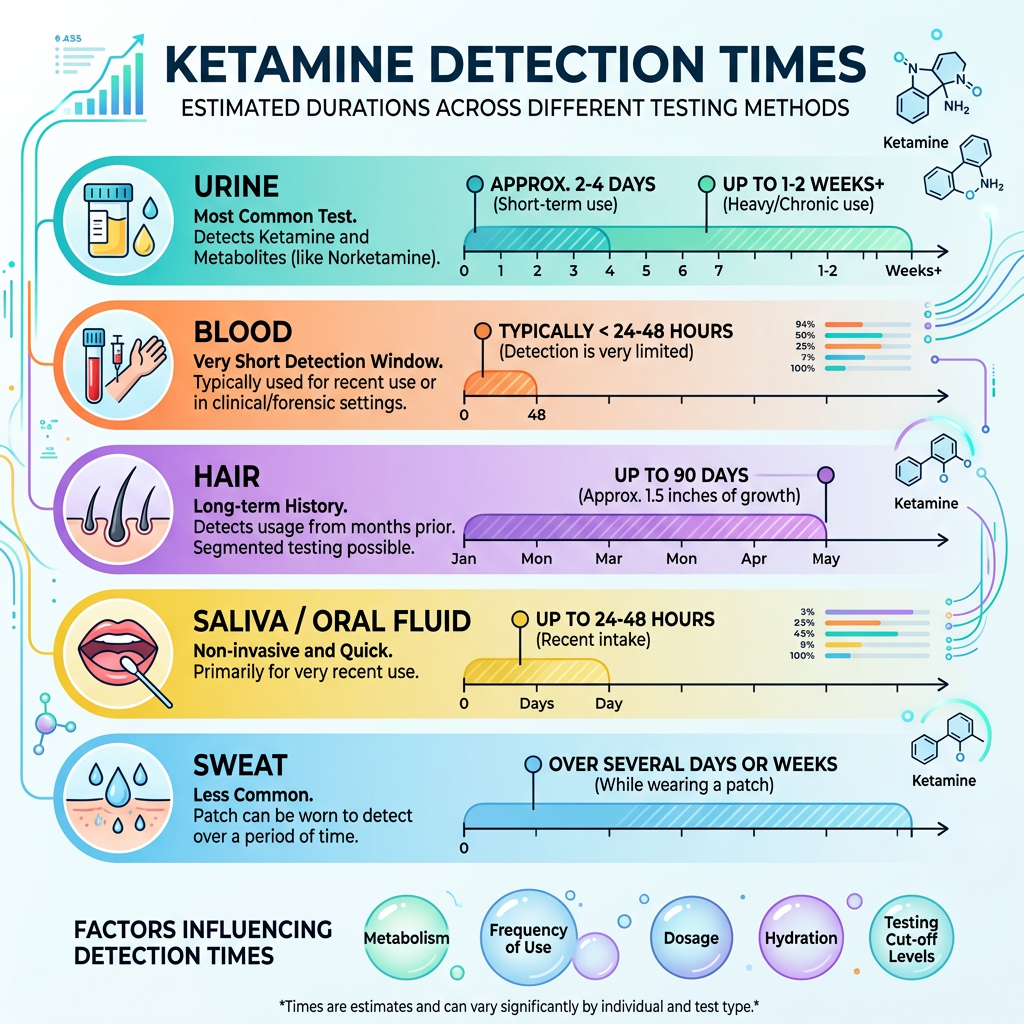
How long does Ketamine stay in your system?
How long does Ketamine stay in your system? As an experienced addictions clinician with over thirty years experience my question to that is: Why do you need to know? Is it because you are worried it will show up in a drug screen at work? Are you worried about being drug tested by the police…
Grace Kennedy
12:23 pm, July 2, 2026
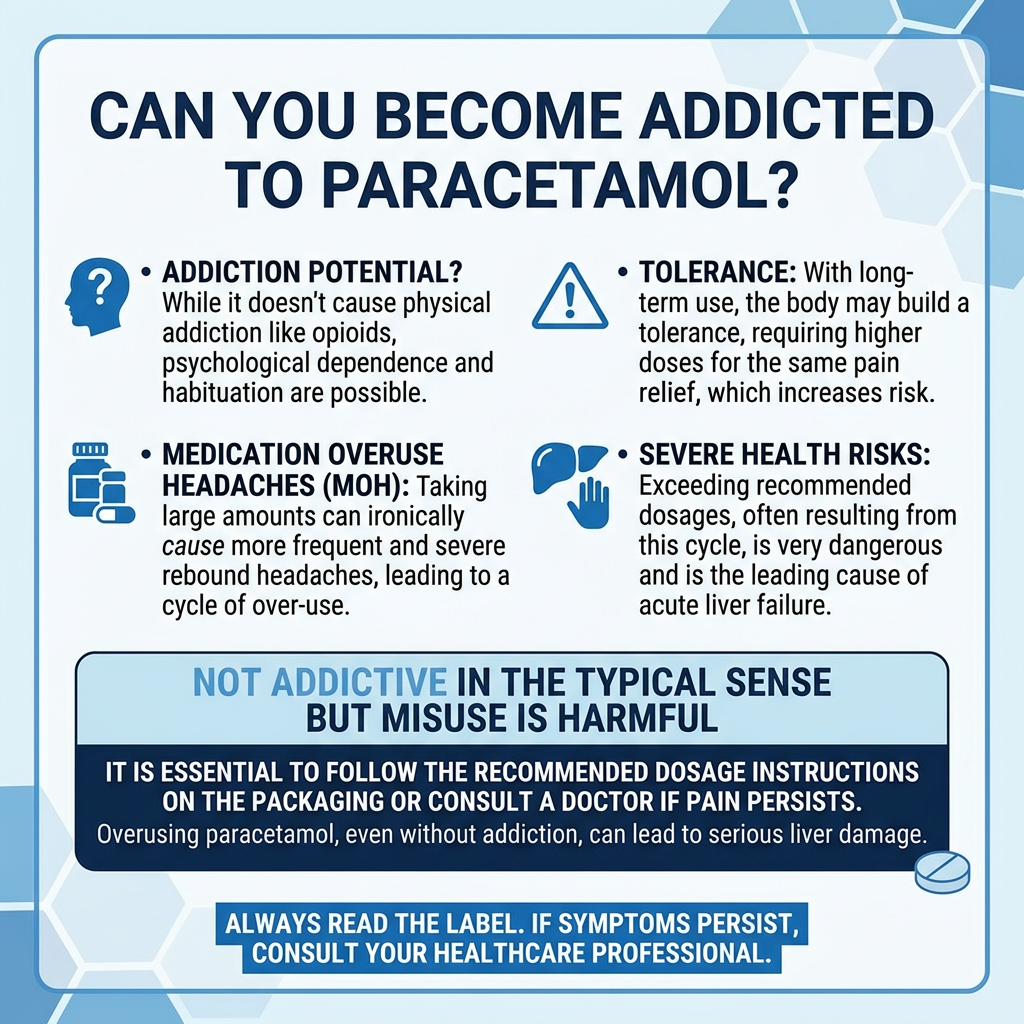
Can you become addicted to Paracetamol?
Can you become addicted to Paracetamol? No. Well not it in the same way you become addicted to heroin or alcohol as the way it affects the brain is different. That doesn't mean that some people are not addicted to taking it in the way that they take it, repeatedly. How does Paracetamol work? The…
Grace Kennedy
6:08 pm, June 26, 2026
Can you do a Methadone detox at home?
Can you do a Methadone detox at home? In theory: Yes. In practice: No. It is a nice idea that you can stay at home, take some methadone and your opioid use disorder is cured. Sadly it just doesn't work like that. In order to understand why this won't work you need to know what…
Grace Kennedy
6:49 pm, June 25, 2026