
Alcohol Withdrawal Symptoms: A Complete Guide
October 18, 2025
12:47 pm

Table of contents
- Don’t be afraid to reach out
- Use our knowledge
- Changes in brain function
- Nothing to do with flushing toxins
- The chemistry of alcohol detox
- Preventing relapse
- Detox timeline
- Never try and do it yourself
- The NHS is not commissioned for alcohol detox
- What are the most common alcohol withdrawal symptoms?
- What causes alcohol withdrawal symptoms in detox?
- What factors affect withdrawal severity?
- What is the safest way to quit alcohol?
- What Happens During Alcohol Detox? Going into rehab
- Alcohol is a symptom of unresolved trauma
- How Can Find Me a Rehab Help?
- What Happens During Alcohol Detox? Get help now
Ever wondered what happens during alcohol detox?
Here our experienced addictions clinicians share their knowledge and experience with you.
The symptoms of alcohol withdrawal can range from mild to extreme.
It only takes a few hours, if you stop drinking, before you will experience the signs.
Left untreated, they will only get worse. Without treatment you are, literally, putting your life at risk.
Sounds scary.
It doesn’t need to be. Let our experienced addictions clinicians give you a run through of what to expect.
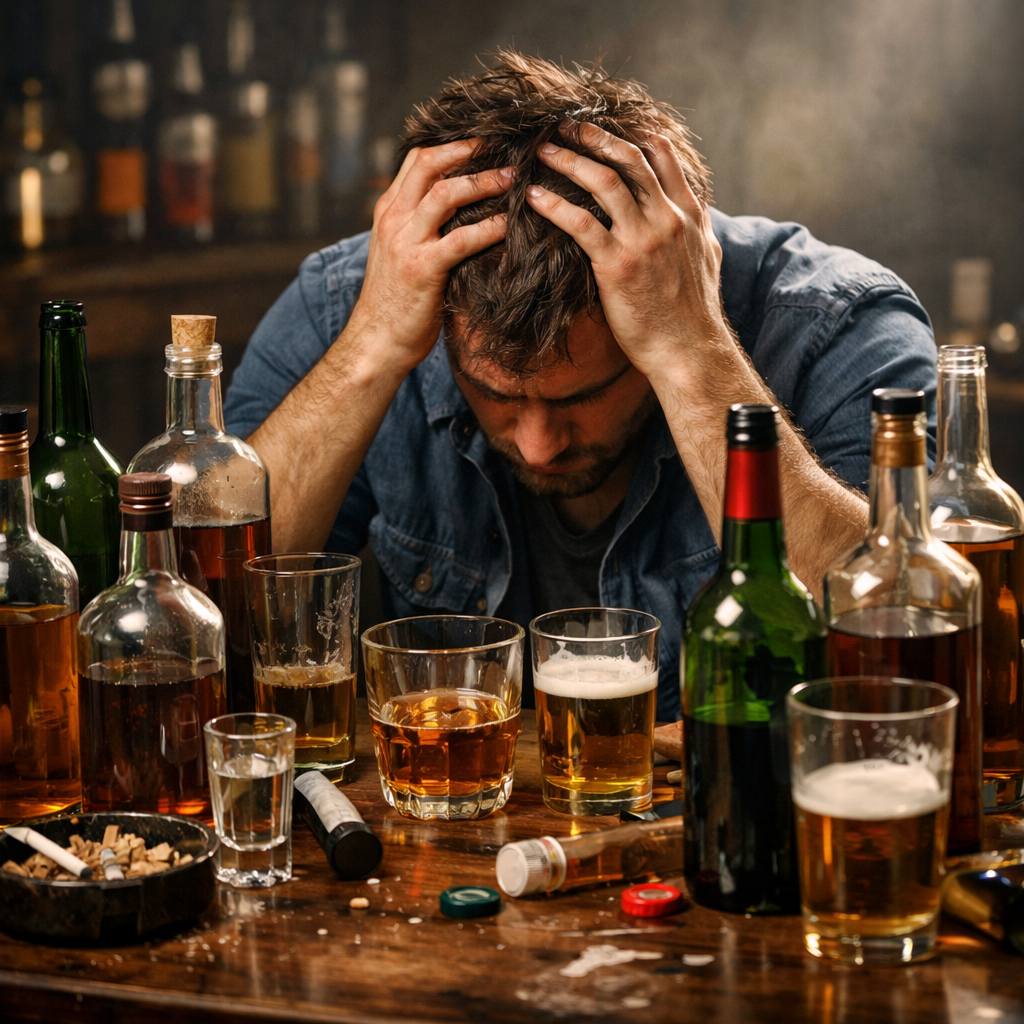
Don’t be afraid to reach out
Getting help for alcohol addiction is a very bold step.
Worrying about What Happens During Alcohol Detox will only make your anxiety worse.
Anyone who is dependent on alcohol knows what they are doing is destroying their life but the fear of being without alcohol can be so intense that it prevents them from going into rehab.
Use our knowledge
If you need Help for Alcohol Addiction, need to find Alcohol Addiction Recovery UK or need to find Alcohol Addiction Rehab Treatment call and speak, without charge, to one of our experienced addictions clinicians.
Changes in brain function
Alcohol, like drugs and prescription medication, works on receptors in the brain.
After a time, your brain becomes used to alcohol so will adjust to it’s presence.
Physiological tolerance
You will, in time, need increasing amounts of alcohol to do what the small amounts you started to use used to. This is known as tolerance.
Why withdrawals happen
If you stop drinking suddenly, or reduce too quickly, your brain will not be able to cope.
Signals sent around the body will result in withdrawals.
These can start within hours.
Left untreated they may, in a small number of people , go away by themselves.
Sadly, for most, they will not.
They can be distressing, dangerous and in some cases: Fatal.
What Happens During Alcohol Detox will stop you looking for help.
Nothing to do with flushing toxins
Detox has nothing to do with cleansing the body from toxins: That is the stuff of legends.
It is about repairing brain chemistry.
The science is very simple.
The chemistry of alcohol detox
By using a medication that has a similar action to alcohol, you replace the alcohol and reduce at a steady pace while the brain readjusts.
Drinking water helps but you can not “flush out” the alcohol.
This initial stage of treatment, detox, is the process of opening the door to recovery.
It is part of the process and not the whole thing.
Preventing relapse
People who detox without rehab are the ones who are most likely to relapse.
As to how long it takes to detox depends on how much you have been drinking and for how long.
Detox timeline
Ordinarily, the detox element of rehab takes a minimum of a week.
In some cases it can take up to two weeks.
Ten days is a good average.
Never try and do it yourself
Forget what you see on television and in the movies.
You can not detox by getting someone to lock you in a room with some bottled water, toilet paper and a bucket.
At best you will become very ill.
Worst case: You will not survive.
Untreated alcohol withdrawal is a medical emergency.
The NHS is not commissioned for alcohol detox
The NHS is not commissioned to provide addiction services (though some local councils commission NHS services for local outpatient services).
As such you can not rock up to your local Accident and Emergency Service and expect them to detox you: They won’t.
A+E isn’t funded or positioned to help with detox
While they have a duty of care, it is only to what is reasonable in the circumstances.
They will assess you and probably send you home with advice to carry on drinking.
If they do admit you it will be only until you are safe enough to leave.
To put it bluntly: They are not being paid to do it so they won’t.
GP’s are not allowed to provide NHS prescriptions for detox
GP’s are commissioned by the NHS and , as such, they too can not provide you with detox medication.
Why? Because the local commissioning groups won’t fund it.
Just getting a prescription wouldn’t be any use
In any event, sending you away with a prescription for detox medication would be incredibly dangerous.
Taking medication for alcohol withdrawal is not like taking antibiotics for a infection in a cut on your foot.
You must be monitored by staff who are trained to assess you, administer medication and, in the event of a problem, escalate the situation: Quickly.
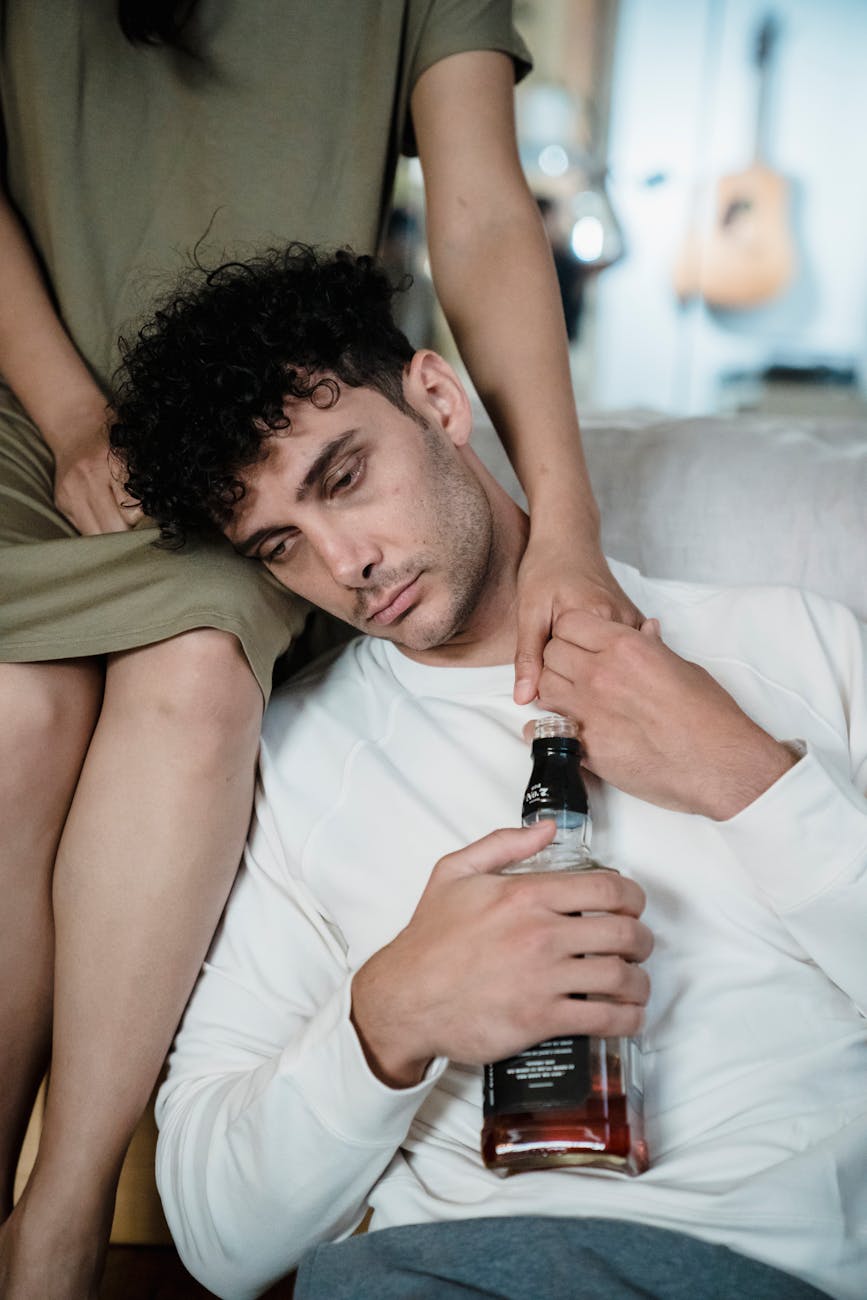
Relapse is part of the cycle of addiction
Relapse is a sad fact of life.
While most people who relapse are able to get back on track, some will not and will need a further detox.
Repeated detox’s can increase risk.
Repeated detox brings greater risk
This is known as kindling.
Sometimes you will be advised to continue drinking for a period of time before another detox will be considered.
If you need Help for Alcohol Addiction, need to find Alcohol Addiction Recovery UK or need to find Alcohol Addiction Rehab Treatment call and speak, without charge, to one of our experienced addictions clinicians.
What are the most common alcohol withdrawal symptoms?
The detoxification process contains a myriad of symptoms, ranging from uncomfortable to extremely distressing.
These symptoms generally happen because your brain and body have grown used to having alcohol’s constant presence.
When it is suddenly removed, the nervous system can go into overdrive, and symptoms ensue. These can include:
Mild to moderate withdrawal symptoms
Everyone’s experience of alcohol withdrawals will be different but there are some common features due to the altered brain chemistry:
- Uncontrollable anxiety
- Severe irritability
- Extreme fatigue
- Rapid mood swings
- Chronic insomnia
- Severe nausea and vomiting
- Poor appetite
- Profuse sweating
- Debilitating headaches
- Tremor
- Coma
What Happens During Alcohol Detox? Severe and dangerous withdrawal symptoms
For some people the symptoms can be even more severe and may include:
- Seizures
- Extreme fever
- Hallucinations
- Confusion
- Delirium Tremens leading to death
What causes alcohol withdrawal symptoms in detox?
Alcohol is a depressant.
It slows down brain activity and reduces signals in your nervous system.
Alcohol’s effect on your brain
The brain will adjust to this by lowering the production of chemicals that calm the body and increase ones that stimulate it.
In time , your brain adjusts to the presence of alcohol.
If you stop drinking, the brain can not cope with the change.
It will goes into a state of hyperactivity and will be flooded with signals that are confusing.
This is what drives the symptoms of withdrawal. Waiting to see if you can escape these symptoms is extremely risky.
What Happens During Alcohol Detox? Key Takeaways
- Alcohol detox requires medical supervision as withdrawal can be dangerous and even fatal.
- Symptoms of withdrawal include anxiety, irritability, tremors, and severe cases can lead to seizures or hallucinations.
- Detox itself is not a cleansing process; it focuses on repairing brain chemistry disrupted by alcohol.
- Local hospitals and GPs typically do not provide detox services, making appropriate rehab essential.
- Successful recovery requires more than detox; therapy and support help address underlying issues related to alcohol use.
What factors affect withdrawal severity?
The symptoms can be incredibly distressing.
Not everyone will experience the same symptoms, or the same degree of discomfort.
There are certain factors that may determine who experiences what:
- How much you drink, for how long and the strength of the alcohol you drink
- Other health conditions
- Previous episodes of withdrawal
- Age
- General health
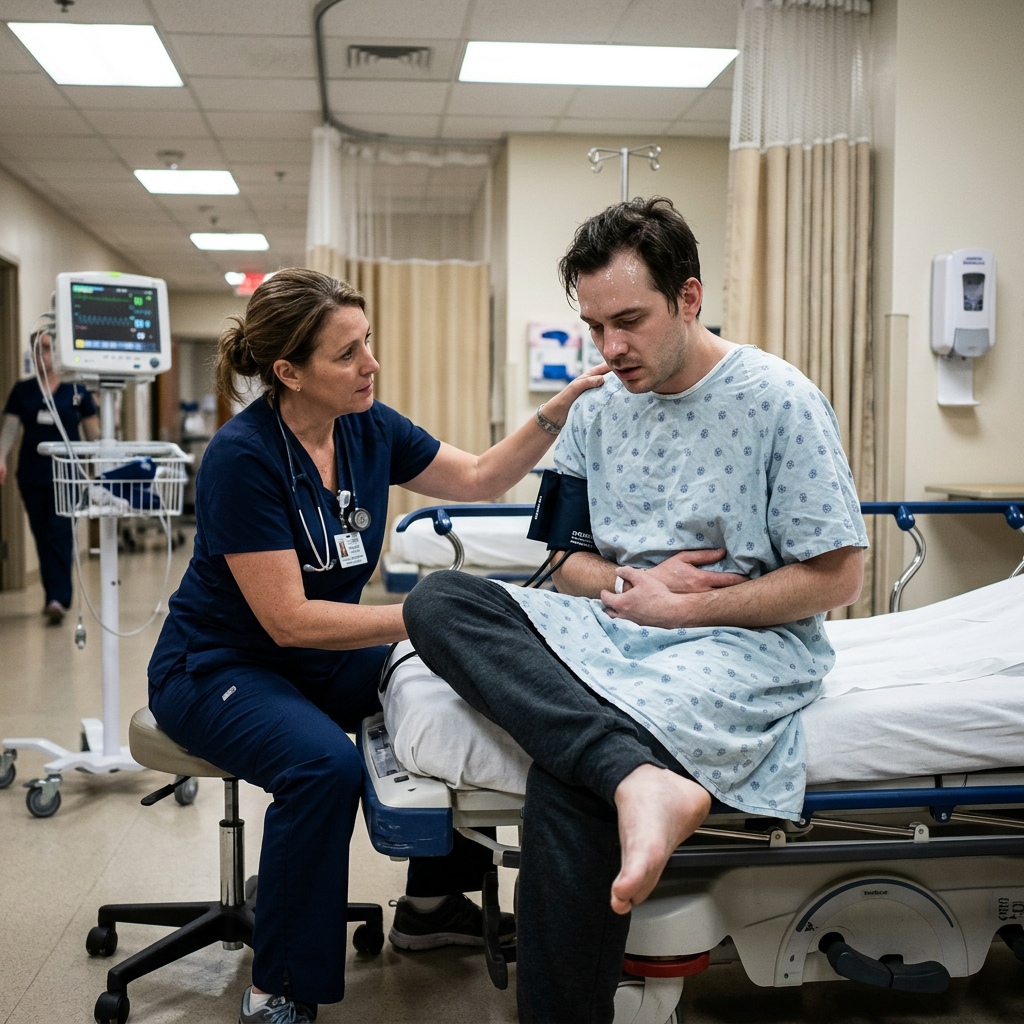
What is the safest way to quit alcohol?
Never try and detox at home.
While it is possible to reduce , slowly, on alcohol at home our clinicians have yet to meet anyone who has managed to do so.
What Happens During Alcohol Detox? Never just stop drinking
Stopping suddenly is an extreme risk.
You may not survive to tell the tale.
The only safe way to detox is to do in rehab under medical supervision.
As discussed above, your GP can not help you, neither can your local A+E department.
Free services from your local council
Local statutory services can, sometimes, provide a detox for alcohol in the community but there are very stringent protocols in place.
Even if you are within their safety criteria, it takes months before they will provide this service.
You will have to go through a series of assessments, attend meetings ,etc.
These service can only offer help to people who live in the area.
The first thing they will do is want to see proof of your address.
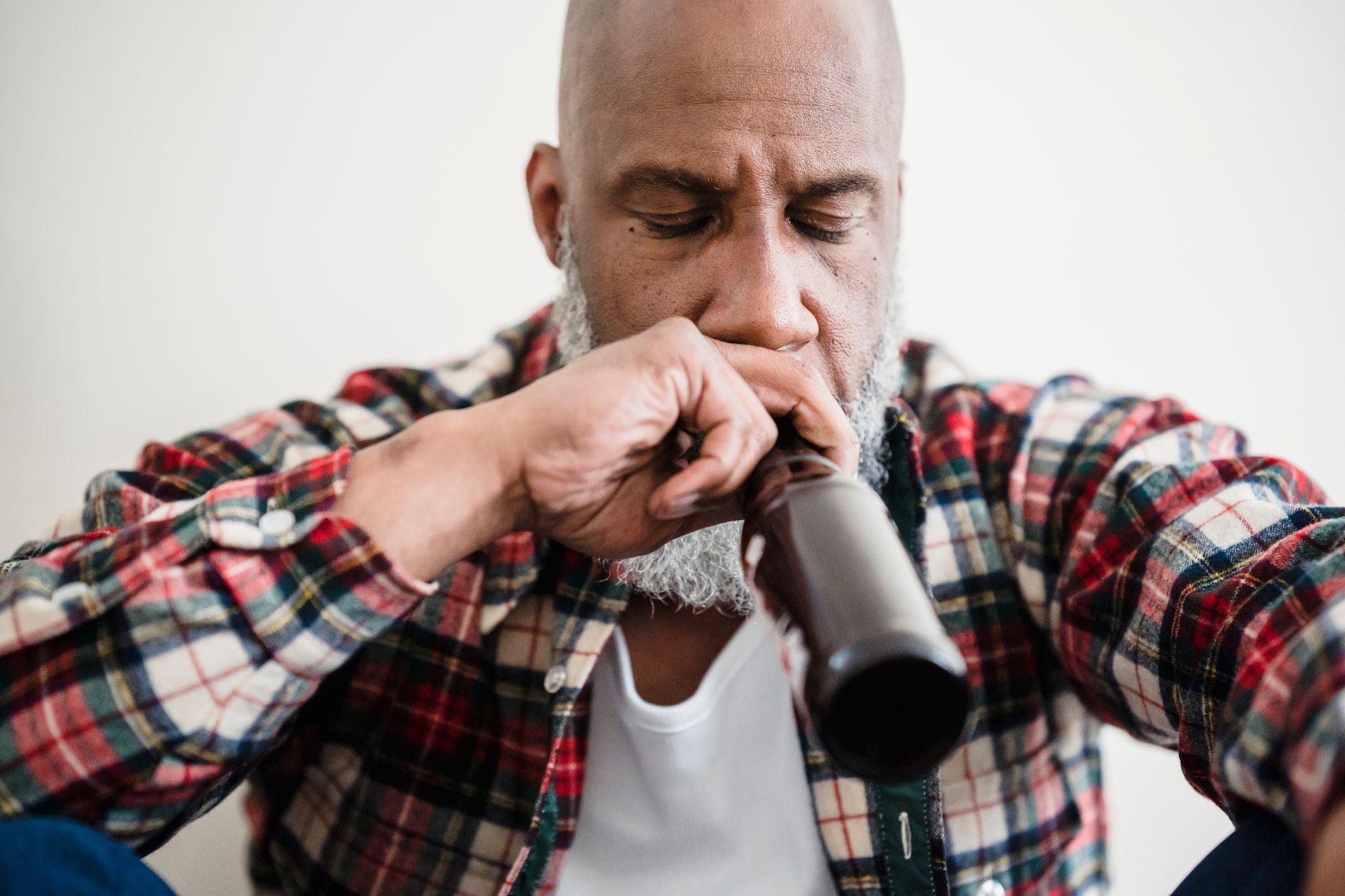
What Happens During Alcohol Detox? Going into rehab
Prior to your admission, you will have an initial assessment , which can usually be done over the phone.
On the day of admission, you will be seen by a clinician , on arrival, who will finalise your treatment plan.
Medication will be prescribed to alleviate the withdrawals alongside adjunctive medication to stop the signs of nausea and vomiting, loose stools, etc.
Nursing staff will monitor you, several times a day for the first few days, and provide additional medication where necessary.
This is perfectly normal and always incorporated into treatment plans.
If necessary, your clinician can amend your medication and will be happy to see you if you have any questions or concerns.
Alcohol is a symptom of unresolved trauma
Without the therapy to understand why you were drinking, the skills to manage thoughts and emotions suppressed by alcohol and how to deal with triggers when you leave rehab, you will really struggle to stay sober.
While there are centres that allow you to go in for a week to ten days (so you can detox) this often fails.
Rehab is the key to success.
How Can Find Me a Rehab Help?
Our experienced addictions clinicians have helped hundreds of patients with an alcohol detox.
They have worked in the majority of the UKs rehab centres, prisons, private hospitals, local authority statutory services private outpatients.
We do not charge for giving advice or making a referral. Our clinicians can guide you on treatment plans. Our advice is always confidential and free.
If you need Help for Alcohol Addiction, need to find Alcohol Addiction Recovery UK or need to find Alcohol Addiction Rehab Treatment call and speak, without charge, to one of our experienced addictions clinicians.
What Happens During Alcohol Detox? Get help now
Call and speak with one of our experienced addictions clinicians on any aspect of alcohol withdrawal, addiction, detox, rehab, therapy, relapse prevention and aftercare.
We can arrange admission for you. There is no charge for advice or referrals.
Our clinicians will only signpost to legally registered centres.
Need help finding the right rehab for you or a loved one? Get in touch today and take the first step toward recovery.
Speak to usRecent Posts
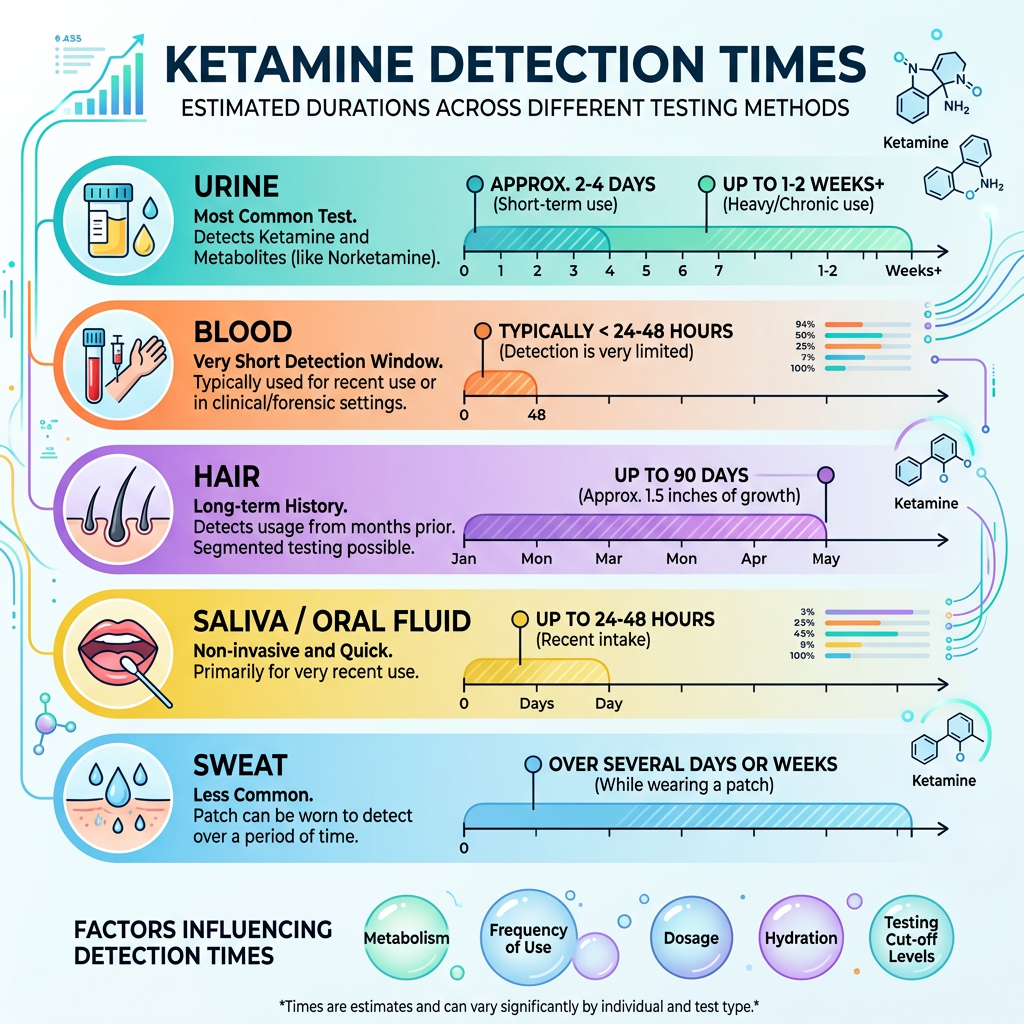
How long does Ketamine stay in your system?
How long does Ketamine stay in your system? As an experienced addictions clinician with over thirty years experience my question to that is: Why do you need to know? Is it because you are worried it will show up in a drug screen at work? Are you worried about being drug tested by the police…
Grace Kennedy
12:23 pm, July 2, 2026
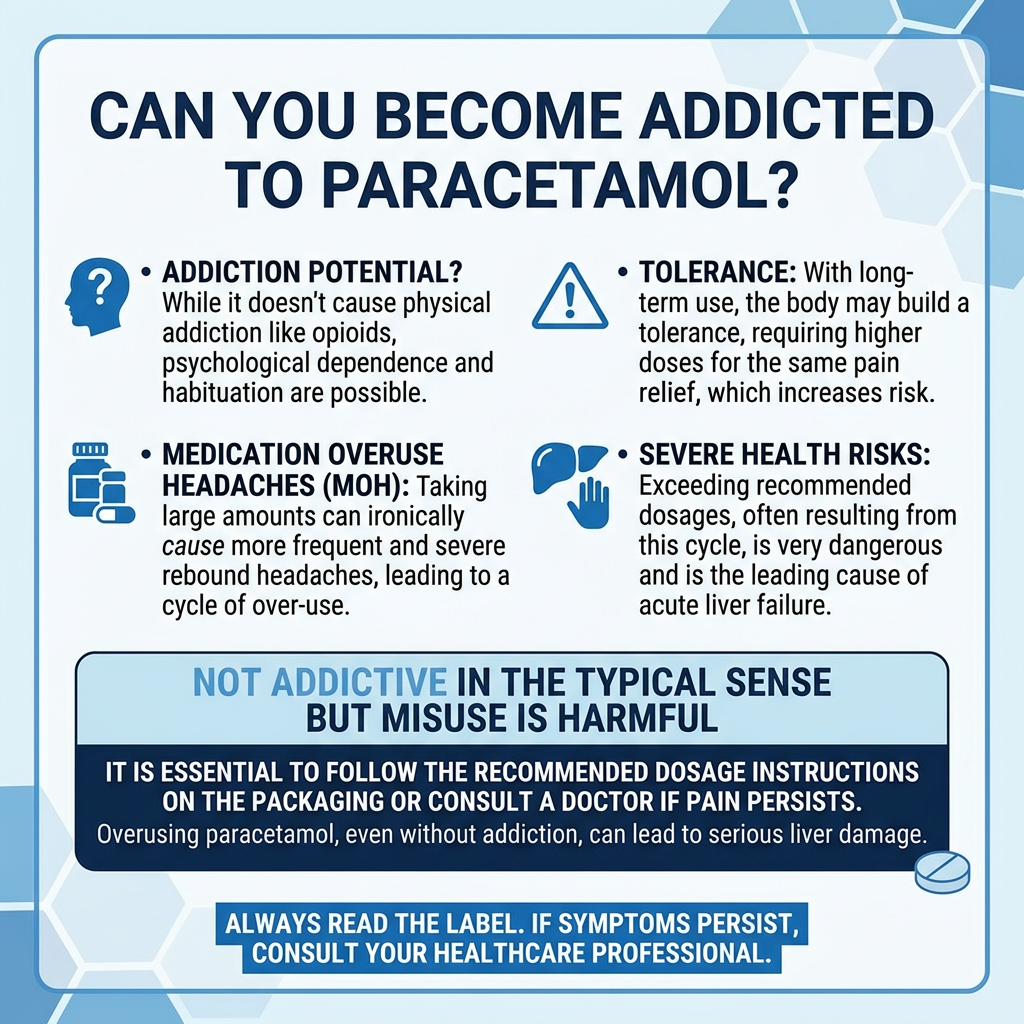
Can you become addicted to Paracetamol?
Can you become addicted to Paracetamol? No. Well not it in the same way you become addicted to heroin or alcohol as the way it affects the brain is different. That doesn't mean that some people are not addicted to taking it in the way that they take it, repeatedly. How does Paracetamol work? The…
Grace Kennedy
6:08 pm, June 26, 2026
Can you do a Methadone detox at home?
Can you do a Methadone detox at home? In theory: Yes. In practice: No. It is a nice idea that you can stay at home, take some methadone and your opioid use disorder is cured. Sadly it just doesn't work like that. In order to understand why this won't work you need to know what…
Grace Kennedy
6:49 pm, June 25, 2026