
Understanding the First 24 Hours of Detox
August 25, 2025
3:30 am

Table of contents
- Introduction
- You will be in very safe hands during your First 24 Hours Addiction Detox
- First 24 Hours of Detox
- Medical Intervention
- Therapy starts as soon as possible
- Long-term Recovery
- How Find Me a Rehab can help with the First 24 Hours Addiction Detox
- Getting help with the First 24 Hours Addiction Detox
Introduction
The First 24 Hours Addiction Detox may seem daunting but with the right advice and expert support it doesn’t need to be.
Accepting that you have a problem with drink and/or drugs can be both daunting and a massive relief.
While people, caught up in the madness of addiction, know they need help there can be much fear of the unknown.
Being worried about living without drugs and alcohol can be incredibly stressful.
The sooner you address the problem, the more straightforward the treatment and the higher the chances of long term recovery.
After all, if you are living with addiction, you learn how to manage your illness.
Knowing that you are not going to be taking drugs/alcohol any more can be a massive barrier to accepting help.
Our experienced addictions clinicians have worked in the majority of rehab centres in the UK.

You will be in very safe hands during your First 24 Hours Addiction Detox
Knowing that you will be very well looked after, that a treatment plan, collaboratively drawn up, will address your concerns can make all the difference.
Our addictions clinicians and all the staff in rehab centres (as well as home treatment teams) understand the trajectory of recovery and what processes can get you on a path of abstinence.
For those who need a detox (not everyone does) let’s take a look at what to expect in the first 24 hours of the detox process.
Everyday, hundreds of people in the UK enter into treatment centres or commence treatment at home. Addiction is a serious illness but with the right professional support, it can be overcome.
Our experienced addictions clinicians have worked in the majority of rehab centres in the UK.
They will provide a Free Rehab Referral Service to anyone.
You may want Free Rehab Advice Online.
We give free, confidential and obligation free advice to all.
First 24 Hours of Detox
The reason why people go into a rehab centre for a detox is because it is a high risk process so every possible risk mitigation must be in place.
In a registered rehab centre with experienced healthcare professionals, together with specialist trained therapists and recovery workers, such risks can be managed leading to positive outcomes.
There are situations where treatment at home is possible but they are not available in every situation and long term outcomes are always better when someone has treatment in a rehab centre (and it may also cost the same, if not less!)
By undertaking the first 24 hours addiction detox in a structured environment, safety is ensured.
Chemical changes in the brain
When someone is dependent on drugs and/or alcohol, their brain chemistry changes.
Dopamine, a feel good chemical, is released when the substances are used.
When they are not, the brain recognises this and the body goes into withdrawal.
This can happen in as little as three hours, depending on the nature of the dependency.
The resulting withdrawals can be very intense with both physical and psychological symptoms.

Managing withdrawals in rehab
It is not uncommon for someone to experience vomiting, severe muscle aches, profuse sweating, marked tremors, and extreme nausea, especially in the first 24 hours of detox.
As the hours pass, these symptoms can progress and, depending on the substance in question, seizures, coma, and death can follow.
Due to the lack of feelgood chemicals, the person struggling with addiction is likely to experience severe agitation and a very rapid lowering of mood.
Their anxiety can become wholly overwhelming to the point where they become fixated on the notion that they cannot recover and will seek out their substance of abuse during the first 24 hours of detox.
Key Takeaways
- The First 24 Hours Addiction Detox is critical for safety and effective treatment.
- Withdrawal symptoms can be intense and require medical supervision to manage risks.
- Therapy begins as soon as possible to support individuals during detox and recovery.
- Long-term recovery depends on continuing therapy and support after detox to prevent relapse.
- Find Me a Rehab offers free advice and referral services for those seeking help with addiction.
Medical Intervention
No one should ever try and stop taking drugs and alcohol without medical supervision.
It can be fatal. Seizures, delirium tremens are common.
The old adage that you can go “cold Turkey” from heroin simply isn’t true.
Severe dehydration is not uncommon, which is a medical emergency and can lead to fatality.
In a registered rehab centre, someone undergoing a detox will be closely monitored by trained and regulated healthcare professionals who will provide suitable medication prescribed by an experienced addictions clinician.
This will ensure that you come away from your dependency safely during those critical first 24 hours addiction detox.
Staff will monitor you, at regular intervals, measure your vital signs and liaise with the clinician. If necessary, the clinician can alter your medication.

Therapy starts as soon as possible
The first day of treatment can be a little overwhelming.
It might have taken years to gather the strength to admit you need help. It is not uncommon for someone to have an overwhelming urge to leave.
All addiction treatment in the UK is voluntary so no one can stop you.
However, the staff understand why this happens and will provide you all the support you need to make the positive decision to stay.
Dealing with cravings
Cravings can set in and without knowing how to manage them, a relapse is very likely.
The journey to the centre, the admissions process, saying goodbye to loved ones can make someone feel vulnerable.
Thus, as soon as someone is physically able to join in with the group therapy process, they are expected to do so.
Everyone in the group is in recovery.
They have been there a day, a week, or longer.
The benefit of lived experience
The therapist leading the group will, most likely, be in recovery themselves.
There will also be, for those in treatment for more than 7 days, a weekly session of individual therapy.
The first 24 hours addiction detox is crucial to set the stage for a successful recovery journey.
Every centre in the world follows a group therapy process.
Whether it is a 12 step approach, a SMART based programme, eclectic or something else: It really doesn’t matter.
What does matter is that you go into treatment and get the help you.

Long-term Recovery
Detox is a stepping stone to recovery, particularly in the first 24 hours of addiction detox.
Attempting therapy without it simply won’t work.
If for nothing else, you cannot respond to therapy while your brain is controlled by addiction.
Continuing with therapy is essential.
Up to sixty percent of people who leave treatment and don’t continue with meetings and/or therapy will relapse.
Detox allows you to optimize the benefit you get from therapy.
Without it, you would be driving in park with the handbrake on.
How Find Me a Rehab can help with the First 24 Hours Addiction Detox
Our experienced addictions clinicians have worked in the majority of rehab centres in the UK.
They will provide a Free Rehab Referral Service to anyone.
You may want Free Rehab Advice Online.
We give free and confidential advice to all.
Getting help with the First 24 Hours Addiction Detox
Call, email or live chat with an experienced addictions clinician on any aspect of addiction, detox, rehab, therapy, relapse prevention, home treatment and aftercare.
They can discuss treatment options, treatment plans, locations, costings and logistics.
We only signpost to legally registered services.
Need help finding the right rehab for you or a loved one? Get in touch today and take the first step toward recovery.
Speak to usRecent Posts
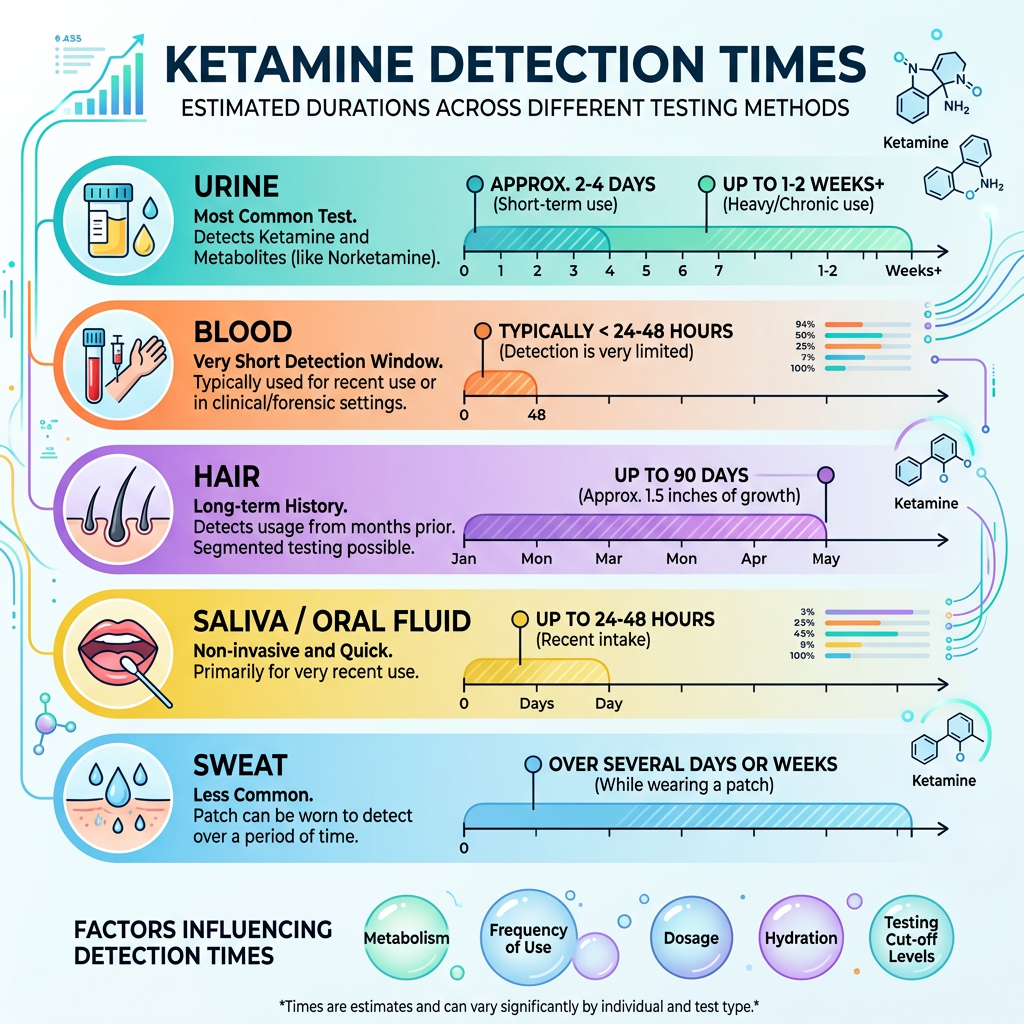
How long does Ketamine stay in your system?
How long does Ketamine stay in your system? As an experienced addictions clinician with over thirty years experience my question to that is: Why do you need to know? Is it because you are worried it will show up in a drug screen at work? Are you worried about being drug tested by the police…
Grace Kennedy
12:23 pm, July 2, 2026
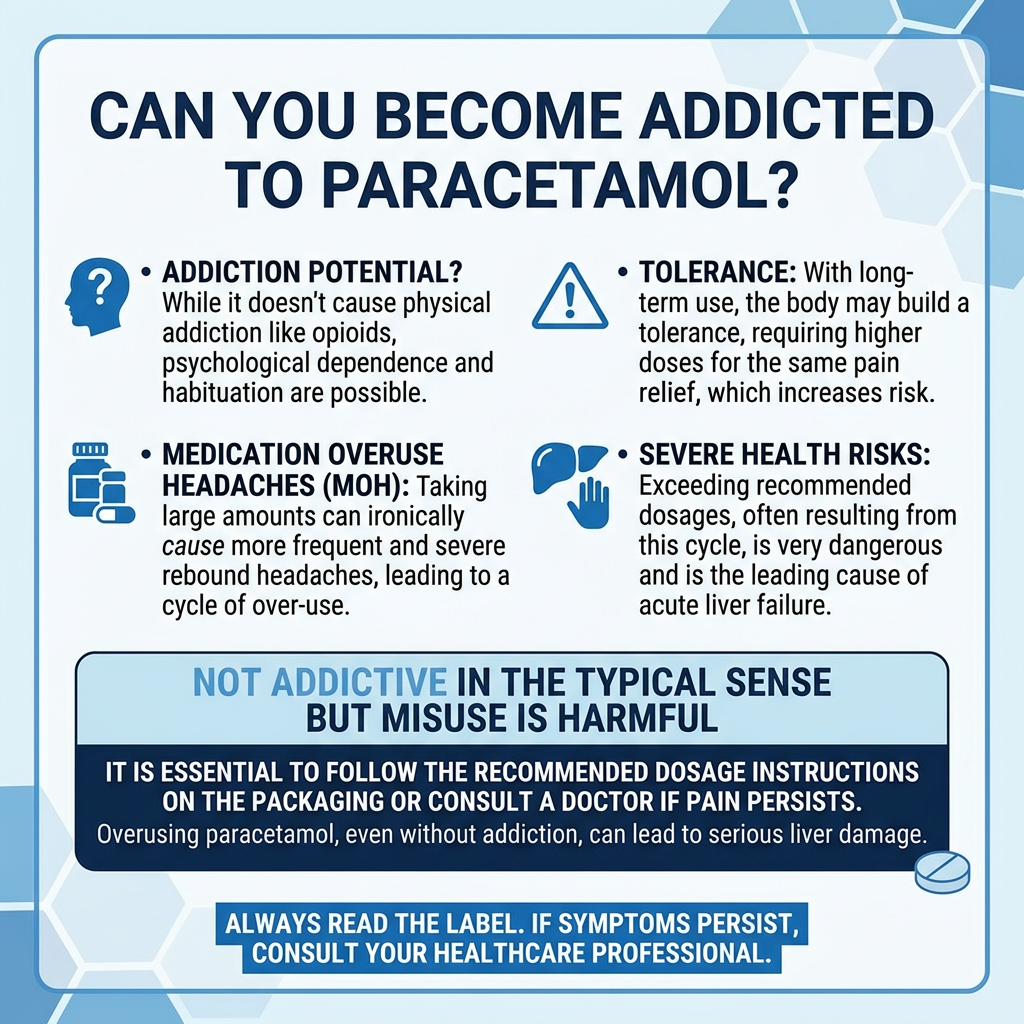
Can you become addicted to Paracetamol?
Can you become addicted to Paracetamol? No. Well not it in the same way you become addicted to heroin or alcohol as the way it affects the brain is different. That doesn't mean that some people are not addicted to taking it in the way that they take it, repeatedly. How does Paracetamol work? The…
Grace Kennedy
6:08 pm, June 26, 2026
Can you do a Methadone detox at home?
Can you do a Methadone detox at home? In theory: Yes. In practice: No. It is a nice idea that you can stay at home, take some methadone and your opioid use disorder is cured. Sadly it just doesn't work like that. In order to understand why this won't work you need to know what…
Grace Kennedy
6:49 pm, June 25, 2026