
Managing Cravings in Addiction Recovery: Proven Strategies
August 15, 2025
12:02 am

Table of contents
Introduction
Cravings are a factor in addiction recovery and treatment: There is no getting away from them.
Addiction is a very serious illness that affects brain chemistry.
It is not just a matter of willpower. Managing cravings during recovery requires learning evidence-based techniques.
Additionally, informed support from loved ones and professional input is vital.
Cravings are part of the recovery process
The trajectory of recovery from addiction can be a difficult path, and there maybe some challenges along the way.
Using evidence-based techniques these challenges can be met head on to support managing cravings in addiction recovery.
While cravings maybe part of the recovery process, they don’t have to take over.
Proven techniques can help to manage them more easily.
Proven strategies to help reduce cravings
For instance, talking through the situation with someone who understands your situation can be beneficial.
Exercising or focusing on the situation can also help.
Research has shown that a well-rounded diet plays a major role in regulating mood.
It can also affect energy levels, which is crucial in managing cravings, especially during addiction recovery.
Psychological techniques such as Cognitive Behavioural strategies can identify triggers.
These strategies can also help to avoid them.
In managing cravings, the aim is to be proactive.
It involves minimizing high-risk situations and providing more positive alternatives during recovery.

What Are Cravings?
Cravings are very intense thoughts about using the substance you are recovering from.
People in recovery often say cravings take over completely.
They prevent you from thinking about anything else.
Managing cravings involves understanding how they become all-encompassing.
Essentially, you become unable to shift them.
They take full control of your thoughts.
The science of cravings
Addiction changes your brain chemistry.
They are linked to the brain’s reward system and are due to the dopamine reward system.
Dopamine surges when alcohol and/or drugs are used and pleasure is felt.
The brain, in time, makes a link between drug/alcohol use and pleasure reward hence why cravings occur during abstinence.
For those recovering from addiction, it’s essential to identify and abstain from situations that increase relapse risk.
Triggers
Certain situations and/or people can put you in a situation where you want to use alcohol and/or drugs. This is different to cravings. It may be you are in a shop and walk past the alcohol section or you bump into your dealer.
Often it is because you are around people that are using.
Successfully managing cravings involves understanding triggers like certain places or people.
Activities that can lead to relapse must also be understood.
Keeping stress levels down is instrumental in reducing the impact of triggers.
Simple activities such as going for a walk can help reduce stress.
This, in turn, helps keep cravings at bay. Implementing effective strategies for managing cravings aids tremendously.

Is there medication for cravings?
While there are certain medications that can be used, they are wholly adjunctive. They won’t work alone. They only work in conjunction with therapy, group support, and self-care.
Antabuse (Disulfiram) is not a medication for craving and will only provide a unpleasant effect if you drink.
It is a nice idea that simply taking medication to stop cravings will do the trick: They won’t.

Key Takeaways
- Cravings are a significant challenge in addiction recovery, requiring effective management beyond willpower.
- Proven strategies to manage cravings include discussing experiences with understanding individuals, exercising, and maintaining a balanced diet.
- Understand and avoid triggers, such as certain places or people, to help reduce cravings and prevent relapse.
- Support systems, including family, friends, and professionals, provide essential emotional and practical assistance during recovery.
- Medication can assist but should complement therapy and support; it won’t resolve cravings alone.
Support systems
Having strong and informed support systems is invaluable when recovering from addiction.
Support can include both family,loved ones, friends, and colleagues.
Professional support also aids in cravings management.
This combination provides practical assistance and emotional support.
Attending support groups creates an environment where others have similar experiences.
Here, you will not be judged, mocked, or ridiculed.
Additionally, an addictions specialist therapist provides accountability and guidance.
A sponsor from a 12-step group offers similar support.
Looking after yourself
Having a routine, developing healthy approaches to stress can be incredibly powerful tools when recovering from addiction.
Simple things like having a diet rich in nutrients can really assist in managing cravings.
Getting back to old hobbies, or picking up new ones, can also be useful while managing cravings in addiction recovery.
Here at Find Me a Rehab we provide Free Rehab Advice UK as well as a Free Rehab Referral Service. We do not charge for advice and you can speak to an experienced addictions clinician in total confidence at anytime.
How can Find Me a Rehab help?
We are experienced addictions clinicians with decades of experience in the field of addictions.
Our clinical work has included prisons, private hospitals, rehabs, NHS commissioned GP shared care services, local authority funded residential and outpatient services.
All advice (and treatment referrals) is provided free of charge. Your call, mail or live chat will be treated in the strictest of medical confidence.
Getting help
Call, email or live chat with one of our experienced addictions clinicians on any aspect of addiction, detox, rehab, therapy, home treatment, therapy and relapse prevention.
Our clinicians can advise on treatment plans, treatment options, locations, costings and logistics.
We only signpost to legally registered services.
Need help finding the right rehab for you or a loved one? Get in touch today and take the first step toward recovery.
Speak to usRecent Posts
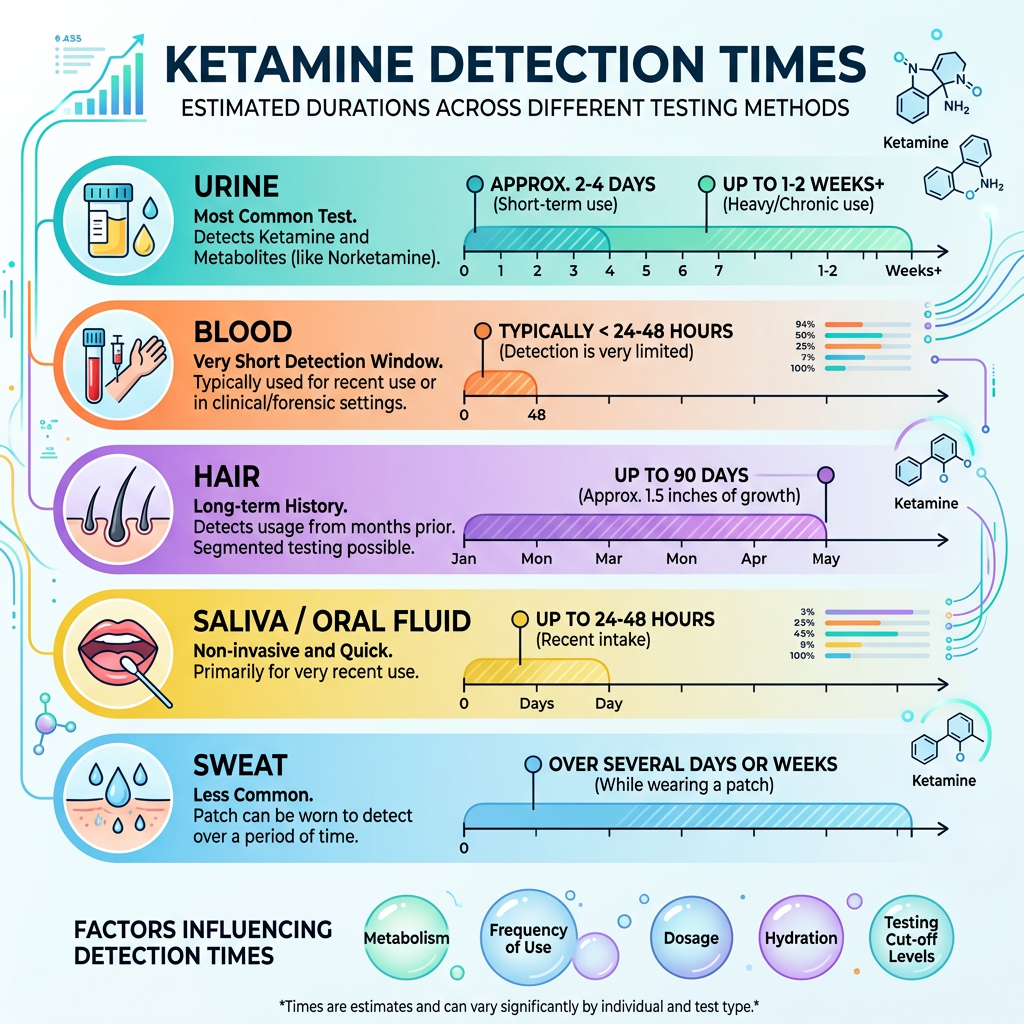
How long does Ketamine stay in your system?
How long does Ketamine stay in your system? As an experienced addictions clinician with over thirty years experience my question to that is: Why do you need to know? Is it because you are worried it will show up in a drug screen at work? Are you worried about being drug tested by the police…
Grace Kennedy
12:23 pm, July 2, 2026
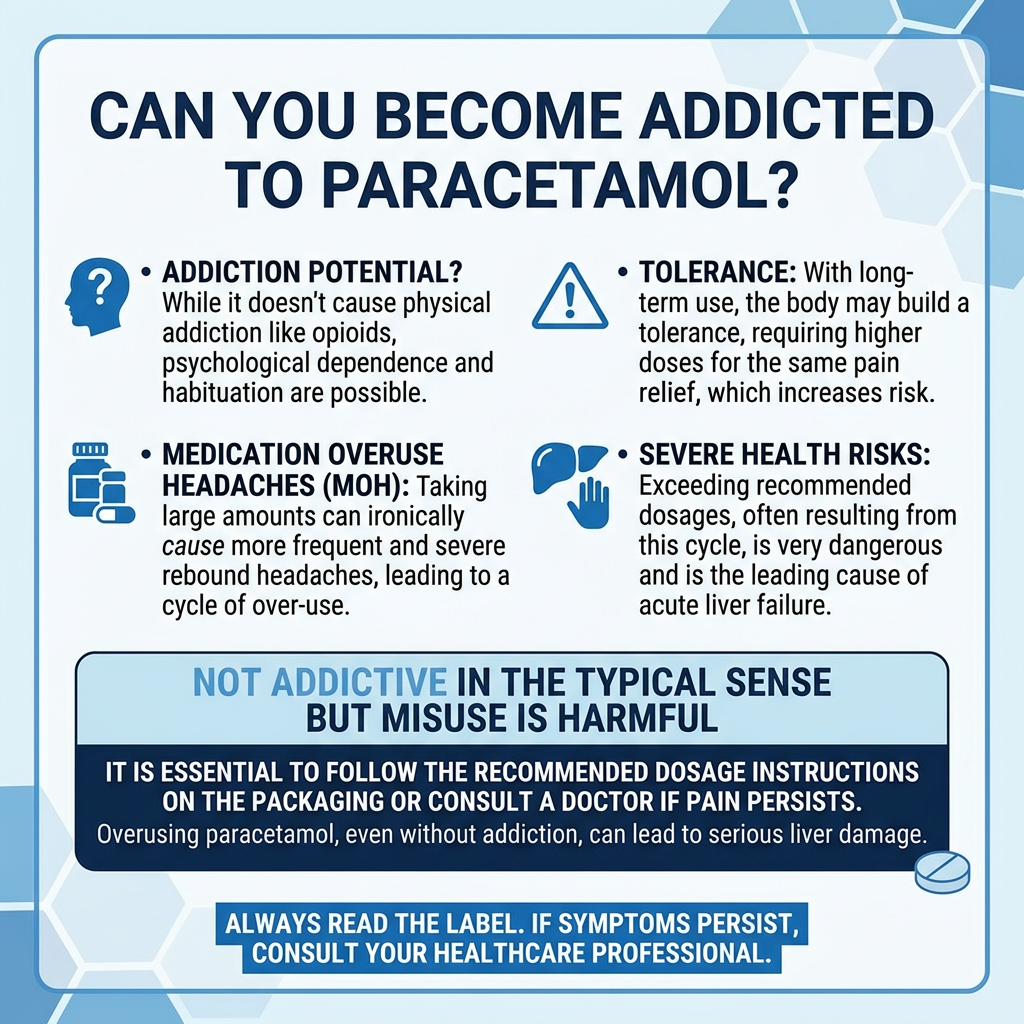
Can you become addicted to Paracetamol?
Can you become addicted to Paracetamol? No. Well not it in the same way you become addicted to heroin or alcohol as the way it affects the brain is different. That doesn't mean that some people are not addicted to taking it in the way that they take it, repeatedly. How does Paracetamol work? The…
Grace Kennedy
6:08 pm, June 26, 2026
Can you do a Methadone detox at home?
Can you do a Methadone detox at home? In theory: Yes. In practice: No. It is a nice idea that you can stay at home, take some methadone and your opioid use disorder is cured. Sadly it just doesn't work like that. In order to understand why this won't work you need to know what…
Grace Kennedy
6:49 pm, June 25, 2026