
Understanding the Rehab Admissions Process
July 4, 2025
9:00 am
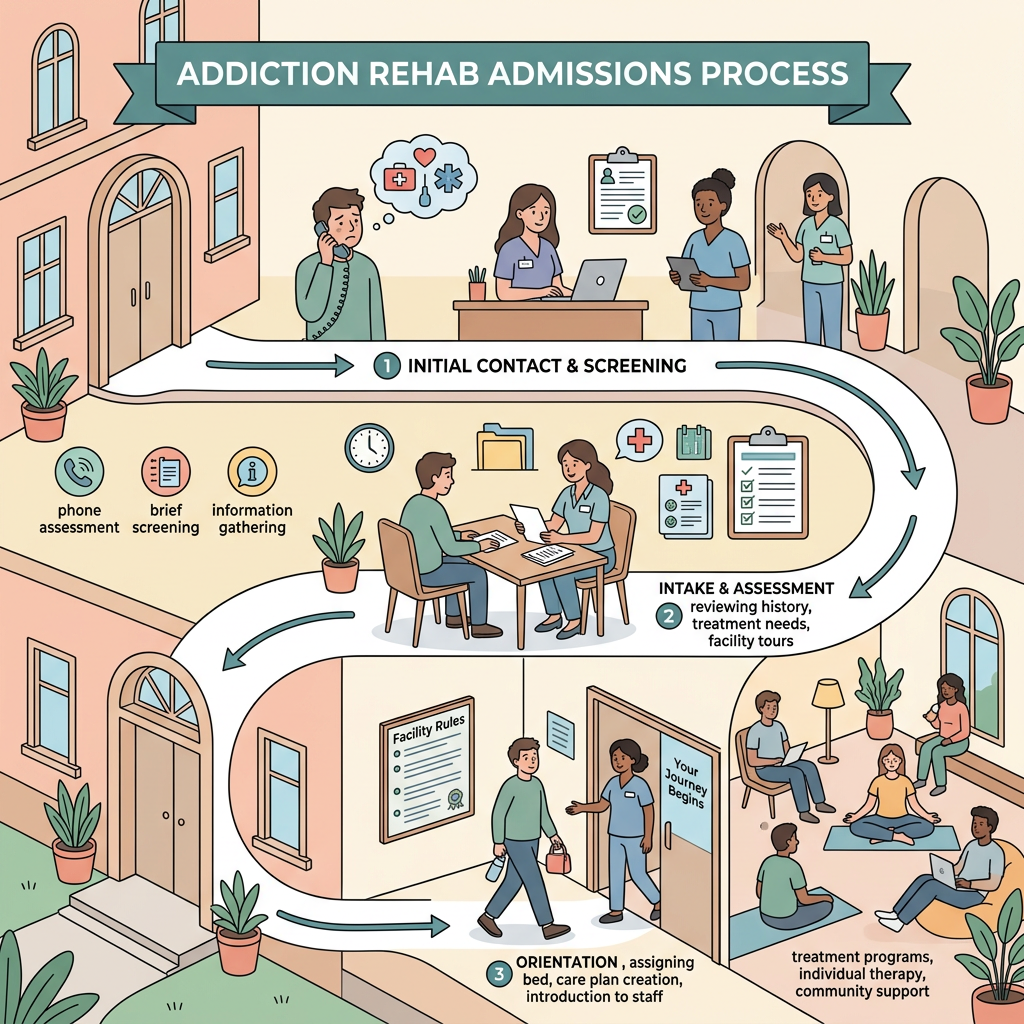
Table of contents
- Introduction
- Making the call
- What information will I be asked?
- After my pre-admission assessment, what happens next?
- How quickly can I be admitted?
- What happens on arrival?
- Why am I assessed, again, on arrival?
- Are there standardised processes to go through?
- What happens during the first 24-48 hours?
- Safety
- Medication
- The admissions process in rehab: Conclusion
- How can Find Me a Rehab help?
- Getting help
Introduction
The admissions process in rehab isn’t complicated but it is understandable that it can be anxiety provoking.
In denial: A term often associated with those caught up in addiction.
For those who have taken the powerful step to acknowledge and face up to their problem, reaching out for help is the next step in getting onto a trajectory of recovery and lifelong abstinence.
Understanding the admissions process in rehab is crucial for making this transition as smooth as possible.
The admissions process in rehab is nothing to be scared of.
Our experienced addictions clinicians have decades of experience in private rehabs and share their knowledge here, with you, in this blog.
Making the call
For some people, it may take years to reach the point when they pick up the phone so it is crucial that the process from enquiry to getting into treatment is as seamless as it can be.
Going into rehab requires careful consideration.
It is a major step forward, so it is essential that the process is robust and focused, solely, on the client and their treatment.
As someone supporting a loved one, friend, colleague, employee in treatment there are things you can do to help, and pitfalls to avoid.
As it is unlikely that someone arranging treatment has not done so before, there will be some trepidation about the unknown.
Rehab centres triage calls to ensure that they are able to provide the help the person needs.
Some centres do not provide treatment for heroin and opioid addiction while others have more intense medical and nursing cover to provide care for more high risk clients.
What information will I be asked?
Before someone can be admitted into rehab an assessment needs to be made.
This is usually done by a member of the admissions team and follows a standardised format.
Usually the following information is covered:
+ Name, address, date of birth and next of kin contact details (in case of emergency)
+ Drug and alcohol history including any previous treatment episodes and current usage
+ Medical history and current medications, allergies and disabilities
+ Criminal record/current criminal cases (Having a criminal record in no way means you won’t be admitted but forms part of the pre-admission risk assessment process).
Does my GP need to be involved?
Our clinicians always encourage clients to involve their GP but understand why you might not want to do this.
A medical summary may be required. The admin team at your GP surgery can provide this without having to know why it is required.
Modern day NHS GP computer systems allows them to create a summary with just a few key strokes.
If pre-admission blood tests are needed and you don’t want to involve your GP there are no shortage of private labs that will do this for you.
Once you have decided where to go to get help, and after a decision has been reached that the centre is able to provide the right treatment for you admission day soon arrives.
After my pre-admission assessment, what happens next?
On completion of your pre-admission assessment the admissions team will present the information to the in-house clinicians. This is to ensure that it will be safe for you to have treatment at the centre.
Sometimes, they might need to clarify information with you.
Usually, the final decision can be made the same day (if it is a weekday).
The admissions team will then contact you, arrange an admission date and take a holding deposit.
How quickly can I be admitted?
Admission to rehab is a pre-arranged intervention.
Rushing into the first rehab that will accept you is never a good idea.
While it might sound counterintuitive, you should never stop drinking or taking the drug you are seeking help with before admission. This would put you at very significant risk of an acute medical emergency.
Same day admissions are rarely possible. If it is you would need to get the ball rolling first thing in the morning.
Most centres will not admit on a Friday or weekend. This is for safety reasons.
The reason is that clinicians are usually on call at weekends and not on site.
Weekend admissions, at some centres, can be arranged though they may charge an uplift to cover calling in the clinician to admit you and script your medication.

What happens on arrival?
The phrase “checking into rehab” is often used in the press and on TV, but it is not quite as simple. You can’t just rock up to the reception desk, giving your credit card over and collecting a room key: And just as well!
Some clients, especially those dependent on alcohol, cannot stop taking their addictive substance before arriving and, thus, may be in a poor physical state on arrival. This is to be expected, and all centres are prepared for this.
Indeed, specialist transport can be arranged, from anywhere in the country, to get you to rehab safely.
As soon as you arrive you will be warmly greeted by a member of staff: a nurse, support worker or therapist.
Just walking through the door can be a very emotional experience and challenging for family members/friends/employers who may have driven the client to rehab.
A cup of tea, being shown to the smoking area, perhaps something to eat: A few minutes to acclimatize before the important process of admission begins.
Why am I assessed, again, on arrival?
The aim of the admission process is to obtain an accurate, and up to date, medical and social history to identify any issues not raised or identified in the pre-admission assessment.
All centres are registered with the Care Quality Commission (CQC) and, as such, will have transparent and very clear guidelines and standards on what information is needed when receiving someone into treatment.
Depending on the persons state of physical and emotional health not all aspects of the admissions process can always be completed immediately.
That is to be expected and, in any event, to complete the entire process in one go would be very tiring!
Are there standardised processes to go through?
During the admissions process in rehab, it is not uncommon for the following to be done:
- Blood pressure, heart rate, oxygen levels to be recorded
- Taking a urine drug screen and/or breathalyzer
- Drawing blood (for more complex cases)
- Confirming prescribed medications
- Reviewing the clients (and families) history of medical conditions and psychiatric illness
- Explaining and agreeing the treatment plan and center ethos/undertakings (rules)
- Finalizing payment
- Completing an inventory of personal items not kept in secure storage at the center
- Showing the client around the center: Fire exits, treatment room (medication) therapy rooms, dining room, etc.
What happens during the first 24-48 hours?
Centres stagger admissions, throughout the day, to ensure a safe and calm admission, thus it is important to keep the center updated if you are running late.
After the stages, above, those who are needing a detox will be assessed as to whether it is safe to begin. For some alcohol clients it could be that they need to start immediately. The whole emphasis is on safety.
If the person is physically well enough then they can join a therapy group that day.
No one expects you to remember everyone’s name on your first day or to be sociable.
You are in a new environment in which you are going to change your life.

Key Takeaways
- The admissions process in rehab can be anxiety provoking but is essential for a smooth transition into recovery.
- Individuals may need to provide personal, medical, and history details during the admission assessment, which includes a review of their drug and alcohol use.
- Clients should not stop their substance use before admission, and rushing into any rehab facility is not advisable for safety reasons.
- Upon arrival, clients will undergo further assessments to ensure a detailed understanding of their health needs and treatment requirements.
- Experienced clinicians at Find Me a Rehab offer free, confidential advice to guide you through the admissions process in rehab.
Safety
All centres have policies on clinical and safety observations for the initial period of treatment: It depends, entirely, on the persons medical and social history as well as their current drug/alcohol use.
Some clients may need to be observed every hour, some less frequently, but there needs to be some degree of checking, at least, for the first few days.
Medication
If you are on prescribed medication (which you need to take with you) this will be stored and dispensed to you. Some medications may be kept for self-administration depending on local guidelines.
Any alternative/Chinese medications must be shown to staff so that the clinician can check to see that they are safe to take with prescribed medications.
Many alternative/Chinese medications can seriously interact with prescribed medications so it is essential that clinical staff check them.
The admissions process in rehab: Conclusion
Going into treatment is a leap in the dark. You are entrusting strangers with your physical and psychological health. They will see you as you flourish, and when you struggle.
You will be surrounded by people with a shared goal: Recovery. It will be challenging.
In rehab, you will be dealing with emotions you would rather steer away from. For those who need a detox, even with the best doctors and nurses in the world, it can be testing. However, the end result is the focus.
A safe and effective treatment plan in a rehab center relies on many links in the chain, admission being one of them.
The staff will do everything they can to put you at ease, make you feel welcome and help you to settle in. They have the skills and experience to ensure you are at ease, valued and left with a feeling of safety and security.
How can Find Me a Rehab help?
We are addictions clinicians.
With decades of experience, each, we have the knowledge to guide you in the right direction when seeking rehab for addiction.
Our experience has been gained in prisons, private hospitals, private rehabs, NHS red care addiction GP clinics, local authority funded residential rehabs and statutory service community addiction services.
Our service is free. We never charge for advice or treatment referrals.
We only signpost to legally registered centres
All calls,emails and live chats are treated in the strictest of confidence.
As clinicians, we understand the admissions process in rehab.
Getting help
Our experienced addictions clinicians offer free and confidential help to anyone needing advice on any aspect of addiction including detox, rehab, home treatment, therapy, relapse prevention and aftercare.
You can call, email or live chat with one of our clinicians who can discuss treatment options, treatment plans, locations, costings and logistics.
We understand the admissions process in rehabs.
Need help finding the right rehab for you or a loved one? Get in touch today and take the first step toward recovery.
Speak to usRecent Posts
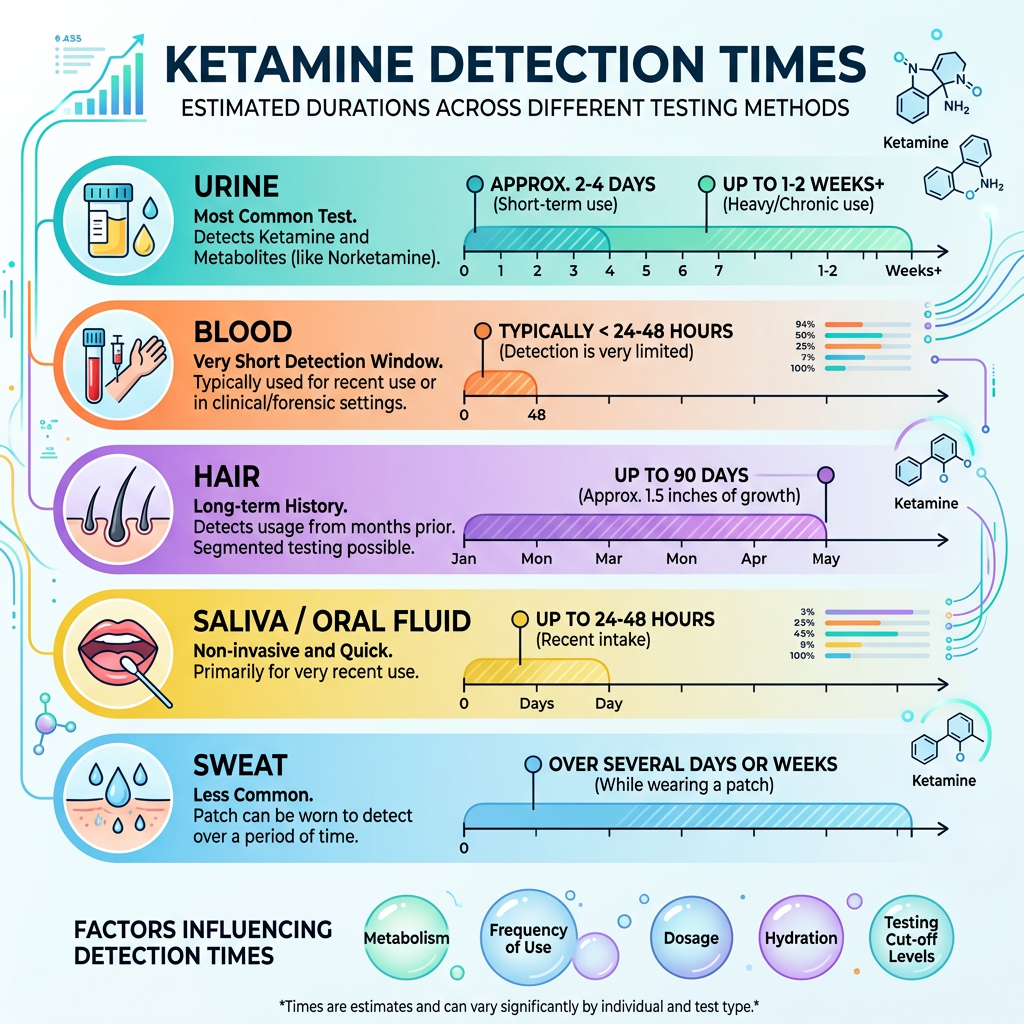
How long does Ketamine stay in your system?
How long does Ketamine stay in your system? As an experienced addictions clinician with over thirty years experience my question to that is: Why do you need to know? Is it because you are worried it will show up in a drug screen at work? Are you worried about being drug tested by the police…
Grace Kennedy
12:23 pm, July 2, 2026
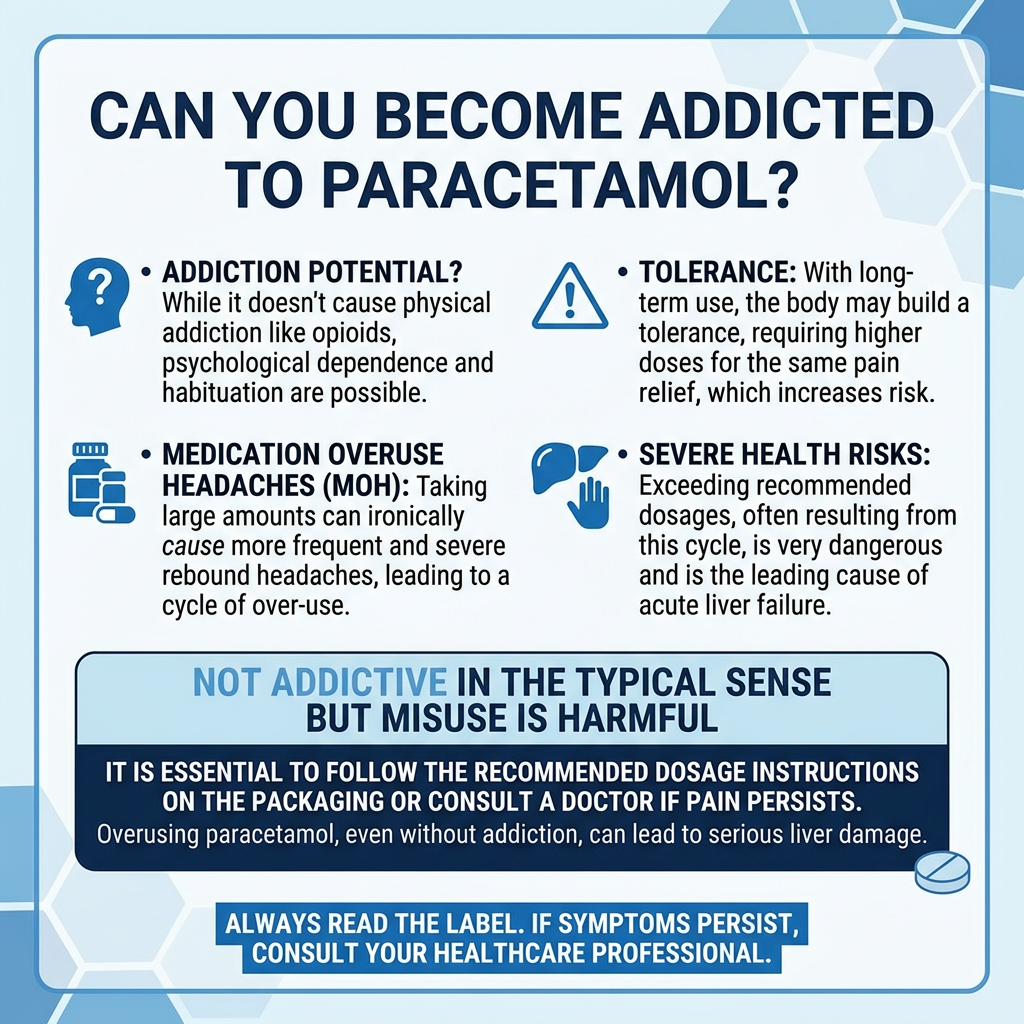
Can you become addicted to Paracetamol?
Can you become addicted to Paracetamol? No. Well not it in the same way you become addicted to heroin or alcohol as the way it affects the brain is different. That doesn't mean that some people are not addicted to taking it in the way that they take it, repeatedly. How does Paracetamol work? The…
Grace Kennedy
6:08 pm, June 26, 2026
Can you do a Methadone detox at home?
Can you do a Methadone detox at home? In theory: Yes. In practice: No. It is a nice idea that you can stay at home, take some methadone and your opioid use disorder is cured. Sadly it just doesn't work like that. In order to understand why this won't work you need to know what…
Grace Kennedy
6:49 pm, June 25, 2026