
Early Intervention in Addiction: Why It Matters
August 16, 2025
11:25 am
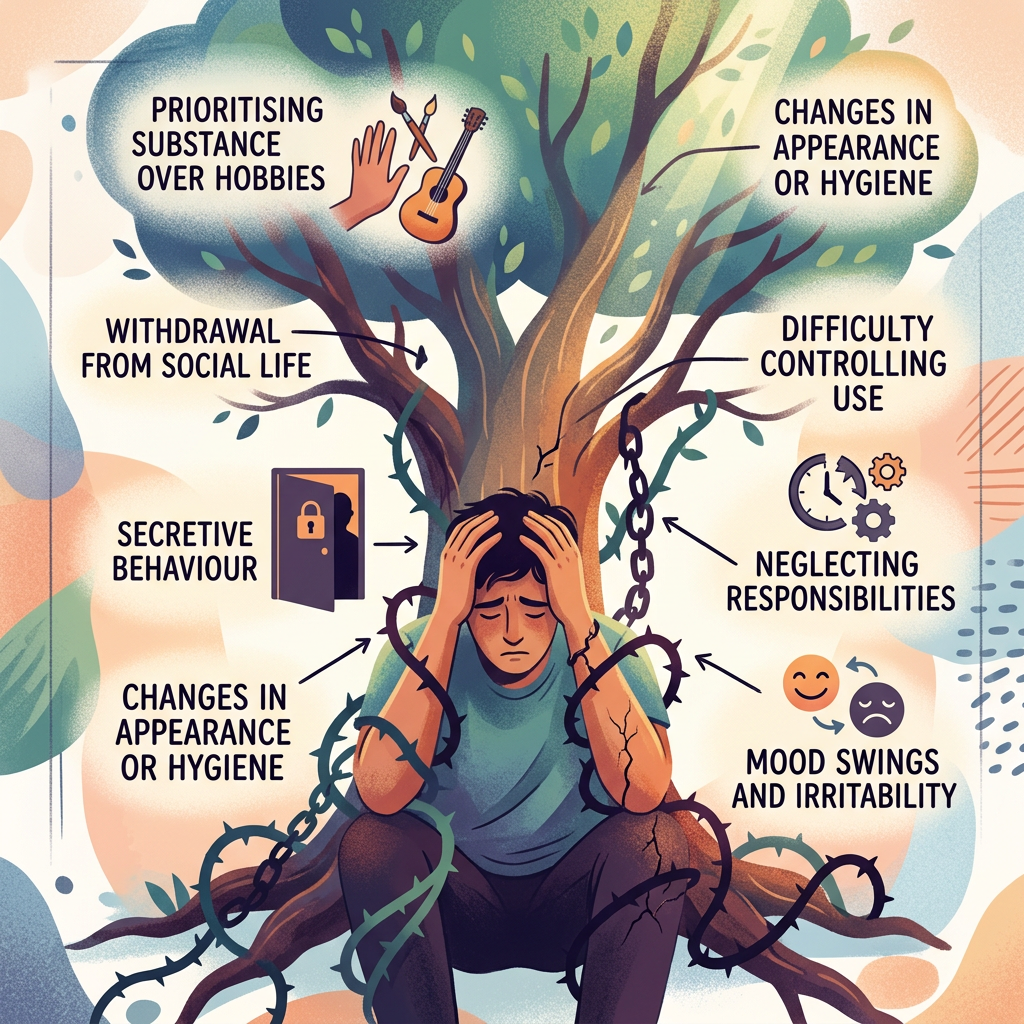
Table of contents
- Introduction
- Why do I need advice from an addictions clinician?
- What is Early Intervention when recognising signs of addiction ?
- Spotting the signs of addiction:
- How can you support someone who is experiencing addiction?
- How can Find Me a Rehab help with recognising signs of addiction?
- Getting help with recognising signs of addiction
Introduction
Recognising signs of addiction is not easy, even for seasoned healthcare professionals.
Addiction is a very serious illness. Recognising signs of addiction is crucial for early intervention.
Just as with any medical intervention for a serious illness: The earlier the intervention, the better.
Our experienced addictions clinicians have been treating people caught up in addiction for decades and they will all tell you the same thing: The earlier the problem is tackled the easier it becomes to treat.
In this article our experienced addictions clinicians share their experience and knowledge with you so that you can make an informed choice.

Why do I need advice from an addictions clinician?
Working with an experienced addictions clinician as well as an addictions therapist and a 12 step or SMART support group, together with appropriate and boundaried support from loved ones, friends and colleagues is not just a paper exercise. It is a lifeline and will put you on a trajectory of recovery.
Recognising and acting on signs of addiction can aid in this process significantly.
Being able to see the signs of addiction can be a challenge, even for experienced addictions clinicians.
If you can identify the signs and get early intervention for someone caught up in addiction, the sooner they can get the help they need. Addiction claims lives: Recovery saves them.
There is help for everyone: Whether you can afford to pay, have insurance or want to use the free services provided by your local council.
What is Early Intervention when recognising signs of addiction ?
Early intervention is a proactive process that is aimed at helping someone caught up in addiction to get the help they need.
The focus is not just solely around addressing addiction at its early stage but also around moulding a lifelong trajectory of recovery and abstinence while recognising signs to prevent relapse.
How Does Early Intervention Help?
- Slows down/stops disease progression: Early intervention can slow down, and even stop, the progression of addiction. Recognising signs of addiction early can enhance this effect.
- Enhanced treatment outcomes: People who receive early help will recover faster, and for longer. The sooner someone engages, the more a treatment plan can be individually tailored to an individual. This, in turn, means a higher chance of long-term abstinence.
- Lower incidence of complications: Addiction can cause serious medical complications as well as mental health conditions and social problems. Getting help early can mitigate these complications in those recognising signs of addiction early on.
- Increased family support: The family, friends, loved ones, employers and colleagues of someone battling addiction play an absolutely pivotal role in someone’s recovery from addiction. The sooner they get on board, the stronger the support they offer and the high the chance that the person will recover quickly for longer.
Key Takeaways from recognising signs of addiction
- Recognising signs of addiction is crucial for early intervention and improves chances of recovery.
- Early intervention can slow addiction progression, enhance treatment outcomes, and reduce complications.
- Common signs of addiction include reduced work performance, physical symptoms, poor mental health, and behavioral changes.
- Supporting someone with addiction involves understanding, open communication, and promptly seeking professional help.
- Find Me a Rehab offers free, confidential advice and assistance to individuals dealing with addiction.
Spotting the signs of addiction:
While recognising the early signs of addiction is crucial, it is not an exact science and even experienced addictions clinicians can struggle to spot them. However, there are some common themes to look out for when recognising signs of addiction:
- Reduction in work performance: Constant periods of sickness from work/university, reduction in efficiency at work can be major indicators of drug use.
- Physical Symptoms: Constant episodes of physical ill health, poor attention to physical appearance, weight loss can be indicative of drug use.
- Poor Mental Health: Constant low mood, increased anxiety and bouts of irritability are often associated with drug use.
- Behavioral Changes: Someone caught up in the madness of addiction will often demonstrate mood swings and withdrawal from social gatherings. Someone who uses drugs and alcohol may well experience significant cravings.

How can you support someone who is experiencing addiction?
- Read up on addiction: The more you know about the trajectory of addiction and how it takes hold of someone, the more you can do to support someone and help them find the right help. Recognising signs of addiction can be the first step in this journey.
- Be ready for a difficult conversation: Always be ready to be compassionate and understanding. The more honest and open you are about how worried you are about them the more likely it is that they will accept help.
- Speak to a professional: Call and speak to an experienced addictions clinician for free, independent and confidential advice. We can advise you on where to seek help.
- Don’t wait: Addiction is a very serious illness with a high mortality rate. It will not get better on its own.
- Act Promptly: The sooner you take action, the better the chances of effective intervention. Delaying intervention can lead to worsening addiction and more complex treatment challenges.
How can Find Me a Rehab help with recognising signs of addiction?
We are experienced addictions clinicians with decades of direct clinical experience of helping people caught up in addiction in prisons, private hospitals, shared care NHS GP services, local authority commissioned residential and outpatient provisions and private rehabs.
Our advice is always free (and we don’t charge for referrals) and your call/email or live chat will be treated in the strictest of medical confidence.
We can signpost you to your local authority funded (free) service or a low cost private service.
Getting help with recognising signs of addiction
Call, email or live chat with an experienced addictions clinician on any aspect of addiction, home treatment, rehab, detox, therapy, relapse prevention and aftercare.
Our clinicians can advise on treatment plans, treatment options, locations, costings and logistics.
We use an app which means if you call our 0333 041 9922 number, whichever clinician is free will take your call meaning the phone will always be answered 24/7, 365.
Should you decide on admission, this can be arranged for you by one of our experienced addictions clinician without charge.
We only signpost to legally registered services.
Need help finding the right rehab for you or a loved one? Get in touch today and take the first step toward recovery.
Speak to usRecent Posts
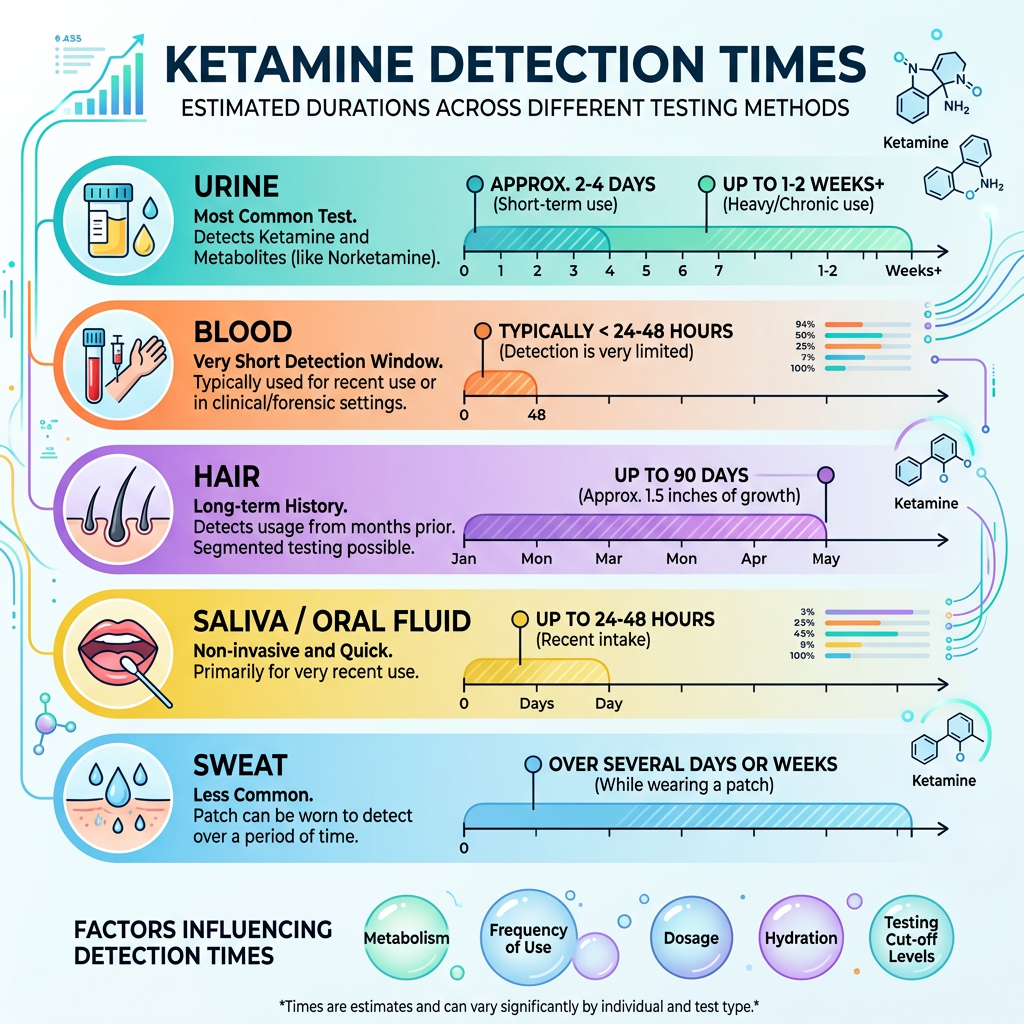
How long does Ketamine stay in your system?
How long does Ketamine stay in your system? As an experienced addictions clinician with over thirty years experience my question to that is: Why do you need to know? Is it because you are worried it will show up in a drug screen at work? Are you worried about being drug tested by the police…
Grace Kennedy
12:23 pm, July 2, 2026
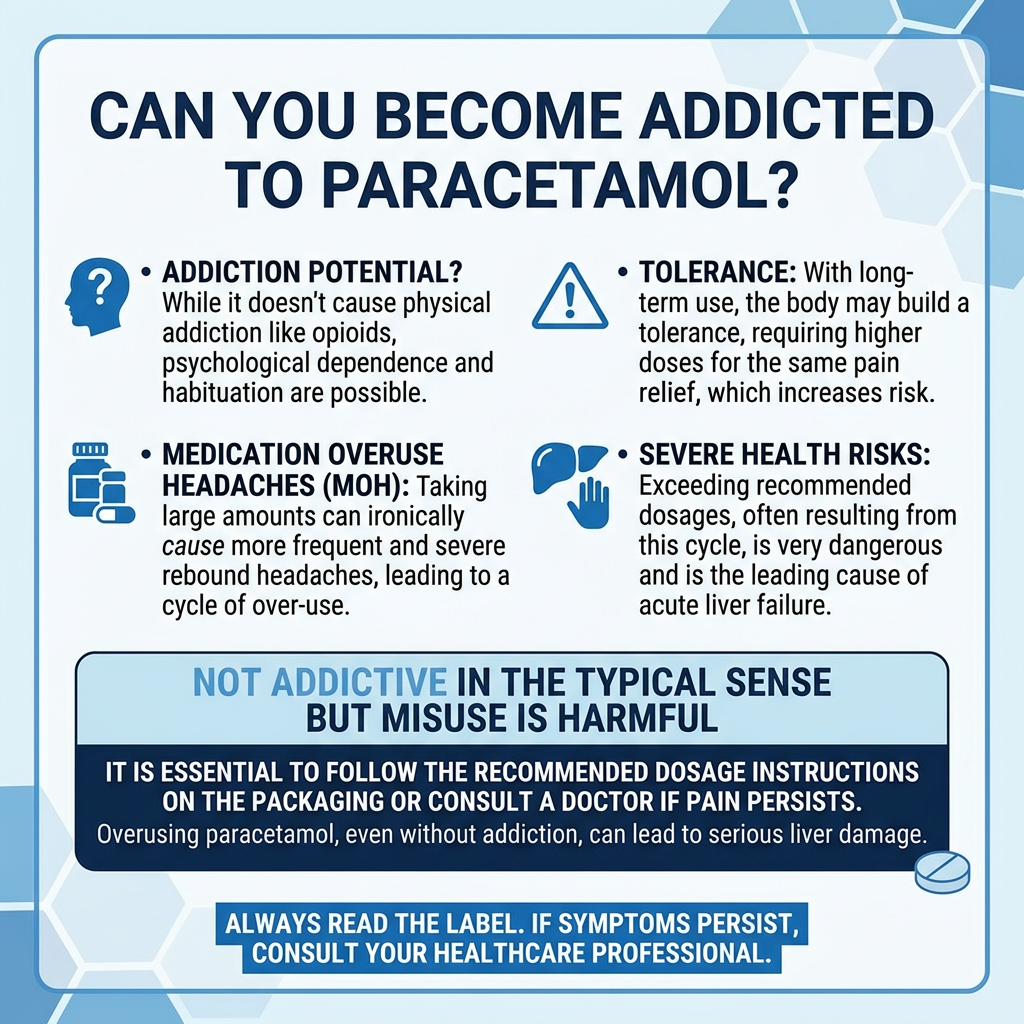
Can you become addicted to Paracetamol?
Can you become addicted to Paracetamol? No. Well not it in the same way you become addicted to heroin or alcohol as the way it affects the brain is different. That doesn't mean that some people are not addicted to taking it in the way that they take it, repeatedly. How does Paracetamol work? The…
Grace Kennedy
6:08 pm, June 26, 2026
Can you do a Methadone detox at home?
Can you do a Methadone detox at home? In theory: Yes. In practice: No. It is a nice idea that you can stay at home, take some methadone and your opioid use disorder is cured. Sadly it just doesn't work like that. In order to understand why this won't work you need to know what…
Grace Kennedy
6:49 pm, June 25, 2026