
How to Help Someone Struggling with Addiction
February 23, 2026
6:23 pm

Introduction
Addiction is a very serious illness.
Left untreated it can be fatal.
With the right treatment, anyone can overcome addiction.
It takes a lot of effort and there will be bumps in the road.
Helping someone is not easy but, with the right approach, you can make a real difference.
Helping, not enabling is the key.
Let our experienced addictions clinicians share their experience with you.
Addiction is not a choice
Addiction is messy. It is complex and destructive. If you’re wondering about helping someone who’s addicted, it is important to remember that it is not a choice and is not to be laughed at. In this article, we’ll discuss practical advice for helping someone who’s addicted and what to keep in mind during the process.
Recovery is possible but it comes only with effort, determination and the right help.
When you find out someone you care about is caught up in the madness of addiction your instinct is to rescue them. Forget it: You can’t.
What you can do is help them. You can be empathetic, boundaried and realistic. When you support them, without enabling them, you set the groundwork for recovery.
If you jump in, pay off their drug debts, buy them alcohol and make excuses it is akin to giving a diabetic in a hyperglycemic coma a chocolate bar: You think you are doing the right thing but you are, actually, making it worse.
Help: Don’t rescue
The fact that you are reading is means that either you stumbled across this site by accident or you are worried about someone you love.
Addiction is probably not something you expected to have to deal with. Problems within families and relationships come about: some quickly (an accident or sudden death) or slowly: Decent into depression and addiction being two examples.
Think you don’t know what to do? Ask yourself: Why should you? Addiction is a chronic illness that needs understanding.
You are not alone. Let our experienced addictions clinicians, who work in rehab centres, give you the benefit of their experience.
Our clinicians suggest that there are six phases to supporting a loved one caught up in addiction.

Phase one: Learn More About Addiction
Knowledge is power.
The more you know about addiction the more you will be able to support someone caught up in the middle of it.
Addiction is a very serious, chronic illness. It is a disease not the result of poor life choices.
Overcoming addiction has nothing to do with willpower or motivation. You can no more cure a broken leg with willpower than you can addiction.
Addiction, just like any other serious and chronic condition affects a person in many ways. It takes it’s toll on a persons physical health as well as their psychological wellbeing and their social standing.
When you are able to view addiction through a lens of knowledge and understanding, your thinking will shift from feeling overwhelmed to empathy.
Phase Two : Setting Healthy Boundaries
Easier to do than to say but essential.
Parachuting in and trying to rescue the person is never going to work.
If you pay off their drug debt, allow them to take drugs in your house and make excuses for them you might as well be injecting them.
In time, if you enable them, you will find yourself defending that person against other members of the family.
Setting boundaries is not being punitive, it is about protecting yourself and helping the person.
Phase Three : Encourage The Person To Seek Professional Help
Recovery is absolutely possible but it doesn’t happen in isolation. It isn’t something you can treat at home amongst the family. You wouldn’t try and remove someone’s appendix on your kitchen table so what makes you think you can cure addiction at home without professional help?
There are four, really important, things you can do to help:
- Signpost a loved one towards a rehab, local authority service or this website
- Direct them towards an addiction specialist therapist
- Consider attending family therapy with the person
- Compile a list of local support groups for your loved one
Helping Someone Who’s Addicted: Key Takeaways
- Addiction is not a choice; it is a complex, chronic illness requiring understanding and empathy.
- Support the person without enabling them; set healthy boundaries for their recovery journey.
- Encourage professional help; addiction cannot be treated at home and requires specialized care.
- Involve family members if necessary; a united approach can make a significant impact.
- Prioritize self-care; you cannot help others effectively if you are burnt out.
Phase Four: Consider Involving Other Family Members
You have read up on addiction. You have learned what causes it and how it can be overcome. Your attitude has changed and you are no enabling. The problem is, the person you care about is still in active addiction.
This happens. You have done everything you can. Do you admit defeat or try something else? You feel that, without urgent help, the person you care about will not come out the other end.
At this point you may want to involve others in your family circle. A family meeting may be useful. This is not about putting pressure on someone or ganging up on them. Commonly, family members react differently to different members of the family. This is normal. So, if you haven’t been able to effect change, what harm is their in someone else trying?
Planning is the key
When organising a meeting there are several things to consider:
- Planning: Everyone attending needs to be aware of the need for behaving in a respectful and effective manner. Shouting, screaming and pleading won’t work.
- Unity: If everyone sings from the same hymn sheet, the message is consistent.
- Conversation not lecturing: Allow each person to share their concerns and how the persons addiction has impacted them.
- Boundaries not ultimatums: Setting an ultimatum very often fails. If you don’t keep to it: What next? By explaining what the family will do and what it won’t, the person caught up in addiction has very clear indications of what is and what is not: acceptable.
Phase Five: Self Care
If you are burnt out and exhausted you can not help anyone.
If you call a breakdown service because your car has broken down on the motorway you expect a big shiny truck to come and rescue you, not a clapped out truck, with a smoky exhaust, that clap’s out with your car on the back of it. Same principle applies.
Get support! A therapist, support group, speak to your GP: Do something.
Phase Six: Don’t Stop Believing
Sounds cheesy but recovery is not a 100 meter sprint. It is more of a Royal Marines romp over the Brecon Beacons.
Recovery is possible. It does happen. Everyone has the potential to recover if they want to and are prepared to do the work.
People, in active recovery, can achieve much more than you can imagine.
Your steady presence, boundaried support and informed approach could be the catalyst.

Free Advice and Referrals From an Addictions Clinician
You can get free and confidential advice from an experienced addictions clinician.
We have worked in centres
Our concerns is, solely, that you find the right centre at the lowest cost.
We only signpost to legally registered centres.
Our service is registered with the Information Commissioner’s Office.
Need help finding the right rehab for you or a loved one? Get in touch today and take the first step toward recovery.
Speak to usRecent Posts
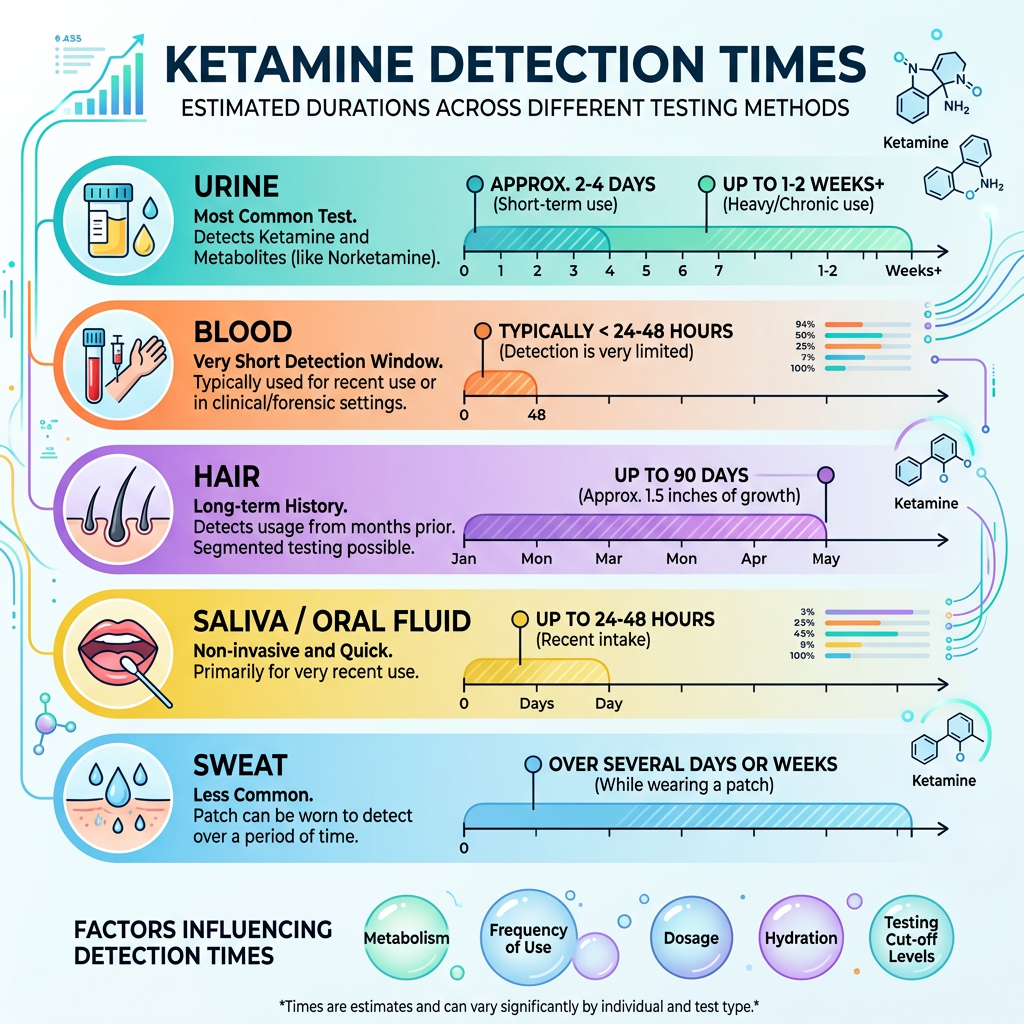
How long does Ketamine stay in your system?
How long does Ketamine stay in your system? As an experienced addictions clinician with over thirty years experience my question to that is: Why do you need to know? Is it because you are worried it will show up in a drug screen at work? Are you worried about being drug tested by the police…
Grace Kennedy
12:23 pm, July 2, 2026
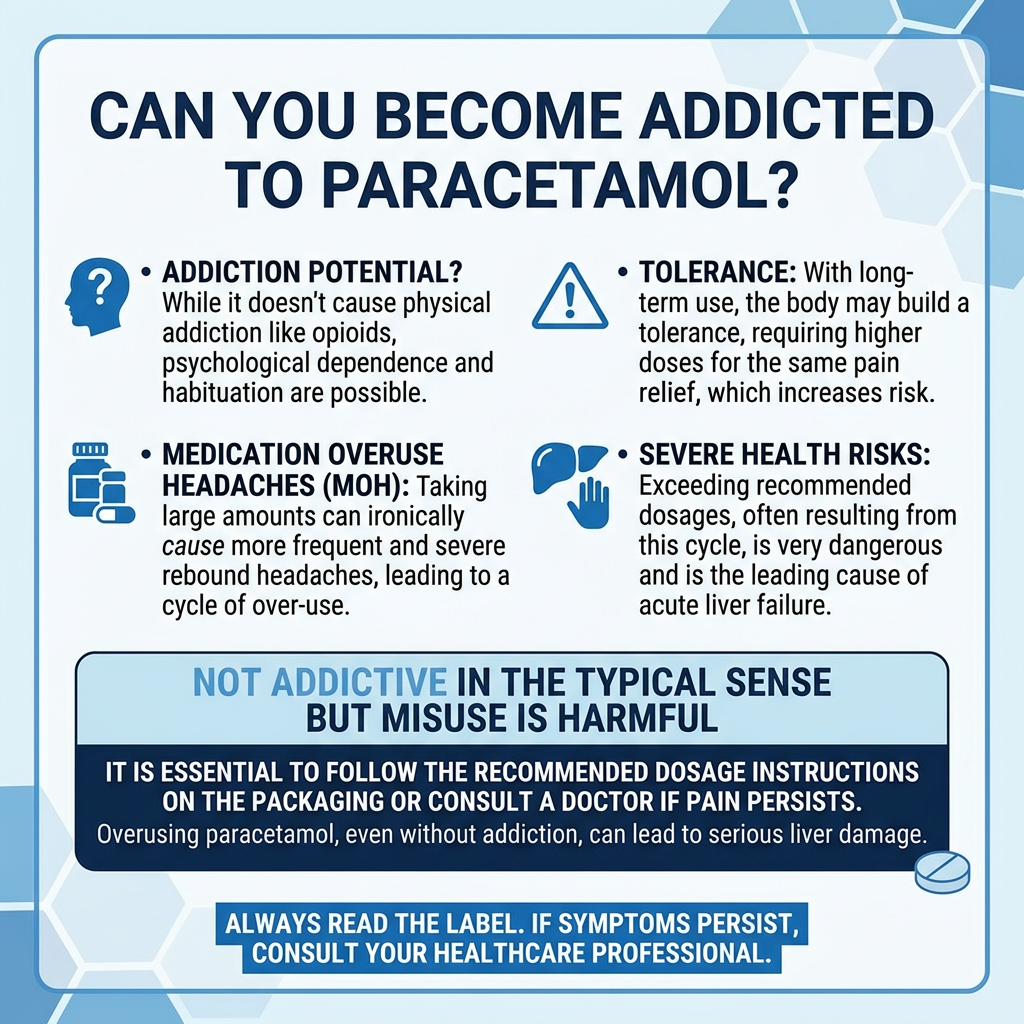
Can you become addicted to Paracetamol?
Can you become addicted to Paracetamol? No. Well not it in the same way you become addicted to heroin or alcohol as the way it affects the brain is different. That doesn't mean that some people are not addicted to taking it in the way that they take it, repeatedly. How does Paracetamol work? The…
Grace Kennedy
6:08 pm, June 26, 2026
Can you do a Methadone detox at home?
Can you do a Methadone detox at home? In theory: Yes. In practice: No. It is a nice idea that you can stay at home, take some methadone and your opioid use disorder is cured. Sadly it just doesn't work like that. In order to understand why this won't work you need to know what…
Grace Kennedy
6:49 pm, June 25, 2026