
Effective Ways to Support an Addict
September 22, 2025
8:02 am

Table of contents
- Introduction
- How to Help an Addict: Signs & Symptoms of Addiction
- Tips on How to Help Someone With Addiction
- Educate Yourself About Addiction to know How to help an addict
- Encourage Them to Seek Treatment
- Looking after yourself when wanting to know How to help an addict
- Avoid Enabling Their Behavior
- Be realistic when you want to know how to help an addict
- Provide Emotional Support
- Check In With Them
- Take Care of Yourself
- Separate the Disease From the Person
- Understand That Recovery Is Lifelong
- What to avoid
- What If Someone Refuses Help with addiction?
- How to Help an Addict: Conclusion
- Use our experience
- Getting help
Introduction
How to help an addict?
An age old question that can be difficult to answer but not impossible!
If you are searching for how to help a loved one struggling with drug and alcohol addiction we have some useful tips and advice for you.
Helping a loved one caught up in the madness of addiction means more than just kind words and holding their hand when they are in distress: it is about being actively involved by providing intentional support.
To be able to do this you need to educate yourself as to what addiction is, working collaboratively with them on a treatment plan and actively avoiding behaviours that enable their addiction.
You can actively encourage a loved one to seek help, make changes and thrive in recovery.
How to Help an Addict: Signs & Symptoms of Addiction
If you can recognise the signs of addiction you are in a better position to support them into recovery.
Many, caught up in the madness of addiction, will actively try and hide their symptoms, so if you are able to identify signs, early on, your loved one has a better chance of long term recovery.
If you get it wrong you run the risk of upsetting someone. However, not saying anything could have far more serious implications.
What to look for when you want to know how to help an addict
Common signs and symptoms of addiction include:
- Poor attention to appearance and hygiene
- Being evasive about drink/drug use
- Poor sleep patterns
- Looking underweight/pale
- Unexplained mood changes
- Strained relationships with relatives, colleagues and friends
- Getting angry when confronted about use
- Lack of interest in relationships, work, hobbies
- Stealing from family, friends and employers
Tips on How to Help Someone With Addiction
Supporting a loved one caught up in the madness of addiction is not an easy path.
Recovery is a lifelong commitment so if you are to offer support you need to be armed and ready.
You also need to look after yourself as there can be a great degree of emotional strain involved.
Here are some tips on how to help someone with addiction:
Educate Yourself About Addiction to know How to help an addict
Education, education, education: As Tony Blair used to say.
However, in this context it is essential. If you learn as much as you can before the addiction reaches crisis point you are in a much better place to support someone.
Be mindful of where you get your information from as the internet can be a dangerous place full of misinformation and salespeople.
Encourage Them to Seek Treatment
Encouragement does not mean taking over but you can offer to arrange an initial appointment. Perhaps you might be able to drive them there or, with permission, sit in on an assessment.
Looking after yourself when wanting to know How to help an addict
It can be very productive to engage in therapy for yourself while supporting a loved one seeking treatment for addiction.
Invariably, there will be complex family issues that crop up and being able to explore these in a place of calmness can be godsend. It can help you to recharge and refocus.
Avoid Enabling Their Behavior
Living with an addict is not easy.
Their behaviour can ware you down and giving in to their behaviours can seem like a solution: it isn’t.
You may not be aware that you are doing it. Every family is unique.
There are different roles played by members of families with differing expectations.
Be realistic when you want to know how to help an addict
Addiction can take years to manifest and/or before you see the signs.
Recovery is a marathon and not a sprint.
Often, well meaning family members set goals for their loved one that are unachievable: At least in the short term.
Recovery will include relapses: This is to be expected.
Managed appropriately, they can be managed.
Provide Emotional Support
Everyone going though the turmoil of addiction experiences different emotions and physical symptoms.
Genuine emotional support , demonstrated with words and actions, can really help your loved one make the decision to get help.
Their reality is going to be very different from yours so it is important to be mindful of what you say.
Check In With Them
Keeping in regular contact with a loved one struggling with addiction demonstrates your support.
You don’t need to focus on their addiction, in fact it is better that you don’t.
Simply asking how they are or if there is anything you can do to help them can make all the difference.
If they are not ready to accept help they know where to reach out to when they are.
Take Care of Yourself
Looking after yourself while a loved one is struggling with addiction is not being selfish: It is essential.
Your health and happiness is just as important as your relatives recovery.
If you are well, rested and calm you are in a much better position to support them.
Separate the Disease From the Person
Your loved one caught up in addiction is still your loved one.
While their addiction has taken over their life it is not the totality of who they are.
Getting therapy for yourself, learning about addiction can help you to see this.
The more you know about addiction and the more you are able to separate the addiction from the person the better position you are in to help them achieve abstinence.
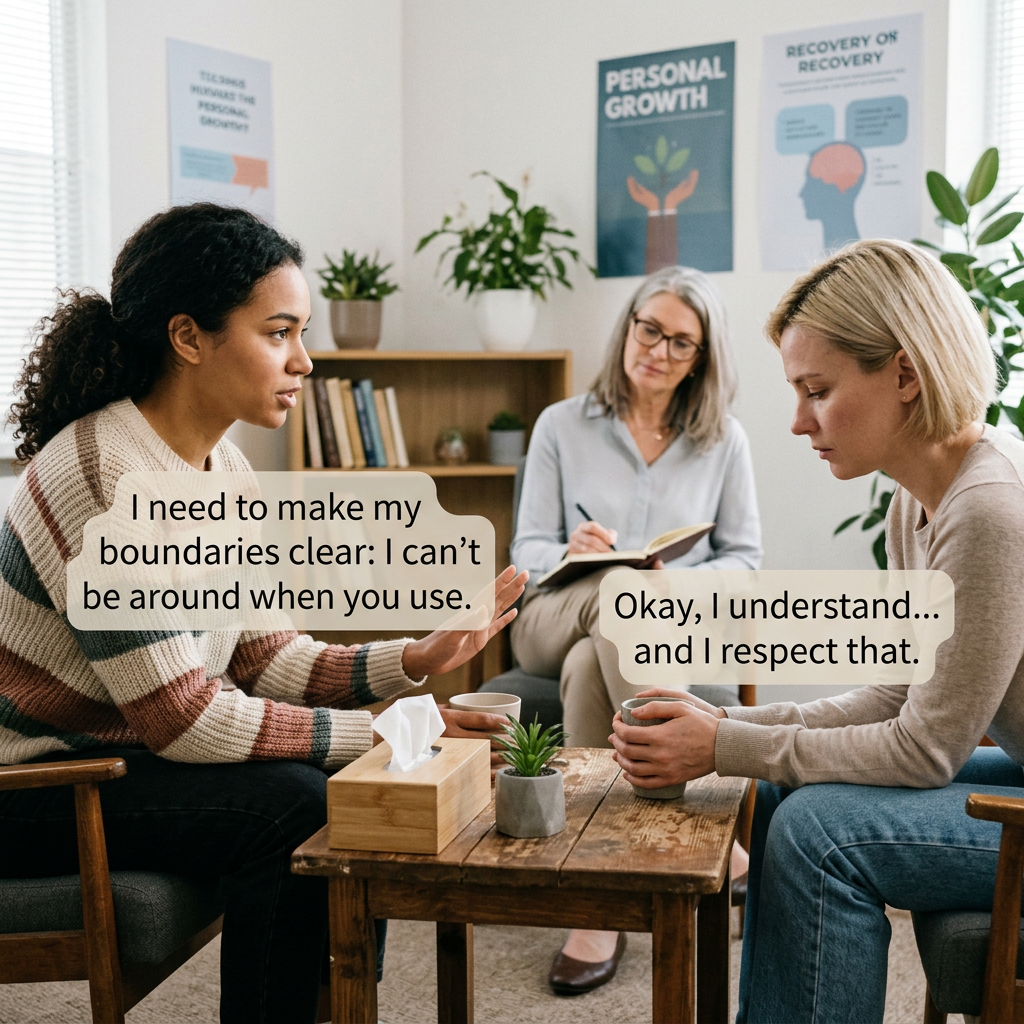
Boundaries
Where boundaries are too loose, addiction is able to thrive.
This is because there is no positive expectations being put on that person to recover.
With clear and positive boundaries it is possible to move the dynamics within a family set up.
For some it can be incredibly difficult to find the right balance between compassion and codependency. A family therapist can assist with this process.
Key Takeaways
- Understanding how to help an addict involves recognizing their signs and symptoms for better support.
- Educate yourself about addiction and encourage your loved one to seek treatment without taking control.
- Set realistic expectations for recovery, provide emotional support, and remember to take care of yourself too.
- Avoid enabling behaviors and separate the addiction from the person, maintaining healthy boundaries.
- If a loved one refuses help, continue to offer support while respecting their autonomy and focusing on your well-being.
Mistakes will happen
Recovery is not an easy trajectory.
It is more of a cobbled road than a newly tarmacked one.
Relapse happens and are to be expected. Learning how to manage a relapse and navigate a path out of one can make all the difference.

Understand That Recovery Is Lifelong
Recovery is for life just a a pet is not just for Christmas.
There are many different trajectories that people can take in recovery.
It will take different forms at different stages.
There is no gold standard and the process can be fluid.
Here at Find Me a Rehab we have highly experienced addictions clinicians and addictions therapists who can provide 24 Hour Rehab Advice.
All calls and emails are treated in the strictest of confidence.
Our advice is free and completely confidential. If you need Free Clinician Drug Advice: Call or email us.
What to avoid
When a family member makes the realisation that someone in their family network is caught up in addiction, their natural reaction can be to want to get that person in a treatment centre the same day.
This is about dealing with their own anxiety and not that of their loved one.
Unless your relative is motivated and ready to get into recovery such an attempt will be fruitless.
Addiction is often the symptom of a much deeper problem, often childhood trauma.
It is not simply a matter of not using drink or drugs again.
Be prepared for bumps in the road
There can be false starts along the way but that does not mean that your loved one is not giving it their all: Be prepared for this.
Giving up on someone is the easy option.
The most challenging moments can often be the catalyst for change.
What If Someone Refuses Help with addiction?
Addiction is a very serious illness with a high mortality rate.
It is a very complex condition where those caught up in it are likely to be resistive to help: at first.
The fear of abstinence can be overwhelming.
The person who needs help may well conjure up hundreds of reasons as to why you can not help them.
If you can not deal with this then you may not be the ideal person to help.
The person you are trying to help may well blame you for their problems: This is normal.
You have to understand that this is not something you can control and it is not within your power to make them accept help.
Even if your loved one does not accept help you can continue to show positive support and maintain clear boundaries.
How to Help an Addict: Conclusion
Addiction doesn’t happen overnight.
No one has the desire to become an addict anymore than someone chooses to be diabetic.
It can occur for many, many different reasons and in families that have never encountered such issues before.
Don’t blame yourself if you do not spot the signs and don’t take on more than you can deal with.
If you don’t look after yourself you can not properly support someone needing help.
Developing the skills to assist can take time.
With the right information and the right skill set you can be the link from the madness of addiction to a life of sobriety and abstinence.
Use our experience
Here at Find Me a Rehab we have highly experienced addictions clinicians and addictions therapists who can provide 24 Hour Rehab Advice.
We know How to help an addict and we never charge for advice.
All calls and emails are treated in the strictest of confidence.
Our advice is free and confidential.
If you need Free Clinician Drug Advice: Call or email us.
Getting help
Call, text or live chat with an experienced addictions clinician on any aspect of addiction, detox, rehab, therapy, relapse prevention and aftercare.
Our experienced clinicians can advise on treatment plans, treatment options, locations, costings and logistics.
If you want to know how to help an addict call, email, live chat or whattsap for free and confidential advice from an experienced addictions clinician.
Need help finding the right rehab for you or a loved one? Get in touch today and take the first step toward recovery.
Speak to usRecent Posts
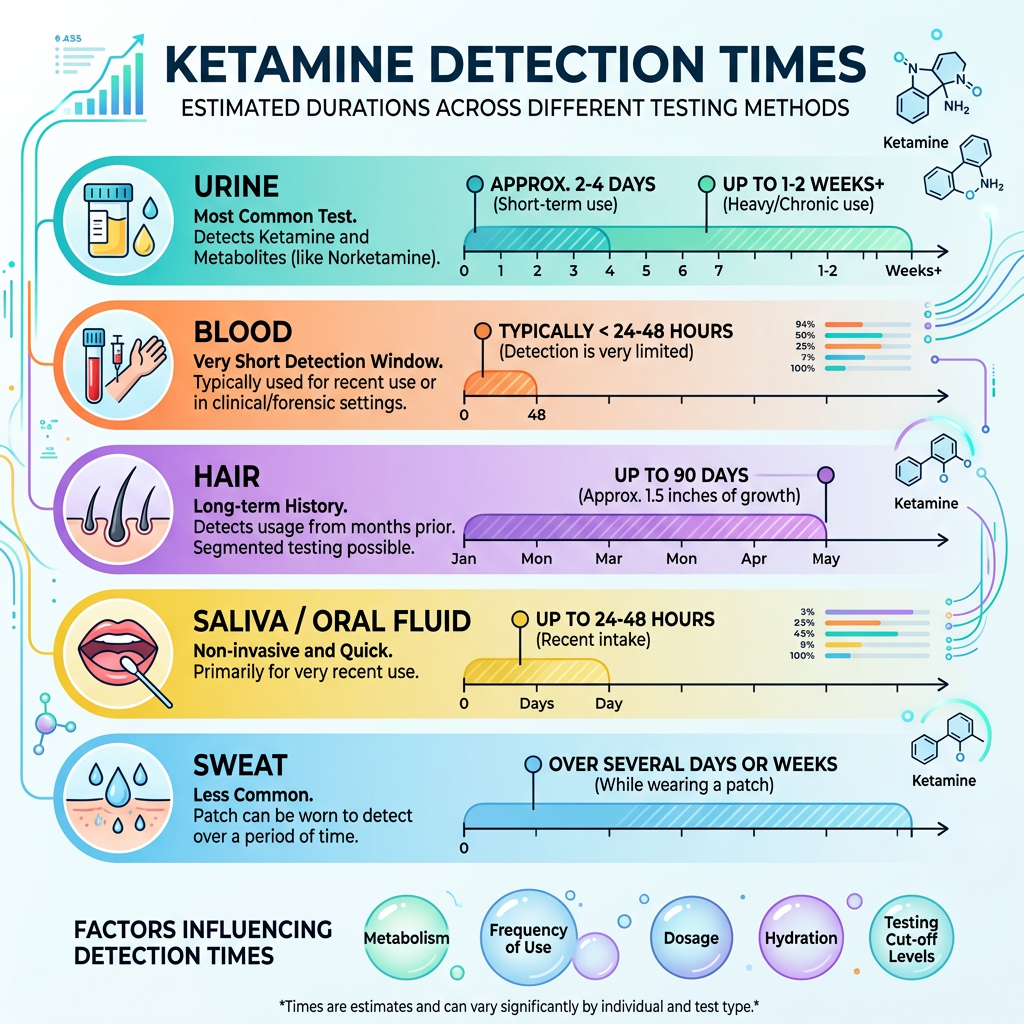
How long does Ketamine stay in your system?
How long does Ketamine stay in your system? As an experienced addictions clinician with over thirty years experience my question to that is: Why do you need to know? Is it because you are worried it will show up in a drug screen at work? Are you worried about being drug tested by the police…
Grace Kennedy
12:23 pm, July 2, 2026
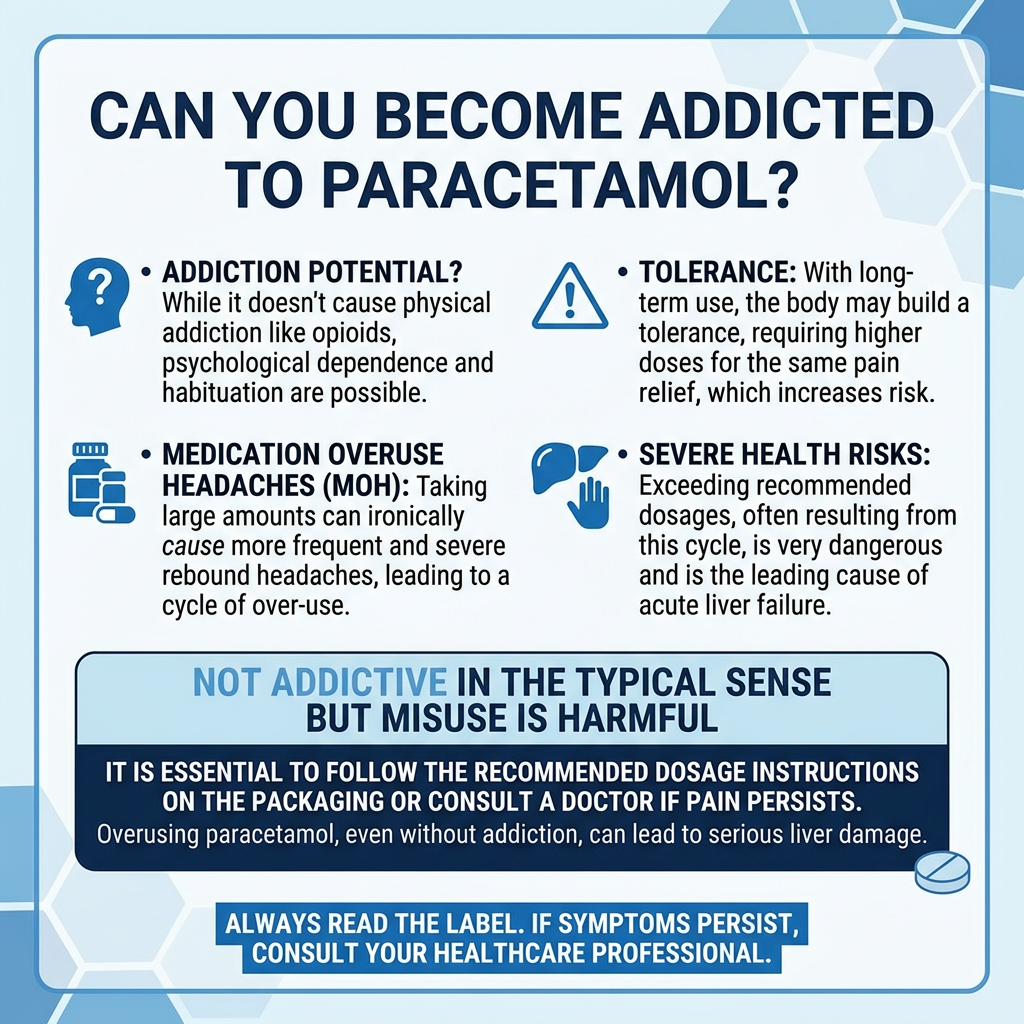
Can you become addicted to Paracetamol?
Can you become addicted to Paracetamol? No. Well not it in the same way you become addicted to heroin or alcohol as the way it affects the brain is different. That doesn't mean that some people are not addicted to taking it in the way that they take it, repeatedly. How does Paracetamol work? The…
Grace Kennedy
6:08 pm, June 26, 2026
Can you do a Methadone detox at home?
Can you do a Methadone detox at home? In theory: Yes. In practice: No. It is a nice idea that you can stay at home, take some methadone and your opioid use disorder is cured. Sadly it just doesn't work like that. In order to understand why this won't work you need to know what…
Grace Kennedy
6:49 pm, June 25, 2026