
Antabuse for Alcohol Addiction
Get advice from an addictions clinician on all aspects of using Antabuse for alcohol addiction. Free, confidential advice on detox,withdrawal,rehab,admission,cost, therapy,counselling and aftercare.
Disulfiram, also known as Antabuse, is a medication that is sometimes used by those in recovery from alcohol addiction.
It is not a detox medication and does not replace traditional treatment: Detox, therapy, relapse prevention and aftercare.
Antabuse is used for maintenance treatment. It is taken so that, if alcohol is consumed, the person will have very unpleasant symptoms.
The idea is that this puts you off drinking. It is part of relapse prevention.
Get The Help You Need Today with Antabuse for alcohol addiction .
Speak with an addictions clinican who has over three decades experience in the field of treating people dealing with addiction.
How does Antabuse for alcohol addiction work?
Disulfiram works by blocking enzymes in the body.
When you drink alcohol, it is converted to a chemical called acetaldehyde.
This is then further broken down by other chemicals.
Antabuse stops this happening which leads to a number of very distressing symptoms.
The drug imitates the genetic predisposition of a lot of population groups in East Asian countries who this process inbuilt.
If you take Antabuse and then drink alcohol you will experience the following:
Chest pain
Nausea
Dizziness
Vomiting
Lifestyle changes when using Antabuse for alcohol addiction
When you take Antabuse, you will need to make very significant lifestyle changes.
You will have to avoid any use of aftershave and perfume as well as most brands of mouthwash. Nearly all hand gel contains alcohol as does car de-icer and antifreeze.
When taking Antabuse you will also need to avoid most types of vinegar.
While liqueur chocolates contain only minute traces of alcohol, even this can cause the effects Antabuse is designed to cause.
Your trade could be effected if you are a decorator, carpenter or work with industrial solvents and chemicals.

Can by GP prescribe Antabuse for alcohol addi?
No.
Due to the way the NHS commission GP services, it is not possible for your GP to prescribe Antabuse.
Local community drug and alcohol services, which are funded through council tax, may be able to provide a prescription but it can only be initiated by a consultant is addiction medicine.
You are not going to get a prescription after one appointment.
In any event, in can be difficult for a pharmacist to source the medication as it is in short supply.
How do you take Antabuse for alcohol addiction?
Antabuse comes in tablet form: Only.
Usually a single dose of 200MG is taken, daily. Under consultant supervision this can be increased to 500MG.
There is no clinical evidence that a dose higher than this will be of any benefit. Remember: Antabuse only invokes physical symptoms if you drink.
It will not stop you drinking alcohol and it is not a detox medication.
Free Rehab Advice
Free Rehab Advice exists to provide free advice to those seeking admission to drug and alcohol rehabilitation.
Find Out MoreHome Detox
Speak to an experienced addictions clinician on home detox: free and confidential advice.
Find Out MoreResidential Rehab
Call for free advice on residential rehab,detox,recovery, therapy and counselling from a clinician.
Find Out MoreCan anyone take Anatabuse for alcohol addiction?
No.
As with all established and licenced medications there are a number of exclusions.
Those with cardiac failure, a history of coronary artery disease and stroke can not take Antabuse.
If you have high blood pressure, have attempted serious self harm or suicide you will also be excluded. Also a diagnosis of severe personality disorder is also a precluding factor.
Should you be pregnant, it is only considered to be safe to take in the first trimester. It can not be used if breastfeeding.
What are the side effects of Antabuse for alcohol addiction?
Antabuse has several listed side effects.
This is not to say that everyone who takes it will experience them.
You might not have any or you might have several:
Allergic dermatitis: Your skin may be allergic to the tablet
Halitosis: bad breath
Depression
Drowsiness
Encephalopathy: Memory loss, confusion, coma, death
Hepatocellular injury: Raised liver enzymes
Decreased libido: Low sex drive
Mania
Nausea
Nerve disorders
Paranoia
Psychosis
Vomiting

Is Antabuse for alcohol addiction right for me?
Possibly.
Antabuse is an adjunctive treatment. It is secondary to established treatment processes.
Antabuse can be started in rehab after you have completed a detox and while you are having therapy and relapse prevention skills workshops.
It is not a detox medication and it is not a substitute for rehab.
One of the major considerations when taking Disulfiram is that it only works if you take it.
A lot of people, in recovery, know they are heading for a relapse. This is not failure but part and parcel of living with a chronic illness.
The effects of Antabuse, if you drink alcohol, can be very intense. If you are on your own will you be able to summon medical help if you need it?

End of the rainbow treatment
Antabuse is not a miracle pill.
It has it’s uses but the only effective pathway from addiction to recovery is: Detox, therapy, relapse prevention skills and aftercare.
You can not cure alcohol addiction with Antabuse. It can play a useful role in relapse prevention but only if you take it.
When someone is heading towards a relapse they will stop taking it.
Antabuse for alcohol addiction has it’s place but is a part of the recovery plan, not the totality of it.
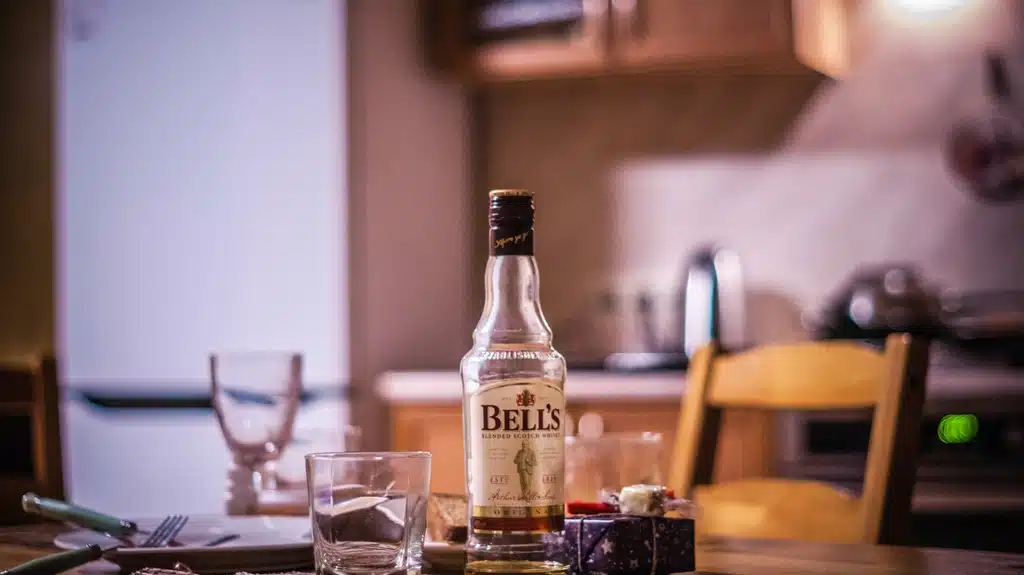
What about home treatment with Antabuse for alcohol addiction?
After you have completed rehab it may well be possible to continue with Antabuse back at home.
Remember: Antabuse is not a standalone treatment. If you don't keep up with your support meetings, linking in with your recovery network taking Antabuse, alone, is not going to be sufficent.
It is neither possible, nor advised, to simply commence Antabuse before rehab. It just won't work.
Therapy
All centers who provide treatment for alcohol addiction provide a fully immersive therapy programme, either along a 12 step approach or a SMART based recovery model. These run seven days a week and , those in treatment, are obliged to attend all sessions if physically well enough to do so. For new admissions, it can be 24-48 hours , on occasion, before someone is able to take part.
Sitting alongside this programme, many centers also offer adjunctive treatments and therapies such as:
Yoga
Mindfulness
Art therapy
Gentle exercise and group walks
Music therapy
Individual sessions (for those staying more than a week)
Clients, before leaving, are linked in with support groups in their local community, be they voluntary or statutory. A psychological tool kit is built up so that clients have a selection of techniques to employ.
If you need treatment for alcohol addiction, call and speak to us. We can provide heroin addiction help on 0333 041 9922.
We only signpost to legally registered services.