
Recognising The Signs Of Addiction
June 16, 2025
9:00 am
Table of contents
- Introduction
- Recognising The Signs Of Addiction :The science of addiction
- Knowing the risks doesn’t put people off taking drugs and alcohol
- How to recognise addiction in yourself:
- How would I spot the signs that someone else is using?
- What about intoxication: How would I spot it?
- Cannabis and associated substances:
- Synthetic cannabinoids (spice) and bath salts/K2
- Barbiturates, benzodiazepines and hypnotics
- Stimulants (cocaine/MDMA/ crystal meth )
- Chemsex drugs
- Hallucinogens
- Inhalants
- Opioids
- How can Find Me a Rehab help?
- Getting help today
Introduction
Recognising the signs of addiction is not an easy as you might think.
Even seasoned healthcare professionals have great difficulty on occasions determining who is taking what and blood tests are not always helpful.
Forget what you have seen on television and in films.
The signs are not always physical but also in the way someone interacts with others or manages their finances.
Here at Find Me a Rehab, we have a collection of seasoned addictions clinicians with decades of experience, each, in assessing, diagnosing, prescribing for and treating people undergoing treatment for addiction.
Let them share their experience with you.
Recognising The Signs Of Addiction :The science of addiction
Drugs and alcohol sit on receptors in the brain in exactly the same way as prescribed medications are designed to.
They can either open up chemical channels or close them down (some partially open or close them, but let’s not get too technical). This, in turn, affects the release or retention of naturally occurring body chemicals.
After a time, the brain will get used to them and will change the way it functions to accommodate them.
If you stop using drugs and alcohol, or cut down too quickly, the brain can not cope with this sudden change.
As a result, incorrect messaging occurs which it was causes symptoms known as withdrawals.
Knowing the risks doesn’t put people off taking drugs and alcohol
Despite knowing the dangers, risks and consequences, the person keeps taking it.
What, can often, start with experimental use may lead to chronic dependency, medical emergencies and fatality.
A prescription for pain killers after a sporting accident can lead to decades of dependency.
In time, more pain killers will need to have the effect that the original dose provided.
Stopping, suddenly, can be incredibly problematic and lead to an acute medical emergency.
Severe physical symptoms can appear even just a few hours after you stop taking the drug, alcohol is a prime example.
While it may make good television, locking an addict in a room with a bucket and bottle of water can lead to a fatality.
Recognising The Signs Of Addiction should never lead to rash actions.
How to recognise addiction in yourself:
Many people know they have a problem, but are too anxious to get help.
There is a comfort in addiction because you know what to expect when you take or dont take.
Abstinence and sobriety can be a daunting prospect.
The thoughts and feelings that addiction suppresses will be unlocked.
Below are some of the things to look for in yourself:
- Finding sufficient funds to sustain the addiction, even if that means stealing from others
- Intense urges to use that override all other thoughts
- Taking time off sick from work or study and social commitments
- Spending inordinate amounts of time sourcing the drug and/or recovering from using it.
- Experiencing withdrawals when you cannot use
- Making certain that you maintain a constant supply of drugs/alcohol
How would I spot the signs that someone else is using?
Again, this is not as easy as you might think.
For a younger family member, it can be incredibly difficult to differentiate between normal adolescence and drug use. Some of the signs can be:
* Financial difficulties: The person asks, constantly, for money and/or money goes missing from the house, business, etc.
* Appearance: In the grips of active addiction people often loose interest in their appearance, what they wear and how the look.
* Physical health: Addicts are prone to infection, weight loss (or gain) as well as lack of motivation and energy
* Not attending work or college/university
What about intoxication: How would I spot it?
That all depends on what the person is taking!
Someone dependent on cannabis/synthetic cannabis will present very differently to someone dependent on stimulants such as cocaine and crack.
Cannabis is, usually, smoked in a rolled-up cigarette, a “bong” or eaten in cookies or cakes.
Recognising the signs of addiction can sometimes be visual clues and smells.
Cannabis and associated substances:
- Feeling “high”: A sense of euphoria
- Cravings for certain foods, usually at unusual times
- Paranoia and anxiety
- Reduced reaction times
- Red eyes
- Xerostomia (dry mouth)
- Difficulties co-ordinating movements
- Forgetting to complete tasks
- Pungent smell of cannabis and yellowing of the fingers
If used long term:
- Reduced mental focus
- Poor work performance
- Lung issues with a persistent cough
Long-term use is often associated with:
- Poor performance at school or at work
- Ongoing cough and frequent lung infections
Synthetic cannabinoids (spice) and bath salts/K2
These can be sprayed on dried herbs and later smoked or put into tea.
A liquid form can even be used in an electronic cigarette.
They can produce a high, similar to cannabis but are extremely dangerous.
There have been numerous instances of death when users asphyxiate on their own vomit and or experience a heart attack.
Bath salts are imitation cathinones, they alter the way the brain operates in the same way as crack cocaine.
They can be injected, inhaled, snorted up the nose and even eaten. These can cause death: very quickly.
Signs and symptoms of recent use can include:
- Hallucinations
- Paranoia
- Extreme violence, anxiety and agitation
- Confusion
- Elated mood
- A sense of euphoria or feeling “high”
- Elevated mood
- Hypertensive crisis (dangerously high blood pressure)
- Hypersexual arousal
Barbiturates, benzodiazepines and hypnotics
While barbiturates are lesser known about, these days, together with benzodiazepines and hypnotics, they continue to be a problem.
All three depress the central nervous system.
Easy to start using, and incredibly difficult to stop.
Prescribed, with good intention, when they were first developed, their addictive qualities were not known at their inception.
A common example of a barbiturate is Phenobarbital.
Benzodiazepines include diazepam, clonazepam and lorazepam.
Hypnotics include familiar names such as Zopiclone and Zolpiderm.
Sudden stoppage of these drugs can be incredibly dangerous and can lead to death.
A supervised reduction, in a rehab centre is essential.
Signs of recent use can include:
- Falling over
- Low blood pressure and shallow breathing
- Difficulties thinking and remembering
- Poor co-ordination
- Slurred speech
- Drowsiness
Stimulants (cocaine/MDMA/crystal meth)
These have been around for decades and were used, widely, in World War 2 to help keep troops awake for days on end.
An early weight loss drug, users often take them in search of a high to perform at work, in the gym or in the bedroom.
Indications of recent use:
- Aggressive behaviour
- Over confidence
- Hyper alertness
- Rambling, incoherent speech
- Fluctuations in heart rate, blood pressure and rapid changes in body temperature
- Weight loss
- Vomiting
- Nasal damage
- Nasal congestion and damage to the mucous membrane of the nose (if snorting drugs)
- Chronic insomnia
- Mouth damage with tooth decay and chronic gum disease
- Mouth sores, gum disease and tooth decay from smoking drugs (“meth mouth”)
- Insomnia
- Rapid low mood as drug wears off
Key Takeaways
- Recognising The Signs Of Addiction is complex due to physical and behavioral indicators that can be overlooked.
- Addiction affects brain receptors and causes withdrawal symptoms when substances are reduced or stopped suddenly.
- Common signs include financial issues, neglecting appearance, and absences from work or school.
- Different substances lead to various signs; for example, opioids might cause drowsiness while stimulants could result in hyperactivity.
- Find Me a Rehab offers confidential support from seasoned clinicians to help recognize and address addiction.
Chemsex drugs
Once confined to parties where men had sex with multiple partners, these are now common among straight users.
These include drugs such as GHB, GBL, MDMA and Ketamine.
Recent use can lead to:
- Large pupils
- Profuse sweating
- Paranoia
- Hallucinations
- Extreme muscle cramps
- Confusion
- Unconsciousness
- Rapid changes in blood pressure
Hallucinogens
Once the preserve of the flower power generation, drugs such as LSD are still used. Someone who uses a hallucinogenic can experience, among other things:
- Intense flashbacks
- Marked tremors
- Dangerous shifts in blood pressure and heart rate
- Impulsivity
- Loss of contact with reality
Phencyclidine (PCP), also known as Angel dust can induce the following:
- Absence of pain
- Rapid elevation in blood pressure
- Violent behaviour
- Acute intolerance to loud noise
- Seizures
- Coma
- Death
Inhalants
Glue sniffing was big in the 80’s but remains a problem along with inhaling other commonly found substances such as petrol, paint thinners, felt tip pens, etc.
These substances are extremely toxic, and use can lead to death: Instantaneously.
Someone who has been sniffing an inhalant may show the following:
- Appearing as if they are drunk
- Vomiting
- Nausea
- Wanting to fight
- Rash around mouth and nose
- Rapid eye movement without control
- Irregular heartbeat
- Slurred speech

Opioids
Prescribed for pain, it is easy to become dependent.
Used, long term, they become redundant in their use, but the user is dependent, and sudden stoppage produces extreme withdrawal, sometimes death.
Forget films where users are locked in a room with a bucket and a bottle of water: It is not unknown for users to die from dehydration in these situations.
Sustained opioid use can lead to:
- Deep depression
- Euphoria
- Reduced sense of pain
- Drowsiness
- Slurred speech
- Poor memory
- Constipation
- Needle marks (for those injecting)
- Sores around the nose and constant streaming
- Small pupils in the eye
How can Find Me a Rehab help?
Here at Find Me a Rehab, we have a collection of seasoned addictions clinicians with decades of experience in all aspects of addiction, treatment and rehab.
They can help you with recognising the signs of addiction.
If you need 24 rehab advice, 24 addiction help and free clinician drug advice call, email or live chat. If you are concerned about your own use or someone else’s call for free, confidential and impartial advice.
Our clinicians are not tied any particular service andour advice is entirely free and confidential.
We only signpost to legally registered services.
Getting help today
Our experienced addictions clinicians can advise you on any aspect of addiction including detox, rehab, home treatment, therapy, relapse prevention and aftercare.
They can discuss treatment options, treatment plans, locations, costings and logistics.
Recognising the signs of addiction can be difficult.
With some free and confidential advice from an experienced addictions clinician it may be easier.
Need help finding the right rehab for you or a loved one? Get in touch today and take the first step toward recovery.
Speak to usRecent Posts
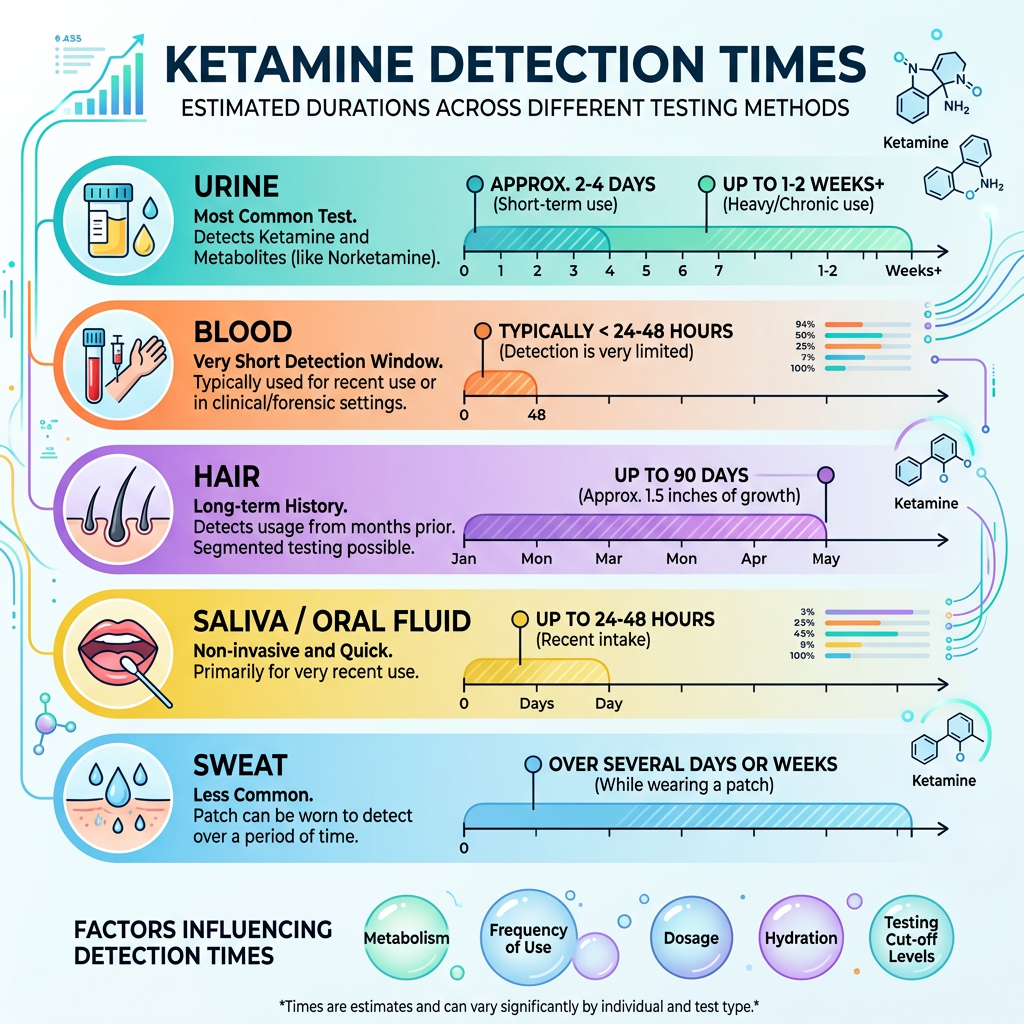
How long does Ketamine stay in your system?
How long does Ketamine stay in your system? As an experienced addictions clinician with over thirty years experience my question to that is: Why do you need to know? Is it because you are worried it will show up in a drug screen at work? Are you worried about being drug tested by the police…
Grace Kennedy
12:23 pm, July 2, 2026
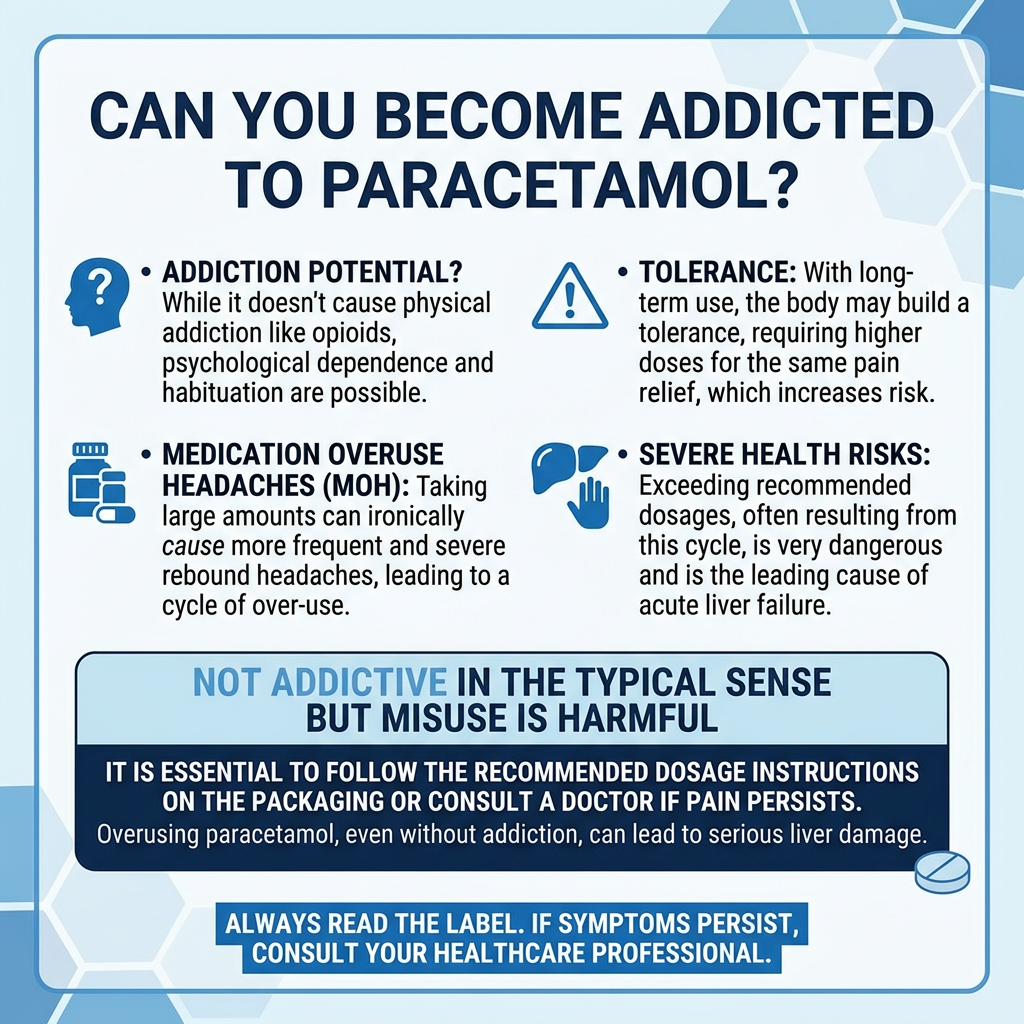
Can you become addicted to Paracetamol?
Can you become addicted to Paracetamol? No. Well not it in the same way you become addicted to heroin or alcohol as the way it affects the brain is different. That doesn't mean that some people are not addicted to taking it in the way that they take it, repeatedly. How does Paracetamol work? The…
Grace Kennedy
6:08 pm, June 26, 2026
Can you do a Methadone detox at home?
Can you do a Methadone detox at home? In theory: Yes. In practice: No. It is a nice idea that you can stay at home, take some methadone and your opioid use disorder is cured. Sadly it just doesn't work like that. In order to understand why this won't work you need to know what…
Grace Kennedy
6:49 pm, June 25, 2026