
How long is cocaine detox? : Duration and Recovery
October 18, 2025
10:30 am

How long is a cocaine detox?
How long is a piece of string!
If you understand the science and trajectory of cocaine detox you are in a much stronger position to make an informed choice.
When you have the right information on timelines, detox, rehab, therapy, relapse prevention and aftercare you are forearmed.
Let our experienced addictions clinicians share their advice and experience with you.
How Long is Cocaine Detox? Recovery timeline
A common question when people call or email our clinicians is: “How long does Cocaine Detox take?
What is the recovery timeline?”
The answer is quite simple: The physical symptoms usually last about a week to ten days.
Psychological recovery
However, the psychological symptoms can go on for much longer.
If you need Cocaine Addiction Help, a Detox and Rehab Centre UK call and speak to a an experienced addictions clinician at Find Me a Rehab.
All calls and emails are treated in the strictest of confidence. Our advice is free, impartial and available to all.
Detox is just part of the recovery process
If you view detox as the only element of recovery, then you are not looking at the bigger picture.
Without the rehab element of recovery a detox is simply putting a plaster over a gun shot wound: It won’t work.
The sooner you accept you need help, the quicker you can get into recovery.
How Long is Cocaine Detox? Making an informed choice
If you know what to expect, you will be able to make a more informed choice about where to go for treatment and what to expect.
The physical withdrawals from cocaine can be a rough ride but with the right medical and psychological support you can get through.
Lived experience in rehab
Most of the staff in rehab centres are in recovery themselves.
A detox is not the end of the recovery process: It is the first step.
You can’t benefit from rehab if you are still using: Your brain simply won’t be able to absorb what is going on.
The science of cocaine detox
Unlike heroin or alcohol detox, there is no substitute medication you can take. If you were addicted to Heroin you might be given Methadone in rehab. For alcohol: Librium. For detox the emphasis is on support to prevent you giving in to cravings. Adjunctive medication is also given to help you get through.
Phases of cocaine withdrawal:
- The crash phase (Up to 72 hours from last use)
Changes in brain chemistry
As soon as you stop using your brain will notice. Cocaine, like any medication or drug, works on brain chemistry. Cocaine interferes with the reuptake of Dopamine meaning it over accumulates.
Serotonin boost
This is why you feel the intense euphoria , boundless energy and heightened awareness as well as sexual arousal . As it also blocks serotonin your mood will also be elevated.
Crash phase
When you stop using cocaine these effects stop and you will see an immediate reversal: Hence the crash. It is very common to experience the following:
- Extreme fatigue and having to sleep for excessive periods. Up to 20 hours a day is not uncommon
- Rapid onset depression and no motivation
- Uncontrollable cravings for cocaine
Debilitating cravings
Trying to deal with these issues at home is not going to be very successful.
The cravings, alone, will draw you back to use.
Sadly, it is not uncommon for people to take an overdose simply because they are trying to get back to where they were when using.
Phase 2: Acute Withdrawal (Days 4-7)
While the initial crash phase will usually have passed by day four, this doesn’t mean that you won’t still be experiencing significant difficulties. You are likely to experience the following:
- Extreme anxiety and uncontrollable irritability
- 24/7 cravings
- Significantly interrupted sleep with night terrors
- Rapidly deteriorating depression
Phase 3: Extended Withdrawal (Days 8-10 and Beyond)
At this point, the physical symptoms should ,mostly, be diminished.
However, it is now that the real psychological battle starts.
The depression, crippling anxiety and constant cravings will last for months.
This is known as PAWS: Post Acute Withdrawal Symptoms
Factors Affecting Cocaine Detox Duration
No two people look the same, just as no two peoples brain chemistry is the same. This means that everyone will respond differently when they stop using cocaine. There are some common factors:
- How long you have used cocaine for (the brain will take more time to recover if you have used it for a long time.)
- How you take cocaine: Injecting it, or using freebased cocaine (crack) will cause more intense withdrawals and need intense support
- Being dependent on other drugs and alcohol: If your brain has to deal with other drug withdrawals at the same time, the process becomes more complex and elongated.
- Physical health: If you are in poor health recovery is slower.
The Difference Between Detox and Recovery
Detox is the first part of recovery and is very short term.
It is about your brain resetting and your body reacting to the signals sent to it by the brain.
Addiction is a symptom
Rehab is about dealing with the issues that led to addiction in the first place.
No one plans to be an addict.
It is not a choice.
Deal with the underlying issues
If you can deal with the underlying issues as to why you became addicted, learn how to stay abstinent then you have a much better chance of staying away from drugs.
Beware of quick fix options
A quick in and out detox for a week or ten days in a rehab centre is a very quick fix. You are very likely to relapse within days.
What to Expect During Rehab
The first thing to do is to have a conversation with an addictions clinician.
You can speak to one of ours, for free, who can refer you, without charge, to any centre in the UK.
If you are accepted for admission you will be inducted by a clinician onsite who will go through your medical history .
Usually, they will provide some “as and when” medication that is often needed to get you through the first week.
How Long is Cocaine Detox? Expert staff on site
Your onsite clinician can adjust your treatment plan if there are any issues.
As soon as you are physically able to do so, you will be welcomed into the therapy programme.
All centres are grounded around a group therapy process.
Individual sessions are also incorporated as well as family therapy and other adjunctive treatments.

Building psychological resilience
One of the major elements of treatment is to establish a mental toolkit that you have, at your disposal, for when you leave treatment.
Knowing how to deal with stress, cravings and difficult situations will be the lifeline to abstinence.
If you need Cocaine Addiction Help, a Detox and Rehab Centre UK call and speak to a an experienced addictions clinician at Find Me a Rehab.
All calls and emails are treated in the strictest of confidence.
Our advice is free, confidential and available to all.
Life After Rehab
Rehab is a safe, warm bubble where you will be greeted with unconditional support and where you will not be judged.
Everyone there is on the same trajectory to recovery.
The real hard work starts when you leave.
The stresses and strains that led you to addiction won’t be present in rehab so you must be prepared to deal with them when you go home.
The tools you learn to use will need to be refined, from time to time.
This is why aftercare is vital.
All centres provide it, for at least 12 months: Without charge.
A relapse prevention plan is your rock.
Relapse happens but if you know how to confront it it doesn’t have to be your downfall.
How Can Find Me a Rehab Help?
We are a free advisory service , clinician led, which provides advice and guidance on all aspects of addiction, recovery, treatment, detox and rehab.
Our clinicians have worked in most of the UK’s rehab centres, NHS hospitals, private hospitals, statutory services and prisons.
They also provide a free referral service to any centre in the UK.
If you need Cocaine Addiction Help, a Detox and Rehab Centre UK call and speak to a an experienced addictions clinician at Find Me a Rehab.
All calls and emails are treated in the strictest of confidence.
Our advice is free, confidential and available to all.
How Long is Cocaine Detox? Getting help
You can call and ask our addictions clinicians anything about addiction, detox, rehab, therapy, relapse prevention and aftercare.
Our experts can discuss treatment options, locations, costings and logistics.
We never charge for advice or treatment referrals.
Need help finding the right rehab for you or a loved one? Get in touch today and take the first step toward recovery.
Speak to usRecent Posts
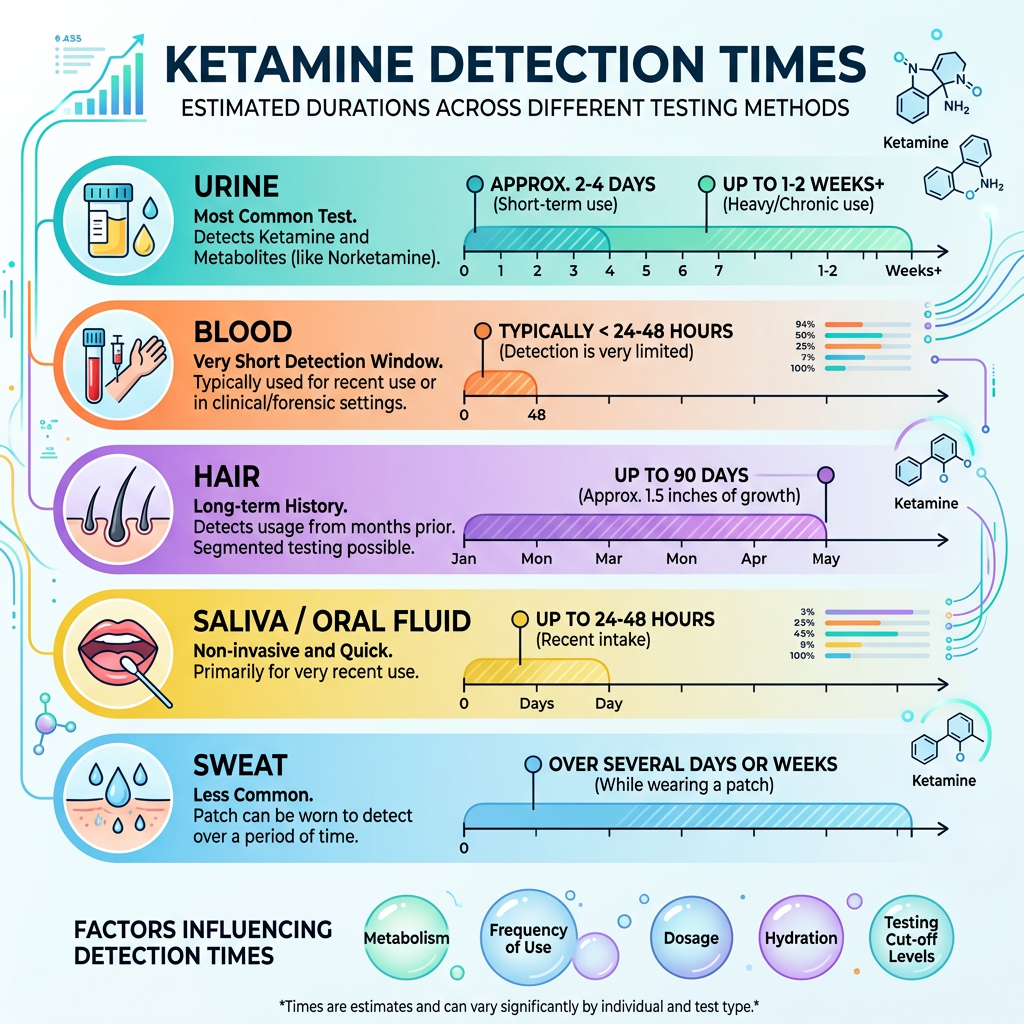
How long does Ketamine stay in your system?
How long does Ketamine stay in your system? As an experienced addictions clinician with over thirty years experience my question to that is: Why do you need to know? Is it because you are worried it will show up in a drug screen at work? Are you worried about being drug tested by the police…
Grace Kennedy
12:23 pm, July 2, 2026
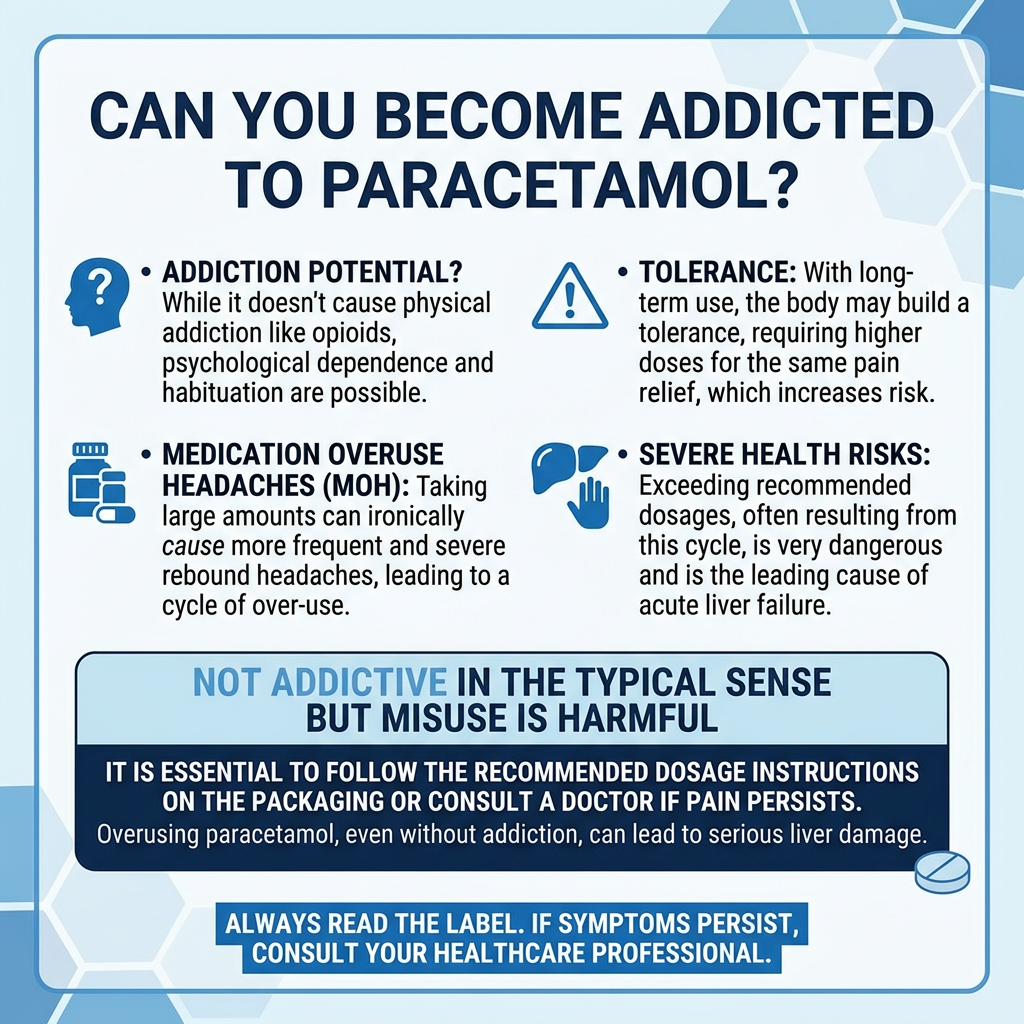
Can you become addicted to Paracetamol?
Can you become addicted to Paracetamol? No. Well not it in the same way you become addicted to heroin or alcohol as the way it affects the brain is different. That doesn't mean that some people are not addicted to taking it in the way that they take it, repeatedly. How does Paracetamol work? The…
Grace Kennedy
6:08 pm, June 26, 2026
Can you do a Methadone detox at home?
Can you do a Methadone detox at home? In theory: Yes. In practice: No. It is a nice idea that you can stay at home, take some methadone and your opioid use disorder is cured. Sadly it just doesn't work like that. In order to understand why this won't work you need to know what…
Grace Kennedy
6:49 pm, June 25, 2026