
Understanding Cocaine Addiction Treatment Options
July 7, 2025
6:33 am
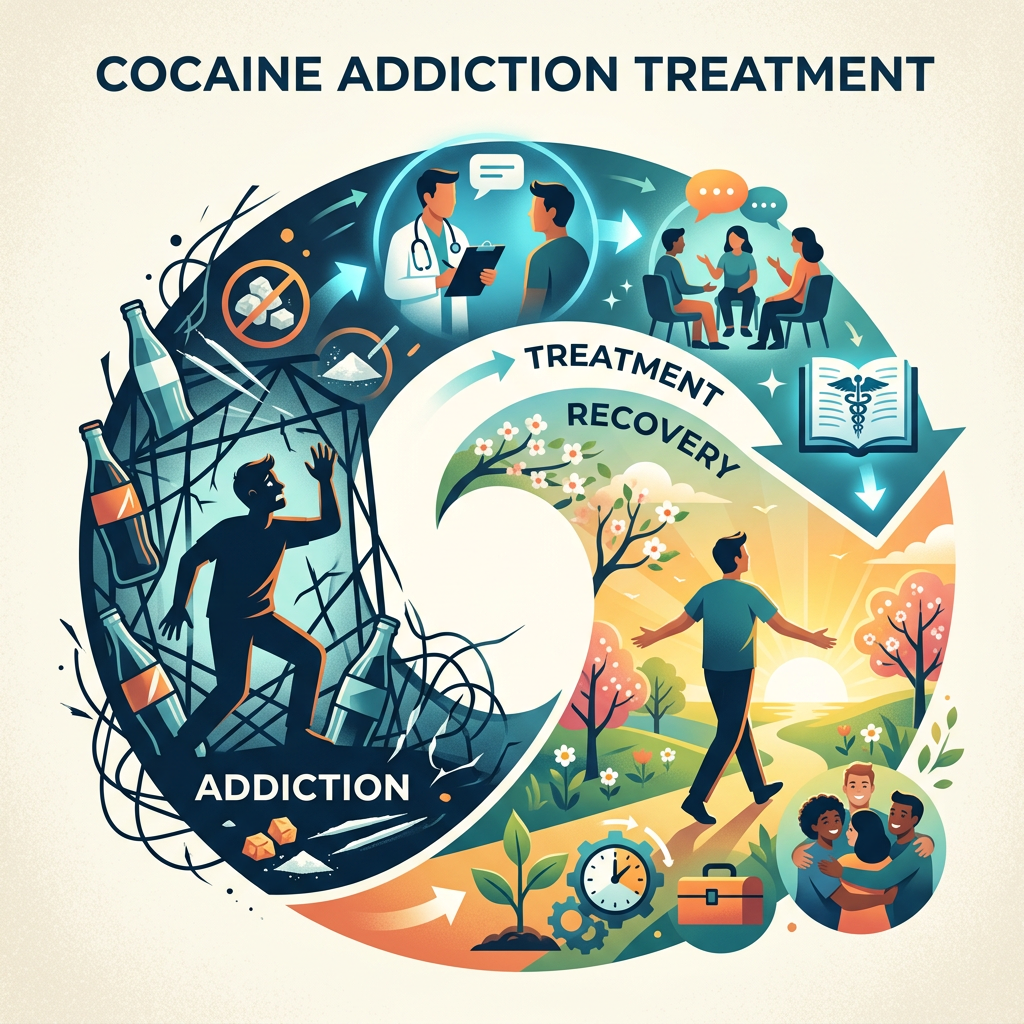
Table of contents
- Introduction
- Cocaine is not a party drug
- Why is Cocaine addictive?
- What happens when you take Cocaine?
- Tolerance and sensitization
- Long term physical health problems caused by cocaine
- How is Cocaine addiction treated?
- Cocaine withdrawal symptoms and timeline
- Risk of accidental overdose with home treatment
- Why rehab for cocaine addiction?
- Relapse prevention and aftercare
- How can Find Me a Rehab help?
- Getting help
Introduction
Cocaine addiction treatment may sound scary but it needn’t be.
For the person dependent on it, Cocaine addiction can be devastating.
It has the power to destroy a life especially relationships, finances, employment prospects and even could take your life.
Seeking cocaine addiction treatment can help mitigate these effects.
When someone you care about is caught up in the madness of addiction, trust can be destroyed.
With time, professional input and commitment from the person in treatment and those supporting them, that trust can be rebuilt.
Let our experienced addictions clinicians share their experience with you so you can make an informed choice.
Cocaine is not a party drug
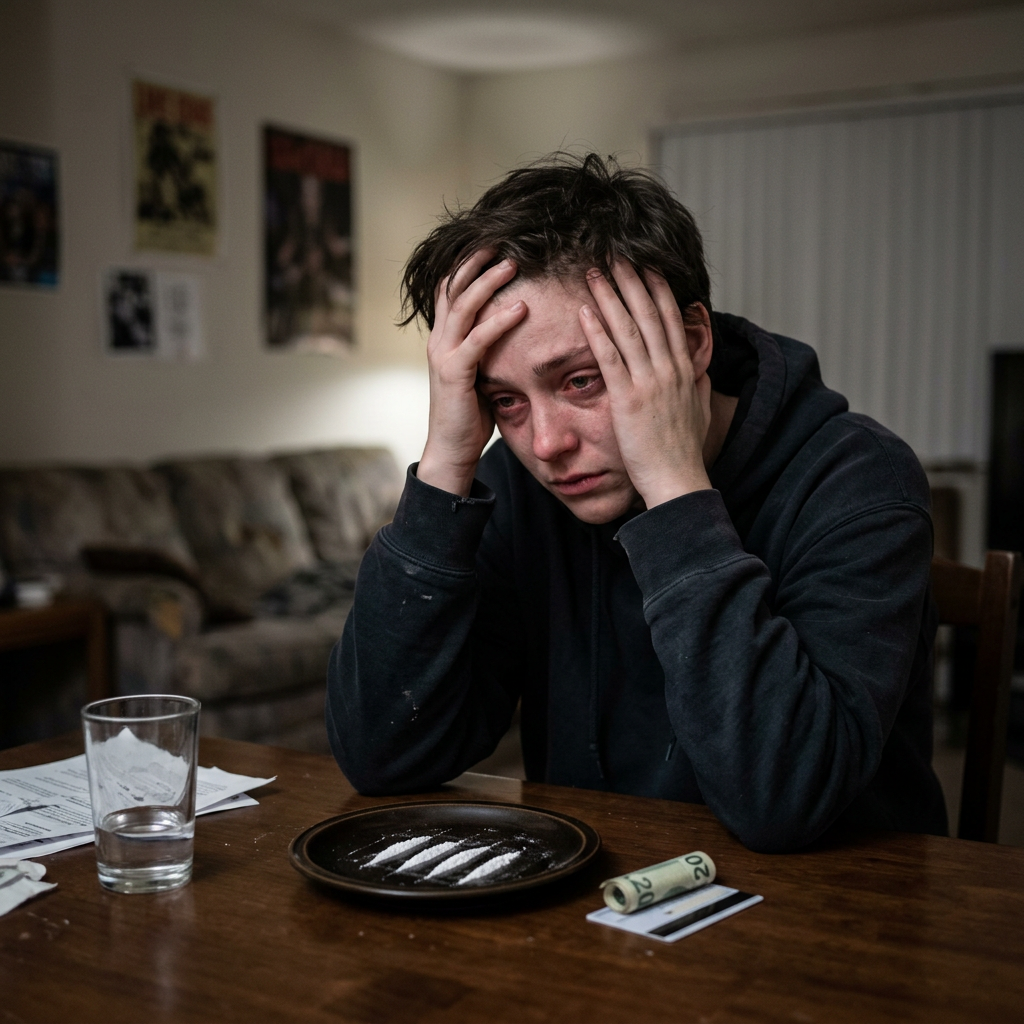
Widely touted to be a recreational party drug (there is no such thing) Cocaine is incredibly addictive.
An illegal drug, cocaine is a stimulant that is made from coca leaves that are found in South America.
It has, very limited, medical use and is rarely used by doctors when treating patients.
Fortunately, cocaine addiction treatment strategies are available.
How is Cocaine taken?
While commonly known for being snorted, cocaine can also be used by rubbing the powder onto their gums or by injecting it into the bloodstream.
It can also be used in a crystallized form (Crack) and smoked. Whichever way it is taken, the effect will be the same: An intense, short-lived euphoria with increased energy levels and alertness.
Why is Cocaine addictive?
Within the brain are complex reward pathways, systems that enhance pleasurable experiences and will encourage the user to continue to use.
This can happen when someone has sex, eats a favorite food as dopamine is released.
When this happens, the Dopamine attaches itself to proteins on nearby neurons.
At the same time, another protein will come and remove the Dopamine and recycle it for further use.
When you use cocaine, dopamine is not removed and accumulates, hence the euphoria that users experience.
Understanding these mechanisms can be vital in cocaine addiction treatment approaches.
Someone who uses cocaine will then associate use with this euphoric experience, leading them to constantly repeat the experience, hence they become dependent.
In time, the user’s brain will alter its stress reactions and increase feelings of dissatisfaction and negative moods.
This will also increase the chances of relapse if they stop using.
What happens when you take Cocaine?
The longer it is used for, the more changes to the brain occur. Professional addiction treatment often deals with these changes.
The effects of cocaine can last up to an hour and may exhibit one, or more, of the following signs and symptoms:
- Heightened mental alertness
- Overtalking
- Euphoria
- Increased energy levels
- Hypersensitivity to sound, light and touch.
- Extreme anxiety
- Panic
- Paranoia
- Intense irritability
- Stroke
- Seizure
- Headaches
- Death
- Extreme violence
Tolerance and sensitization
The brain, over time, will adapt to cocaine use meaning that the more you take, the more you need to have the effect a small amount would once produce.
If someone suddenly stops and then restarts, they may lose their tolerance, overdose and die. In addition, the brain, when adapted to cocaine use will heighten stress and anxiety responses when small amounts are used.
Users may then try and negate this by using more, leading to overdose. Continued use can lead to psychosis. Encouragingly, cocaine addiction treatment can address these issues.
Long term physical health problems caused by cocaine
- High blood pressure
- Heart attack
- Stomach ulcers
- Severe weight loss
- Chronic insomnia
- Chest pain
- Regular nosebleeds
- Damage to nasal septum
- Loss of taste
How is Cocaine addiction treated?
Unlike Alcohol and Heroin addiction, there is no medical detox for Cocaine.
Unless someone is using exceptionally large amounts, medication is not, usually, required.
For some, a few days of supportive medication to assist with the comedown may assist. In the main, Cocaine addiction recovery is centred around therapy and aftercare.
However, due to the very serious potential for medical complications, medical supervision, during rehab, is essential.
Not everyone who needs treatment can accept that they need help. Knowing how to support someone who needs treatment is important and we can help with free advice.
Cocaine withdrawal symptoms and timeline
If you stop using Cocaine you can expect to experience withdrawals in a matter of hours.
These symptoms will peak in a few days and should go within a fortnight.
Some people will experience what is knows Post Acute Withdrawal Syndrome (PAWS) for up to two months.
The symptoms can include:
+ Fatigue
+ Anger
+ Inability to sleep
+ Uncontrollable appetite
+ dehydration
+ Extreme cravings for Cocaine
+ Nightmares
+ Memory loss
+ Cognitive slow down
+ Inability to experience pleasure
Risk of accidental overdose with home treatment
When you take Cocaine over a protracted period your brain will readjust the way it works.
If you stop taking Cocaine the brain simply can not cope with the loss of the drug on receptors.
The brain will readjust but this takes time. In the period of readjustment, incorrect chemical messages are sent by the brain. It is these that cause the withdrawal symptoms.
The cravings that you will experience can be overwhelming.
In rehab there are staff on hand 24/7 to get you through. A short term course of adjunctive medication can often be useful.
At home you will not have access to these and it is highly likely you will succumb to these cravings.
Key Takeaways
- Cocaine addiction treatment helps mitigate devastating effects on relationships, finances, and health.
- Cocaine is highly addictive and not a recreational party drug; it affects the brain’s reward pathways and can lead to dependence.
- Withdrawal symptoms occur within hours of stopping cocaine and may include fatigue, cravings, and anxiety.
- Rehab provides essential medical care and therapy to address underlying issues of addiction, facilitating recovery.
- Find Me a Rehab offers free, confidential advice and treatment referrals for those seeking help with cocaine addiction treatment.
Loss of tolerance leads to overdose
When you succumb to cravings, you will take an amount you think you will need to settle yourself.
Because of the loss of tolerance created by not using your brain will not be able to cope with the presence of a large amount of Cocaine on receptors: This is why people overdose.
Why rehab for cocaine addiction?
Addiction is a symptom.
Aside from the expert medical care you will receive in rehab, which is essential for Cocaine withdrawal, you will also get the therapy you need to figure out why you started taking Cocaine.
Addiction is not a choice but a symptom of a much deeper problem.
Usually addiction stems from trauma and/or undiagnosed or untreated mental health conditions.
Sometimes it can be a question of which came first?
Relapse prevention and aftercare
Relpase happens: Fact.
It is part of the disease.
Knowing how to tackle relapse is essential and forms part of the rehab process, as does aftercare.
All centres provide a minimum of a years aftercare. This is usually a weekly alumni meeting and telephone check in.
There will also be a dedicated number to call should you be struggling.
How can Find Me a Rehab help?
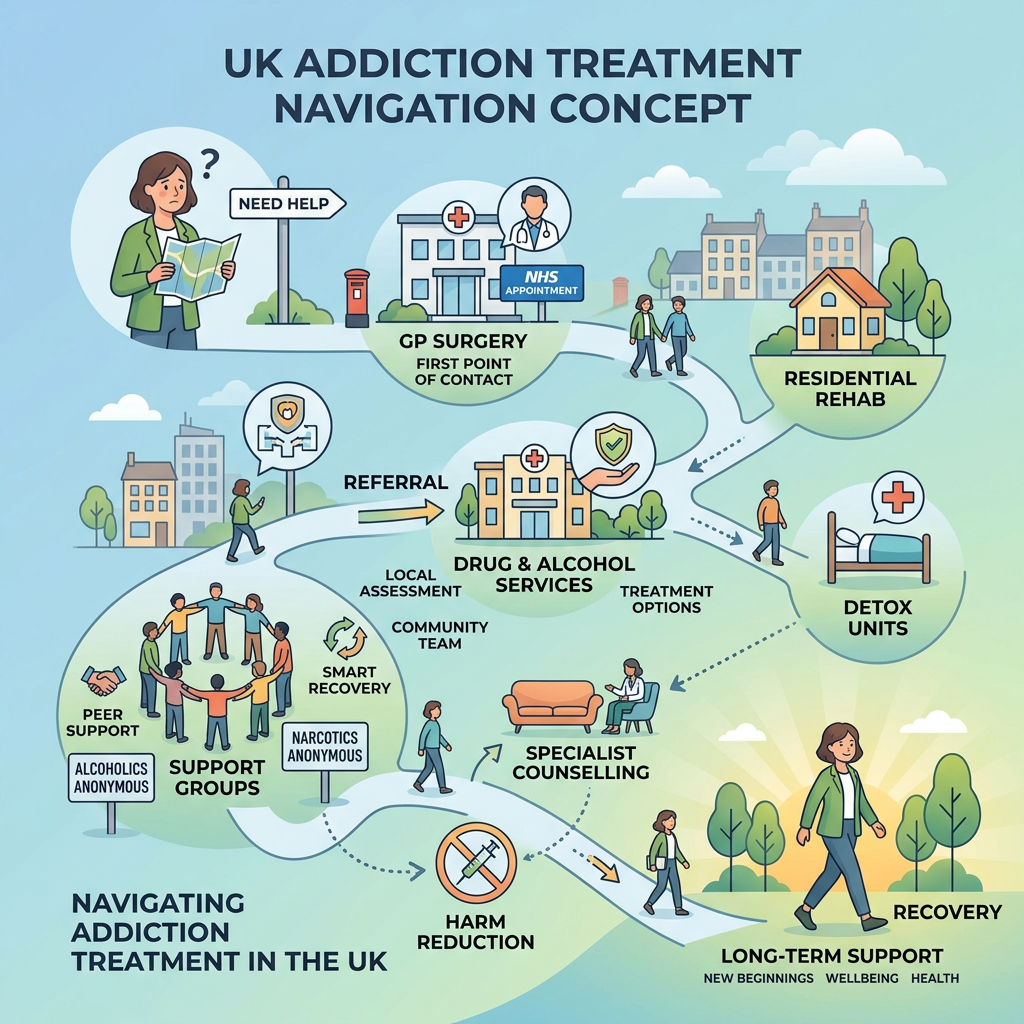
We are experienced addictions clinicians who have decades of experience, each, in assessing, diagnosing and prescribing for patients struggling with cocaine and other addictions. We have worked in most of the rehab centres in the UK.
Our advice (and treatment referrals) is always free and confidential.
We only signpost to registered centres.
Getting help
Call, email or live chat with an experienced addictions clinician on any aspect of addiction, detox, rehab, therapy, relapse prevention, home treatment and aftercare.
We can discuss treatment options, treatment plans, locations, costings and logistics.
Need help finding the right rehab for you or a loved one? Get in touch today and take the first step toward recovery.
Speak to usRecent Posts
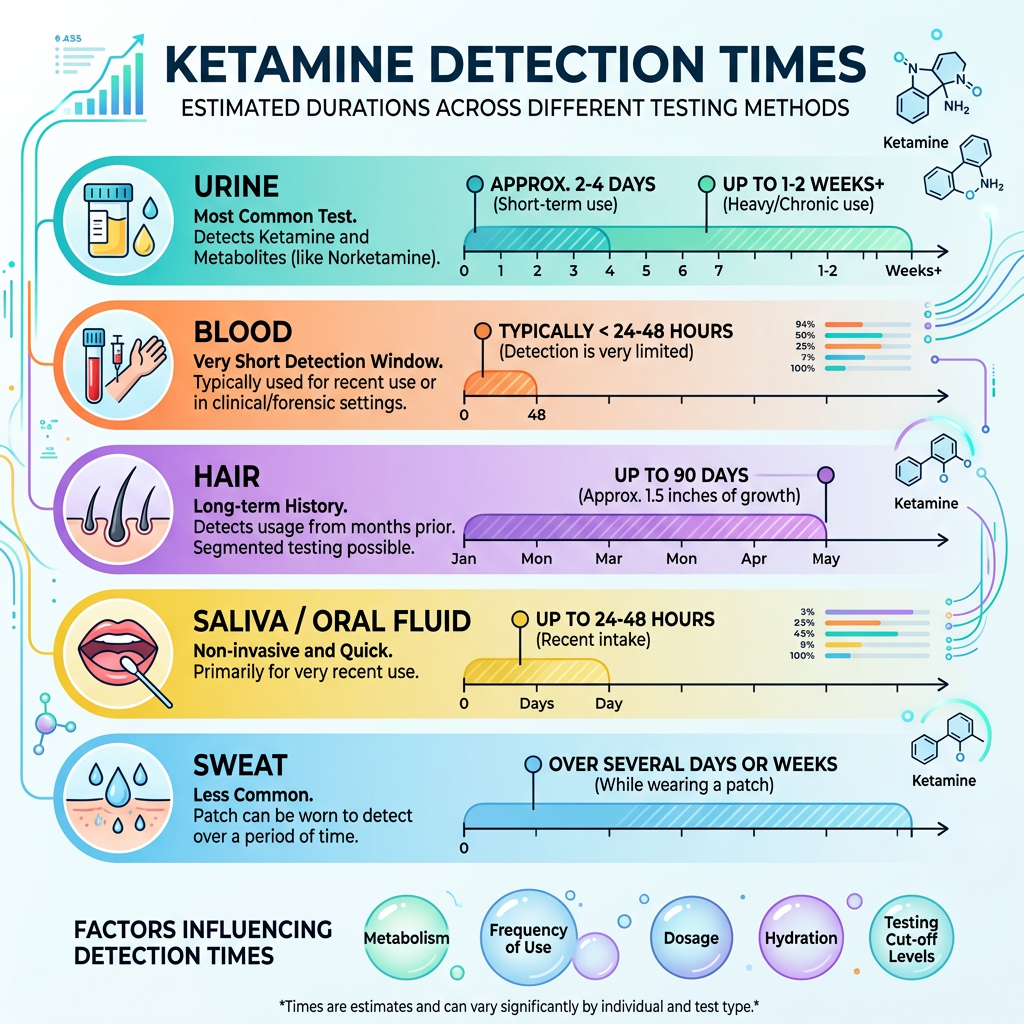
How long does Ketamine stay in your system?
How long does Ketamine stay in your system? As an experienced addictions clinician with over thirty years experience my question to that is: Why do you need to know? Is it because you are worried it will show up in a drug screen at work? Are you worried about being drug tested by the police…
Grace Kennedy
12:23 pm, July 2, 2026
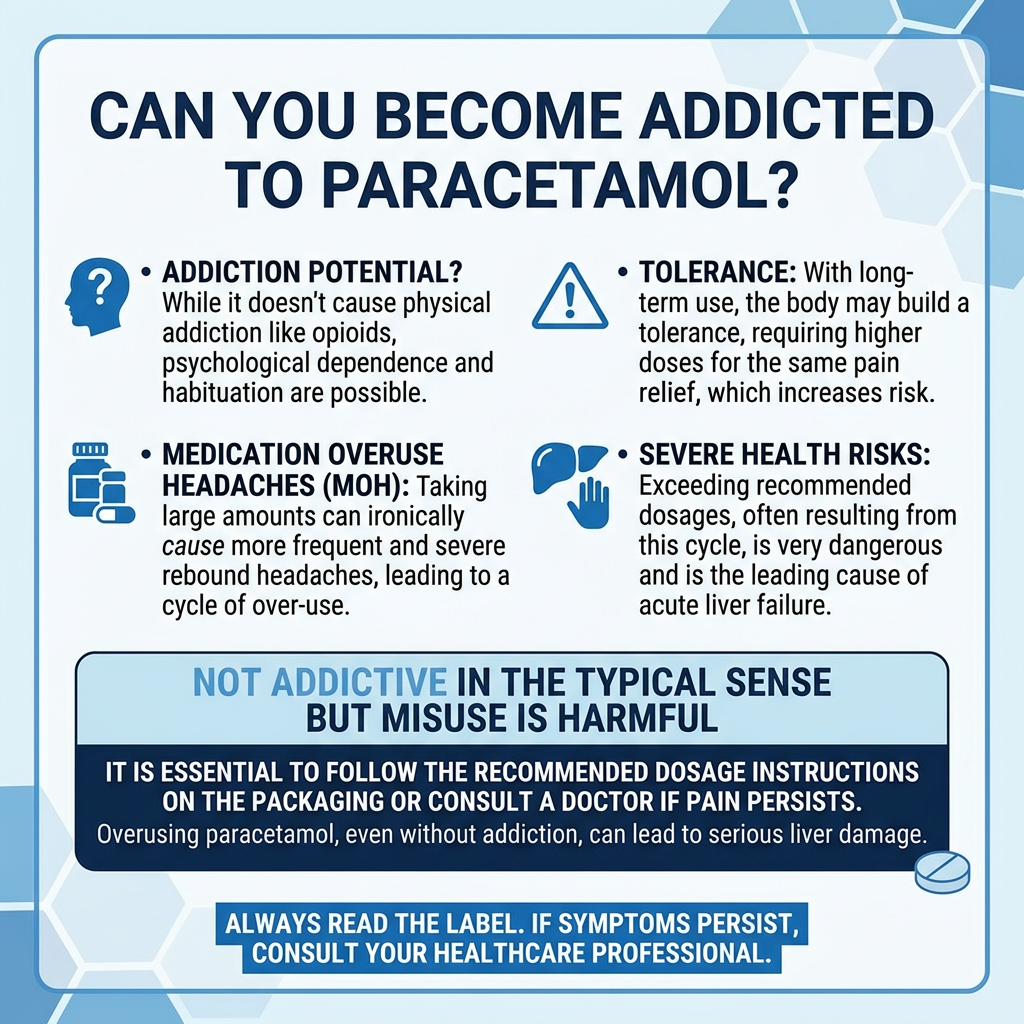
Can you become addicted to Paracetamol?
Can you become addicted to Paracetamol? No. Well not it in the same way you become addicted to heroin or alcohol as the way it affects the brain is different. That doesn't mean that some people are not addicted to taking it in the way that they take it, repeatedly. How does Paracetamol work? The…
Grace Kennedy
6:08 pm, June 26, 2026
Can you do a Methadone detox at home?
Can you do a Methadone detox at home? In theory: Yes. In practice: No. It is a nice idea that you can stay at home, take some methadone and your opioid use disorder is cured. Sadly it just doesn't work like that. In order to understand why this won't work you need to know what…
Grace Kennedy
6:49 pm, June 25, 2026