
Signs You Need Antidepressant Withdrawal Therapy
October 12, 2025
8:43 am
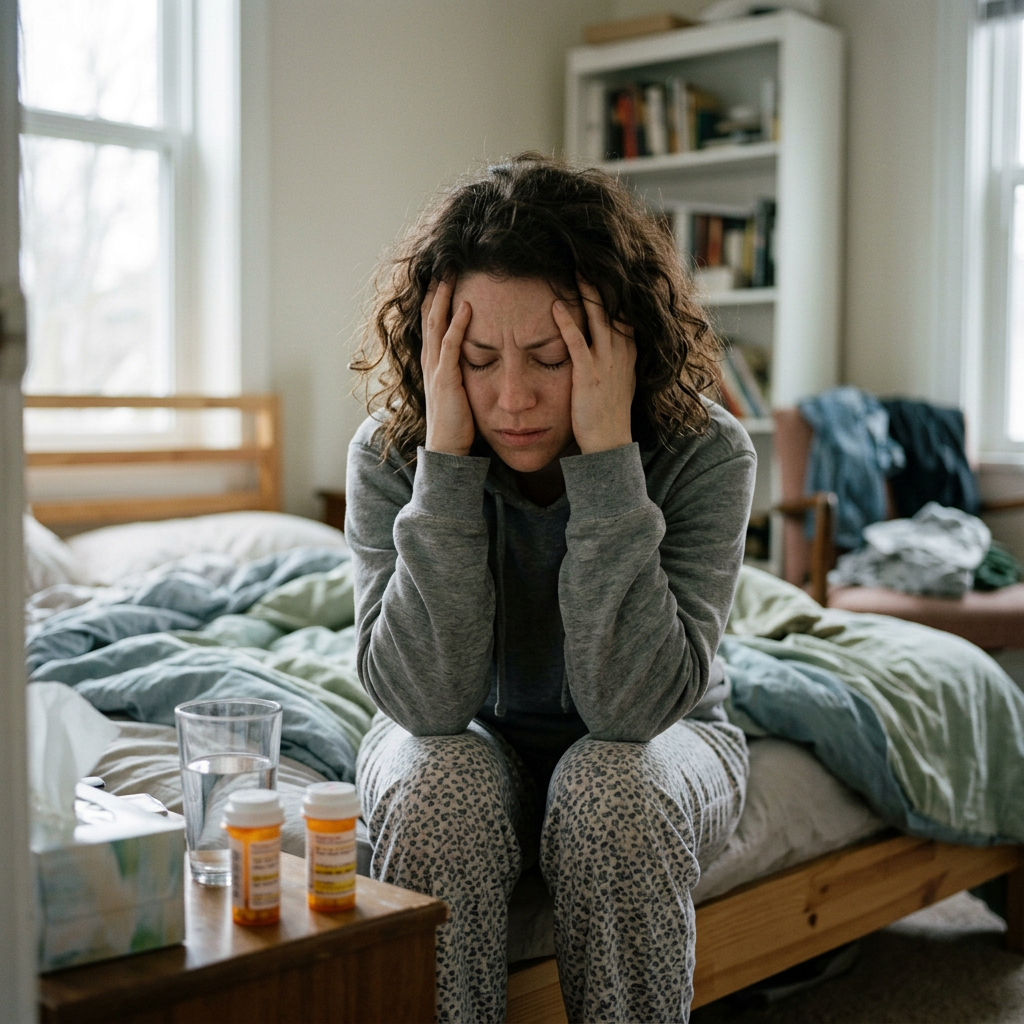
Table of contents
- What is antidepressant rehab?
- Why does stopping Antidepressants cause withdrawals?
- What are the symptoms of Antidepressant Withdrawal?
- What happens in rehab for people dependent on antidepressants?
- Collaborative treatment planning in rehab
- Therapy is the key to recovery
- Can I not do this on my own at home?
- Are there any medications I can take to help?
- What Happens During Antidepressant Withdrawal?
- What to expect during rehab for antidepressant withdrawal
- Antidepressant withdrawal detox rehab :What Can Find Me a Rehab Do For Me?
- Get help for antidepressant addiction
Antidepressant Withdrawal Detox Rehab: Four words that most people would not associate with each other.
Antidepressants, if taken for long enough, will cause you to experience withdrawal if you suddenly stop taking them.
Easy to get hold of and even easier to become addicted to.
Life saving for some but a burden to others.
Let our expert addictions clinicians explain.
If you need 24 Hour Rehab Advice our expert addictions clinicians will be happy to speak with you: We do not charge for this.
We also provide a Free Rehab Referral Service. If you decide you want to Find an Addiction Recovery Centre we can help you.
Antidepressant withdrawal detox rehab may sound scary but it does not need to be.
What is antidepressant rehab?
Antidepressants help millions of people across the world to recover from depression.
Sadly, they can very addictive and when you agree with your doctor that it is time to stop them, this needs to be done safely.
It must be done under medical supervision.
Antidepressant withdrawal detox rehab is never something that should be tried at home on your own.
Safe reduction using tapering
Tapering, a method of reducing, is an evidence based process that allows your clinician to draw up a reduction plan which is dependent on the particular antidepressant you are taking.
The aim is to reduce the withdrawals that you will encounter.
Antidepressant withdrawal detox rehab is about withdrawing safely so as to minimise/remove any unpleasant (and sometimes dangerous) side effects.
Never try and treat yourself at home
Trying to do this at home simply won’t work.
Your family and friends will try their best but they simply won’t have the knowledge and skills to manage your physical and psychological health while you taper off.
Why does stopping Antidepressants cause withdrawals?
As with other medications antidepressants are designed to work on receptors in the brain.
They are either agonists, which means they open up certain chemical channels, or antagonists: Which means they close channels.
Physiological tolerance
Over time, the brain will adjust to the presence of these medications on the receptors.
This means that if you were to stop taking them suddenly, you force your brain to readjust: Immediately, which it can’t.
As a result you will experience withdrawals.
What are the symptoms of Antidepressant Withdrawal?
Withdrawals from Antidepressants are a combination of both physical and psychological symptoms and can include:
- Dizziness
- Headaches
- Flu like symptoms
- Tingling sensations
- Anxiety
- Irritability
- Mood swings
- Rapid onset depression
- Insomnia
What happens in rehab for people dependent on antidepressants?
Antidepressant rehab is a treatment plan that provides both medical and psychological care as well as providing all the psychological tools for life after rehab.
Medical and psychological treatment goes hand in hand and run in tandem.
Usually, rehab is planned in advance, in agreement with your GP/psychiatrist.
There are situations where people stop and need urgent help, which can be arranged.
Collaborative treatment planning in rehab
On the medical side, the clinician in charge of your care in rehab will, in collaboration with you (and your GP if you give consent) draw up a treatment plan to taper off and stop your antidepressants while in rehab.
Nurses will monitor your physical health and, in the event of any issues, your clinician will see you.
Often, adjunctive medication is prescribed on an “as and when” basis to help you manage your symptoms.
These will be provided on a short term basis or you run the risk of replacing one addiction with another.
While the medical input and monitoring are essential, it plays a very small part of the rehab process.
Therapy is the key to recovery
The core of all rehab is therapy and is built around a group therapy model. You may have taken antidepressants because you could not deal with painful memories, trauma or the stress and strain of life.
Therapy can help you to deal with this.
Can I not do this on my own at home?
Recovering at home, in familiar surroundings with people around you that you know sounds like an ideal setting: Sadly it isn’t.
The risk of discontinuation syndrome means you are putting yourself in danger of becoming physically unwell.
Aside from that, your family and friends will not be able to provide the psychological recovery you need.
Are there any medications I can take to help?
Some people will try and treat themselves at home using medications and drugs, such as Ketamine.
This is a dangerous approach.
All you will be doing is replacing one addiction with another. Trying to get to sleep using Ketamine is extremely dangerous and can lead to a medical emergency and death.
What Happens During Antidepressant Withdrawal?
If you stopped taking antidepressants suddenly it is very likely you would experience the following:
24-72 hours:
You are likely to start to feel very dizzy with headaches and crippling anxiety.
In a rehab centre, staff will provide medication to reduce these symptoms. There are trained staff on duty, 24/7, to help you.

Days 4-7:
Your symptoms will begin to reach maximum peak.
It is likely you will feel very nauseous, won’t be able to sleep and you will feel as if you have the worst flu: ever.
In rehab, staff will be able to monitor, support and , if necessary, have your clinician come and see you.
- Days 8-14
After around eight days, some of the symptoms will start to reduce and slow down.
However, while the physical symptoms might be easing off, you are very likely to experience significant mood swings.
With therapy, in a rehab centre, you can learn to manage your moods, cope with cravings and plan for the future.
Weeks 3-4
At this point the physical symptoms should have, mostly, gone.
Sadly, the psychological and emotional symptoms can still persist.
At this point the therapy focus is on underlying mental health conditions.
If these can be addressed the chances of relapse will reduce: Significantly.
What to expect during rehab for antidepressant withdrawal
Rehab isn’t easy but the results can be transformational.
If you know what to expect, you will be less anxious about the rehab process.
Our clinicians have outlined the process so you have a better understanding:
Key Takeaways
- Antidepressant withdrawal detox rehab is necessary because stopping antidepressants suddenly can cause withdrawal symptoms.
- Safe reduction through tapering helps minimize withdrawal effects and should be done under medical supervision.
- Rehab includes medical treatment, therapy, and collaborative planning to support recovery from antidepressant dependence.
- Symptoms of withdrawal can include dizziness, headaches, anxiety, and mood swings during the detox process.
- Aftercare is vital for sustaining recovery and reducing the risk of relapse post-rehab.
Initial assessment
The first link in the chain is to speak to a clinician, which you can do for free by calling Find Me a Rehab.
We can advise you on a treatment plan and refer you, without charge, to any rehab in the country be it a charity based one, non for profit or private: It matters not.
The initial assessment will look at your mental and physical health as well as what it is you have been taking, how much and for how long.
If you need 24 Hour Rehab Advice our expert addictions clinicians will be happy to speak with you: We do not charge for this.
We also provide a Free Rehab Referral Service.
If you decide you want to Find an Addiction Recovery Centre we can help you.
Detox
Antidepressants, like other medications and drugs, alter brain chemistry.
In time, your brain develops a tolerance to them.
Stop taking them and you will go into withdrawal as the brain will be forced to readjust immediately. In rehab, you will be monitored by medical staff.
If necessary, adjunctive medication, prescribed by your treating clinician, will be provided to get you over the line.
Antidepressant withdrawal detox rehab :Therapy
The central function of a rehab centre is therapy.
While the medical aspect is crucial, it is only a small part of the process.
Different centres vary as to the approach they employ but all centres, across the world, work with a group therapy process at the heart of the programme.
Therapy models in rehab
Some are 12 step, some use a SMART approach: Some use an eclectic mix. It really doesn’t matter which type of centre you go to.
Alongside group therapy, there are individual therapy sessions which are tailored to your specific case history.
Family therapy addresses the strained relationships that often develop when someone in the family is caught up in the madness of addiction.
In addition to traditional therapy models there are bolt on therapies that are shown to be very effective: Yoga, art therapy and gentle exercise help to give a platform to express emotions.
Aftercare
Rehab is often described as a nice warm bubble.
When you go back to your everyday life you will be exposed to the stresses and strains that may have led you to addiction.
With your mental tool kit, developed in rehab, you can fend off cravings and relapse.
However, sometimes this might not be enough.
Aftercare is there for when you need a recovery boost. Those who engage in aftercare, even if it is a one zoom meeting a week, are the ones who are more likely to succeed in their recovery.
Antidepressant withdrawal detox rehab :What Can Find Me a Rehab Do For Me?
Find Me a Rehab is a collection of experienced addictions clinicians who have worked in the addictions sector of healthcare for many decades.
They have experience of treating people with antidepressant addiction in private hospitals, the NHS, private rehabs, the statutory sector and prisons.
Our clinicians give advice, for free, to anyone. We can provide a free referral to any rehab centre: Private, non for profit or charity based. All calls and emails are treated in the strictest of confidence.
If you need 24 Hour Rehab Advice our expert addictions clinicians will be happy to speak with you: We do not charge for this. We also provide a Free Rehab Referral Service. If you decide you want to Find an Addiction Recovery Centre we can help you.
Get help for antidepressant addiction
Call and speak with an experienced addictions clinician on any aspect of addiction, detox, rehab, home treatment, therapy, relapse prevention and aftercare.
Our clinicians can discuss treatment options, treatment plans, locations, costings and logistics.
We have many decades of experience of helping people overcome antidressant addiction.
Our clinicians only signpost to legally registered services.
Antidepressant withdrawal detox rehab is not complicated but needs professional input from an expert addictions clinician.
Need help finding the right rehab for you or a loved one? Get in touch today and take the first step toward recovery.
Speak to usRecent Posts
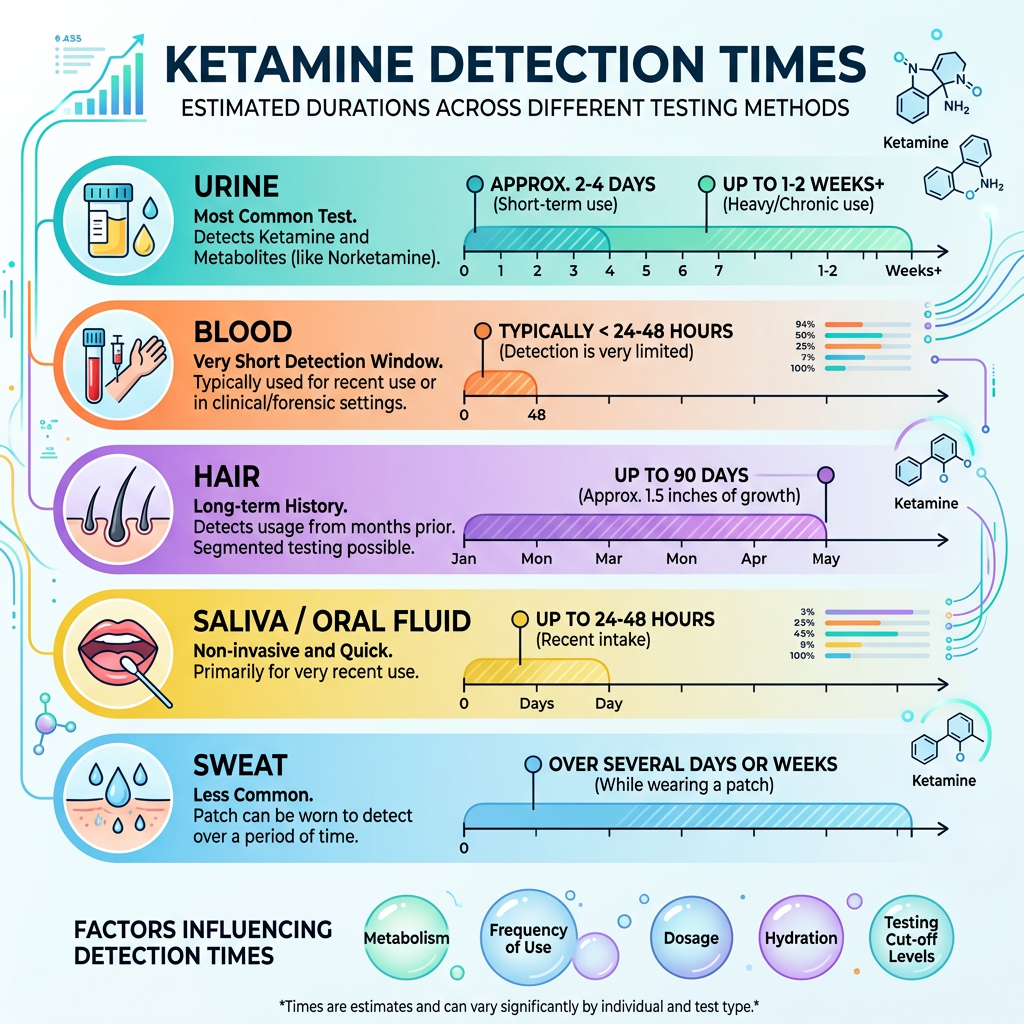
How long does Ketamine stay in your system?
How long does Ketamine stay in your system? As an experienced addictions clinician with over thirty years experience my question to that is: Why do you need to know? Is it because you are worried it will show up in a drug screen at work? Are you worried about being drug tested by the police…
Grace Kennedy
12:23 pm, July 2, 2026
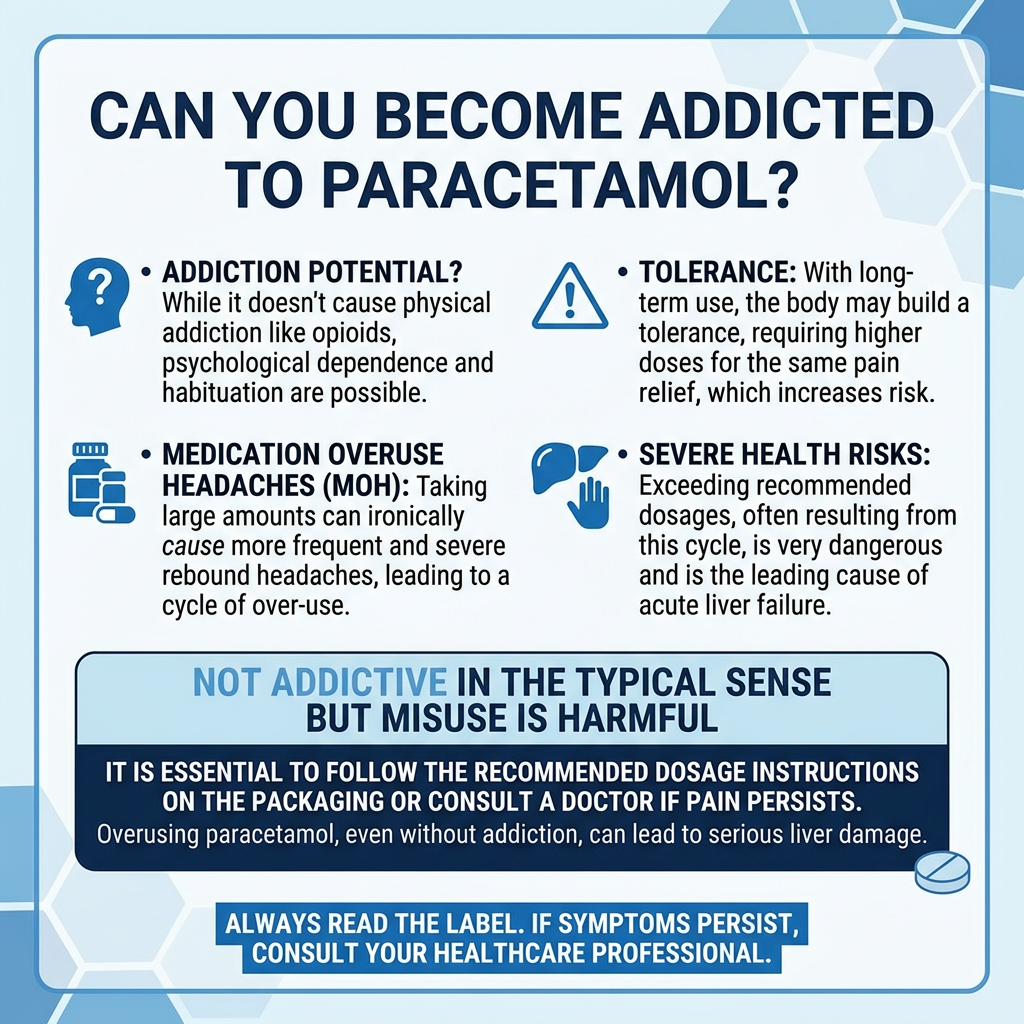
Can you become addicted to Paracetamol?
Can you become addicted to Paracetamol? No. Well not it in the same way you become addicted to heroin or alcohol as the way it affects the brain is different. That doesn't mean that some people are not addicted to taking it in the way that they take it, repeatedly. How does Paracetamol work? The…
Grace Kennedy
6:08 pm, June 26, 2026
Can you do a Methadone detox at home?
Can you do a Methadone detox at home? In theory: Yes. In practice: No. It is a nice idea that you can stay at home, take some methadone and your opioid use disorder is cured. Sadly it just doesn't work like that. In order to understand why this won't work you need to know what…
Grace Kennedy
6:49 pm, June 25, 2026