
Safe Transition from Antidepressants: A Guide
October 12, 2025
9:59 am

Table of contents
Rehab Help For Antidepressant Dependence is a growing area of addiction treatment.
Antidepressants have been around for many decades. There are many different types and as with all medications, have predictable side effects.
Used correctly, they can make a real difference to peoples lives. For some, they can be life saving.
Typically, under prescribed by busy GP’s, conversely people are left on them because GP’s know the conversation to start a reduction plan is going to be challenging.
Rehab Help For Antidepressant Dependence is available. It will be hard work but worth it. Let our expert addictions clinicians give you an overview.
Coming off antidepressants is a big step.
If you need Rehab Help For Antidepressant Dependence let our experienced addictions clinicians share their advice with you.
Make an informed choice
It is not a decision that should be made on the spot and it is always advisable to discuss this with the doctor who prescribed them to you.
Like other medications and drugs antidepressants affect brain chemistry.
Use our experience
Here at Find Me a Rehab, we have experienced addictions clinicians who can give you free and confidential advice on any aspect of addiction treatment, rehab and therapy.
If you need a Free Rehab Referral Service: Call or email. Anyone can get Free Clinician Drug Advice from us.
Changes in brain chemistry
When you take antidepressants they work on receptors in your brain either opening up, or closing, chemical channels which have the desired effect.
After a time, your brain adjusts to the presence of anti-depressants within the receptors.
If you stop taking them, suddenly, you force your brain to make immediate adjustments: Which it can’t.
This is why you experience withdrawals.
Withdrawing from antidepressants can be very, very, uncomfortable with both distressing physical and psychological symptoms.
These can last for weeks, even months.
Rehab Help For Antidepressant Dependence requires professional input.
What is antidepressant rehab?
Antidepressant rehab means entering a rehab centre where you will be given all the help and care you need to make the successful transition from using antidepressants to a life without them: Under medical supervision.
Collaborative treatment planning
Using a treatment plan, drawn up between you and your addictions clinician in rehab, you will reduce your medication while being carefully monitored and supported.
This medical input is essential but is only a small part of the process.
The central component is therapy: Learning how to look after yourself, exploring the past, healing, and preparing for the future.
Who would benefit from antidepressant rehab?
If you have dealt with the issues that led to you being prescribed antidepressants and your doctor agrees, you can use rehab to taper off and stop taking them.
Expert help will make the transition that much easier.
Never try cold turkey
Trying to do this at home, on your own, will be extremely tough.
It can also be incredibly dangerous. In any event, the cravings are likely to be so great that you will start using them again.

Key Takeaways
- Antidepressants can be life-saving but cause withdrawal symptoms when stopped suddenly.
- Rehab Help For Antidepressant Dependence provides the support needed during withdrawal transitions.
- Professional guidance ensures safety and emotional support during the detox process.
- Therapy is essential for recovery, focusing on coping mechanisms and self-care.
- Aftercare services help maintain recovery and provide continued support once rehab ends.
Why do antidepressants cause withdrawal symptoms?
As with other medications, antidepressants affect brain chemistry.
They are designed to work on certain receptors in the brain, either to open up chemical channels or close them so as to have an effect. In time, your brain becomes accustomed to their presence.
This is known as tolerance. If you stop taking them, this will force an immediate readjustment which is why you experience withdrawals.
Antidepressant Discontinuation Syndrome
This is known as ADS: Antidepressant Discontinuation Syndrome. The results can be both physical and psychological:
- Dizziness
- Nausea
- Headaches
- Sweating
- Flu like symptoms
- Tingling
- Anxiety
- Irritability
- Mood swings
- Depression
- Insomnia
Should I detox from antidepressants on my own?
Some people make the mistake of trying to do this on their own, at home.
While it is a nice thought that having your family and friends around you will be sufficient to get you through, it won’t be.
You need professional medical and psychological support to get you through the cravings and physical withdrawals.
Our experienced addictions clinicians have the knowledge to advise you
Here at Find Me a Rehab, we have experienced addictions clinicians who can give you free confidential and impartial advice on any aspect of addiction treatment, rehab and therapy.
If you need a Free Rehab Referral Service: Call or email. Anyone can get Free Clinician Drug Advice from us.
Rehab Help For Antidepressant Dependence :Stages of Antidepressant Withdrawal:
First 72 hours:
- Anxiety
- Dizziness
- Headaches
In rehab, there are medical staff on site, 24/7, to monitor you and provide adjunctive medication that your addictions clinician will prescribe for you on admission.
Days 4 to 7:
- Nausea
- Insomnia
- Flu like symptoms
The physical symptoms will now be quite uncomfortable so adjunctive medication can be very useful at this point.
Staff will continue to monitor and support.
Your clinician will also be on hand, if needed.
Should any adjustments be necessary your clinician will attend to it.
Days 8-14
- Mood swings
- Irritability
- Fatigue
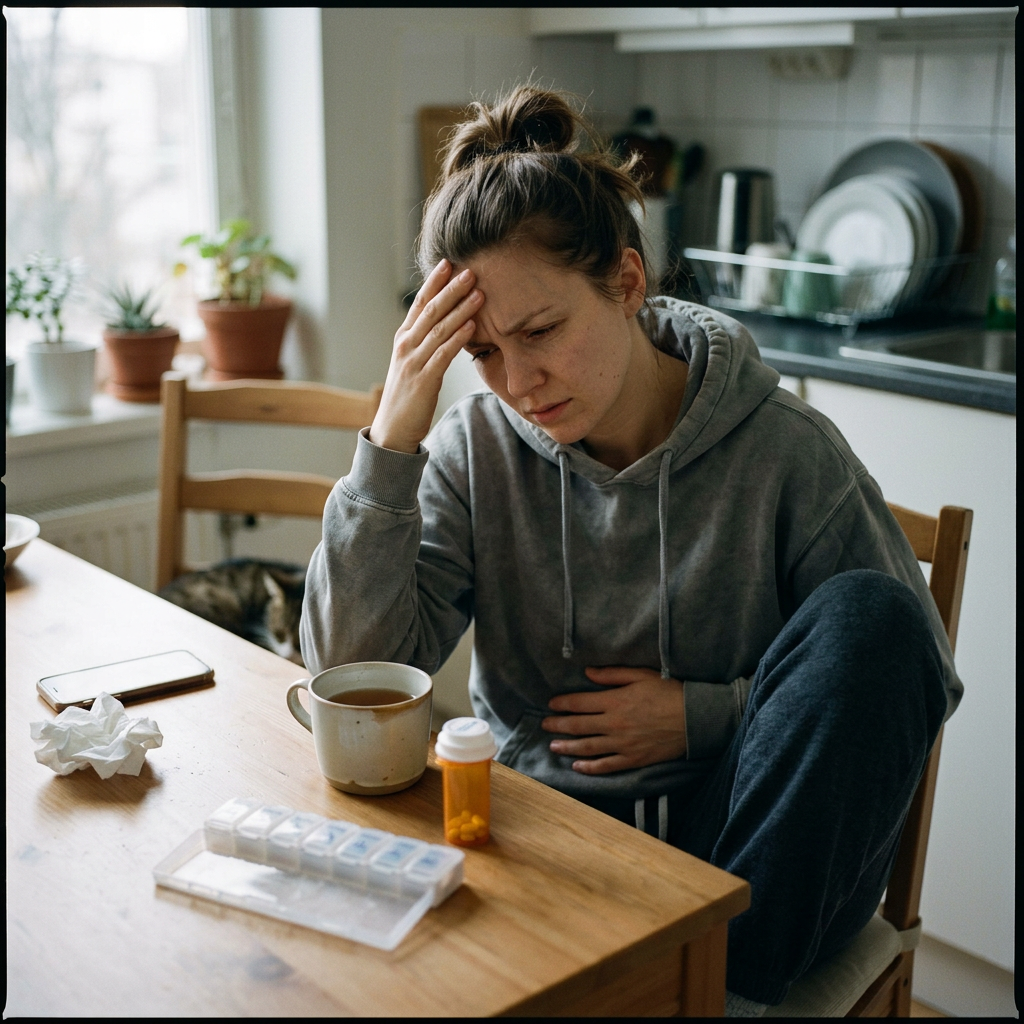
This is where the therapy really begins to become essential. Trained professionals to help you understand these difficult emotions, how to process them, how to look after yourself while being immersed in a circle of unconditional support.
Weeks 3-4
At this point your physical symptoms should have, mostly, subsided.
Sadly, your psychological ones will still be difficult to process.
Without professional input, you may well succumb to cravings.
What to expect at antidepressant rehab
Rehab is not easy.
Sure, the surroundings are nice with good food and a nice warm bed, the therapy process will be challenging.
It is not a health retreat or a spa but a process that can transform your life: if you want it to.
Be prepared for hard work.
Challenging groups and individual sessions.
You will be surrounded by others committed to recovery and supported by staff, many of whom have been in recovery for years.
Rehab Help For Antidepressant Dependence :Initial assessment
The process starts with an initial assessment, either with one of our clinicians (for free) or with a clinician at a rehab centre.
This will look at your medical history in the strictest of confidence.
The aim is a personalised treatment plan.
The aim is to reduce your antidepressants while you are in rehab so a s to ensure a smoot transition from use to abstinence.
With medical staff on hand,24/7, adjunctive medication can be provided (prescribed by the on site clinician) to help you through the withdrawals.
While the medical input is essential, it is the therapy that plays the central role in rehab.
Don’t get hung up on which model of therapy is used in rehab
12 step, SMART, eclectic: The nature of the main body of therapy at a centre really doesn’t matter.
What matters is that you commit yourself to the process.
All centres have a group therapy process at it’s core and use additional therapies to compliment the recovery trajectory.
Aftercare
When you leave rehab you are going back to your life: your job, relationships, studies ,etc.
You will be armed with a mental toolkit to deal with stressful situations.
Sometimes, you need an extra boost, or just someone to check in with you to see how you are doing.
If you are struggling, having easy access to expert help could be the difference between a temporary wobble and relapse.
Rehab Help For Antidepressant Dependence needs ongoing work and support once you leave rehab.
Rehab Help For Antidepressant Dependence :Getting help
Here at Find Me a Rehab, we have experienced addictions clinicians who can give you free and confidential advice on any aspect of addiction treatment, rehab and therapy.
If you need a Free Rehab Referral Service: Call or email. Anyone can get Free Clinician Drug Advice from us.
We only signpost to legally registered centres.
Rehab Help For Antidepressant Dependence is possible.
Need help finding the right rehab for you or a loved one? Get in touch today and take the first step toward recovery.
Speak to usRecent Posts
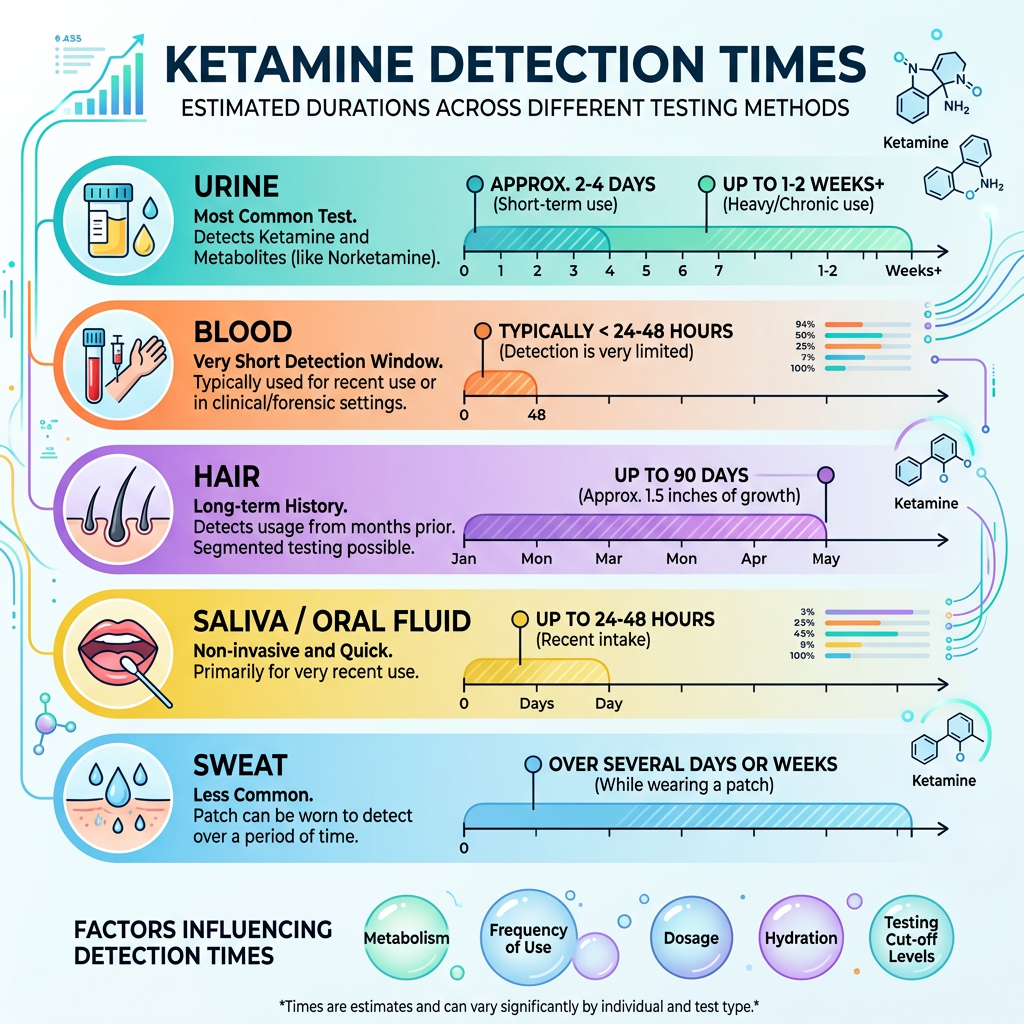
How long does Ketamine stay in your system?
How long does Ketamine stay in your system? As an experienced addictions clinician with over thirty years experience my question to that is: Why do you need to know? Is it because you are worried it will show up in a drug screen at work? Are you worried about being drug tested by the police…
Grace Kennedy
12:23 pm, July 2, 2026
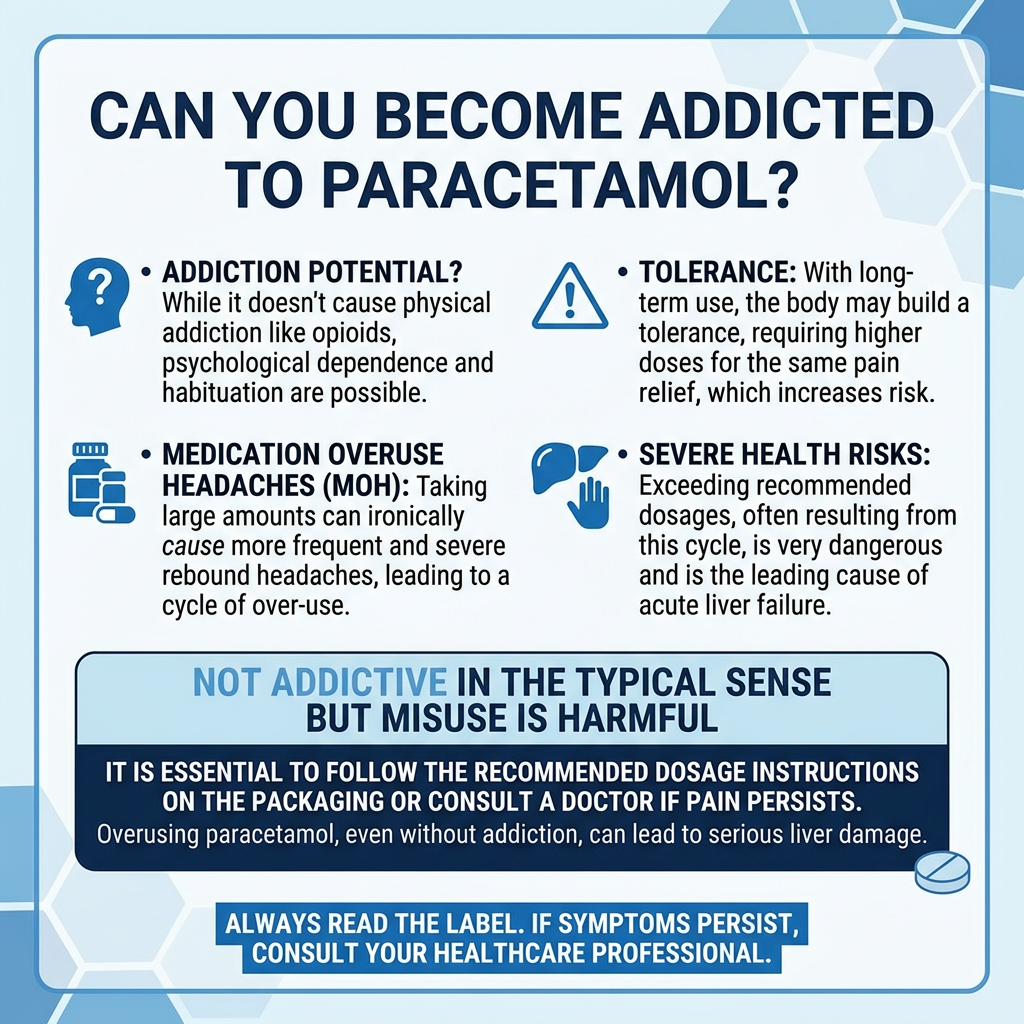
Can you become addicted to Paracetamol?
Can you become addicted to Paracetamol? No. Well not it in the same way you become addicted to heroin or alcohol as the way it affects the brain is different. That doesn't mean that some people are not addicted to taking it in the way that they take it, repeatedly. How does Paracetamol work? The…
Grace Kennedy
6:08 pm, June 26, 2026
Can you do a Methadone detox at home?
Can you do a Methadone detox at home? In theory: Yes. In practice: No. It is a nice idea that you can stay at home, take some methadone and your opioid use disorder is cured. Sadly it just doesn't work like that. In order to understand why this won't work you need to know what…
Grace Kennedy
6:49 pm, June 25, 2026