
Understanding Local Authority Addiction Services in the UK
August 16, 2025
11:14 am
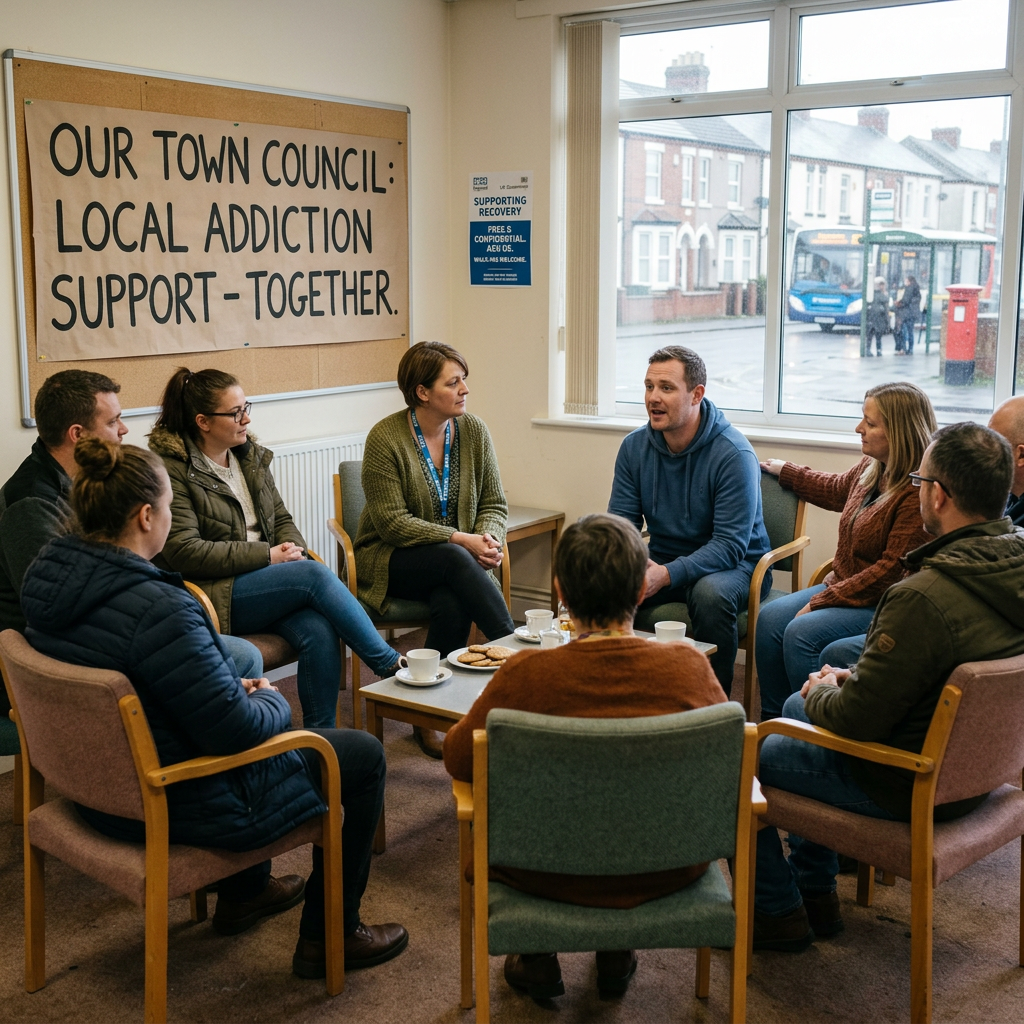
Table of contents
- Introduction
- Where should someone turn for help for addiction?
- Going to A+E won’t get you admitted for addiction
- The limitations of statutory services when considering the options for addiction treatment
- The logistics of local authority statutory addiction services
- Local authority funded rehab
- Private medical insurance when considering Options for Addiction Treatment
- Advantages of private rehab centers
- The importance of aftercare when considering Options for Addiction Treatment
- How can Find Me a Rehab help with options for addiction treatment
- Getting help with options for addiction treatment
Introduction
Options for addiction treatment are varied.
When making a decision as to where to go for help with addiction it is essential that you make a decision based on fact and not emotion.
If you are using local authority (free services) you are restricted to the service commissioned for your postcode area. Should you wish to use private services there are many to choose from.
Knowing where to go for help when you or a loved one is struggling with addiction does not need to be a overly complex.
Addiction is a serious illness, which, left untreated: claims lives. However, treatment for addiction, unless there is a medical emergency, is a planned intervention.
While the NHS will respond to a medical emergency, their duty of care is limited to just that. They will stabilise you and discharge you with advice and guidance.
There is always time to make an informed choice based on the right information.
Let our experienced addictions clinicians share their knowledge and expertise with you.
Where should someone turn for help for addiction?
Knowing where to turn for help with addictions in the UK can be confusing, but it doesn’t need to be.
In short: The NHS is not funded for addiction services. Well, not directly! It can be a little complicated so let us explain:
All drug and alcohol services in England and Wales are funded through local authorities.
In essence, whoever you pay your council tax to provides your services.
The first thing statutory services will ask you is: What is your postcode?
In short, if you do not live in the catchment area they won’t be able to assist you as they won’t be paid for doing so.
Understanding the different options for addiction treatment
Statutory service provision are free to engage private companies, 3rd sector providers, charities or the NHS: It is there choice.
This means there is a vast disparity between what you can expect as a client. Budgets are tight: There is not getting away from that.
Managing expectations when considering the options for addiction treatment
Whatever shape you are in, a statutory service is not going to put you in a rehab centre overnight. Some statutory services have more funding than others.
Some will provide residential detox and rehab, some a detox only and others will try and manage you in the community.
Whichever service provider you come under, they have to apply for funding for you if they are able to consider residential treatment.
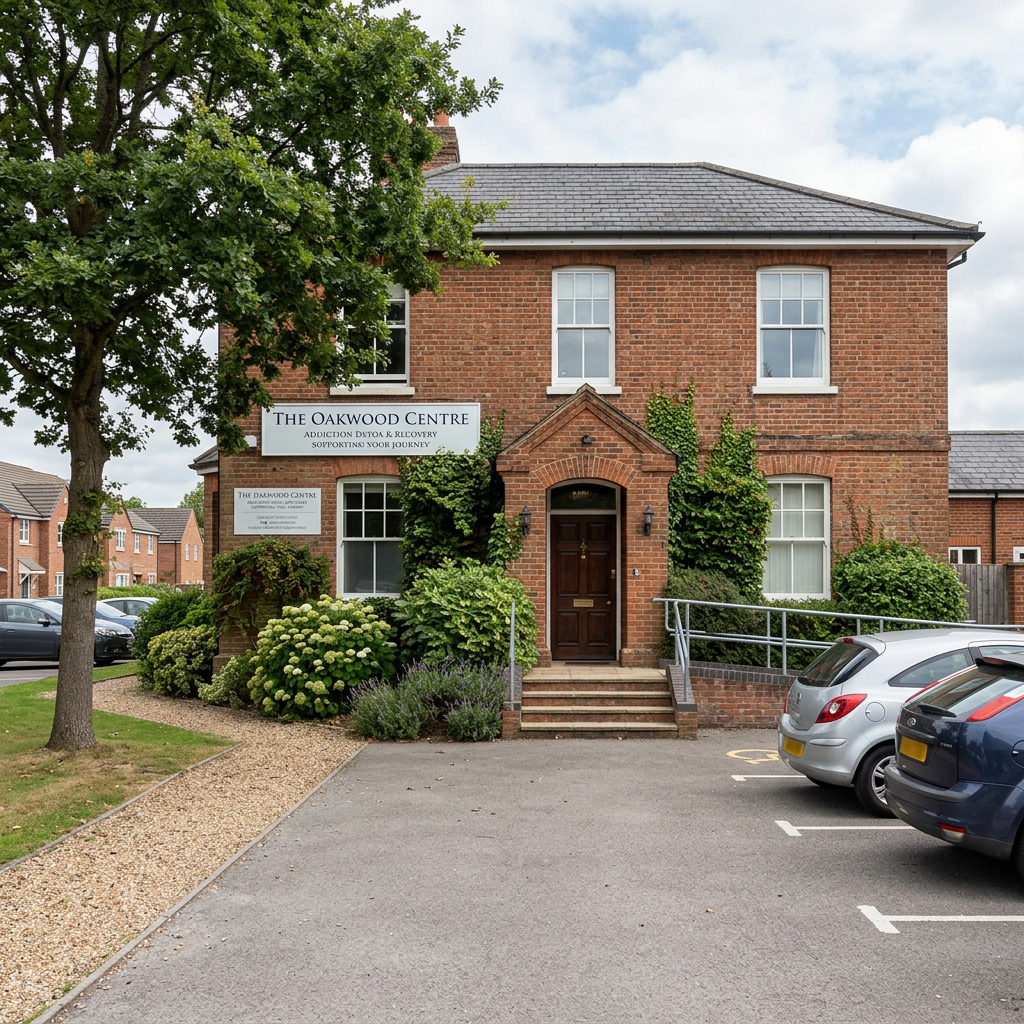
Navigating statutory local authority addiction services
Commissioning for community drug and alcohol services is complicated, but some things are simple: All will offer substitute prescribing for opioid dependent patients (heroin) and support for cocaine/crack as there is no detox needed.
With alcohol, most will, where clinically appropriate, offer a community detox.
For those having treatment in the community, it is imperative that their family and others supporting them know how to provide boundaried and appropriate help and not enable their addiction.
Don’t try and bypass the system: It won’t work when considering the Options for Addiction Treatment
Some people think they can circumvent community service provision by getting themselves admitted to their local accident and emergency service: Don’t bother as it won’t work.
The NHS is not funded for addiction services.
Their duty of care is only to what is reasonable in the circumstances.
In other words, if they have to admit you they will, literally, discharge you the minute it is safe to do so.
Going to A+E won’t get you admitted for addiction
This means, for example, for alcohol if you are admitted they will medicate you to the point where you are safe to leave when they will give you advice on how to keep drinking to maintain safety.
For those who are in need of medical attention, aside from their dependency, treatment will be given solely to manage symptoms.
With opioid patients, many NHS Trusts will only provide medication (usually Methadone) to manage symptoms and not to provide a detox.
For alcohol patients, when someone is admitted to hospital, the NHS will provide medication for a detox solely because of the risks if they do not.
The fundamental flaw is that this does not allow for any therapeutic input. A relapse is, almost, guaranteed.
The limitations of statutory services when considering the options for addiction treatment
Statutory community services are not commissioned to provide treatment for benzodiazepines, Pregabalin, Gabapentin, Ketamine, GHB, GBL, Methamphetamine or any other drugs.
They might be able to give advice but they don’t get paid for providing detoxes for these items and neither would it be safe to do so.
Your GP may well be able to give advice, and help taper down prescriptions for Benzodiazepines, Pregabalin, Gabapentin and pain killers.
Indeed, many GP’s are now under pressure from clinical commissioning groups to do so.

The logistics of local authority statutory addiction services
When someone engages with community services they will usually be invited in for an initial assessment with a keyworker (usually someone who has been in recovery themselves for some years) If appropriate, you will be given an appointment with a clinician if they require a prescription for Methadone/Subutex/Buvidal or a community alcohol detox.
If you are fortunate enough to be provided with residential treatment by a statutory service you may be given a short residential detox only.
This is useful (and in some cases life saving) but without the therapeutic input it will fail: Quickly.
Local authority funded rehab
Some services are able to provide a short period of residential rehab, as well, but due to funding issues this second element of treatment may be in a different location and not, necessarily, be immediately after detox.
This can be catastrophic as any gap between the two elements can lead to immediate relapse.
Detox can lead to cravings and release difficult emotions and feelings that were being numbed by drink and drugs.
Restrictions on local authority funding for residential rehab
You will only be considered for residential treatment by a community service provider if you engage. This means attending meetings, keywork sessions and groups.
Due to severe funding restrictions, community services have to use the most economical services available.
Commissioners (those who hold the funds for the local council) negotiate very preferable rates with residential treatment centres.
While all centres are safe, clean and effective, the ones they use , if you use a parallel of a hotel, are more of a budget Travelodge than a Hilton.
Key Takeaways on options for addiction treatment
- Choosing the right help for addiction requires factual information rather than emotional decision-making.
- NHS services focus on emergencies but lack comprehensive addiction treatment; funding comes from local authorities based on postcode.
- Private rehab centers offer faster admissions and a combination of detox and therapy, but insurance coverage may be limited.
- Community addiction services often have strict limitations and may not provide detox for all substances, while residential treatment relies on client engagement.
- Aftercare support is crucial for long-term recovery; services like Find Me a Rehab can connect individuals to various treatment options for addiction treatment.
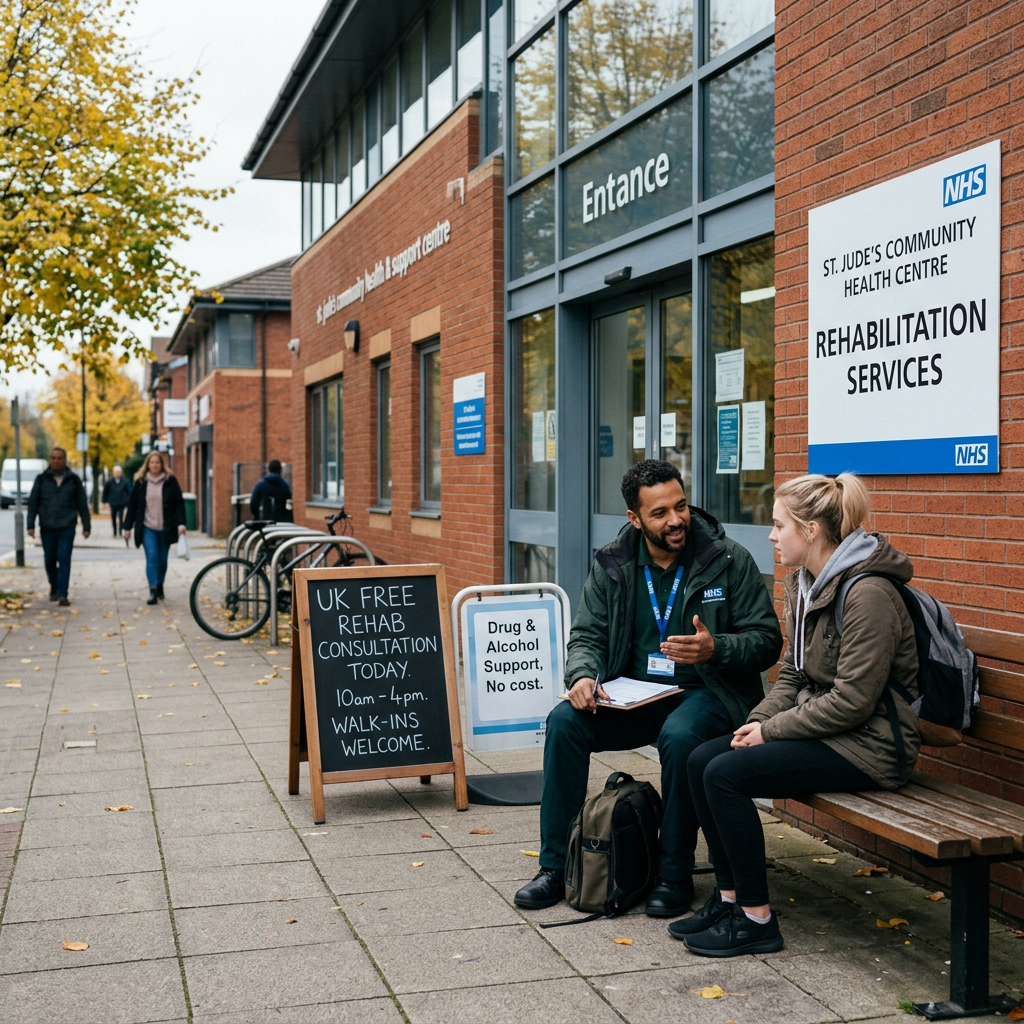
Private medical insurance when considering Options for Addiction Treatment
For some clients, they are able to use their private health insurance.
It is important to check your policy to ensure it has a component for addiction treatment as most do not.
Where you are covered it is important to check with a centre to see if they do accept insurance cases.
A lot don’t because of the very heavily discounted rates the insurance companies pay and the length of time it takes them to pay the centre.
Referral agents always try and avoid such cases as the centres pay significantly reduced commissions. When someone does have insurance they may have to travel a lot further than they had intended to.
If you have the means, private residential treatment and community services are available: sometimes the same day.
Advantages of private rehab centers
Some centres will accept clients seven days a week and, if early enough in the day and if clinically appropriate, admission can be arranged within hours.
All private centres provide combined detox and rehab: To provide detox only in counter intuitive.
There is no such thing as a “quick detox”. Anyone who is in need of treatment did not get to that point overnight. Sometimes, there are those who have, sadly, relapsed and think they can recover without any therapeutic input. Unfortunately, this is not the case.
Different therapy models
Some centres use a 12 step model, some use a SMART approach and others something else. At the end of the day it really doesn’t matter.
What is important is that the person is in a safe, reputable centre where they can be medically managed and receive the therapy they need.
One essential element that private centres provide is aftercare.
The importance of aftercare when considering Options for Addiction Treatment
All centres provide, at least, a 12 month open invitation to a weekly support session as telephone support.
Where appropriate, clients (for an additional fee) can access the same therapist they saw at the center as well as continue with family therapy.
How can Find Me a Rehab help with options for addiction treatment
Knowing how to support a loved one while they are in rehab will make a substantial contribution to their chances of long term abstinence.
Our experienced addictions clinicians are not tied to any centre, though they have worked in most of them!
Their advice is free and wholly confidential. They can advise you on all options, from low cost to high end luxury provision.
We provide a Free Rehab Referral Service for anyone who needs it. Here at Find Me a Rehab we have experienced addictions clinicians who provide Free Clinician Drug Advice to all.
Getting help with options for addiction treatment
Call, email or live chat with an experienced addictions clinician on any aspect of addiction, detox, rehab, therapy, home treatment and aftercare.
Our experienced clinicians can advise you on treatment plans, treatment options, locations, costings and logistics.
We only signpost to legally registered services.
Need help finding the right rehab for you or a loved one? Get in touch today and take the first step toward recovery.
Speak to usRecent Posts
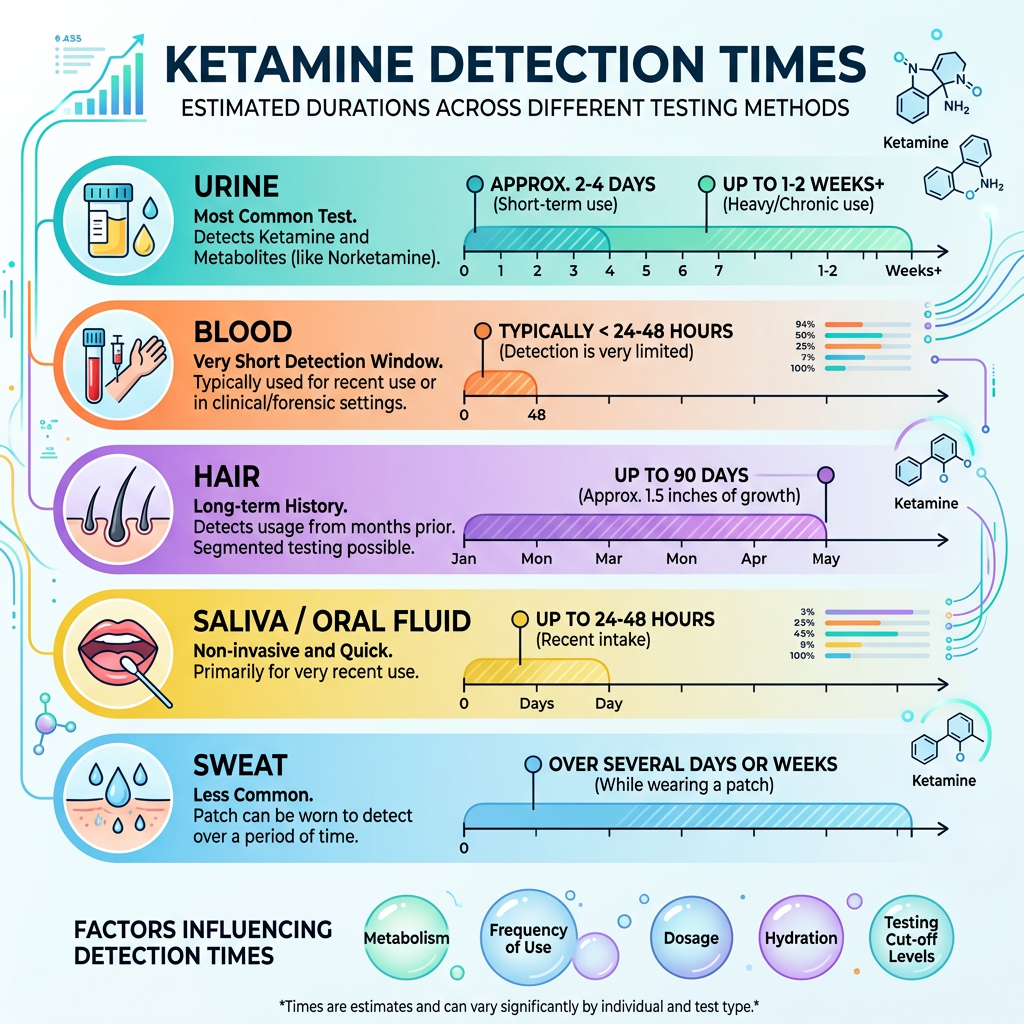
How long does Ketamine stay in your system?
How long does Ketamine stay in your system? As an experienced addictions clinician with over thirty years experience my question to that is: Why do you need to know? Is it because you are worried it will show up in a drug screen at work? Are you worried about being drug tested by the police…
Grace Kennedy
12:23 pm, July 2, 2026
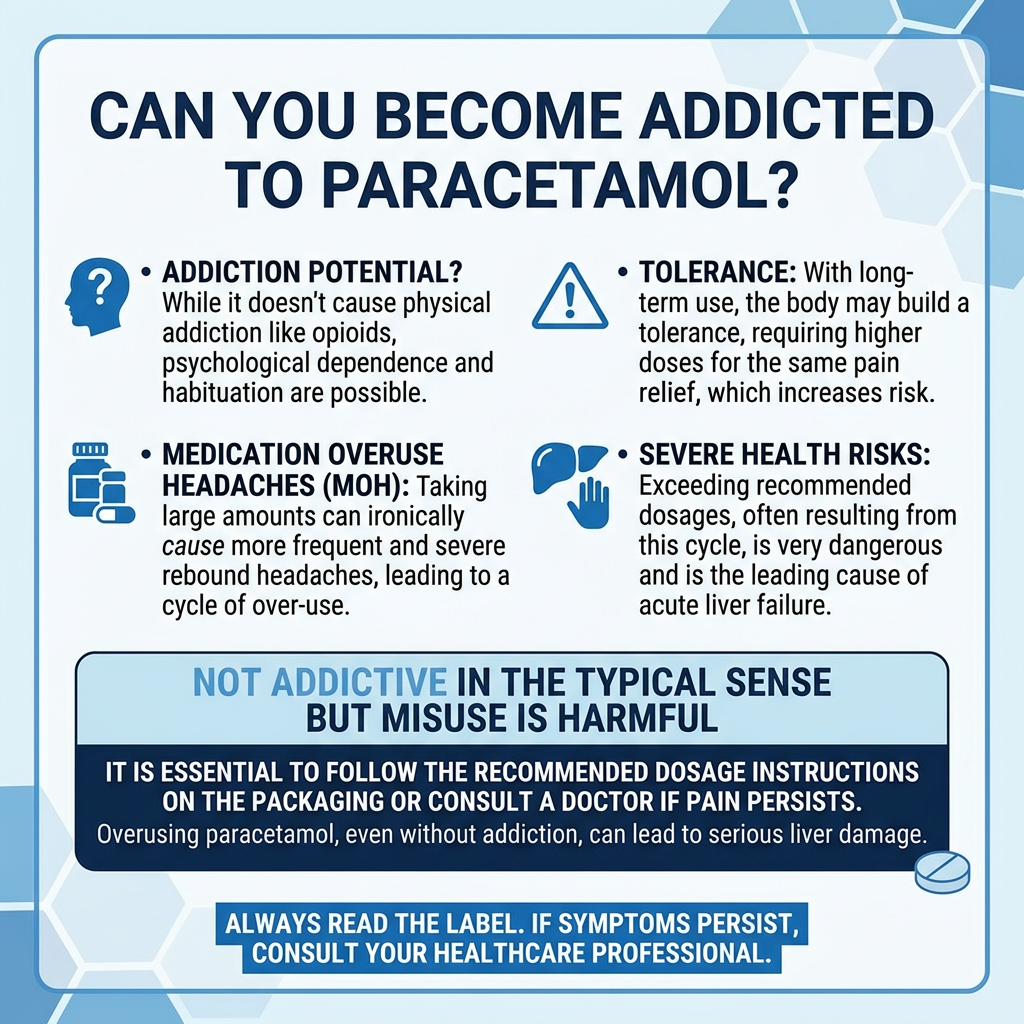
Can you become addicted to Paracetamol?
Can you become addicted to Paracetamol? No. Well not it in the same way you become addicted to heroin or alcohol as the way it affects the brain is different. That doesn't mean that some people are not addicted to taking it in the way that they take it, repeatedly. How does Paracetamol work? The…
Grace Kennedy
6:08 pm, June 26, 2026
Can you do a Methadone detox at home?
Can you do a Methadone detox at home? In theory: Yes. In practice: No. It is a nice idea that you can stay at home, take some methadone and your opioid use disorder is cured. Sadly it just doesn't work like that. In order to understand why this won't work you need to know what…
Grace Kennedy
6:49 pm, June 25, 2026