
The role of medication in addiction treatment
April 4, 2025
1:08 pm
Table of contents
- Role of medication in addiction treatment :Do I need a detox?
- What medication will I need?
- Role of medication in addiction treatment :Can I not just go “cold turkey”?
- Role of medication in addiction treatment : Do all alcohol patients need a detox?
- If I leave early can the centre provide medication for me to take home, or can my NHS GP not help?
- Role of medication in addiction treatment :How can Find Me a Rehab help?
The role of medication in addiction treatment? Surely going into rehab is about coming off medication? A common thought, but not necessarily the case.
Some people will need a detox, some people won’t.
There are some addictions where adjunctive medication is needed to safely come away from using drugs.
Our experienced addictions clinicians each have decades of experience in assessing, diagnosing, prescribing for and treating people in recovery from addiction.
Here we share our advice and knowledge with you.
Role of medication in addiction treatment :Do I need a detox?
This depends on several factors, not just the substance someone is dependent on.
Some substances, by their very nature, will require medical intervention to safely come away from, if they have been taken in quantity for a prolonged period.
The most common being Heroin and alcohol. Others do not require a “detox”, but clients may benefit from some adjunctive medication to assist with some residual signs of withdrawal.
For example, there are no national guidelines on detox for cocaine as it is a short acting drug. Psychosocial input is the mainstay of treatment.
What medication will I need?
That depends on the substance in question on which a client is dependent.
For alcohol it will always be a benzodiazepine if a detox is necessary.
The choice of drug used is normally directed by the local formulary agreed by the clinical team at the rehab centre.
Ordinarily, unless a client has hepatic damage (a degree of liver damage) a short acting benzodiazepine is used, such as Chlordiazepoxide (Librium).
Where a client has a degree of hepatic damage but is still able to be treated in a residential treatment centre a shorter acting drug such as Clonazepam can be used.
For opioid dependency Methadone is the gold standard but many centres also use Buprenorphine (Subutex) as it means clients can achieve detox and abstinence quicker than if they used Methadone and thus reduce the cost of treatment.
For Ketamine, GHB/GBL and very severe cocaine crack and cannabis dependency, the mainstay of treatment is benzodiazepines, either on a reducing scale or on a “as and when” basis.
Role of medication in addiction treatment :Can I not just go “cold turkey”?
In short, the answer is: No!
This can be life threatening, in some cases, and at the very least, would be unnecessarily uncomfortable and put the client at risk of relapse.
One of the major issues that would arise, especially with opioid dependent patients, is that immediate cessation, without detox (cold turkey) leaves the person lacking tolerance of opioids and, when cravings return, at very serious risk of accidental overdose.
This is because the client is likely to seek out the drug in question and try and sustain their withdrawals without a level of substance in their system.
Previously it was thought that going “cold turkey” from heroin was perfectly safe, later research questions this approach as patients have been known to experience severe clinical dehydration due explosive and sustained diarrhoea. It can even be fatal.
Other substances, such as GHB/GBL and Ketamine,, can necessitate significant medical input, with medication.
Key Takeaways
- Medication plays a crucial role in addiction treatment, sometimes requiring detox and adjunctive support for safer recovery.
- The necessity of detox depends on various factors, including substance type and individual history of usage.
- Cold turkey detox can be dangerous and increase the risk of relapse or overdose, especially in opioid dependence.
- Not all alcohol patients require detox; individual circumstances dictate treatment decisions, including the phenomenon of Kindling.
- Find Me a Rehab provides free, impartial advice from experienced clinicians to those seeking addiction treatment options.
Role of medication in addiction treatment : Do all alcohol patients need a detox?
No.
Again, it depends on the individual, how long they have been drinking, what they have been drinking and previous treatment episodes.
What is becoming increasingly apparent is a phenomenon known as Kindling.
In short, the danger increases every time a client goes through detox, especially when the time gap between them decreases.
Some clients arrive with no clinical indication that a detox is needed from alcohol, yet their presentation changes and medication is provided. For others a medication regime is prescribed on admission but can be curtailed sooner than expected.

If I leave early can the centre provide medication for me to take home, or can my NHS GP not help?
In most circumstances, the answer would be no as it would not be safe for a client to try and self-manage.
There are some exceptions to this.
For example, a patient 13 days into a 14-day alcohol programme may have just one or two doses of detox medication left.
At this stage, a centre may allow the client to take the medication home. In any event, not having it would not render any risk.
An NHS GP cannot assist with detox medication due to funding arrangements between the local Integrated Care Board (NHS commissioners) and the surgery.
Role of medication in addiction treatment :How can Find Me a Rehab help?
We are addictions clinicians.
Over decades, each, of working in prisons, private hospitals, private rehabs, NHS commissioned services and local authority provisions (as well as home treatment services) we have the knowledge to give you free and confidential advice.
Our advice is free. We never charge for initial consultations or referrals only for home treatment and therapy.
We only signpost to legally registered services and centres.
Need help finding the right rehab for you or a loved one? Get in touch today and take the first step toward recovery.
Speak to usRecent Posts
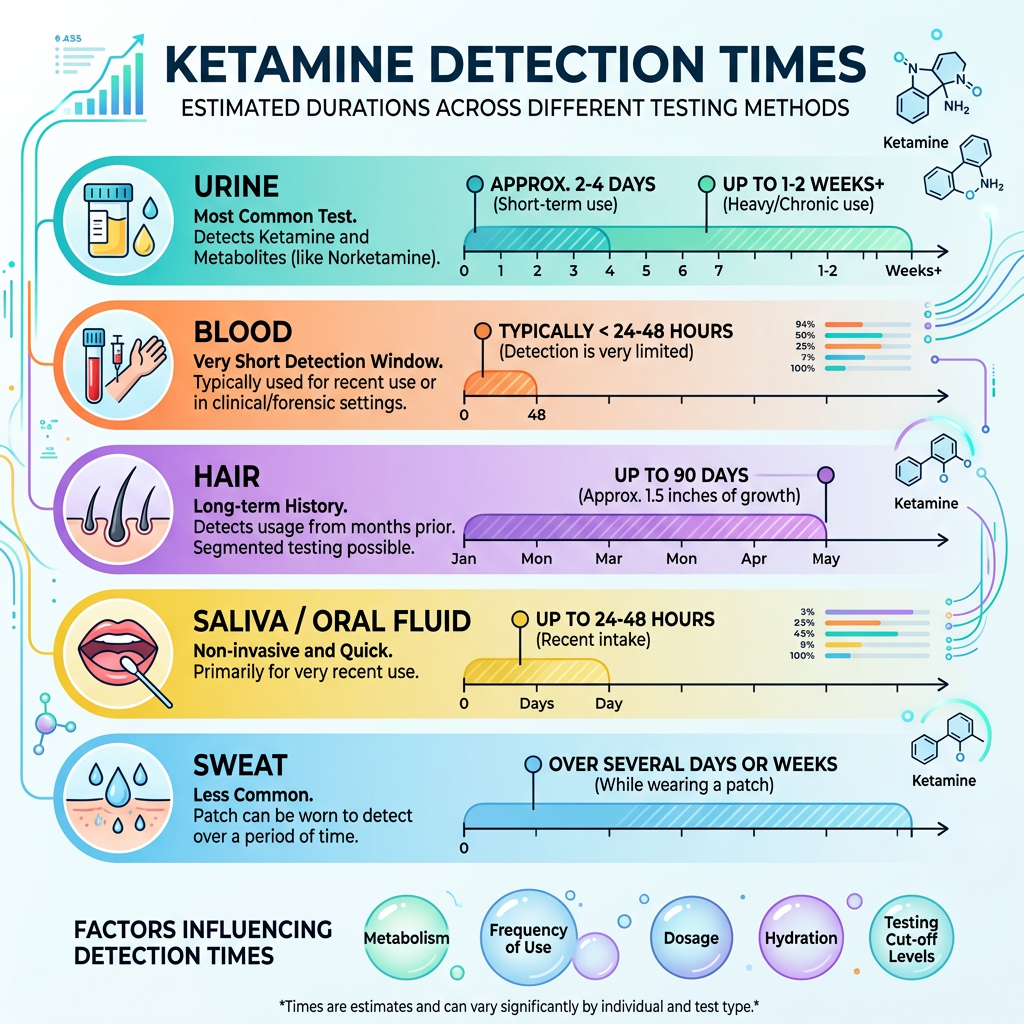
How long does Ketamine stay in your system?
How long does Ketamine stay in your system? As an experienced addictions clinician with over thirty years experience my question to that is: Why do you need to know? Is it because you are worried it will show up in a drug screen at work? Are you worried about being drug tested by the police…
Grace Kennedy
12:23 pm, July 2, 2026
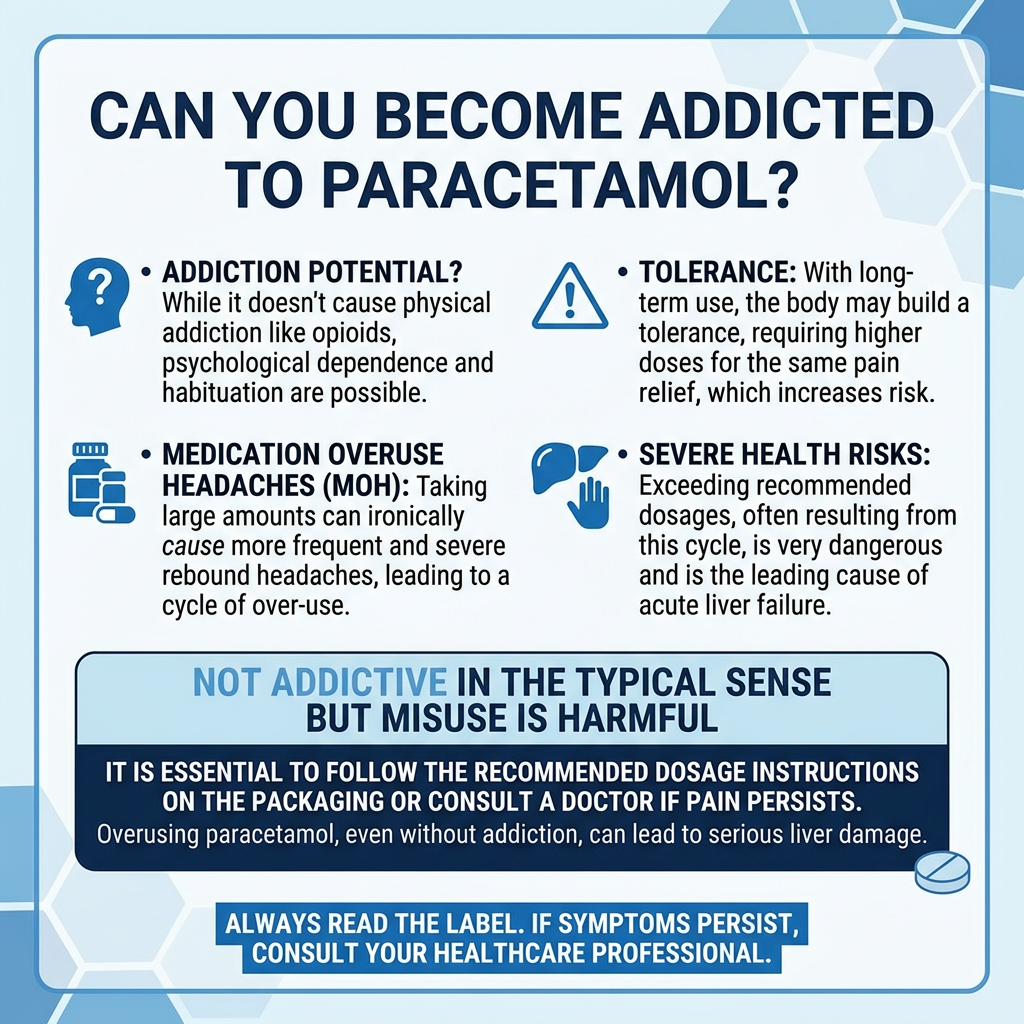
Can you become addicted to Paracetamol?
Can you become addicted to Paracetamol? No. Well not it in the same way you become addicted to heroin or alcohol as the way it affects the brain is different. That doesn't mean that some people are not addicted to taking it in the way that they take it, repeatedly. How does Paracetamol work? The…
Grace Kennedy
6:08 pm, June 26, 2026
Can you do a Methadone detox at home?
Can you do a Methadone detox at home? In theory: Yes. In practice: No. It is a nice idea that you can stay at home, take some methadone and your opioid use disorder is cured. Sadly it just doesn't work like that. In order to understand why this won't work you need to know what…
Grace Kennedy
6:49 pm, June 25, 2026