
Staying sober: Tips for navigating social events and triggers
May 28, 2025
9:21 am

Table of contents
- Introduction
- Staying sober at social events: What is a trigger?
- Are there any social situations which are problematic to everyone in addiction?
- Staying sober at social events: What should I tell people?
- How can I say no to a drink or drugs?
- Situational awareness
- How can I plan for a social event?
- What activities are available that don’t involve using drugs or alcohol?
- If you cannot find something: Start something!
- Staying sober at social events: Emergency self-care
- Recharging your toolkit
- What about alcohol free drinks?
- Staying sober at social events: Manage your own expectations
- Recovery is dynamic
- Should I acknowledge recovery milestones?
- Know who champions you in your recovery
- Staying sober at social events :Self-care
- How can Find Me a Rehab help?
- Staying sober at social events :Get help today
Introduction
Staying sober at social events is possible.
If you want to avoid all social situations: move to the moon.
As crass as that sounds, it is a reality.
You might be in recovery and need to avoid temptation, but others may not.
Why should a function not serve alcohol just because you won’t be drinking?
You wouldn’t expect a wedding banquet to be 100% vegan just because of your choice.
Being sober is a choice, a positive, beneficial and lifesaving one, but still, something you choose to do.
Being equipped to deal with situations where alcohol and drugs are present will be invaluable in your recovery.
Understanding triggers can be crucial as will knowing how to respond so not to put your recovery at risk.
Sometimes, the path of sobriety can be difficult.
Here our experienced addictions clinicians share their knowledge and experience witrh you.
Staying sober at social events: What is a trigger?
A word that is much overused these days, within the realm of addiction it means any situation that creates a desire to use.
It could be a particular smell, taste, place or person.
It could be an anniversary, time of day or a piece of music or TV show.
Knowing your triggers means you can start to deal with them.
Avoidance may be impossible and, not always, useful: If you go around life in sobriety trying to avoid things you are in for a miserable time.
Everyone’s trajectory into treatment is different, though there will be common experiences, everyone’s triggers are not going to be the same.
Drawing up a list can be powerful.
The purpose is not to delve into painful past experiences or things you would rather not think about but to be aware of them so that, when issues arise, you are prepared.
Are there any social situations which are problematic to everyone in addiction?
Yes
While everyone who seeks treatment does so due to their own experience, like a ward full of people with broken bones there will be some who had a car accident, some who fell playing sport and some who tripped over the cat.
Different experiences but shared causative factors.
- Celebrations: New year, Christenings, Bar mitzvahs, birthdays, holidays, new job, new business venture, the list is endless. It is common for people to celebrate with alcohol, others with drugs: or both.
- Locations: Being at a friend’s house, a particular bar
- Stress: Social situations can be very stressful. Having that one drink might seem the solution, but you know what it will lead to.
- Peer Pressure: Being in an environment where others are consuming can make one feel isolated or pressured to join in.
Staying sober at social events: What should I tell people?
Being as honest and open with family and friends about your recovery can provide a massive protective blanket around you.
By being open and honest, you are setting boundaries while making a supportive network.
If people really care about you, they will understand your choices. This will reduce any feelings of being isolated or pressured at social events.
How can I say no to a drink or drugs?
Be polite!
There is absolutely nothing wrong with a very simple “No, thank you”.
In most situations, this will suffice.
If necessary, tagging on “I am in recovery” may solve the problem (and can be very empowering).
Alternatively, ask for something without alcohol.
If you feel, in the situation, that disclosure is not appropriate, try “I am driving “or “My medication doesn’t allow for alcohol to be consumed.”
Support groups, supportive family friends and partners can really help when you feel overcome in a social situation.
They can offer a timely distraction or exit strategy when the going gets tough at a noisy party or someone who insists you have a drink.
They have your back.

Situational awareness
Knowing when to leave a party, for example, helps to realise what situations cannot be managed and what boundaries need to be put in place.
Even when you have good intentions the environment at a social event may be too challenging.
Leaving is not a sign of weakness: Quite the opposite.
It shows you want to stay sober.
How can I plan for a social event?
- Go with someone who understands and use a code word, that only you and they know, to signal that you need to leave.
- Don’t rely on group transport: Make plans to get yourself there, and back home. If you must leave after a couple of hours, it is unlikely that the rest of your group is going to want to.
- Timing: You don’t need to be there at the start or stay to the end be flexible.
- At the very least, in a stressful situation: STOP! Count to ten. Basic but effective.
What activities are available that don’t involve using drugs or alcohol?
For those in recovery, it is likely that, for many years, all their social activities were around using.
Avoiding these situations doesn’t mean living as a hermit.
There are countless activities that may have never been explored by someone in recovery, such as:
- Going to the zoo
- Hill walking
- Open air concerts in the park
- Yoga
If you cannot find something: Start something!
In recovery it is time to separate using from fun.
If you cannot find things in your area which provide this separation, then there is nothing stopping you from creating something.
These can be very low cost and without too much officialdom:
- Bake off with family and friends
- Card game/board game night
- Crafting event
- Volunteer your time and skills
Staying sober at social events: Emergency self-care
In rehab there is always someone there to support you, when you leave support is more remote so there will be times when you will need to utilise all your strength and learned skills from rehab to deal with a flashpoint.
Being able to “self soothe” is an incredibly simple, yet powerful tool.
- Slow breathing: Take slow, controlled breaths to help your mind to reduce stimulus and your body to slow down. A tried and tested method is to breath in for 4 seconds, hold for 7 and breathe out for 8.
- Five alive: Look for five objects you can see, search for four you can touch, listen out for three things you can hear and sniff around for two you can smell, lastly one thing you can taste. This can help you to steady your ship and shift the focus away from using.
- Mindfulness: Even a few minutes can help.
The trajectory of recovery can, sometimes, be a lonely one.
Key Takeaways
- Staying sober at social events is achievable through awareness of triggers and setting boundaries.
- Recognize common social situations that pose challenges, such as celebrations and peer pressure.
- Communicate openly about your recovery to build a support network and reduce feelings of isolation.
- Plan your attendance at events with a supportive friend and establish exit strategies if needed.
- Self-care and knowing your support system are essential tools for maintaining sobriety in social environments.
Recharging your toolkit
Rehabs talk about a mental toolkit.
If you think about it as a kit full of power tools, then you will appreciate that they need charging to be effective.
To charge your mental toolkit, the following can really help:
- GO TO GROUPS! AA, NA, SMART: It matters not which one you go to, just go.
- One to one therapy with an addiction’s clinician
- Support buddy: Even a quick chat over the phone or a coffee in Starbucks can take the pressure off.
What about alcohol free drinks?
Why not!
They are most certainly out there.
Companies invest in products if they think they will profit from the research and development.
As this market explodes, so products come on the market. Try as many as you like.
Drink as much as you want.
You can stay in control, stay on the right side of the law.
No risk of hangover or relapse.
Within your social circle you may even set a trend.
They tend to be far lower in calorific value and may even cost less.
Staying sober at social events is possible.
Staying sober at social events: Manage your own expectations
If you set boundaries, then you know when you are breaking them.
If you recognise what situations are going to be testing, you know to be extra careful.
When you are aware of your vulnerabilities, you will recognise conversations that are going to be difficult.
Most importantly: If you recognise the signs your body is giving (stress, fatigue) you know to reach out and get help.
It is perfectly acceptable to say no to someone who is trying to get you to drink or use just as it is to leave a situation you feel is going to draw you down a path of relapse.
This is not weakness: it is the opposite.

Recovery is dynamic
“Life gets in the way”.
How often do we hear this phrase?
You take your car to the car wash and a bird leaves a present on your windscreen as soon as you park up at home.
Plan as much as you like, but none of us has total control over everything.
You may need to revise your recovery plan: it is a live document and not set in stone.
“Check in” with yourself, as you would with a therapist.
Keep a journal, set aside five minutes a day to think about your recovery. If a strategy isn’t helping: Find a new one.
Should I acknowledge recovery milestones?
Why not?
Most cultures celebrate birthdays, graduation ceremonies, getting that new job, etc so why not celebrate your achievements?
It could be a decade in sobriety, the first week: It matters not.
Reward yourself!
Watch your favourite film, buy that cupcake, Savour the moment: you deserve it.
Share your success with others as they did when you first started out in recovery. It will inspire others.
Know who champions you in your recovery
Humans are social creatures.
We crave interaction and the influence of others can be huge.
If you keep close those who have your best interests at heart, your recovery gets a real boost.
Seek out and identify those who will bolster you while keeping a respectful distance from those who would damage it.
Find support in group meetings, conventions and workshops.
Online support can also be useful.
Remember: Your recovery is just that: yours.
There will be commonality among those in recovery, but everyone got into treatment for their own reasons, but you need to take responsibility for yourself.
Staying sober at social events :Self-care
Aron Ralston is famous for one thing: He cut off his own arm while stuck during a hiking trip.
He decided: Look after himself or die. Stark, simple but necessary.
Self-care in addiction treatment and recovery is also essential.
There are times when no one is available to help.
Learning to rely on yourself is important.
It is about being proactive, looking after your physical and emotional health.
Self-care will give you balance, resilience and keep you focused.
It can serve as a protective shield against challenges that you didn’t see coming around the corner.
Keep routine, ensure structure to your day, be bold, be brave: Be sober.
Staying sober is a lifetime achievement and commitment.
How can Find Me a Rehab help?
We are addictions clinicians.
Each of us have decades of experience in assessing, diagnosing, prescribing for and treating people seeking help for addiction.
Our clinicians give wholly free and totally confidential advice.
We only signpost to legally registered centres and services.
Staying sober at social events :Get help today
Call, email or live chat with an experienced addictions clinician on any aspect of addiction, detox, home treatment, relapse prevetion, therapy and aftercare.
Staying sober at social events is possible, with the right help.
Our clinicians can advise on treatment plans, treatment options, locations, cosings and logistics.
We never charge for advice or treatment referrals.
Need help finding the right rehab for you or a loved one? Get in touch today and take the first step toward recovery.
Speak to usRecent Posts
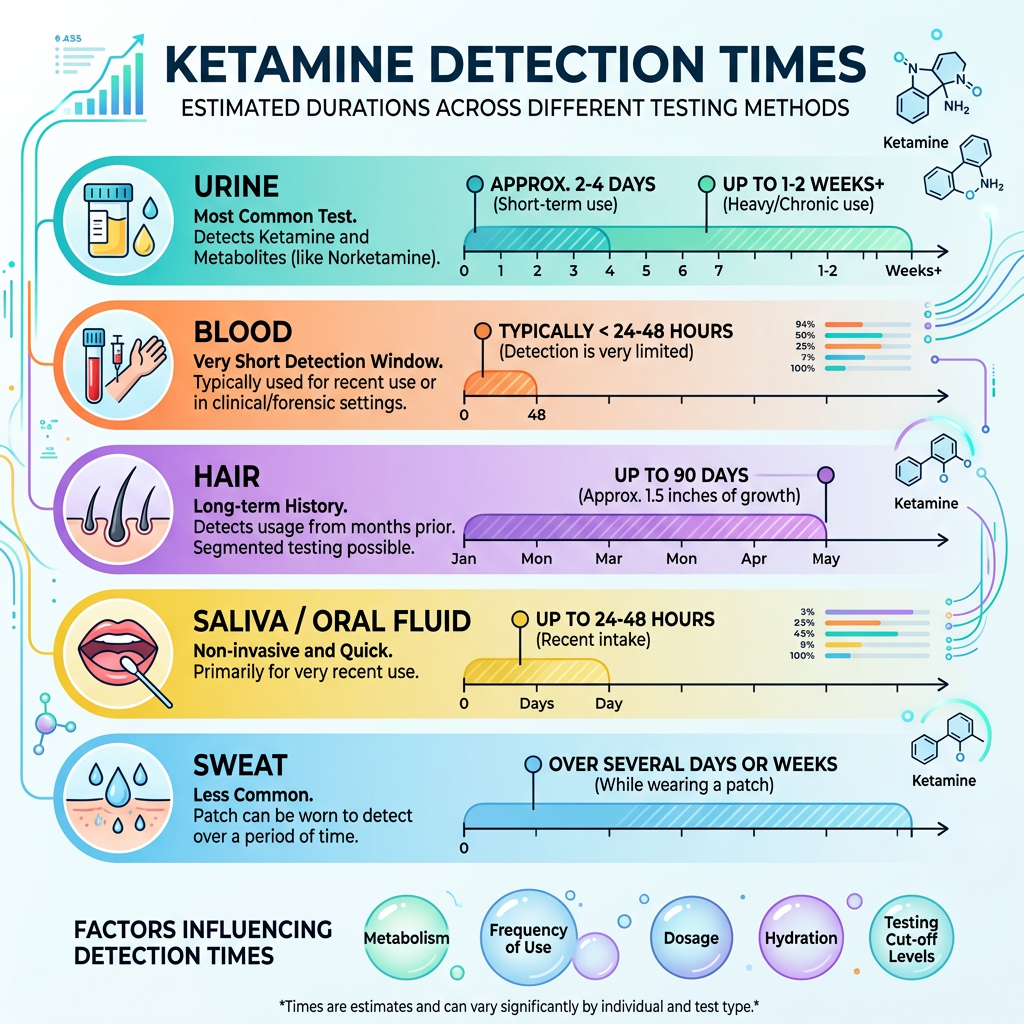
How long does Ketamine stay in your system?
How long does Ketamine stay in your system? As an experienced addictions clinician with over thirty years experience my question to that is: Why do you need to know? Is it because you are worried it will show up in a drug screen at work? Are you worried about being drug tested by the police…
Grace Kennedy
12:23 pm, July 2, 2026
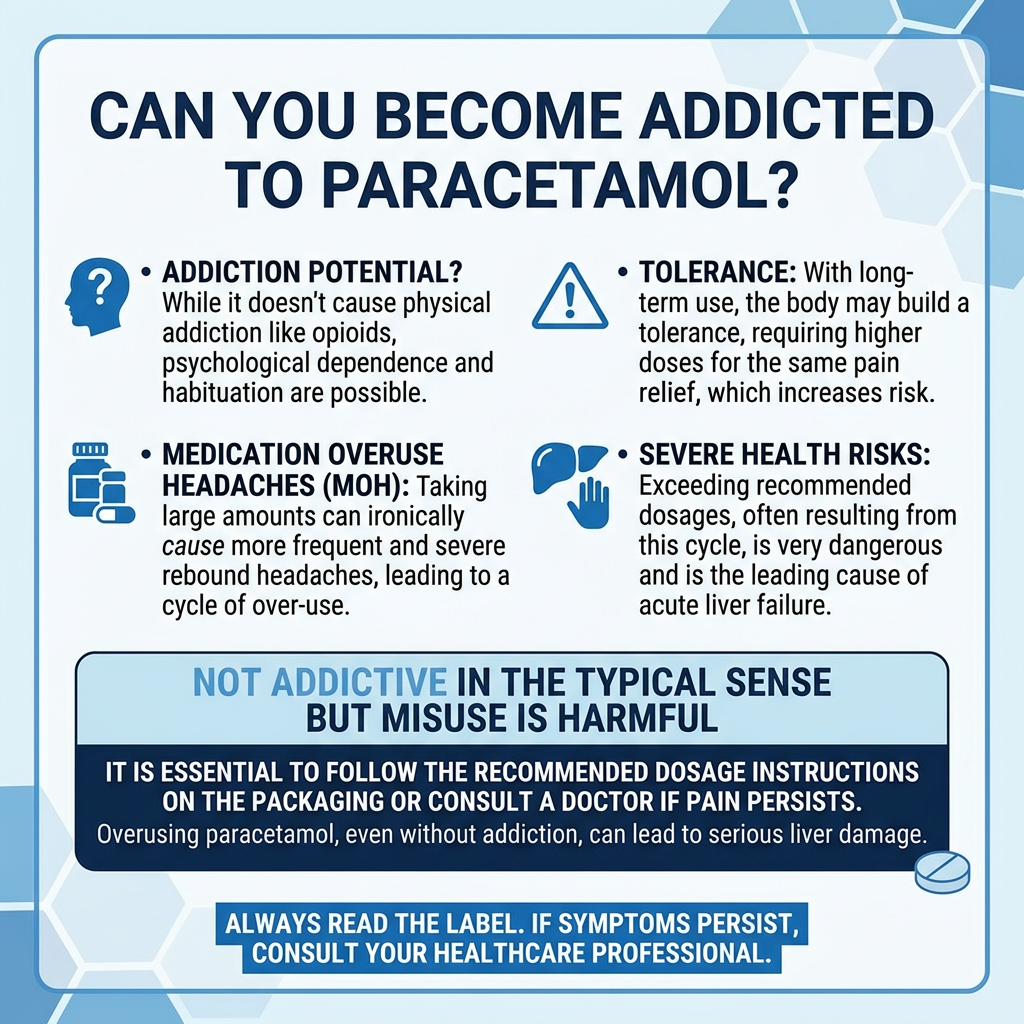
Can you become addicted to Paracetamol?
Can you become addicted to Paracetamol? No. Well not it in the same way you become addicted to heroin or alcohol as the way it affects the brain is different. That doesn't mean that some people are not addicted to taking it in the way that they take it, repeatedly. How does Paracetamol work? The…
Grace Kennedy
6:08 pm, June 26, 2026
Can you do a Methadone detox at home?
Can you do a Methadone detox at home? In theory: Yes. In practice: No. It is a nice idea that you can stay at home, take some methadone and your opioid use disorder is cured. Sadly it just doesn't work like that. In order to understand why this won't work you need to know what…
Grace Kennedy
6:49 pm, June 25, 2026