
Understanding Heroin Withdrawal: Symptoms and Timeline
January 11, 2026
3:42 pm

Table of contents
- Introduction
- What is Heroin?
- What Happens When You Take Heroin?
- Timeline and Signs of Heroin Withdrawal
- First 24 hours
- Why Do I Need a Detox?
- Cravings in withdrawal and detox
- Effective Heroin Recovery
- Why Do People Relapse on Heroin?
- Why Residential Treatment is the Best Way Forward
- Therapy, Relapse Prevention and Aftercare
- Speak to an Experienced Addictions Clinician For Free Advice and Referrals
- Get help for for heroin addiction today
Introduction
Heroin addiction detox treatment. The first word leads to the second. The third word is a start of the fourth.
Heroin withdrawal is not easy.
In fact, for some, if not done under medical supervision: It can be fatal.
Forget what you see on television and in the movies. Locking yourself in a room with a bucket, some toilet roll and some energy drinks. It would be a disaster
A detox from Heroin is a serious medical procedure and certainly not something you should ever attempt on your own.
You wouldn’t try and remove your own appendix (or at least we hope you wouldn’t!) so why would you try and treat heroin addiction yourself?
Our experienced addictions clinicians have decades of experience, each, in assessing , diagnosing and prescribing for people struggling with Heroin addiction.
In this blog they share their knowledge with you so that you can make an informed choice.
Heroin Addiction Detox Rehab is not complicated if you have the right information.
What is Heroin?
Heroin is an opioid derived from the poppy plant, mostly found in regions such as Afghanistan. It is produced from morphine, which comes from the plant’s seeds.
In medical settings, the pharmaceutical form of heroin is referred to as Diamorphine, commonly used for effective pain management in end-of-life care.
Heroin is 2-3 times stronger than morphine. When sold by dealers it is a brownish powder with a bitter taste.
How is it taken?
It can be snorted, smoked or injected (on it’s own or mixed with other drugs, usually crack cocaine).
When sold, illegally, dealers want to maximize their profits. Therefore it is usually “cut” (mixed) with other substances, including ground glass, rat poison: who knows what.
There is no such thing as a reputable dealer.
Sometimes, heroin is mixed with Buprenorphine, another opioid.
Because of the way Buprenorphine works: If you take heroin cut with it you will withdraw so will need even more: Not a bad business model!
What Happens When You Take Heroin?
Just as with other drugs, alcohol, prescription medication and even caffeine, when you take heroin it works on receptors in your brain. In this case opioid receptors.
Heroin will metabolise back into Morphine and bind to the opioid receptors.
You will experience a warm sensation of euphoria (a “rush”.) Your mouth may feel dry, and your skin might become flushed.
As your central nervous system becomes clouded and depressed you will become drowsy.
Use too much, especially if you are using other drugs and/or alcohol, and you can overdose. This can be fatal. Even the first time you use.
Medical implications of using heroin
When you use heroin, especially when you inject, you run the risk of medical complications such as:
- Collapsed veins
- Abscesses
- Unplanned abortion of a fetus
- Inflammation of the hear valves and lining
- Pneumonia
Heroin addiction and withdrawal
When you use heroin, your brain will become accustomed to it’s presence.
In time, your brain will adjust the way it works due to the continued presence of heroin. When this happens a phenomena known as tolerance occurs.
Physiological tolerance
Tolerance means that you will need more and more to have the same effect as the amount you first started with.
This means if you stop, suddenly, or reduce the amount you are taking your brain simply can not cope with the immediate change.
Your brain will send out incorrect chemical messaging which is why you experience physical symptoms known as withdrawal.
Accidental overdose
Sometimes, when people are in this situation they succumb to the craving and take an amount they think will settle them. This is where accidental overdose occurs.
Heroin overdose is often fatal. Yes, there is Naloxone but don’t be fooled by film and television drama. One dose of Naloxone is not going to do the trick. Most people need several doses and other life saving medical intervention.

Timeline and Signs of Heroin Withdrawal
Every persons experience will be different.
When you start to experience withdrawal relies on a number of factors.
Usually, you will start to feel unwell within six to twelve hours after your last use. The symptoms will include:
- Flu like symptoms
- Severe muscle aches
- Uncontrollable anxiety
- Heavy sweating
- Intense cravings
First 24 hours
The symptoms will get worse and you are likely to experience:
- severe nausea
- Uncontrollable diarrhea
- Continued extreme anxiety
- Persistent vomiting
Days 3-7
While some of the symptoms above may start to resolve, you may well experience the following:
- Abdomninal cramps
- Insomnia
- Rapid low mood
- Intense feelings of hopelessness
Post Acute Withdrawal
While the acute physical symptoms will start to shift, your mood and sleep can continue to be affected for up to a year after you stop using.
Lingering anxiety is a particular problem in this phase of recovery.
Why Do I Need a Detox?
Heroin withdrawal is not something you should ever attempt on your own without medical intervention.
Ignore those who tell you it can be done, even those who tell you they have done it themselves.
If you try and treat yourself you are putting your life on the line: Literally.
It used to be thought that detoxing from heroin, without intervention, was safe. Sadly, it isn’t true. People die.
Due to the severe dehydration that can occur, without fluid and electrolyte replacement an acute medical emergency can arise.
Cravings in withdrawal and detox
Even if you were able to manage the physical symptoms the other issue you will face is cravings.
Being unable to resist cravings is nothing to do with a lack of willpower but all about science.
Cravings occur when your tolerance to heroin drops.
When tolerance drops people take an amount of heroin they think they need to stabilize themselves. This is what leads to overdose.
Effective Heroin Recovery
There is much misconception around recovery from Heroin, particularly around the use of Methadone.
Despite urban legends and misinformation, methadone remains the gold standard for treatment, although other medications can also be effective.
In short, Methadone is a fully synthetic opioid. When used to treat heroin addiction the process is quite straightforward.
A sufficient dose is provided to relieve or eliminate withdrawal symptoms, and then, gradually, the dose is decreased until it is no longer necessary.
Additional adjunctive medications are also provided to help alleviate some physical symptoms, although their effectiveness is limited.
Forget what people may tell you.
Methadone no more makes your bones green as it does rot your teeth.
Alternatives to Methadone
Getting hung up on which medication is used for your recovery really doesn’t help.
While Methadone is the gold standard, there are alternatives such as Buprenorphine.
Also known as Subutex, Buvidal and Espranor, Buprenorphine is an opioid that is used for pain control.
It works in a different way to Methadone in that it only partially covers opioid receptors. However, it will stick to them more strongly than Methadone does.
What this means is that unless you start Buprenorphine when you are in significant withdrawal, it will push you into withdrawal by removing opioids on receptors.
Methadone can be started earlier.
A detox using buprenorphine can be completed in a shorter timeframe than with methadone, which can help reduce costs.
Why Do People Relapse on Heroin?
In an ideal world, individuals would take methadone and buprenorphine for six months to a year before gradually reducing the dose in a residential treatment setting.
The brain takes, at least six months, to readjust when you stop taking heroin.
This would be highly cost prohibitive.
Those who rush a detox are the most at risk of relapse.
Cravings persist for a long time.
If you rush a detox you are likely to still experience cravings.
Your tolerance will be low and you will be at a very serious risk of overdose.

Why Residential Treatment is the Best Way Forward
Methadone and Buprenorphine is not something your GP can prescribe.
Why? This situation arises from how NHS GP services are commissioned
These medications are accessible through community drug and alcohol services funded by local authorities.
However, community services are heavily weighed towards crime reduction and the emphasis is on maintenance treatment (staying on Methadone/Buprenorphine so you don’t steal to buy drugs.)
Limitations of community services
Trying to reduce when using community services is very, very challenging. There is a very low success rate.
This is not the fault of the service but the dynamic of reducing while being around drugs, users and dealers. In a rehab, at 3AM, there are staff to support you. Many are in recovery themselves so understand.
At home, you are probably going to score drugs.In rehab, you’re more likely to receive a cup of tea, engage in conversation, and gain moral support, all of which can help prevent relapse.
Key Takeaways
- Heroin addiction detox treatment is dangerous and should only occur under medical supervision to avoid fatal withdrawal symptoms.
- Heroin is a potent opioid that leads to physical dependence, requiring careful management during detox to prevent overdose.
- Withdrawal symptoms can start within hours and include flu-like symptoms, severe anxiety, and cravings.
- Effective recovery often includes medications like Methadone or Buprenorphine and residential treatment to support long-term abstinence.
- Aftercare and therapy play a vital role in preventing relapse, providing support to navigate challenges post-treatment.
Therapy, Relapse Prevention and Aftercare
People don’t become addicted to heroin out of choice.
No one wakes up one day and makes a conscious choice to be an addict.
Drugs are an escape. An escape from the grim realities of life.
The therapy in rehab lifts the lid on why you are using.
The groups will be challenging: That is the point.
Unresolved childhood trauma, low mood, bereavement: These are all common themes in addiction recovery.
Heroin Addiction Detox Rehab needs professional input from clinicians, therapists and support staff with lived experience.
Relapse prevention
In most cities, you can have drugs delivered to your home faster than a pizza.
If you know how to navigate difficult situations (and people) you stand a much better chance of staying abstinent.
Relapse happens: Fact. However, if you know how to deal with it you may well be able to avoid going back down the rabbit hole.
Aftercare
All residential treatment centres provide a minimum of a years aftercare.
This could be a weekly support group as well as telephone check in.
If you are struggling, there will be a dedicated number to call for immediate support.
Speak to an Experienced Addictions Clinician For Free Advice and Referrals
We are addictions clinicians. As such we understand Heroin Addiction Treatment Rehab.
Over the past few decades, we have treated thousands of people caught up in the madness of heroin addiction.
We will give you honest, impartial free and confidential advice.
It matters not to us where you go for treatment, as long as it is safe and cost effective.
We can advise on where to access low cost treatment.
We do not charge for referrals.
Our service is registered with the Information Commissioners Office.
We only signpost to legally registered services.
Get help for for heroin addiction today
Call, email or live chat with an experienced addictions clinician on any aspect of addiction, detox, rehab, therapy, home treatment , relapse prevention and aftercare.
We never charge for advice or treatment referrals.
They can discuss treatment options, treatment plans, locations, costings and logistics.
Heroin addiction detox treatment is available and possible.
Need help finding the right rehab for you or a loved one? Get in touch today and take the first step toward recovery.
Speak to usRecent Posts
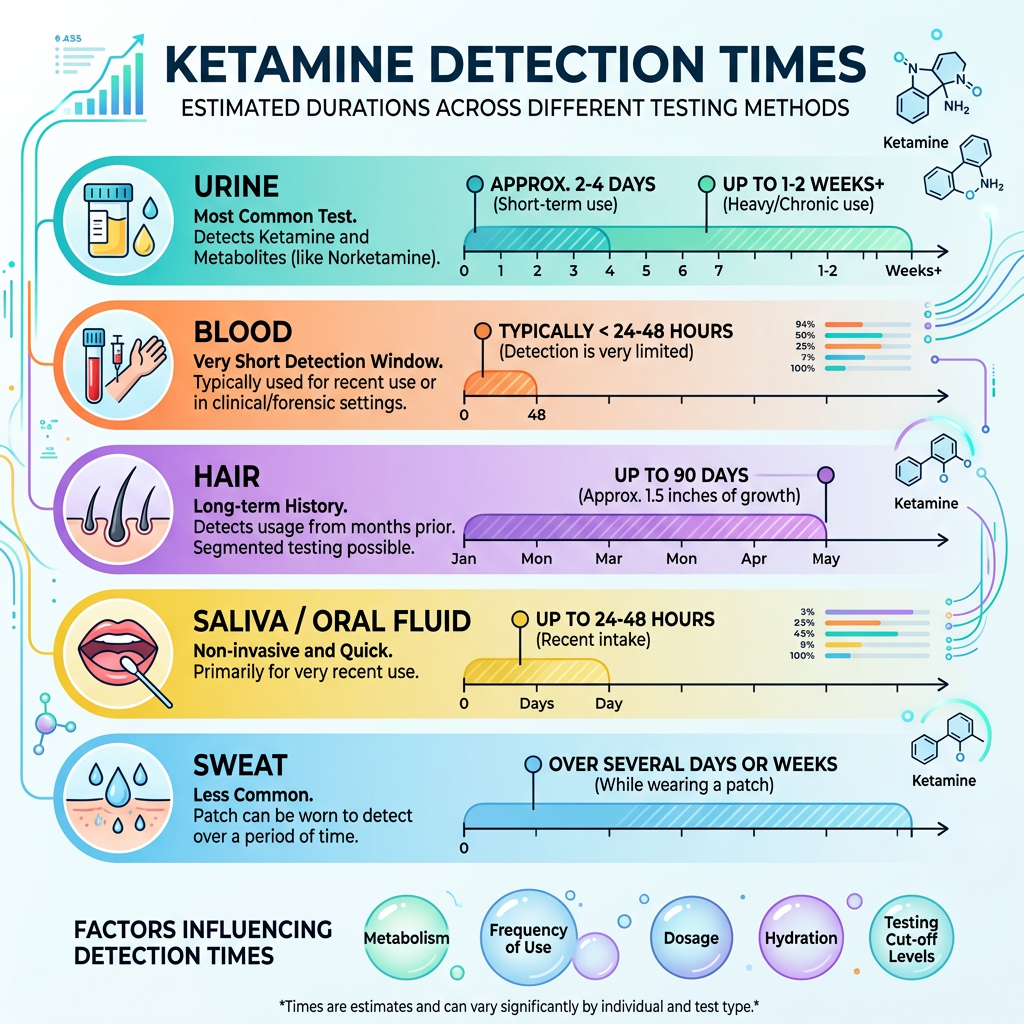
How long does Ketamine stay in your system?
How long does Ketamine stay in your system? As an experienced addictions clinician with over thirty years experience my question to that is: Why do you need to know? Is it because you are worried it will show up in a drug screen at work? Are you worried about being drug tested by the police…
Grace Kennedy
12:23 pm, July 2, 2026
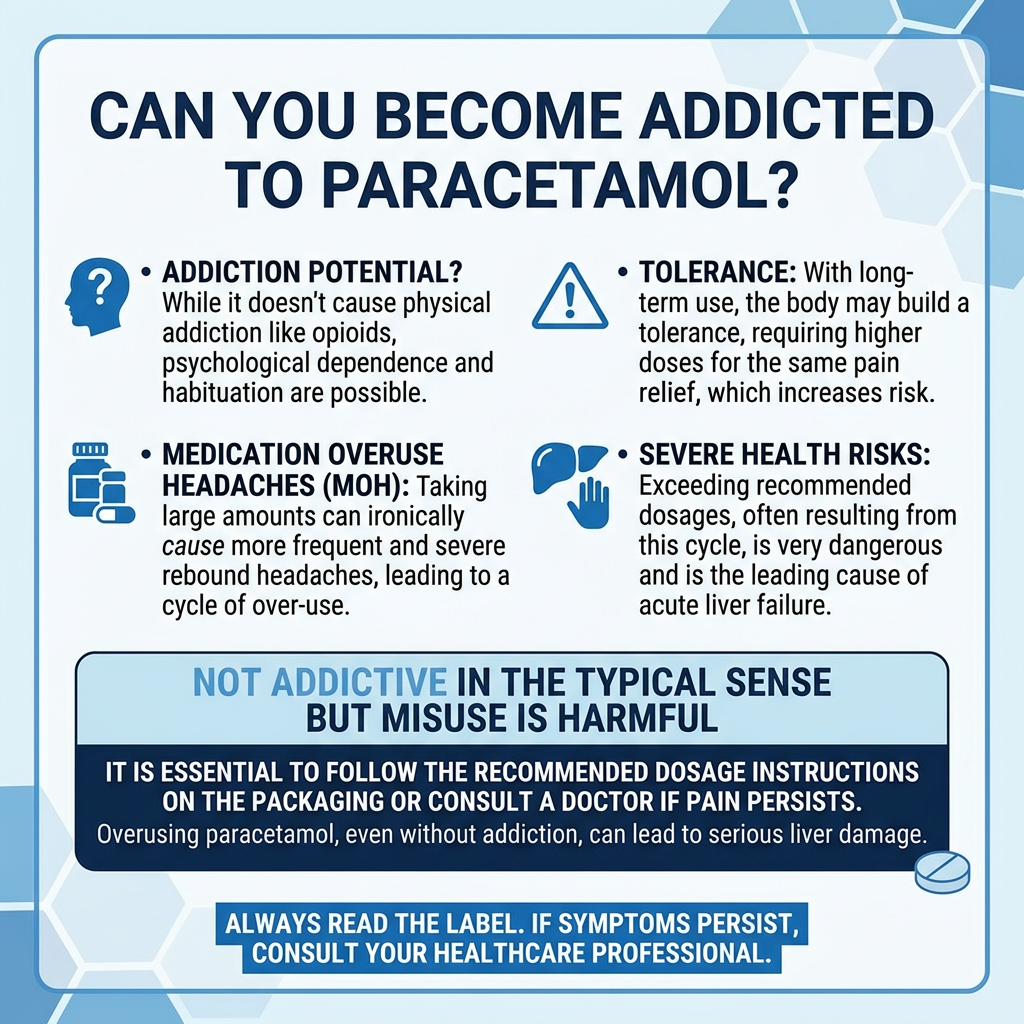
Can you become addicted to Paracetamol?
Can you become addicted to Paracetamol? No. Well not it in the same way you become addicted to heroin or alcohol as the way it affects the brain is different. That doesn't mean that some people are not addicted to taking it in the way that they take it, repeatedly. How does Paracetamol work? The…
Grace Kennedy
6:08 pm, June 26, 2026
Can you do a Methadone detox at home?
Can you do a Methadone detox at home? In theory: Yes. In practice: No. It is a nice idea that you can stay at home, take some methadone and your opioid use disorder is cured. Sadly it just doesn't work like that. In order to understand why this won't work you need to know what…
Grace Kennedy
6:49 pm, June 25, 2026