
Understanding Heroin Addiction: Causes and Treatments
June 30, 2025
9:00 am
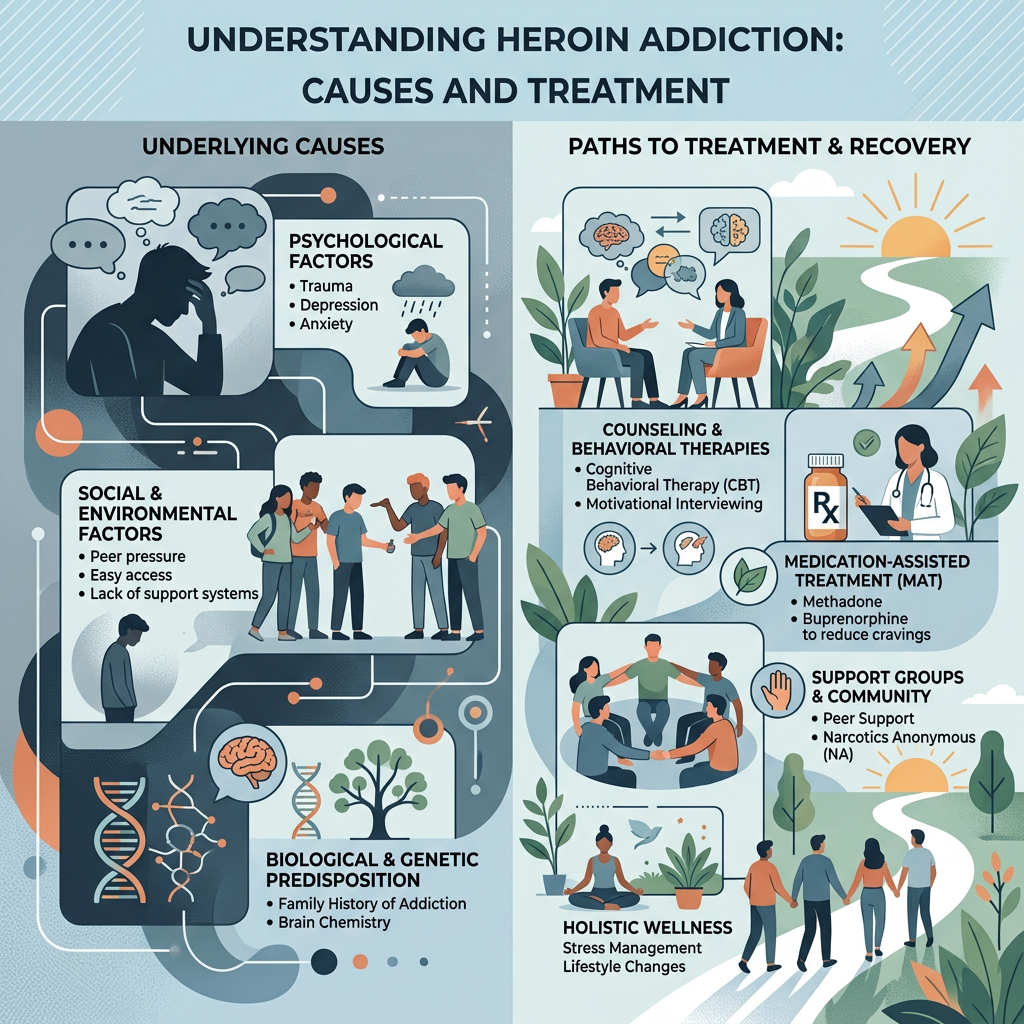
Table of contents
- Introduction
- What is heroin?
- Understanding heroin addiction :How is it addictive?
- How is heroin taken?
- What causes someone to become addicted to heroin?
- Understanding heroin addiction: What are the signs of heroin use?
- What does heroin do to someone’s health?
- What are the signs of withdrawal?
- What is the treatment for heroin addiction?
- Methadone:
- Buprenorphine:
- Buvidal:
- 5 day detox:
- Do all rehab centres offer heroin addiction treatment?
- How can Find Me a Rehab help?
- Getting help
Introduction
Understanding heroin addiction is not as complicated as you might think.
In this blog we will explain the causes, effects and treatment options.
Addiction to heroin is a chronic problem that affects, not just the individual, but their family, friends, co-workers and peers.
It can be a relapsing disease that changes the brain leading the person to exhibit uncontrollable drug seeking behaviours even when they are acutely aware of the consequences.
Our experienced addictions clinicians have decades of experience in assessing, diagnosing , prescribing and treating people for heroin addiction.
Let them share their knowledge with you in this blog.
What is heroin?
In short it is made from derivatives of the opium poppy plant commonly found in places such as Afghanistan.
When it is taken, the body converts it into morphine.
When first used, it will give the user an overwhelming sense of tranquility, calmness and pleasure. This leads to the person wanting more.
Understanding heroin addiction :How is it addictive?
When heroin enters the brain, it is converted into Morphine and binds itself to opioid receptors.
These receptors control pain and pleasure responses, hence why morphine is prescribed for pain.
Norepinephrine is prevented from being released while someone has heroin (morphine) on their receptors in their brain.
When the heroin wears off on the receptors, Norepinephrine is released which is what causes the withdrawal symptoms.
Continued use will change the structure of the persons brain chemistry meaning the more they take, the more they need to have the same effects as the small amounts they started with.
How is heroin taken?
It can be snorted, smoked and injected: All will cross the blood/brain barrier. When injected it is often mixed with crack cocaine (snowballing) which creates further problems with infection and the comedown from crack.
The withdrawal symptoms can be severe. Contrary to popular misconception, in severe cases, it can be fatal.
What causes someone to become addicted to heroin?
This is not so simple to answer. Research has yet to determine a single cause, and it is thought to be the result of a multitude of factors, working in tandem. Among these are:
Genetic: No one starts using heroin because of their genetics but it is believed that they may increase the potential for addiction. Those who have family members with addiction issues are often more prone.
Neurochemistry: Repeated use will, in time, change the way a person’s brain works and damage nerve cells in the brain. Thus, with the lack of neurotransmitters, more heroin is needed to bridge the communication gap.
Environment: Class, income, status are not always relevant. The dynamic of the family, attitude of peers and friends can be instrumental in someone’s choice to use. Drugs can de-sensitize someone from the chaos around them.
Mental health: Those with undiagnosed conditions often self-medicate with drugs.
Understanding heroin addiction: What are the signs of heroin use?
Even for seasoned addictions professionals, the signs and symptoms are not always clear, especially if someone has recently used. They can include:
- Low mood
- Feelings of euphoria
- Severe anxiety
- Hostility towards others
- Agitation
- Being evasive
- Telling lies
- Significant weight loss
- Bruises and/or scabs at injection sites
- Frequent infections (injecting)
- Poor personal hygiene
- Delusions
- Hallucinations
- Paranoia
- Having possessions of items connected with drug use (paraphernalia) This could be metal spoons, needles, shoelaces (tourniquet) and glass pipes (smoking)
- Frequent sick absences from work/study
- Very severe itching
What does heroin do to someone’s health?
The longer it is used, the higher the chance that health problems will develop, such as:
- Kidney disease
- Liver failure
- HIV
- Hepatitis
- Recurring pneumonia
- Reduced mental functioning
- Sepsis
- Shallow breathing
- Infections
- Increased risk of chronic illness
- Seizures
- Coma
- Death
- Seizures
- Overdose
- Death
What are the signs of withdrawal?
Among other things, the following are common in withdrawal:
- Hyperhidrosis (Extreme sweating)
- Severe muscle pain
- Extreme nausea and vomiting
- Insomnia
- Extreme diarrhoea
- Lacrimation (watery eyes)
- Rhinorrhoea (severe runny nose)
- Intense cravings
- Criminal behaviour to fund drug purchase
Key Takeaways
- Understanding heroin addiction involves recognizing its causes, effects, and various treatment options.
- Heroin addiction alters brain chemistry, leading to uncontrollable drug-seeking behaviors and withdrawal symptoms.
- Users can take heroin through injection, snorting, or smoking, all of which cross the blood-brain barrier.
- Effective treatments for heroin addiction include Methadone, Buprenorphine, and the injectable form, Buvidal.
- Professional help is available for those seeking advice or treatment for heroin addiction from experienced clinicians.
What is the treatment for heroin addiction?
There are three main treatment options for opioid use disorder:
- Methadone
- Buprenorphine
- Buvidal
Methadone:
Seen as the gold standard of treatment, Methadone is a fully synthetic opioid.
The theory is quite simple: By flooding receptors with Methadone you remove cravings and withdrawal symptoms. Then, by slowly reducing (after a period of stabilisation), together with therapy, recovery is possible.
Buprenorphine:
A more modern approach, Buprenorphine is also an opioid but works in a different way.
Unlike Methadone which floods all opioid receptors in the brain, Buprenorphine covers some.
The person, on commencing, needs to be in withdrawal as Buprenorphine binds very strongly to opioid receptors so will dislodge opioids on receptors thus leading to withdrawal.
This treatment approach can be achieved in less time than using Methadone so can be more cost effective.
Buvidal:
This is a very recent development using an injectable form of Buprenorphine.
As with the tablet form, above, the person needs to be in a degree of withdrawal, before commencing treatment. Ordinarily, someone needs to be on Buprenorphine tablets first but there are exceptions.
5 day detox:
This must never be attempted.
The concept is to sedate someone for, usually, five days while large doses of an opioid reversal agent is given (naltrexone).
Not only can this be dangerous, but it does not address craving, does not give any therapeutic input and relapse is highly likely.

Do all rehab centres offer heroin addiction treatment?
Not all rehab centres offer treatment for opioid use disorder so it may be necessary to travel a little further than you may have wanted to.
Unlike alcohol treatment, no reputable centre would admit anyone, with opioid use disorder, for less than a month though shorter admissions using oral buprenorphine may be possible.
How can Find Me a Rehab help?
Here at Find Me A Rehab we have a number of clinicians with decades of experience in assessing, diagnosing and prescribing for those caught up in heroin addiction.
If you need heroin addiction help, are looking for treatment for heroin addiction or just need heroin addiction advice, call and speak to one of our clinicians for free and confidential advice.
We only signpost to legally registered centres.
Getting help
Addiction is not a choice and no one makes a conscious choice to become an addict.
Arranging professional help for heroin addiction is not something you ever thought you would need to do.
Being hesitant and nervous is to be expected.
Understanding heroin addiction is second nature to our expert addictions clinicians who can make the process straightforward.
Our clinicians can advise on any aspect of addiction, detox, rehab, home treatment, therapy, relapse preverntion and aftercare.
Call, email or live chat with one of our clinicians who can discuss treatment plans, treatment options, locations, costings, logistics and aftercare.
Understanding heroin addiction doesn’t need to be complicated.
Need help finding the right rehab for you or a loved one? Get in touch today and take the first step toward recovery.
Speak to usRecent Posts
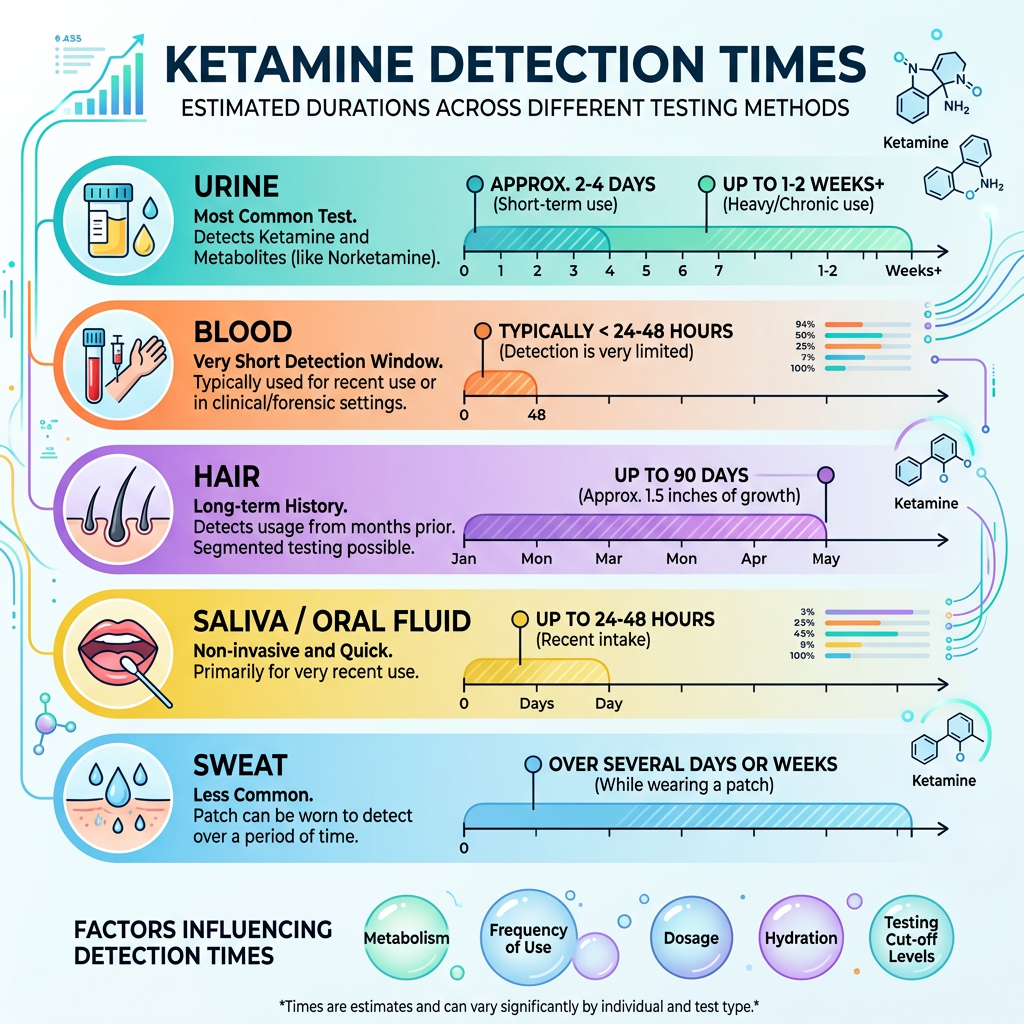
How long does Ketamine stay in your system?
How long does Ketamine stay in your system? As an experienced addictions clinician with over thirty years experience my question to that is: Why do you need to know? Is it because you are worried it will show up in a drug screen at work? Are you worried about being drug tested by the police…
Grace Kennedy
12:23 pm, July 2, 2026
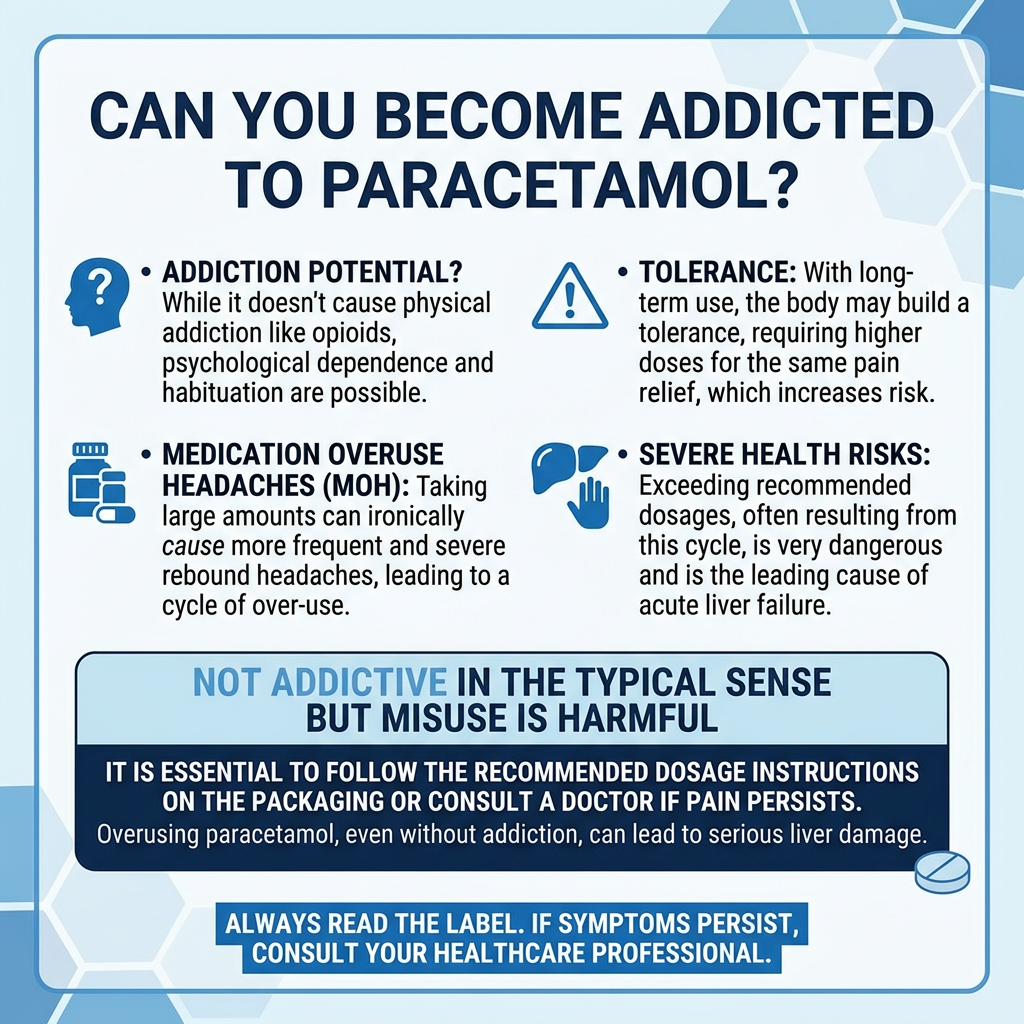
Can you become addicted to Paracetamol?
Can you become addicted to Paracetamol? No. Well not it in the same way you become addicted to heroin or alcohol as the way it affects the brain is different. That doesn't mean that some people are not addicted to taking it in the way that they take it, repeatedly. How does Paracetamol work? The…
Grace Kennedy
6:08 pm, June 26, 2026
Can you do a Methadone detox at home?
Can you do a Methadone detox at home? In theory: Yes. In practice: No. It is a nice idea that you can stay at home, take some methadone and your opioid use disorder is cured. Sadly it just doesn't work like that. In order to understand why this won't work you need to know what…
Grace Kennedy
6:49 pm, June 25, 2026