
Understanding Antabuse: Limitations and Uses
April 30, 2024
3:55 pm
Table of contents
- Are there any clinicial guidelines on Antabuse?
- What does Antabuse do?
- How is Antabuse taken?
- When would Antabuse be prescribed?
- Is Antabuse a new medication?
- What does Antabuse do to the body?
- Does using Antabuse lead to lifestyle changes?
- Are there any health conditions that preclude Antabuse?
- What happens if I take too much Antabuse?
- Why Antabuse isn’t for detox
- Why won’t Antabuse work without rehab?
- How can Find Me a Rehab help?
- Get help today
Antabuse isn’t for detox .
The best piece of advice we can give in relation to Antabuse is: Avoid it!
Well, at first, anyway.
If it was the panacea everyone thought, it was then it would be the only medication on the market for alcohol addiction.
As with other medications, Antabuse has its uses.
However, you cannot use it to detox, and it can never replace the therapy needed to make a meaningful, sustained recovery.
It certainly has it’s uses but it is secondary to therapy, rehab, abstinence and aftercare.
Our experienced addictions clinicians have over three decades of experience, each, in assessing, diagnosing, prescribing for and treating people struggling with alcohol addiction.
Here they share their knowledge with you.
Are there any clinicial guidelines on Antabuse?
Yes.
The guidelines are clear that only a consultant psychiatrist should initiate a prescription for Antabuse before discharge from a residential rehab/private hospital treating alcohol addiction.
It can never be used until your blood alcohol level is zero because Antabuse isn’t for detox.
Can an NHS GP prescribe Antabuse?
No.
Due to the way NHS GP’s are commissioned, they are not funded to prescribe Antabuse.

What about my local community addiction service?
A local authority funded community addictions service might continue a prescription that was started by a consultant in a residential setting but you will need to attend every appointment and group session for them to continue treatment.
What does Antabuse do?
Antabuse reduces the body’s ability to metabolise Acetaldehyde which is in any alcoholic drink.
Because it stops the body processing this chemical you will experience the following:
- Facial flushing
- Headache
- Tachycardia
- Nausea
- Vomiting
- Arrhythmia (irregular heartbeat)
- Hypo tension (low blood pressure
How is Antabuse taken?
Normally, one 200MG tablet is taken, once a day.
Prescribed doses can be as high as 500MG . There is a 500MG tablet available.
There is no benefit in taking more as Antabuse does not prevent relapse merely induces unpleasant physical symptoms should you take a drink.
When would Antabuse be prescribed?
As above, Antabuse is prescribed, initially, by a consultant in a residential rehab (or private hospital ) after admission for alcohol use disorder.
Usually, someone who is prescribed Antabuse will have some of the difficulties listed below:
- You want to stop or reduce but can not.
- You drink for longer than you intend to do
- A lot of time is spent both obtaining it and recovering from it’s effects
- You have a very strong urge to drink or crave alcohol.
- A persons job, education and/or family life suffers as a result of their alcohol consumption
- Despite damage to relationships because of alcohol, a person continues to drink
- Alcohol consumption has stopped someone doing things they enjoy
- Drinking has put someone at risk due to alcohol (ie drink driving,unsafe sex, unsafe activities)
- Despite your doctor telling you not to, you continue to drink.
- A tolerance to alcohol has been developed
- When you drink it does not give you the same effects as it used to.
- If you do not drink, you develop signs of withdrawal (nausea, sweating, tremor, anxiety, etc)
- In order to stop these signs of withdrawal you have to drink alcohol

Is Antabuse a new medication?
No.
It was first discovered back in 1881 but was largely ignored by the scientific community.
Its ability to be of use in the treatment of alcohol use disorder was discovered solely by accident.
Antabuse was originally designed to speed up the vulcanization of rubber.
At the plant there was a medical doctor, E.E Williams, who was confused as to why the workers, when they consumed alcohol, became acutely unwell.
It was this unusual phenomenon that led to Dr Williams making a connection between Antabuse and alcohol treatment.
However, he did not act upon this accidental discovery.
Until 1945 Antabuse was used to treat skin infestations such as scabies.
This was until a Danish biochemist, Erik Jacobsen, was trying to source a drug that could be used to treat intestinal worms.
He tried taking some himself but did so after drinking some wine hence why it is called Antabuse, or in Danish, Antabus.
He obtained a patient in 1952. Indeed, such was its popularity in Denmark, it still accounts for 20% of the worldwide use of the drug.
Key Takeaways
- Antabuse isn’t for detox, as it cannot be used until blood alcohol levels are zero and should only be prescribed by a consultant psychiatrist.
- The medication causes unpleasant physical reactions when alcohol is consumed, but it doesn’t prevent relapse or aid detoxification.
- People considering Antabuse must make significant lifestyle changes to avoid alcohol exposure in everyday products and foods.
- Antabuse functions as an adjunctive treatment, highlighting the necessity for therapy and rehabilitation for successful recovery.
- To address addiction issues, receiving comprehensive treatment options is essential, as Antabuse isn’t sufficient on its own.
What does Antabuse do to the body?
Antabuse reacts to even the smallest amounts of alcohol.
If you take it, no amount of alcohol can be tolerated by the body: You cannot cheat with Antabuse!
Once taken, it can stay in the body for up to two weeks and will still be effective for this period.
This means that, if you take it and consume any alcohol, at all, for (roughly) the next two weeks, it will make you feel very unwell.
Even a liquor chocolate or using alcohol hand gel will induce physical symptoms.
There are very many products that become impossible to either use or be around. There are so many examples but the main ones are:
- Mouthwashes
- Toothpastes
- Alcohol hand gel
- Antibacterial soaps
- After shave, perfume, cologne
- Lotions
- Deodorant sprays
- Laxatives
- Anti diarrheal medication
- Over the counter cough syrups and cold remedies
- Asthma puffers
- Car windscreen washer fluid
- Certain HIV medications
- Some blood thinning medication
- Chewing tobacco
In addition, there are some foods and beverages that can not be used as they have alcohol in them:
- Vinegar
- Ripe fruits
- Salad dressings
- Sauces
- BBQ sauces
- Hot sauces
- Confectionery

Does using Antabuse lead to lifestyle changes?
Yes.
Imagine a summers afternoon.
You get ready to go to a friends barbeque.
After you brush your teeth you use your mouthwash and splash on your favourite aftershave.
At the party you have have salad with dressing and a burger with some hot BBQ sauce and lots of vinegar on your chips.
Sadly, if you did this you would end up in hospital.
Antabuse means making significant changes to your routines and diet.
Are there any health conditions that preclude Antabuse?
Yes.
People with the following health conditions , usually, can not take Antabuse:
- Diabetes
- Heart disease
- Liver damage
- Psychotic episodes
- Epilepsy (if treated with Phenytoin)
- Depression when treated with certain types of anti-depressants
What happens if I take too much Antabuse?
Should someone overdose on Antabuse, the following symptoms are common:
- Vomiting
- Headache
- Apathy
- Hallucinations
- Psychosis
- Irritability
- Seizures
- Loss of consciousness
- Respiratory arrest
- Lesions on bodily organs
Why Antabuse isn’t for detox
Because it won’t work. Antabuse isn’t for detox because it was not designed for that purpose.
When you drink alcohol, over a sustained period, your brain will make adjustments to acomodate it.
If you stop drinking suddenly, or reduce too quickly, the brain simply can not cope with this immediate change.
While it scrambles to adjust the wrong chemical messages wiill be sent out from the brain leading to physical symptoms.
These are known as withdrawals.
Some of the most serious are seizures which can lead to fatality.
A detox needs benzodiazepines and Antabuse is not a Benzodiazepine. Quite simply, Antabuse isn’t for detox.
Why won’t Antabuse work without rehab?
Antabuse only works to make you feel unwell if you drink.
If you don’t take it nothing will happen. This sounds simplistic but unless you deal with the reasons why you drink , alcohol will be your go to when you are in a tight spot.
People who have Antabuse implants sometimes have them removed or simply wait until the time the implant runs out. Others are so desperate to drink they do so, even though it makes them ill.
Antabuse is an adjunctive treatment, not a standalone medication.
How can Find Me a Rehab help?
We are addictions clinicians.
Each of us has over three decades of experience in assessing, diagnosing, prescribing for and treating people caught up in addiction.
Our experience has been gained through our work in prisons, private hospitals, private rehab centres, local authority community addiction servicers, NHS commissioned shared care GP addiction clinics and local authority funded community and residential addiction services.
We give completely free advice: confidentially.
Get help today
Call, email, live chat or whattsap for advice on any aspect of addiction including detox, rehab, home detox, therapy, relapse prevention and aftercare.
We can discuss treatment options, treatment plans, locations, costings, logistics and availability.
We only signpost to legally registered services.
While Antabuse isn’t for detox there are treatments that are.
Need help finding the right rehab for you or a loved one? Get in touch today and take the first step toward recovery.
Speak to usRecent Posts
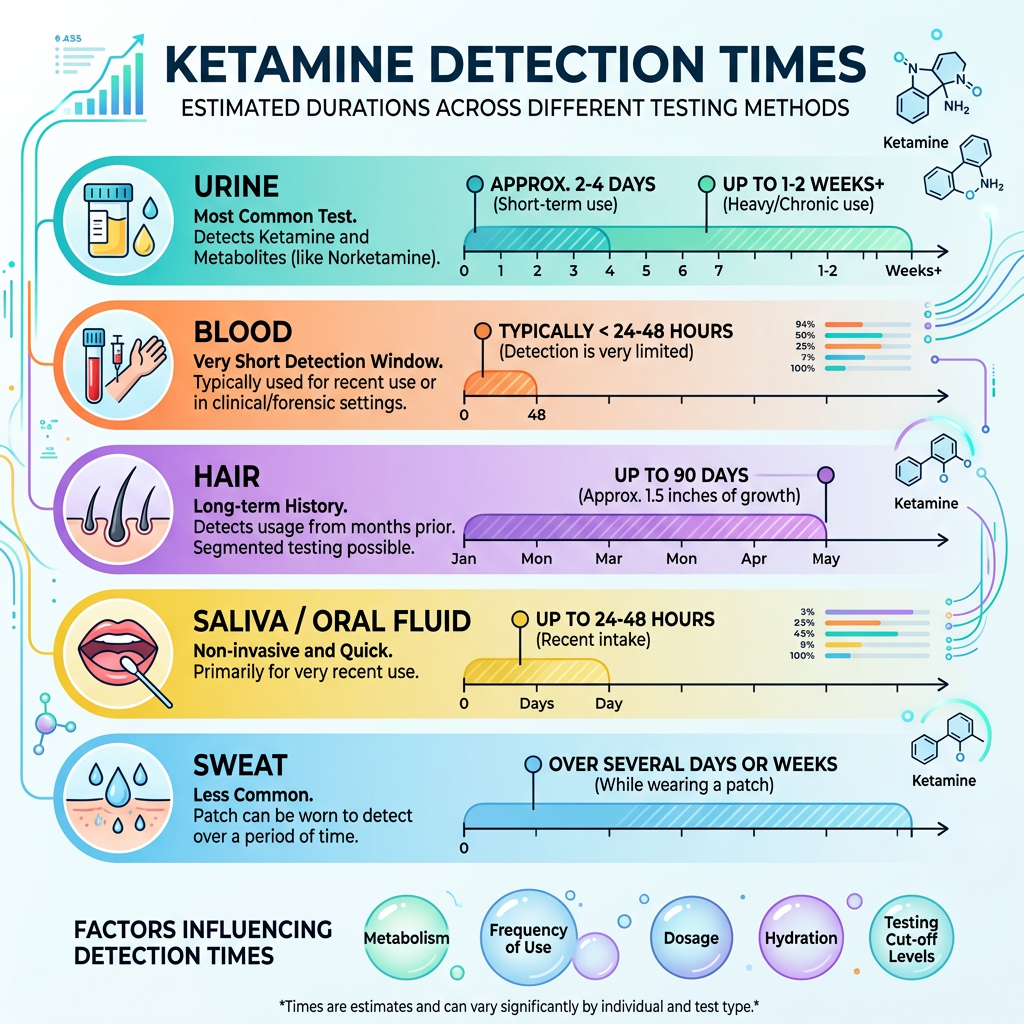
How long does Ketamine stay in your system?
How long does Ketamine stay in your system? As an experienced addictions clinician with over thirty years experience my question to that is: Why do you need to know? Is it because you are worried it will show up in a drug screen at work? Are you worried about being drug tested by the police…
Grace Kennedy
12:23 pm, July 2, 2026
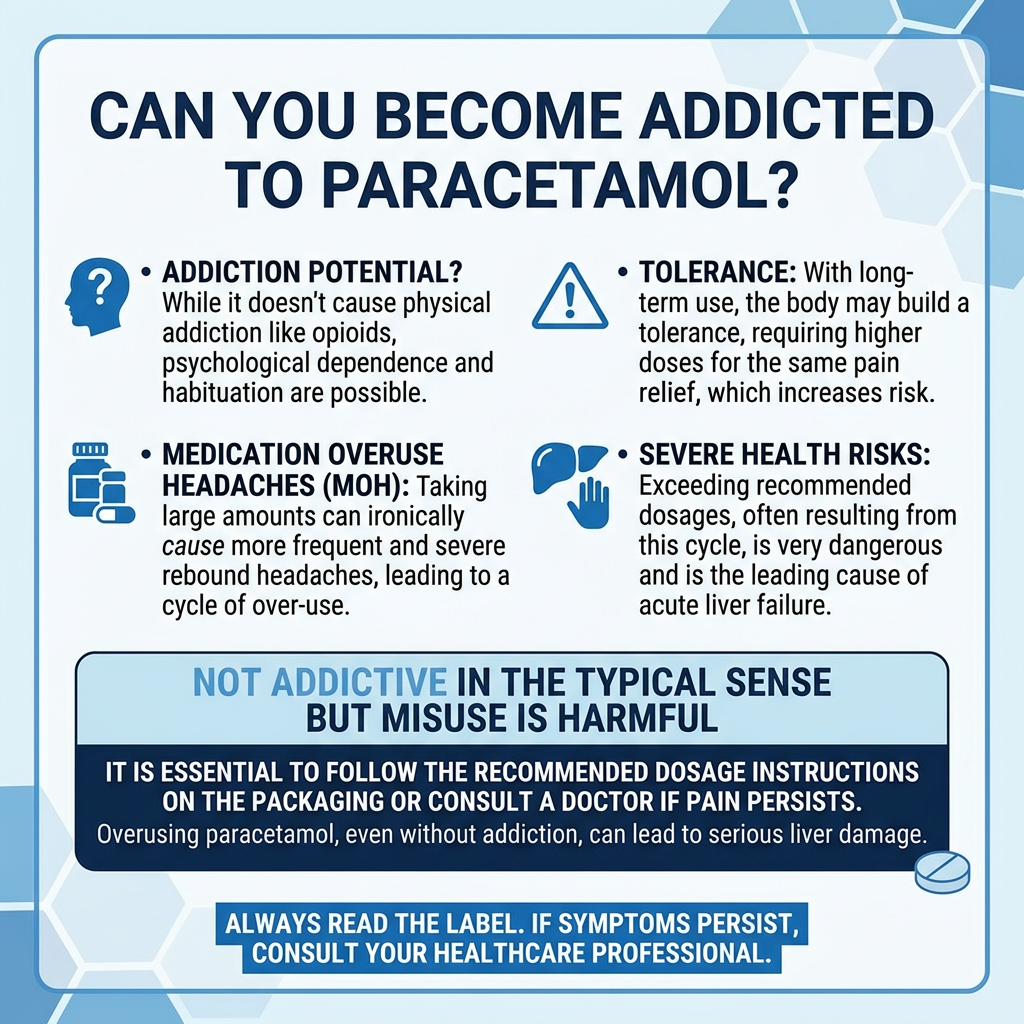
Can you become addicted to Paracetamol?
Can you become addicted to Paracetamol? No. Well not it in the same way you become addicted to heroin or alcohol as the way it affects the brain is different. That doesn't mean that some people are not addicted to taking it in the way that they take it, repeatedly. How does Paracetamol work? The…
Grace Kennedy
6:08 pm, June 26, 2026
Can you do a Methadone detox at home?
Can you do a Methadone detox at home? In theory: Yes. In practice: No. It is a nice idea that you can stay at home, take some methadone and your opioid use disorder is cured. Sadly it just doesn't work like that. In order to understand why this won't work you need to know what…
Grace Kennedy
6:49 pm, June 25, 2026