
The role of support groups in long term recovery
May 26, 2025
9:00 am

Table of contents
Introduction
Support for long term recovery is essential.
A life of sobriety is not simply about staying away from drink and drugs.
It is about starting life anew.
Establishing a life that has meaning, purpose and value: A life that you want to live.
This can be daunting and coupled together with the challenge of staying abstinent means temptation may lurk.
Research shows that those who continue with support meetings, post treatment, are far more likely to stay sober than those who do not.
Our experienced addictions clinicians share their knowledge with you in this blog.

Why are groups, after rehab, important?
12 step/SMART groups do not judge: It matters not what you have done, to whom or to yourself.
Everyone there attends for one reason: They are in recovery.
It matters not if you are a school crossing patrol, a factory worker, company owner or billionaire.
No one cares if you are white, black, gay, straight, trans, disabled, autistic, etc: All are there with a shared desire.
While everyone’s history of addiction is different, the common threads bind the group together.
Recovery groups: Different models, shared goals
There are different groups that people in recovery can attend: AA, NA, SMART, etc but the common shared experiences tend to be the same:
- A sense of belonging, purpose and understanding
- An opportunity to give support while also receiving it
- Heightened desire to stay abstinent
- Not being isolated
- Promoting accountability
- Emotional resilience
Advantages of peer led groups and lived experience
Therapists will tell you that, by attending peer led support groups there are other positives, in addition:
- Role models: Sometimes, when it is difficult to speak in a group, or when you are feeling down, seeing and hearing from those who are thriving in sobriety. This can be a real boost to long term recovery
- Renewed commitment: Being part of a group with a shared desire can motivate someone to stay committed to the process and their recovery
- Emotional support: This can be essential, especially if someone is feeling like they might use.
- Sharing hopes and dreams: Hearing the experiences of others as they get new jobs, form new relationships, launch new ventures or take on new studies can help to keep you on track by sparking new ideas.
- Building new connections for long term sobriety
Support for Long Term Recovery :Making new connections
In recovery, it is often clear that former associations are not going to be part of the trajectory.
If a friend is in active addiction, then being around them is going to hinder, and potentially destroy, your recovery.
Some family members, despite your best efforts, may not be able to accept you in recovery and this is where support groups come in.
Peer support groups offer the chance to network with those who understand addiction and where there is a shared bond and respect.
Imagine going to a social event with a group of people where none are using or talking about using and where there is zero expectation that you will use?

How do I maximise the value of a peer support group?
If you want to get the maximum benefit of attending a group there are a few things to consider:
- Go, even when you don’t feel like it.
- Don’t hold back when speaking. Talk about what is worrying you, what you fear and the little wins and major victories: You will be among people who understand.
- Pay attention to others when they speak and offer encouragement.
- VOLUNTEER! Make the tea, put out the chairs, lock up, greet new members.
- Take it slow at the start: It can take some people a long time before they open in a group. It really doesn’t matter. If simply going and listening stops, you relapsing then the group is working.
How can Find Me a Rehab help?
We are experienced addictions clinicians each with decades of assessing, diagnosing, prescribing for and treating people in the throws of addiction.
Our advice is completely free and entirely confidential.
We only signpost to legally registered centres.
All enquiries are treated in the strictest of medical confidence.
There is no charge for a referral to a treatment centre if you want to get into recovery.
Get help today
Call, email or live chat with an experienced clinician on any aspect of addiction, detox, home treatment, therapy, relapse prevention and aftercare.
Our clinicians can discuss and advise on treatment plans, treatment options, locations, costings and logistics.
Support for Long Term Recovery is out there.
We can help you find it, for free.
Need help finding the right rehab for you or a loved one? Get in touch today and take the first step toward recovery.
Speak to usRecent Posts
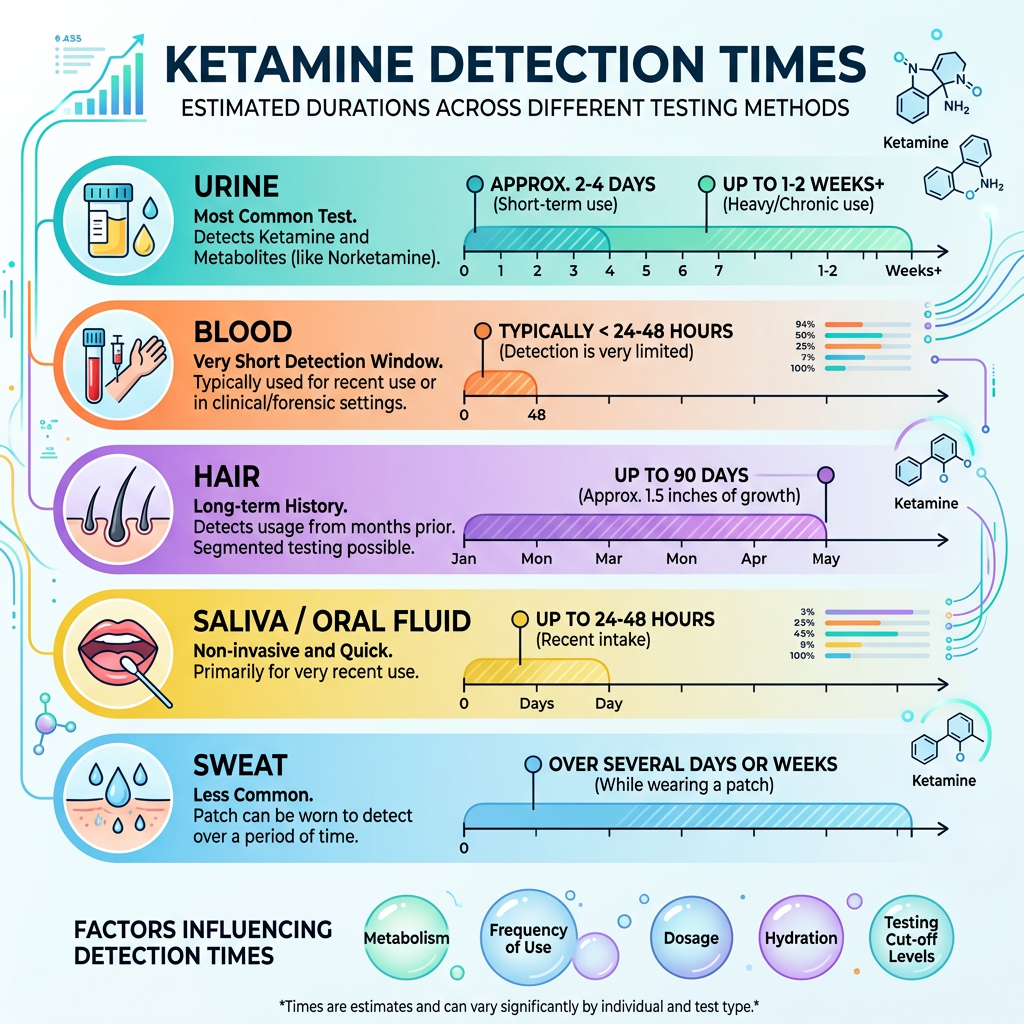
How long does Ketamine stay in your system?
How long does Ketamine stay in your system? As an experienced addictions clinician with over thirty years experience my question to that is: Why do you need to know? Is it because you are worried it will show up in a drug screen at work? Are you worried about being drug tested by the police…
Grace Kennedy
12:23 pm, July 2, 2026
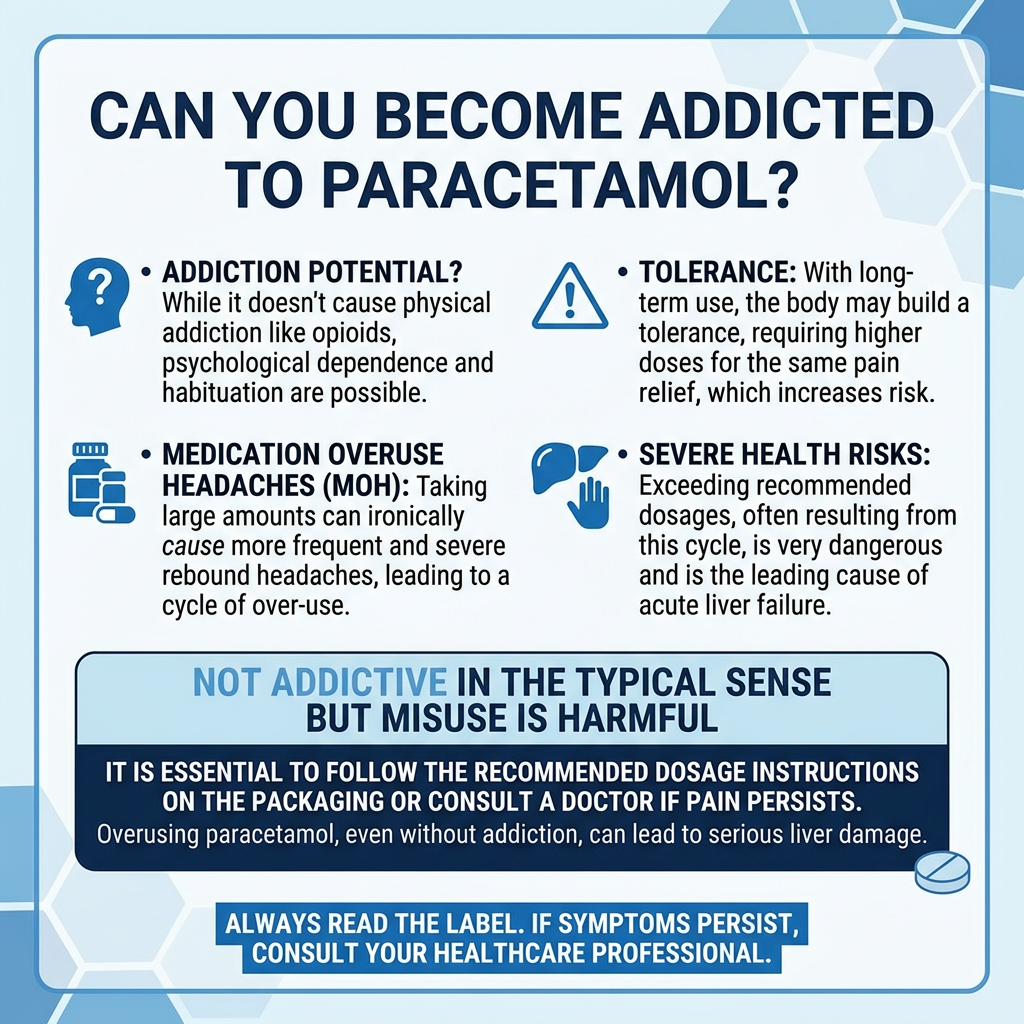
Can you become addicted to Paracetamol?
Can you become addicted to Paracetamol? No. Well not it in the same way you become addicted to heroin or alcohol as the way it affects the brain is different. That doesn't mean that some people are not addicted to taking it in the way that they take it, repeatedly. How does Paracetamol work? The…
Grace Kennedy
6:08 pm, June 26, 2026
Can you do a Methadone detox at home?
Can you do a Methadone detox at home? In theory: Yes. In practice: No. It is a nice idea that you can stay at home, take some methadone and your opioid use disorder is cured. Sadly it just doesn't work like that. In order to understand why this won't work you need to know what…
Grace Kennedy
6:49 pm, June 25, 2026