
Help For Pregabalin Addiction
July 29, 2024
4:43 pm
Table of contents
- What is Pregabalin?
- How was Pregabalin discovered?
- Why is Pregabalin addictive?
- How quickly do signs of withdrawal start?
- Pregabalin poisoning
- Interactions with other drugs
- Research findings
- Why is my NHS GP wanting to reduce and/or stop my Pregabalin?
- What can I do if my GP wants to reduce/stop my Pregabalin?
- Buying Pregabalin from the dark web
- Will my local authority funded addiction service help with Pregabalin?
- What help is available for Pregabalin addiction?
- A tailored treatment plan
- Tapered reduction on Pregabalin
- Pregabalin is the symptom: Therapy is the answer
- 12 step, SMART or eclectic?
- Aftercare
- Help for Pregabalin addiction: How can Find Me a Rehab help?
- Get help today
There is help for pregabalin addiction.
What starts out as prescription from your GP or hospital consultant turns into a repeat prescription then leads to addiction.
Pregabalin has it’s uses but, as with most addictive prescription drugs, the potential for addiction was not discovered until after it was mass produced and marketed.
Our experienced addictions clinicians each have over three decades of experience treating people overcoming addiction, including Pregabalin.
Here they share their experience and knowledge with you.
What is Pregabalin?
Pregabalin is a drug prescribed, initially, for epilepsy and seizure control.
It is not a cure but will prevent seizures if taken regularly: as directed.
Pregabalin can also be used for long-term pain caused by Shingles and nerve pain from spinal cord injuries and nerve damage from diabetes.
It is also used for muscle pain and stiffness as is common with Fibromyalgia.
Pregabalin can be used for alcohol detox and anxiety disorder. It can be taken in an oral capsule or liquid.
How was Pregabalin discovered?
It was discovered through some research in 1988 at Northwestern university in America by a member of Professor Richard Silverman’s lab team.
The team discovered that certain artificially created chemicals can help to increase the concentration of a neurotransmitter in the brain.
This neurotransmitter is known as an “inhibitory” one, that being a chemical that stops something from happening: In this case epileptic seizures.
This discovery led, a year later in 1989, to a new molecule being synthesized, known as Pregabalin.
It was not until ten years later that Pfizer became involved and in 2005 it began to be marketed as Lyrica.
This drug, alone, generated over five billion dollars for Pfizer. However, income from the drug was also used to fund other major research studies.
Part of the revenue went towards funding a central hub for research at Northwestern university.
Why is Pregabalin addictive?
Pregabalin causes euphoria, which can be a welcomed side effect. However, it you stop taking it, it will cause withdrawal symptoms. These can be very unpleasant, indeed. The most common being:
- Changes in mood
- Severe agitation
- Headaches
- Depression
- Chronic anxiety
- Serious suicidal ideas
- Severe nausea
- Very heavy sweating
- Chronic diarrhea
- Rapid heart rate
- Extreme cravings for pregabalin
- Severe insomnia
- Seizures
How quickly do signs of withdrawal start?
Withdrawal signs and symptoms can start within a couple of days, depending on how much pregabalin is taken and how long for.
While stopping Pregabalin suddenly can cause seizures, for those prescribed it for seizure prevention, this makes sudden cessation incredibly dangerous.
Even for those who have a supervised taper in a residential center, residual withdrawal symptoms can present after a week.
A study in Japan in 2021 showed that patients who take Pregabalin for as little as two months can encounter significant difficulties in reducing and ending their use of the drug.
For free 24 hour addiction help to overcome pregabalin addiction call and speak to one of our specialist addictions clinicians on 0333 041 9922. It is possible to overcome pregabalin addiction.
Pregabalin poisoning
Patients poisoning themselves (either deliberately or accidentally) with Pregabalin alone is uncommon.
Used in isolation, it normally causes only mild sedation.
However, what is far more common is for patients to take Pregabalin in common with other medications that can cause sedation.
This, massively, increases the risk of breathing difficulties, coma and death.
It is not just those who take it as part of a treatment plan from a doctor that experience difficulties.
There are increasing cases of those who use it recreationally, and by mixing it with other drugs end up in hospital or worse. Prescribing clinicians must be extremely cautious about prescribing Pregabalin to those with a history of substance dependency.
Interactions with other drugs
Pregabalin is excreted in an unchanged form in urine.
What this means is that the body is unlikely to change the drug when it is in your system.
Pregabalin is what is known as a central nervous system depressant (CNS).
As such, when one CNS depressant is taken with another (and that includes alcohol, a CNS depressant) the effects on the central nervous system can be drastically increased.
This can lead to extreme drowsiness, heavy sedation, respiratory depression and, in extreme cases: death.
Some commonly used medications are CNS depressants and accidents happen.
Some hay fever medications, pain killers, anti-sickness medications are of this class as are benzodiazepines and anti-psychotic medication.
Even some muscle relaxants can cause these problems. Research papers have already reviewed cases of patients ending up in comas due to patients mixing Pregabalin with other drugs.

Research findings
A study in the United Kingdom in 1994, estimated that as many as 6000 traffic accident deaths could be attributed to the use of psychoactive drugs.
For those being held in secure settings such as prisons and secure mental health units, there are significant issues with diversion of medication.
Mixing Pregabalin and Oxycodone can cause significant cognitive impairment and seriously affect gross motor function (ie walking, carrying a box, driving a car).
Why is my NHS GP wanting to reduce and/or stop my Pregabalin?
All GP services purchased by the NHS are provided by private companies commissioned to provide services.
As such, GP services are now under pressure to review, and reduce pregabalin prescribing.
The usual rule of thumb is that, unless the drug was prescribed by a hospital consultant neurologist/neurosurgeon or a consultant orthopedic surgeon your GP will be under pressure to reduce/stop your Pregabalin.
The computer systems used by GP’s have audit functions where reports can be generated on prescribing trends, etc. Such is the concern about the prolific uplift in cases of addiction to Pregabalin that it is now a controlled drug.
Of course, there are patients who take this drug responsibly, and therapeutically, for whom their use has been sanctioned by a hospital consultant and there are no issues.
Key Takeaways
- Pregabalin addiction can develop from initial prescriptions; withdrawal symptoms can be severe and start within days.
- Pregabalin is prescribed for epilepsy, pain, anxiety, but it leads to euphoria and dependency.
- Patients often misuse Pregabalin recreationally, which increases risks when mixed with other CNS depressants.
- Treatment for Pregabalin addiction includes a tailored medical plan, therapy, and aftercare, often within residential units.
- Help for pregabalin addiction is available; experienced clinicians can provide guidance and support for recovery.
What can I do if my GP wants to reduce/stop my Pregabalin?
As Pregabalin is usually given to patients on a repeat prescription basis this creates a significant issue.
Patients may try and report that they have lost their prescription; it was taken from them as part of a street robbery, they left it on a bus, etc.
They do this to obtain more but it won’t work. No GP surgery, as I wouldn’t, would honor a replacement.
A police crime report number won’t get you a replacement prescription, either.

Buying Pregabalin from the dark web
This can mean patients use the internet to buy extra (you might as well flush your money down a drain), ask others prescribed it or, worse still, buy from street dealers. Despite what you might think, there is no such thing as a reputable dealer.
While it is not uncommon for patients to be dependent on Pregabalin alone, it is also very common to find patients using community drug and alcohol services.
These patients will, invariably be heavily dependent on heroin and crack cocaine, as well as other drugs such as benzodiazepines.
People who die from drug overdoses normally have, at least, six different drugs in their systems when blood tests are conducted, post-mortem.
The difficulty with Pregabalin is that when it is used with opioids, benzodiazepines and Buprenorphine, the usual method of reversing the opioid element of the overdose, Naloxone, becomes much less effective.
Will my local authority funded addiction service help with Pregabalin?
Very unlikely.
All statutory community drug and alcohol services are commissioned by the local authority.
They are at carte blanche to commission whomever they choose.
Some will buy in services from private companies, some charities and the third sector and some: the NHS.
They have a budget for detox/rehab centers, but they are small, and the demand is very high.
To get statutory services to fund a stay for pregabalin there will be lots of hoops to jump through: it is not going to happen overnight.
While private rehab centers always provide medical treatment alongside therapy, statutory services may just provide a residential detox: only.
Without the correct therapeutic input and aftercare, a relapse is highly likely.
What help is available for Pregabalin addiction?
For those who are experiencing dependency on Pregabalin: help is available.
There are centers across the UK and Spain that can offer a tailored medical treatment plan, as well as a package of therapy and aftercare to get a patient free of Pregabalin and onto a trajectory of sustained recovery.
As with treatment for all dependency, there are three different elements:
- Medical treatment plan
- Therapy
- Aftercare
No element is more important than the other, but if the initial element is not in place, then the recovery trajectory will not work well.
A tailored treatment plan
A tapered reduction, within a residential unit, will enable the client to safely get away from Pregabalin.
However, there is a caveat to that in that the patients GP (or whomever prescribed it) needs to be made aware so that, if necessary, an alternative drug can be provided.
As previously mentioned, GPs are under increasing pressure to reduce and stop pregabalin prescribing so will be on board if a patient enters treatment to reduce and stop.
For those using illicitly obtained Pregabalin, it can be a little more complicated to work out a reduction regime due to not being able to verify the drug being taken but all in a day’s work for an experienced clinician.
For those who are taking high doses, it may be more cost effective to start a reduction plan, in the community, with the support of the GP/specialist doctor.
A reduction plan could last for several weeks, or even months, which could make a residential treatment plan cost prohibitive. Thus, a community element might help reduce costs.
Tapered reduction on Pregabalin
A center will make an informed decision as to whether they can provide a treatment plan for a client and a reduction plan drawn up.
Clinical guidelines differ as to the rate of reduction, but not widely.
In a nutshell, if someone is reducing, and not too quickly, the actual mechanics are not that important.
Unlike alcohol withdrawal, it is unlikely that someone who comes into treatment for Pregabalin will need time to “settle in” before being able to take part in therapy.
Sometimes, with alcohol withdrawal, it can take a day or two before a client is physically able to take part in group sessions: This is unlikely with Pregabalin.
A reduction plan will be like reducing the amount of Pregabalin taken in a day and (towards the end of the reduction plan) the number of times a day it is taken.
Pregabalin is the symptom: Therapy is the answer
All private centres operate on a group therapy basis, whether this is based around a 12-step abstinence-based approach or a SMART approach (some use an eclectic mix).
To be honest, as clinicians our observations of working in centers across the UK, the approach used is not that important.
What is important is that a client goes into treatment with an open mind ready to address issues that lead to addiction.
12 step, SMART or eclectic?
There are arguments for and against a twelve-step approach on which we won’t comment What we will say is that 12 step programmes have helped millions of people, all over the world, for many decades and continue to do so.
Indeed, most of the staff who work in centers are in recovery themselves, mostly due to 12-step programmes.
Individual therapy is not something that has been found to be productive in rehab.
One session a week is usually provided for those clients staying a week.
No reputable Centre will accept a client for a rapid detox.
This is dangerous, unethical and bound to fail.
Help for Pregabalin addiction needs to be evidence based.
Aftercare
The third element is aftercare, which is essential.
When we speak to clients who have relapsed, it is invariable that they did not make use of the aftercare provided.
There are those in recovery who have remained abstinent for decades, which they put down to continuing along the pathway introduced in treatment, be it a twelve-step approach or a SMART or eclectic approach.
Help is available. It need not be expensive, and this is not something that can be done at home. Call and speak to an experienced clinician who has many years’ experience of Pregabalin treatment and recovery.
If you are struggling with pregabalin addiction call in for free 24 hour addiction help. With the right help and support it is possible to overcome pregabalin addiction.
Help for Pregabalin addiction: How can Find Me a Rehab help?
We are addictions clinicians each with over three decades experience of assessing, diagnosing, prescribing for and treating people caught up in addiction.
Our experience has been gained through working in prisons, private hospitals, private rehab centres, NHS commissioned share care GP addiction clinics, local authority community addiction services and statutory funded residential rehab centres.
Get help today
Call, email, live chat or use Whattsap to speak with an experienced addictions clinician on any aspect of addiction, detox, therapy, home treatment, relapse prevention and aftercare.
Our clinicians can advise you on treatment plans, treatment options, locations, costings, logistics and availability.
We only signpost to legally registered services.
There is help for pregabalin addiction.
Need help finding the right rehab for you or a loved one? Get in touch today and take the first step toward recovery.
Speak to usRecent Posts
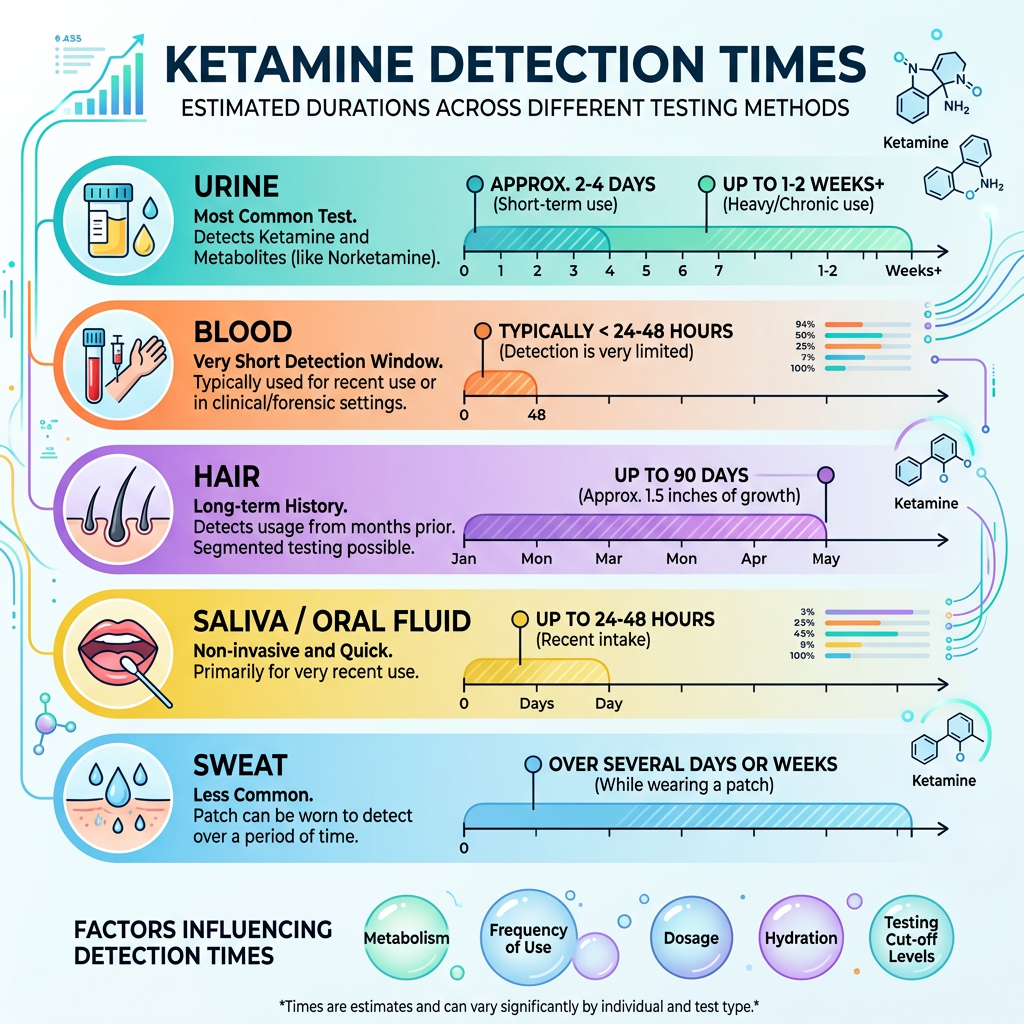
How long does Ketamine stay in your system?
How long does Ketamine stay in your system? As an experienced addictions clinician with over thirty years experience my question to that is: Why do you need to know? Is it because you are worried it will show up in a drug screen at work? Are you worried about being drug tested by the police…
Grace Kennedy
12:23 pm, July 2, 2026
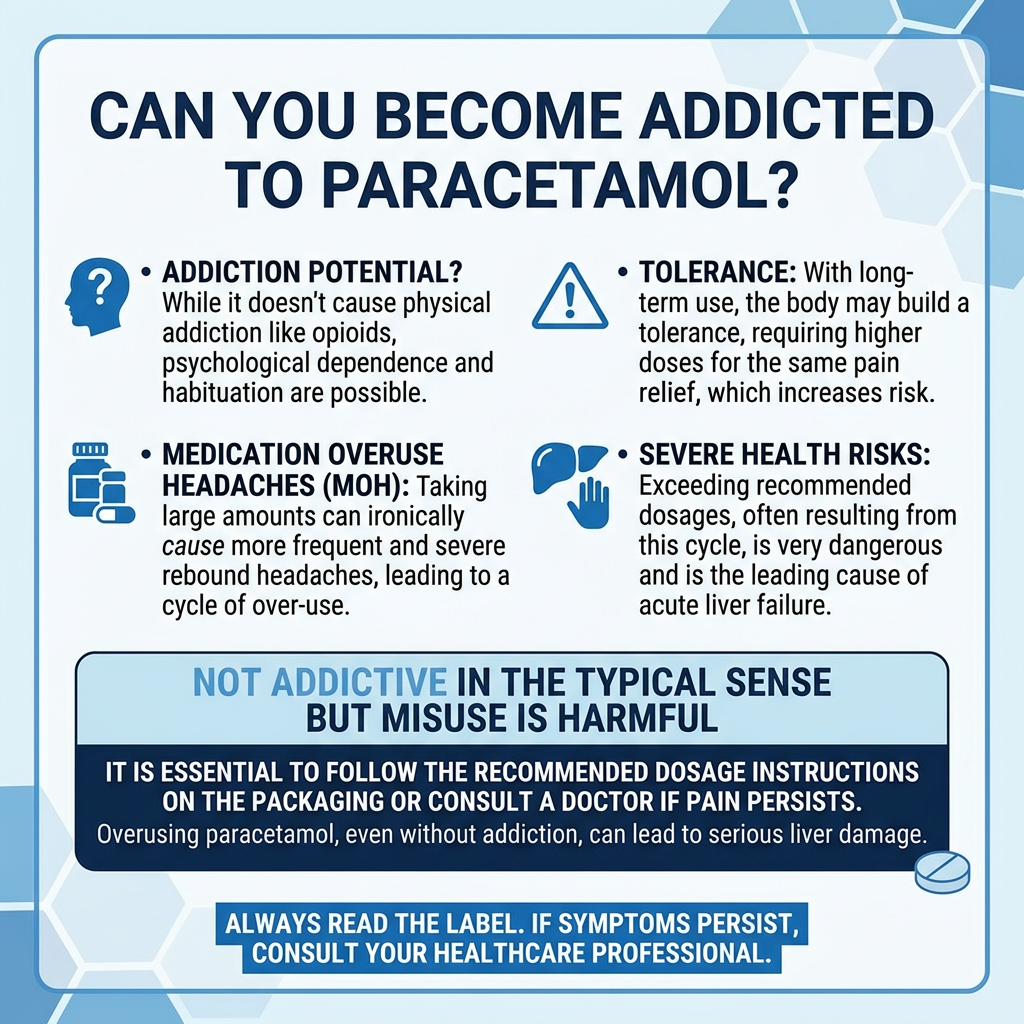
Can you become addicted to Paracetamol?
Can you become addicted to Paracetamol? No. Well not it in the same way you become addicted to heroin or alcohol as the way it affects the brain is different. That doesn't mean that some people are not addicted to taking it in the way that they take it, repeatedly. How does Paracetamol work? The…
Grace Kennedy
6:08 pm, June 26, 2026
Can you do a Methadone detox at home?
Can you do a Methadone detox at home? In theory: Yes. In practice: No. It is a nice idea that you can stay at home, take some methadone and your opioid use disorder is cured. Sadly it just doesn't work like that. In order to understand why this won't work you need to know what…
Grace Kennedy
6:49 pm, June 25, 2026