
Benefits of Exercise for Addiction Recovery
July 18, 2025
8:04 am

Table of contents
- Introduction
- Exercise in addiction recovery covers all bases
- How does exercise help someone in recovery?
- Is there any scientific evidence?
- What type of exercise is recommended?
- How does exercising help long term recovery?
- Improved quality of life
- Exercise in rehab
- What is on offer?
- Do rehabs have gyms on site?
- What do rehab centres provide?
- How can Find Me a Rehab help?
- Getting help
Introduction
Recovering from addiction is a complex process that requires a comprehensive treatment plan, involving a multi-disciplinary approach with the addict at the center.
Exercise in addiction recovery treatment is increasingly recognized as a valuable component of this plan. If the plan is not collaborative, it is destined to fail. Treatment is not just about detox, for those who need it.
Addiction doesn’t just affect brain chemistry; it devastates mental wellbeing as well as physical health.
Just as addiction attacks multiple areas of an addicts live and health, so a recovery plan is made up of different aspects: Medication (where necessary), psychological therapy, nutrition, aftercare planning, relapse prevention and physical recovery which can include exercise.
Exercise in addiction recovery covers all bases
Recent research has shown that regular physical exercise can be a very powerful tool, not only in restoring the addict’s physical health but also in boosting emotional wellbeing and mental resilience.
It has long been known that exercise can be a very powerful tool to help reducing stress, elevate mood, reduce anxiety and provide an overall sense of wellbeing.
Exercising, as part of recovery, can provide a structured routine as well as providing a sense of achievement. Most importantly, it can really help with reducing addictive behaviours. If you are having a detox at home, exercise is still an essential part of recovery.
How does exercise help someone in recovery?
When you exercise, several chemicals (known as neurotransmitters) are released into the brain:
- Dopamine
- Serotonin
- Norepinephrine
- Endorphins
Exercise also has a positive effect on the nervous system and can positively affect multiple elements including:
- Motivation
- Reward
- Decision making
New neural connections
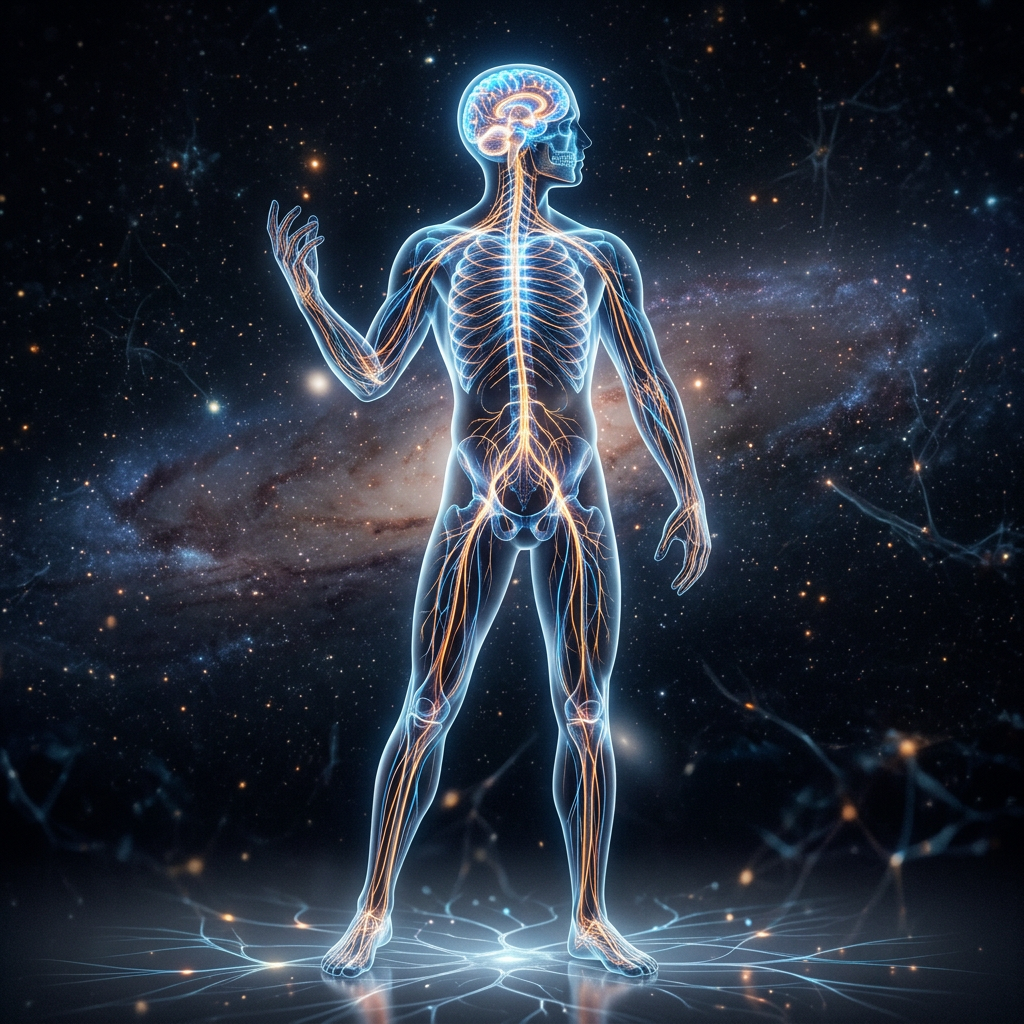
In addition, exercise promotes the brains’ ability to make adaptations so that it can form new neural connections, these are responsible for improving communication in the brain.
This is essential in improving mood, reducing cravings, and sustaining memory. Exercise can also enhance brain recovery and repair.
Is there any scientific evidence?
Yes! Advances in science have enabled the use of brain imaging to show that exercise activates reward pathways in the brain in a very similar way that the brain responds to drugs but in a more positive way.
Scientific studies using animals have brought some very interesting results including evidence that regular exercise case reduce cravings and prevent relapse by changing neural circuits in the brain.
Studies on behaviour amongst those caught up in addiction has shown that those who exercise regularly experience reduced withdrawal symptoms, especially in relation to mood and stress which are strong indicators in those who relapse.
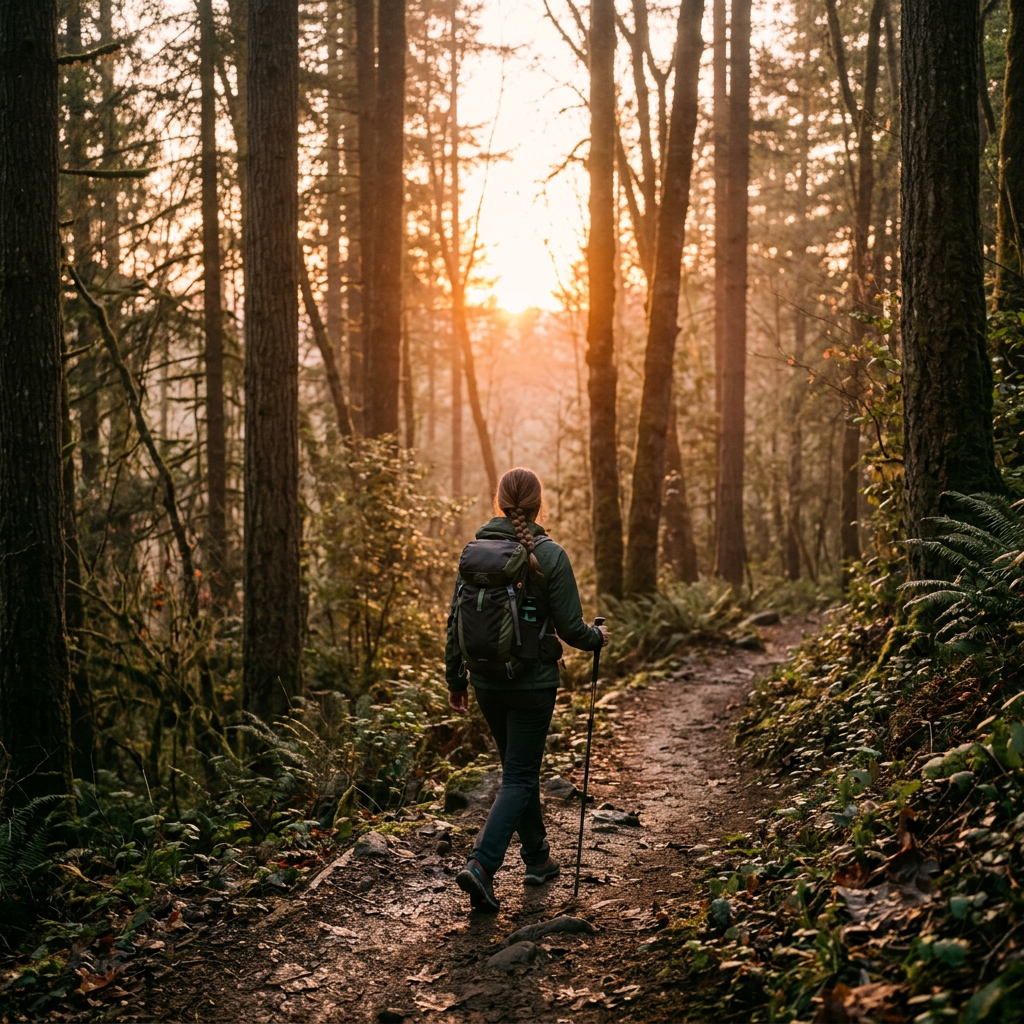
Exercise can be a solo activity or as part of a group. Some people enjoy a long run, on their own, where they can gather their thoughts and reflect on their recovery while others enjoy the power of the group in that exercising with others provides mutual support.
For those who can, exercise forms part of a holistic approach to recovery.
What type of exercise is recommended?
For someone in recovery from addiction exercising may be something they have done before or a new experience altogether.
As such, to begin with low intensity activities are recommended:
- Swimming
- Cycling
- Light resistance training
- Yoga
Low intensity exercising can help to address muscle stiffness, which is common in drug addiction, as well as decrease inflammation and pain. Regular, low intensity, exercising can also help to develop flexibility and range of motion.
It is important to start slowly and increasing how long you exercise for and the intensity over time. Too much too soon will lead to burnout. It is essential to have rest days from exercise, known as active recovery, where you perform more gentle routines. Yoga is ideal.
How does exercising help long term recovery?
As we discussed, exercising enhances chemical changes in the brain , especially those that are vital for good mental health. Both dopamine and serotonin levels are increased, and these are key in both reducing cravings and symptoms of withdrawal. Managing anxiety and stress are also massively helped by these chemicals.
Integrating exercise into holistic addiction recovery involves combining physical activities such as yoga, dance, Tai Chi, and recreational sports with other therapeutic modalities.
These activities promote physical health and reduce stress while enhancing emotional well-being, emphasizing the mind-body connection that is central to holistic care.
Improved quality of life
Adding exercises to art therapy, meditation, and nutritional counseling creates a comprehensive approach that addresses the whole individual—body, mind, and spirit. This integration helps individuals build self-esteem, grow spiritually, and improve overall quality of life.
Holistic treatment plans focus on fostering a sense of self-confidence and spiritual growth, which are crucial for sustained recovery. Engaging in regular physical activities alongside traditional treatments such as psychotherapy and medication can increase treatment adherence and satisfaction.
By creating an environment that supports physical, emotional, and spiritual healing, these combined approaches support long-term sobriety and help clients better manage cravings and emotional challenges.
Key Takeaways
- Exercise in Addiction Recovery Treatment is crucial for physical, emotional, and mental health improvement.
- Regular exercise releases neurotransmitters that enhance mood and resilience, helping reduce cravings and withdrawal symptoms.
- Incorporating low-intensity activities, like swimming and yoga, fosters physical health while easing muscle stiffness.
- Holistic approaches to recovery combine exercise with therapy and nutrition, improving overall quality of life.
- Rehab centers may offer varying levels of exercise programs, but extensive facilities are not essential for effective recovery.
Exercise in rehab
All rehab centres incorporate exercise into the schedule. No one is expecting you to do a ten-mile run before breakfast but if you are able, there are plenty of opportunities to take part in the exercise programme.
Once the client has been cleared to take part by the medical team, they will be able to join in the different physical activities planned.
What is on offer?
Different centres provide various types of physical activities, largely depending on the location of the centre. Those that are more rural provide country walks whereas those in urban areas may use local sports facilities. Many use space on site for Yoga and relaxation sessions.
Do rehabs have gyms on site?
One of the most frequent questions we get asked! Referral agents, to earn commission, will tell prospective clients that all centres have a gym: This is simply not true.
Some have a small, dedicated exercise suite with some equipment but only the very high end (with the cost to match) have extensive facilities. As with all things in life: If you want something, it costs money! The same goes for swimming pools.
What do rehab centres provide?
If rehabs had large, well-equipped gyms and heated pools, the costs would have to be passed onto the consumer. This would, very significantly, raise the cost of rehab and take away the chance of recovery for many. Indeed, many callers who ask about gyms and pools, when asked, will tell you they have never used either!
A large fully fitted gym is not essential for anyone to gain the benefit of exercise, neither is an Olympic swimming pool. Sometimes, potential clients will put up barriers to treatment by asking for things like swimming pools and gyms because they are not focused on recovery. Knowing how to support someone who is indecisive is important: You can not coerce someone.
How can Find Me a Rehab help?
Our addictions clinicians have decades of experience, each, in helping people caught up in addiction.
They have worked in prisons, private hospitals, private rehab centres, NHS GP shared care addiction clinics as well as local authority funded residential and community addiction services.
We never charge for advice or treatment referrals.
Our service is free and totally confidential.
Getting help
Call, email or live chat with an experienced addictions clinicians for advice on any aspect of addiction including detox, rehab, home treatment, therapy, relapse prevention and aftercare.
Our clinicians can discuss treatment options, treatment plans, locations, costings and logistics.
Need help finding the right rehab for you or a loved one? Get in touch today and take the first step toward recovery.
Speak to usRecent Posts
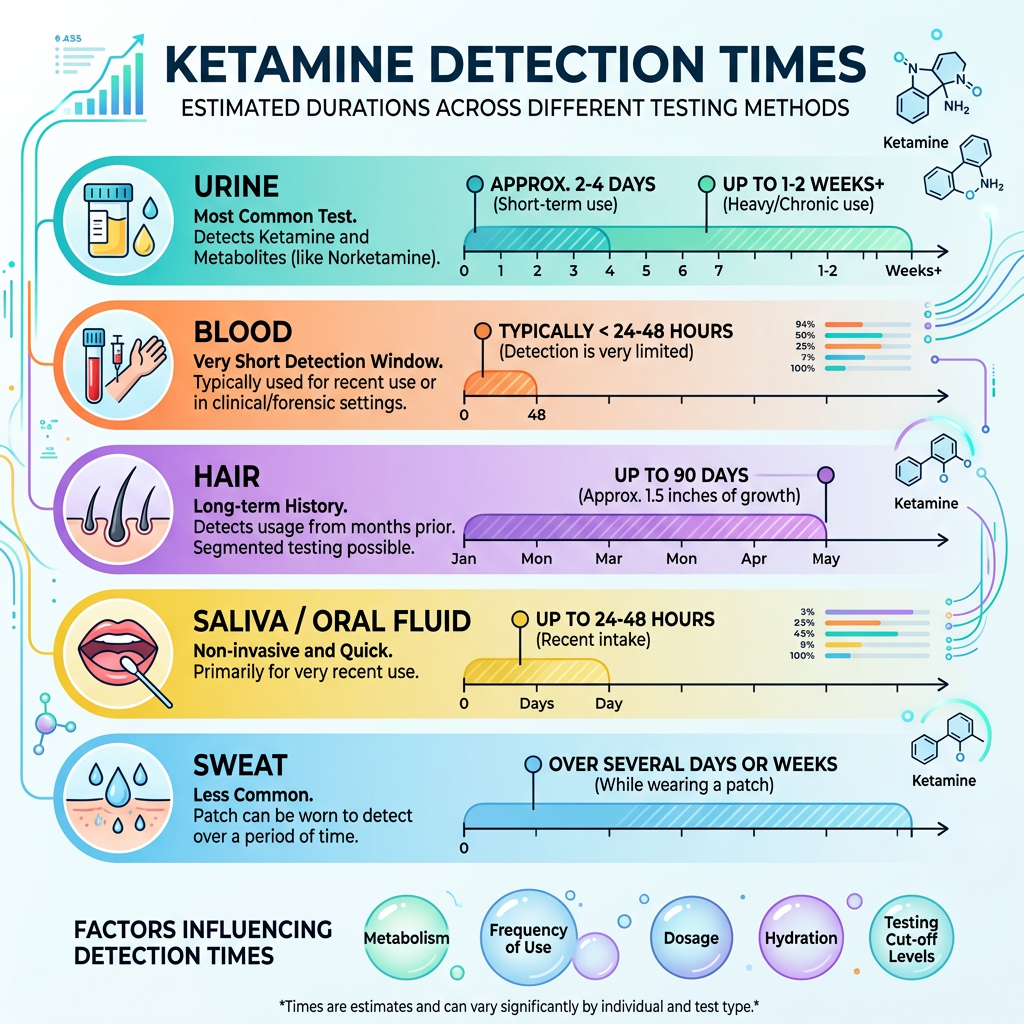
How long does Ketamine stay in your system?
How long does Ketamine stay in your system? As an experienced addictions clinician with over thirty years experience my question to that is: Why do you need to know? Is it because you are worried it will show up in a drug screen at work? Are you worried about being drug tested by the police…
Grace Kennedy
12:23 pm, July 2, 2026
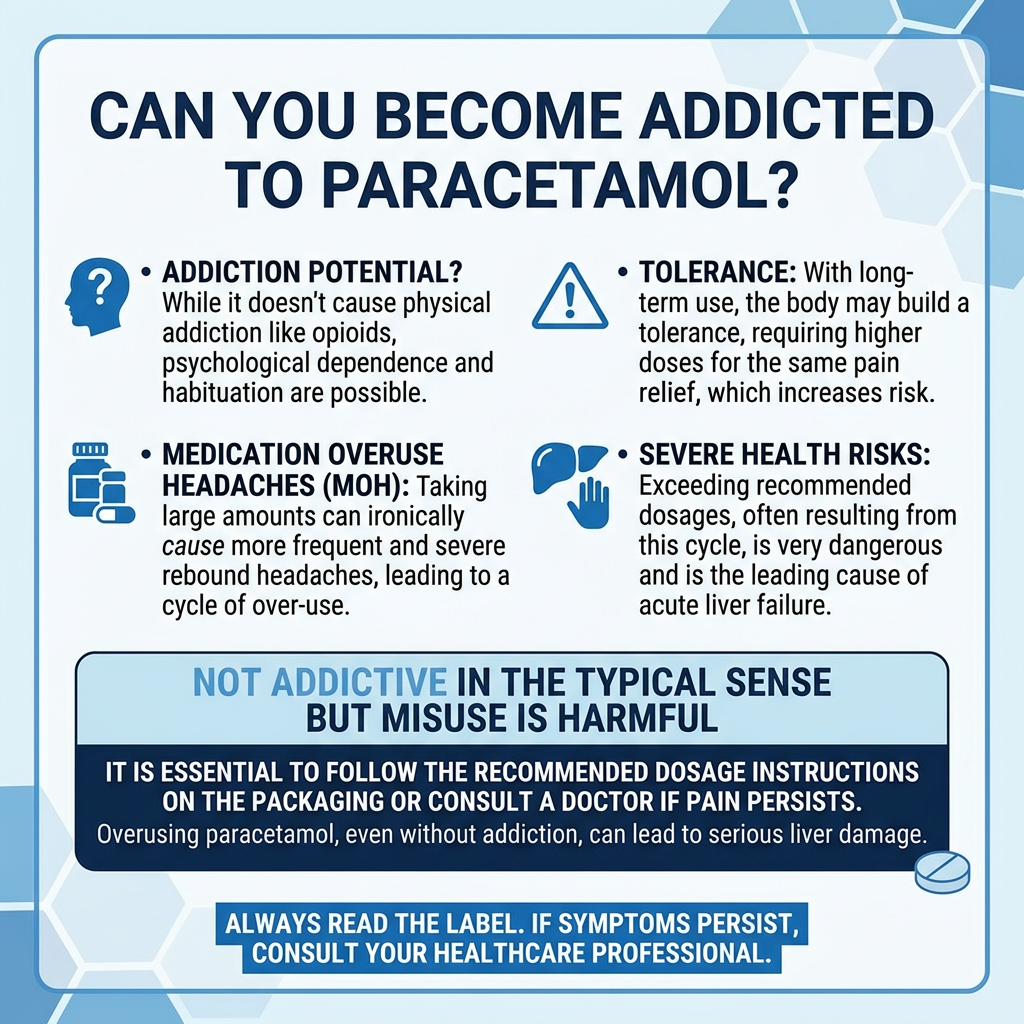
Can you become addicted to Paracetamol?
Can you become addicted to Paracetamol? No. Well not it in the same way you become addicted to heroin or alcohol as the way it affects the brain is different. That doesn't mean that some people are not addicted to taking it in the way that they take it, repeatedly. How does Paracetamol work? The…
Grace Kennedy
6:08 pm, June 26, 2026
Can you do a Methadone detox at home?
Can you do a Methadone detox at home? In theory: Yes. In practice: No. It is a nice idea that you can stay at home, take some methadone and your opioid use disorder is cured. Sadly it just doesn't work like that. In order to understand why this won't work you need to know what…
Grace Kennedy
6:49 pm, June 25, 2026