
Essential Tips for Preparing for Rehab
September 29, 2025
6:57 pm
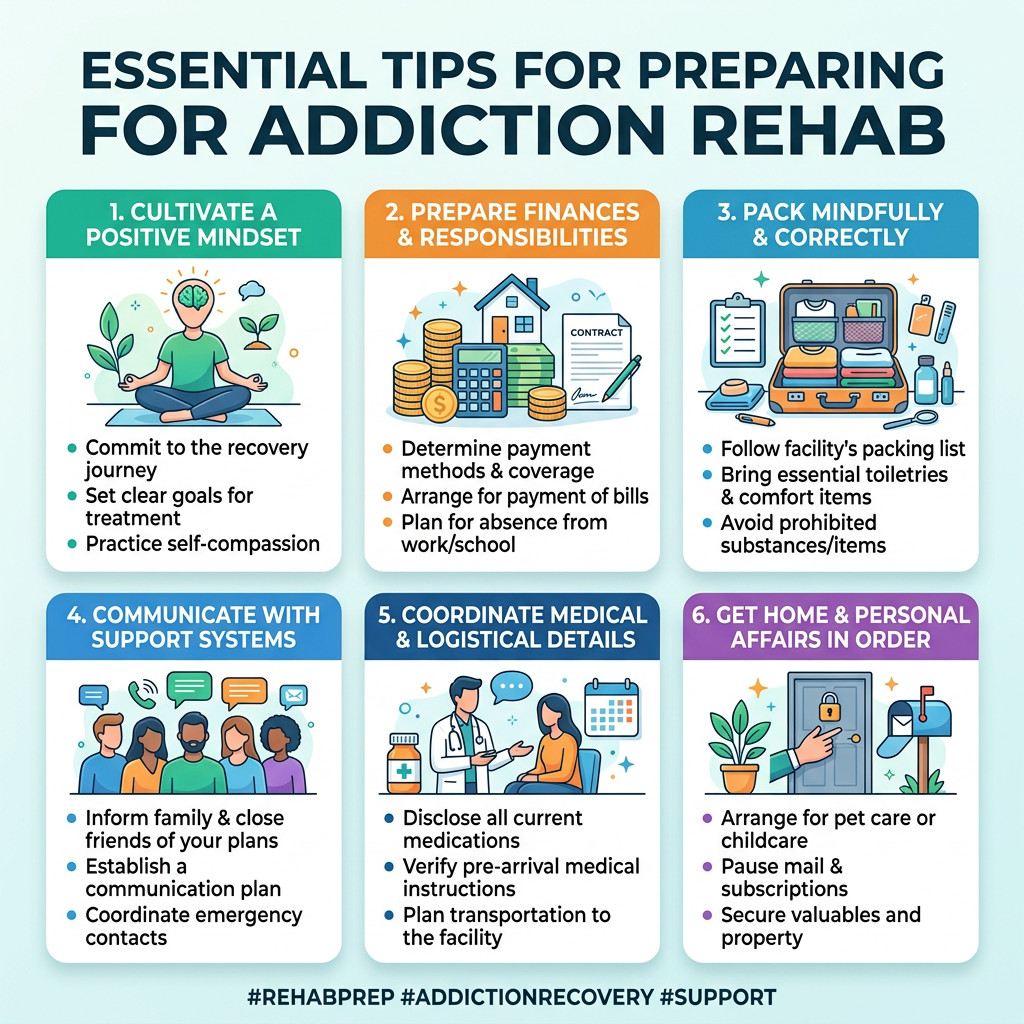
Table of contents
Preparing for addiction rehab is as important as the work you do while you are there.
It might be you seeking help or you may be concerned for a loved one, family member, friend or employee: It matters not.
Usually, getting help starts with a phone call or an email.
For those wondering how to prepare for rehab, here at Find Me a Rehab we are a little different.
Our clinicians share their knowledge
We provide free, confidential and impartial clinician led advice to all.
Our clinicians are all experienced in the field of addictions.
We are not tied to any particular service . Between them, they have worked at most of the well known (and lesser well known!) rehabs in the country.
They have also worked in private outpatients, prisons, and statutory services.
Here at Find Me a Rehab we have experienced addictions clinicians with decades of direct clinical experience treating clients in private rehabs, statutory services and prisons.
Our advice is always free and available to all. If you or someone you know needs a Free Rehab Referral Service call us. We provide Free Clinician Drug Advice.
Preparing for addiction rehab requires expert insight.
We never charge for advice.
Home detox is rarely the answer : Preparing for addiction rehab
Many people think that they can detox at home: This is only available in a very small number of cases and usually only for those who consume a moderate amount of alcohol.
Home detox never addresses the underlying reasons as to why people are addicted so relapse is inevitable.
Most companies who provide home treatment do so illegally.
Preparing for addiction rehab is a lot more than just taking a few pills at home.
Admission should be a planned intervention not an emergency
While it sometimes happens, trying to get into a rehab centre the same day as you make the first enquiry should be avoided.
Depending on the clinical presentation, it might, sometimes, be a necessity.
Usually, there should be a gap between picking up the phone and getting into treatment. This allows for necessary preparation, understanding how to prepare for rehab successfully.
Preparing for addiction rehab takes time. Rushing into the first rehab that will take you is never the answer.
Getting ready for rehab
Our clinicians have told us that, from their experience, those who are well prepared are able to adjust more quickly and to really gain the most from rehab.
Those who are not prepared are the ones who risk making the unfortunate decision to leave. This puts them at immediate risk of relapse.Getting ready for rehab is crucial to a successful recovery.

Preparing yourself
Being mentally prepared for rehab is not something most people probably consider. The immediate need is just to get help.
For family members/loved ones and employers, it is often a desire to get someone into treatment as soon as possible as this will“fix the problem.”
The issue here is that this is more about their anxiety than the person with the addiction. Mental readiness in preparing for rehab can make a significant difference.
When someone is ready to pick up the phone it could be after years of thinking about it.
No one becomes addictive to drugs or alcohol overnight and seeking help can be a long term ambition.
Key Takeaways when Preparing for addiction rehab
- Preparing for rehab involves mental readiness and awareness of common misconceptions, like home detox being a viable option.
- Admission should be a planned intervention; rushing into rehab may hinder success.
- It’s crucial to choose a rehab based on informed decisions rather than emotions or pressures from others.
- Be realistic about rehab; expect ups and downs, as this prepares you and your support network for the journey ahead.
- Our experienced addictions clinicians provide free and impartial advice on all aspects of addiction and rehab.
Make an informed choice: Not a rash decision
Always avoid the urge just to get admitted into the first place that has a vacancy.
The internet is awash with referral agents who earn large commissions.
They are not clinicians and will sell you a dream for cash. It’s important to know how to prepare when considering a rehab.
Here at Find Me a Rehab we have experienced addictions clinicians with decades of direct clinical experience treating clients in private rehabs, statutory services and prisons.
Our advice is always free and available to all. If you or someone you know needs a Free Rehab Referral Service call us. We provide Free Clinician Drug Advice.
Don’t make a decision based on emotion: Base it on fact
No one should go into rehab simply because they feel pressured by someone else, regardless of their good intentions.
If they did, it is unlikely to work. The relationship between the person in need and whomever talked them into going is bound to be severely damaged, if repairable.
Practical steps and emotional preparedness when Preparing for addiction rehab
Our clinicians suggest the following:
- Be positive about going into rehab: This can be challenging if it is not your first time in treatment. However, if you make a conscious decision to leave negative experiences at the door it can bolster your recovery.
- There will be bad days, as well as good ones in rehab: Going into rehab means being realistic. Thinking it will all be plain sailing will leave you disappointed. Some days will really challenge you and make you feel that you can’t do it, but you can. Most of the support (and some of the therapy staff) in rehab centres are living proof that it can be done as they will be in active recovery. Some have been abstinent for over three decades. Rehab is not supposed to be easy. It is life saving treatment for a very serious illness.
- Make sure your support network is ready for the up’s and down’s: If those supporting you are forewarned, they are forearmed. Let them know that there will be both good and bad days while you are in rehab. This will help them to support you.
- Detox can be a difficult ride: Even with the best medical care provided, detox can, on occasion, be a little uncomfortable. With the support of peers and staff in rehab, this can be overcome.
- Admission is not checking in: Contrary to what you might read in gossip columns about media personalities who “check into” rehab, the admissions process is quite robust. It has to be. While you would have been assessed by a clinician before admission day, there are certain procedures that are essential for your safety and recovery. Not all these procedures need to be completed at once, especially if you are intoxicated or emotional. You will be in very safe hands.
- Water: Be hydrated. It never does any harm!
- Pack as if you are going on holiday: No drugs, alcohol or drug equipment. Sounds obvious but you would be surprised! Staff always go through luggage with clients but it avoids embarrassment.
- Don’t take the kitchen sink: Take enough clothes, essentials but do not go overboard. Check with staff about electronic devices. Protocols vary.

Here at Find Me a Rehab we have experienced addictions clinicians with decades of direct clinical experience treating clients in private rehabs, statutory services and prisons.
Our advice is always free and available to all. If you or someone you know needs a Free Rehab Referral Service call us. We provide Free Clinician Drug Advice.
Getting help
Our experienced addictions clinicians can advise you on any aspect of addiction, detox, rehab, therapy, relapse prevention, home treatment and aftercare.
They can discuss treatment options, treatment plans, locations, costings and logistics.
Preparing for addiction rehab requires an informed approach.
We only signpost to legally registered services.
Need help finding the right rehab for you or a loved one? Get in touch today and take the first step toward recovery.
Speak to usRecent Posts
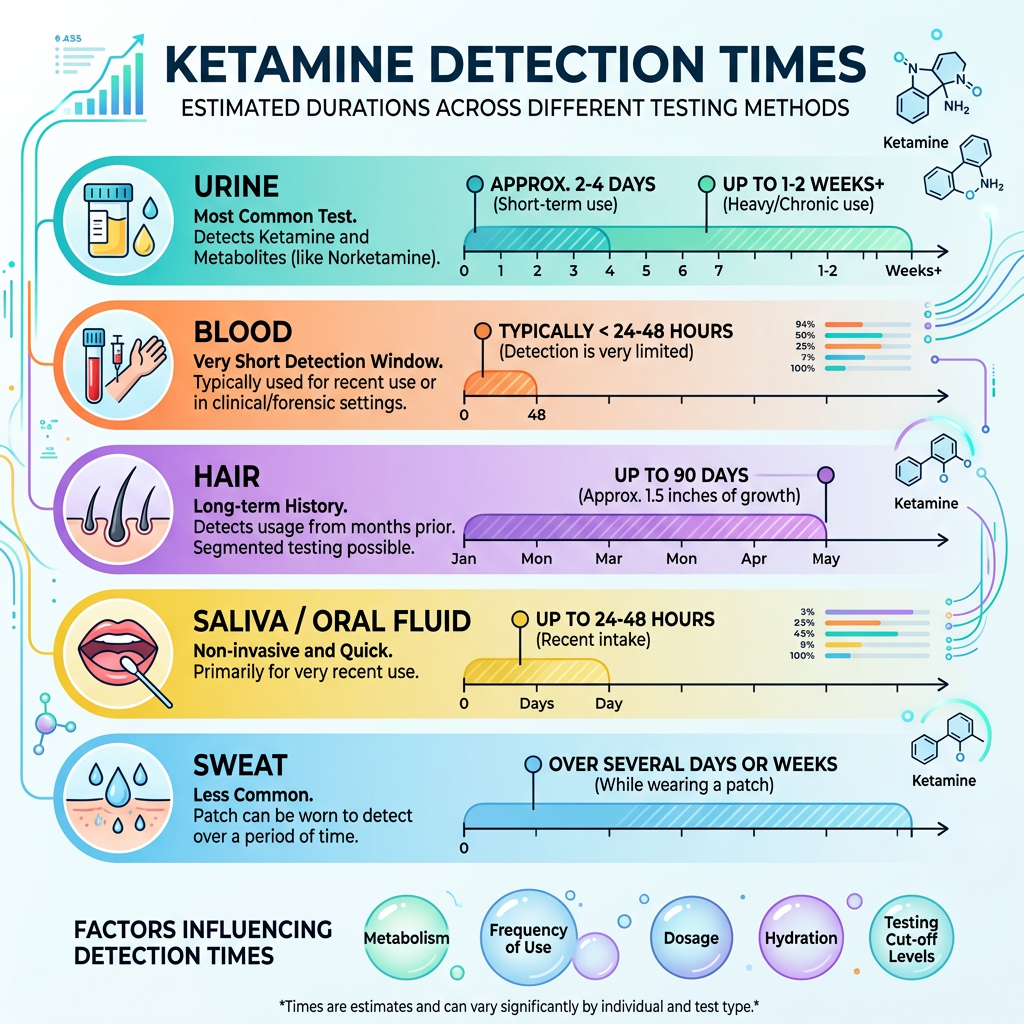
How long does Ketamine stay in your system?
How long does Ketamine stay in your system? As an experienced addictions clinician with over thirty years experience my question to that is: Why do you need to know? Is it because you are worried it will show up in a drug screen at work? Are you worried about being drug tested by the police…
Grace Kennedy
12:23 pm, July 2, 2026
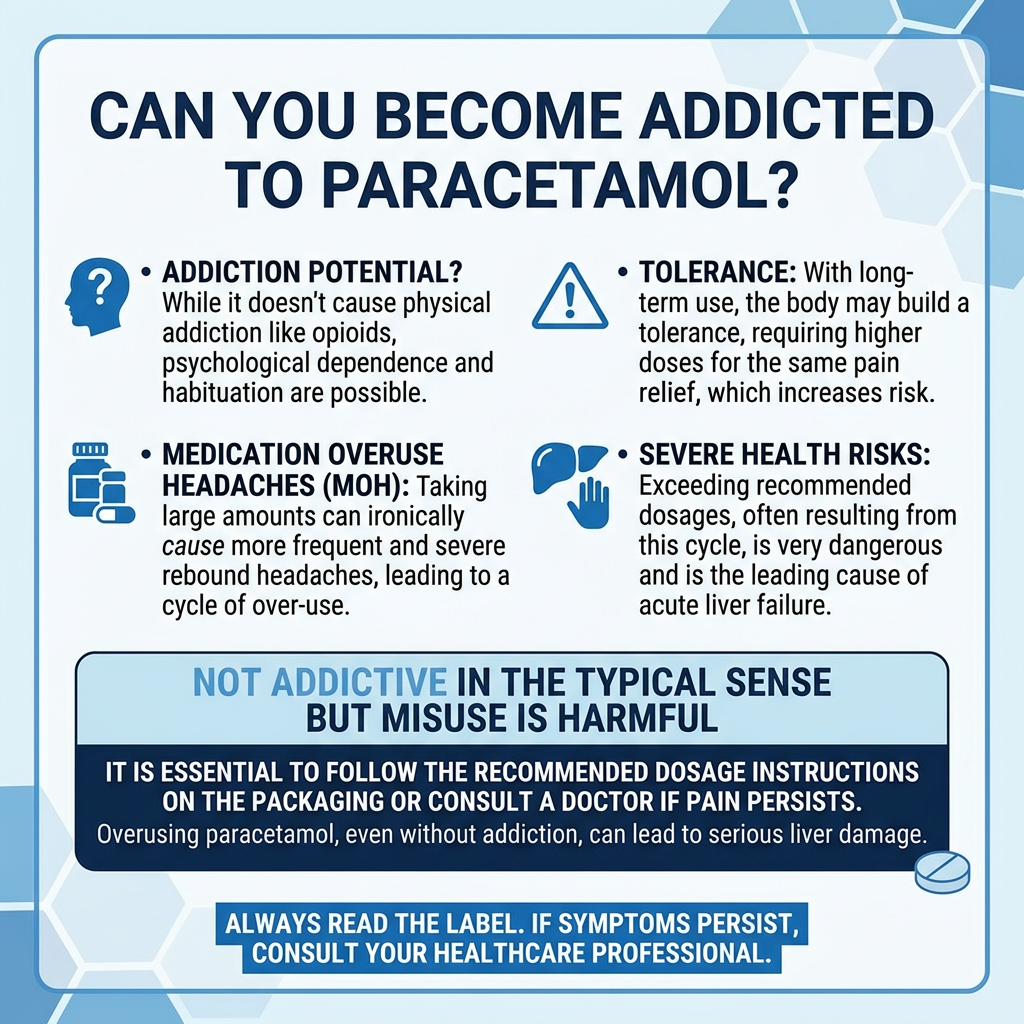
Can you become addicted to Paracetamol?
Can you become addicted to Paracetamol? No. Well not it in the same way you become addicted to heroin or alcohol as the way it affects the brain is different. That doesn't mean that some people are not addicted to taking it in the way that they take it, repeatedly. How does Paracetamol work? The…
Grace Kennedy
6:08 pm, June 26, 2026
Can you do a Methadone detox at home?
Can you do a Methadone detox at home? In theory: Yes. In practice: No. It is a nice idea that you can stay at home, take some methadone and your opioid use disorder is cured. Sadly it just doesn't work like that. In order to understand why this won't work you need to know what…
Grace Kennedy
6:49 pm, June 25, 2026