
What is a rehab centre?
June 22, 2026
3:34 pm
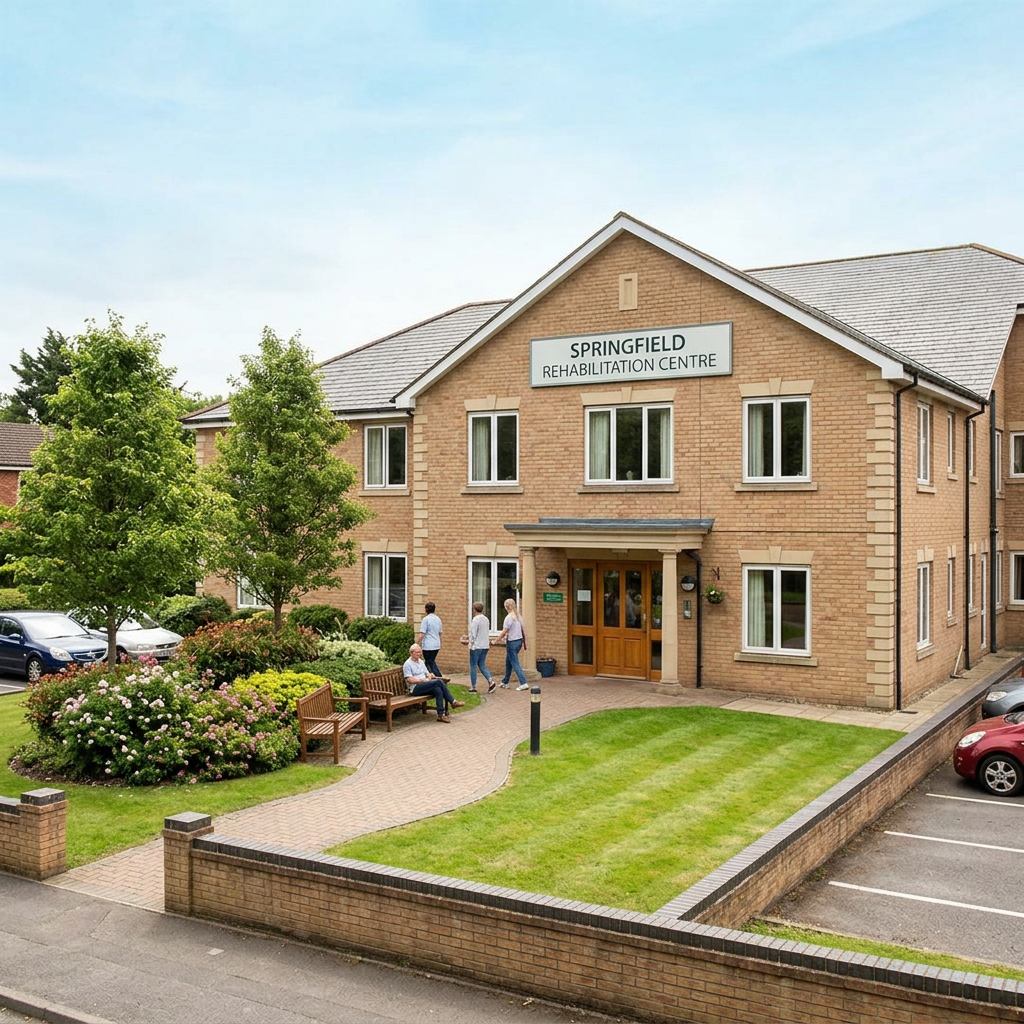
Table of contents
- What is rehab when asking What is a rehab centre?
- Detox when thinking What is a rehab centre?
- The science of detox
- How does detox work?
- Why can’t I just have a detox when considering What is a rehab centre?
- What about a detox at home when considering What is a rehab centre?
- How does therapy work in rehab?
- Relapse prevention and What is a rehab centre?
- Be like Churchill
- Aftercare, aftercare, aftercare
- Can I continue to see the therapist from rehab for sessions?
- How can Find Me a Rehab help with What is a rehab centre?
- Get help today with What is a rehab centre?
What is a rehab centre?
It is a place where you will get the tools you need to get onto a trajectory of lifelong recovery.
It is not a holiday camp or a spa resort.
Sure, you can go into rehab, nod your head, say the right things and simply go home and relapse: It is up to you.
Alternatively, you can get stuck in, do the work and really get into the mindset of recovery.
There will be bumps in the road.
Rehab is not like cosmetic surgery.
It is part of the recovery trajectory: Not the totality of it.
We are experienced addictions clinicians.
Each of us has over three decades of experience assessing, diagnosing, prescribing for and treating people caught up in addiction.
Between us, we have worked at nearly every rehab centre in the country.
Here we share our advice and knowledge with you.
What is a rehab centre? read on………
What is rehab when asking What is a rehab centre?
Rehab from addiction is a four stage process:
- Detox
- Residential rehab with therapy
- Relapse prevention skills prep
- Aftercare
No element is more important than the other but, for those who need a detox, this can be life saving.
If you try and move forward with just one element of the process, it simply won’t work.
Just as you wouldn’t have surgery for a broken leg without being nil by mouth before hand, having an anaesthetic and a plaster cast with crutches after so you can’t just have a detox and move forward.
A rehab centre provides all four essential elements.
Different centres do things in different ways.
Some use a 12 step philosophy for their group therapy, some don’t.
While all centres provide alcohol detox not all cater for opioid clients.
Let us examine each element so you can make an informed choice.
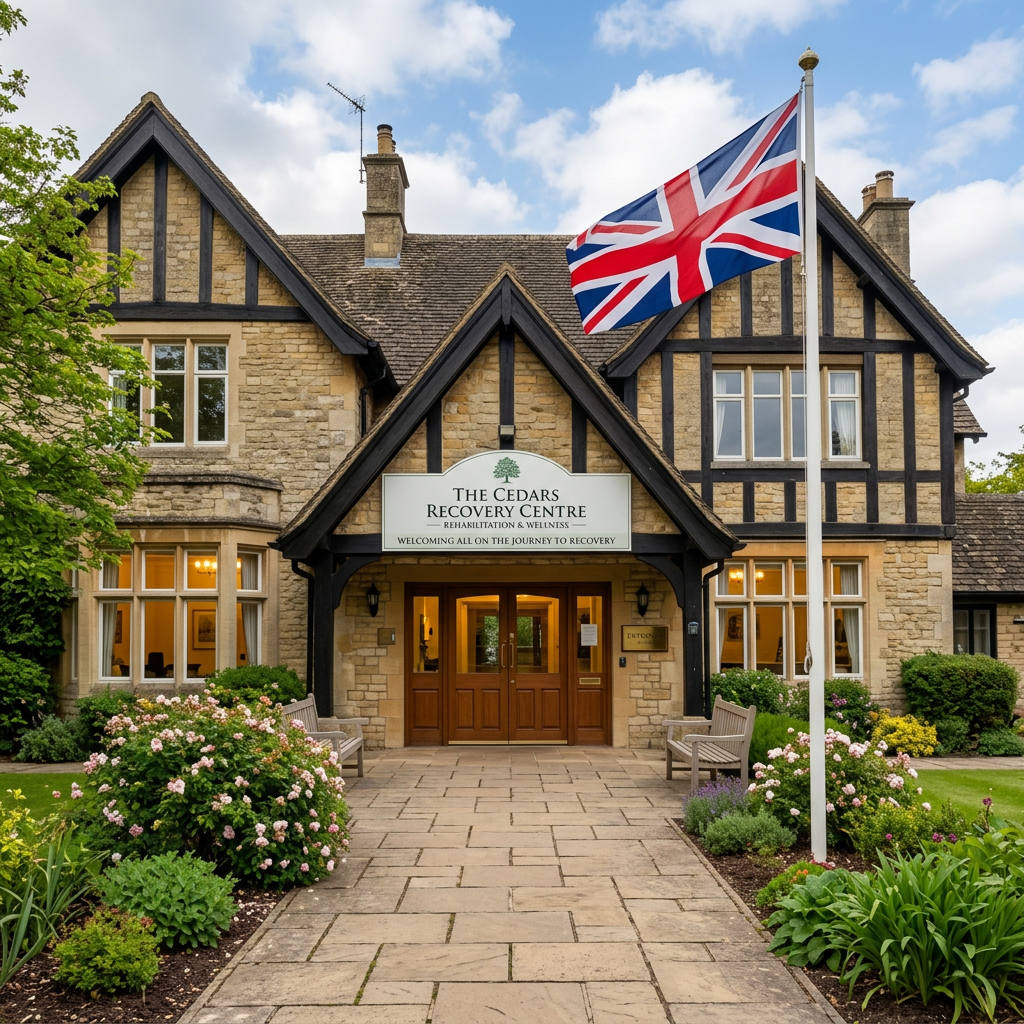
Detox when thinking What is a rehab centre?
Not everyone needs a detox and not everyone who goes into rehab is addicted to drugs and alcohol.
Some people are struggling with gambling addiction, shopping, sex, pornography: The cause is the same and so is the treatment. The only difference is that those with substances use disorder may need a detox so that can safely come away from dependency.
Not all drug addiction needs a detox and not everyone who has a problem with alcohol need a detox.
Having a detox, when you don’t need one is dangerous.
This is because the medication given is a substitute for the alcohol/drugs you are reliant on.
If you place substitutes on brain receptors that aren’t affected the receptors will react as they should and this could render someone unconscious: or worse.
The science of detox
When you drink alcohol/take drugs and/or prescription medication they affect receptors in the brain.
For example, if you take a sleeping tablet it induces sleep by activating the release of naturally occuring chemicals. It does this by manuipulating brain receptors, which is precisely what it was designed to do.
If you were unfortunate enough to have a car accident and needed urgent pain relief paramedics would give you morphine. This drug activates natural chemicals in the brain to stifle pain responses.
Substances (either illegal or prescribed) do one of two things: Open up chemical channels in the brain or close them down (some partially open and partially close, but let’s keep it simple for now!)
When you drink alcohol and/or take drugs for a sustained period, the brain becomes used to their presence.
The brain will adjust the way it works in order to protect itself.
This is known as physiological tolerance.
When this happens you will need ever increasing amounts of the drug/alcohol to have the same effect as the amount you used when you first started.
If you stop using drugs and alcohol suddenly (or reduce too quickly) the brain simply can not cope with this immediate change. As a result incorrect chemical messaging occurs. This is what causes the physical symptoms knows as withdrawals.
Untreated withdrawals can, at best, be uncomfortable. At worst: They can be fatal.
For some substances and especially alcohol, a detox is absolutely essential.
How does detox work?
There are two types of detox: Substitute prescribing and adjunctive.
Substitute prescribing means using a prescribed drug that acts on the same receptors as the drug you were taking.
For example alcohol withdrawal is treated with Benzodiazepines and heroin with Methadone or Buprenorphine.
With a substitute prescription the person is given an escalating amounts until the withdrawals stop then the prescription is reduced, slowly, which allows the brain to make the necessary adjustments until the prescription stops.
With adjunctive medication, for conditions such as Cocaine or Ketamine addiction, medication is used (usually on an as and when basis) to ensure a safe transition.
Because of the actions of Cocaine and Ketamine on the brain, there is no suitable substitute that can be prescribed. However, left untreated, Ketamine addiction, in particular, can prove to be very serious hence why medication is needed.
Key Takeaways
- A rehab centre provides tools and support for lifelong recovery from addiction, not a holiday or spa experience.
- Rehab involves a four-stage process: detox, residential therapy, relapse prevention, and aftercare, all essential for success.
- Different centres may use various therapies, including 12-step programs or modern approaches, but group therapy is key.
- Aftercare is crucial, including support groups and regular check-ins to help maintain recovery after rehab.
- Experienced clinicians offer impartial advice on rehab options, free of charge, helping individuals make informed choices about their treatment.
Why can’t I just have a detox when considering What is a rehab centre?
Theoretically you could, but it just would not work.
It would be like pumping up a flat tyre with a nail in it: The tyre will just go flat again.
Addiction is a symptom. People become reliant on drug and alcohol, usually, after self medicating with them in an effort to blot out traumatic memories or the situation they find themselves in.
Without dealing with the reasons why you drink and take drugs, you will relapse: FAST.
Drugs and alcohol numb your emotional responses. This is why you take them.
When you stop, difficult memories come back to the front of your mind.
If you haven’t dealt with the reasons as to why you were using drugs and alcohol you will relapse.
What about a detox at home when considering What is a rehab centre?
In certain circumstances we can arrange this.
However, it is not suitable for all and each case is assessed on it’s own merits.
Often, residential treatment can cost a lot less.
There are very strict national clinical criteria as to who is suitable with very little wriggle room.
How does therapy work in rehab?
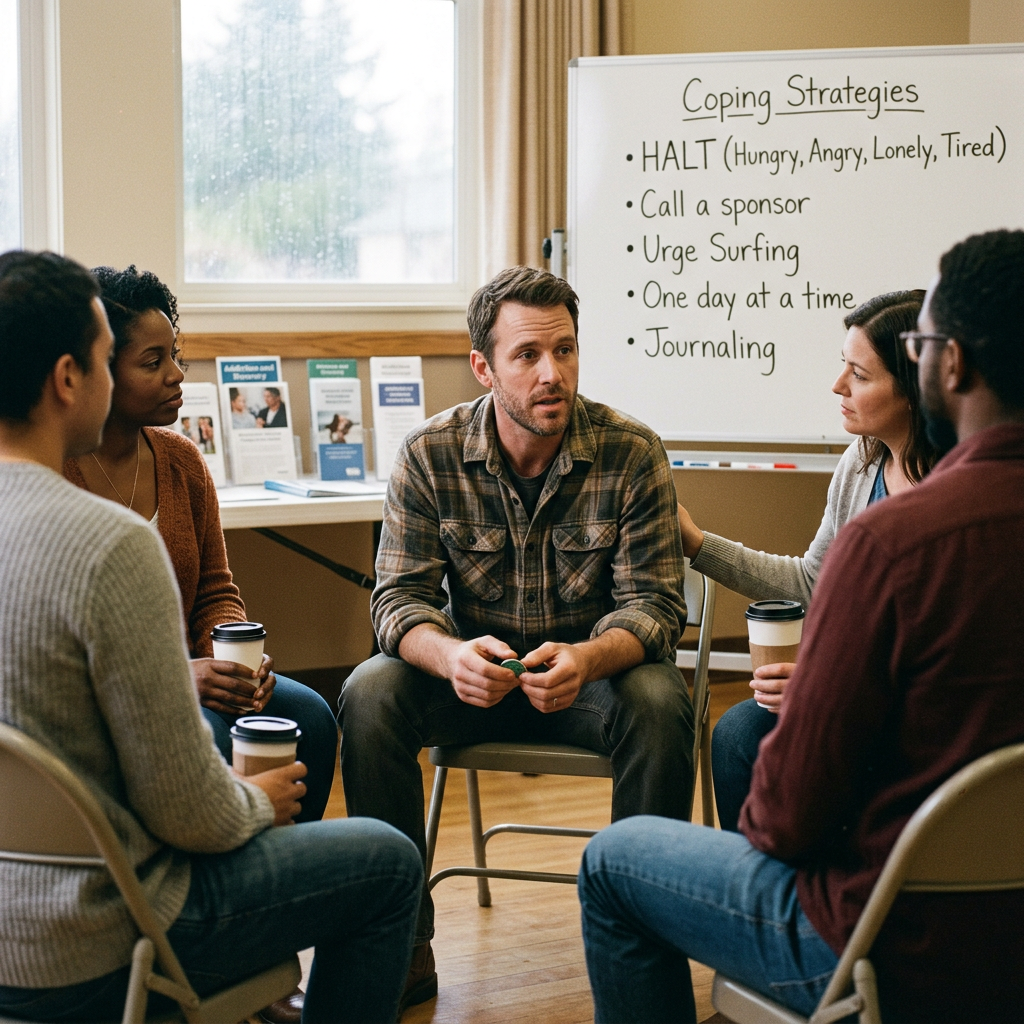
Therapy in rehab is a group process.
Why? Because it works.
Every rehab, the world over, uses a group therapy process from the most famous and luxurious in the USA and Switzerland to an entry level one in England.
Some use a 12 step model, some use more modern approaches while other use an eclectic mix. It really, really doesn’t matter which one is used at the centre you go to. Time spent worrying about which model is used is time wasted.
You do not need to practice any faith or believe in God to use a 12 step model.
Individual therapy is very exhausting so one session a week is provided, in addition to group therapy.
Most therapy staff, in rehab centres, are in active recovery themselves. However, there are very strict guidelines on how long they must be in recovery for before they can train/practice and they are subject to very regular drug/alcohol testing.
A lot of centres use bolt on treatments such as EMDR, CBT, art therapy and gong baths. These can be useful but are not essential: Group therapy is.

Relapse prevention and What is a rehab centre?
When you use drugs and alcohol you regulate your emotions so you don’t have to deal with problems.
After detox you are no longer able to dampen emotional responses with alcohol and drugs or use them to blot out painful memories and trauma.
Relapse prevention is about learning to regulate your emotions so you don’t relapse.
In rehab there will be role plays, in groups and during individual therapy, that will prepare you.
There is an old phrase that if an alcoholic went to the moon they could find an off licence.
What this means is that you can not escape alcohol and drugs: They are everywhere. What you can control is how you respond. You might try and avoid the alcohol aisle in the supermarket but it has been moved and you walk down it.
You might have blocked your dealers phone number but they may try and visit you: It is now on you to change your response. It can be done.
Relapse is part of recovery.
If you view addiction as a serious illness, just like diabetes and asthma, then you will appreciate that there will be periods of stability and periods of crisis.
Be like Churchill
As the late, great Winston Churchill said: Never miss the opportunity of a crisis.
A relapse tests your resolve. Do you give in and give up or use the skills you have learned and get back into abstinence?
Some people can go into rehab once and stay sober for life. Others will stumble: This is life.
Aftercare, aftercare, aftercare
So good we named it three times!
The importance of aftercare can never be overstated.
When you buy a washing machine and there is a leaflet inside about an extended guarantee you toss it in the bin. However, four years down the line when there are bubbles all over your nice new kitchen floor tiles you think back and wonder why you didn’t take one out.
The same is true with aftercare in rehab.
Usually, aftercare means a weekly support group either on-line or in person as well as regular telephone check in.
There will also be a dedicated number should you be struggling.

Can I continue to see the therapist from rehab for sessions?
Usually: Yes.
Most rehabs permit you to pay for individual sessions once you go home.
If you live a distance away you might be able to do this via video conferencing.
How can Find Me a Rehab help with What is a rehab centre?
We are addictions clinicians.
Each of us has over three decades of experience in working in rehab centres and among us, we have worked in most of the UK’s rehab sector.
Our advice is free and confidential.
We never charge for advice or referrals.
It matters not to us where you go for treatment only that you make an informed choice based on objective decision making having sought the facts.
Our free and confidential advice can answer the question: What is a rehab centre?
Get help today with What is a rehab centre?
Call, email, live chat or Whattsap one of our addictions clinicians for free and confidential advice on any aspect of addiction including detox, residential rehab, home detox, therapy, relapse prevention and aftercare.
We can discuss and advise on treatment options, treatment plans, locations, costings and logistics.
Only legally registered centres are signposted.
If you want to know What is a rehab centre? call and speak to clinicians who have worked in them: For free.
Need help finding the right rehab for you or a loved one? Get in touch today and take the first step toward recovery.
Speak to usRecent Posts
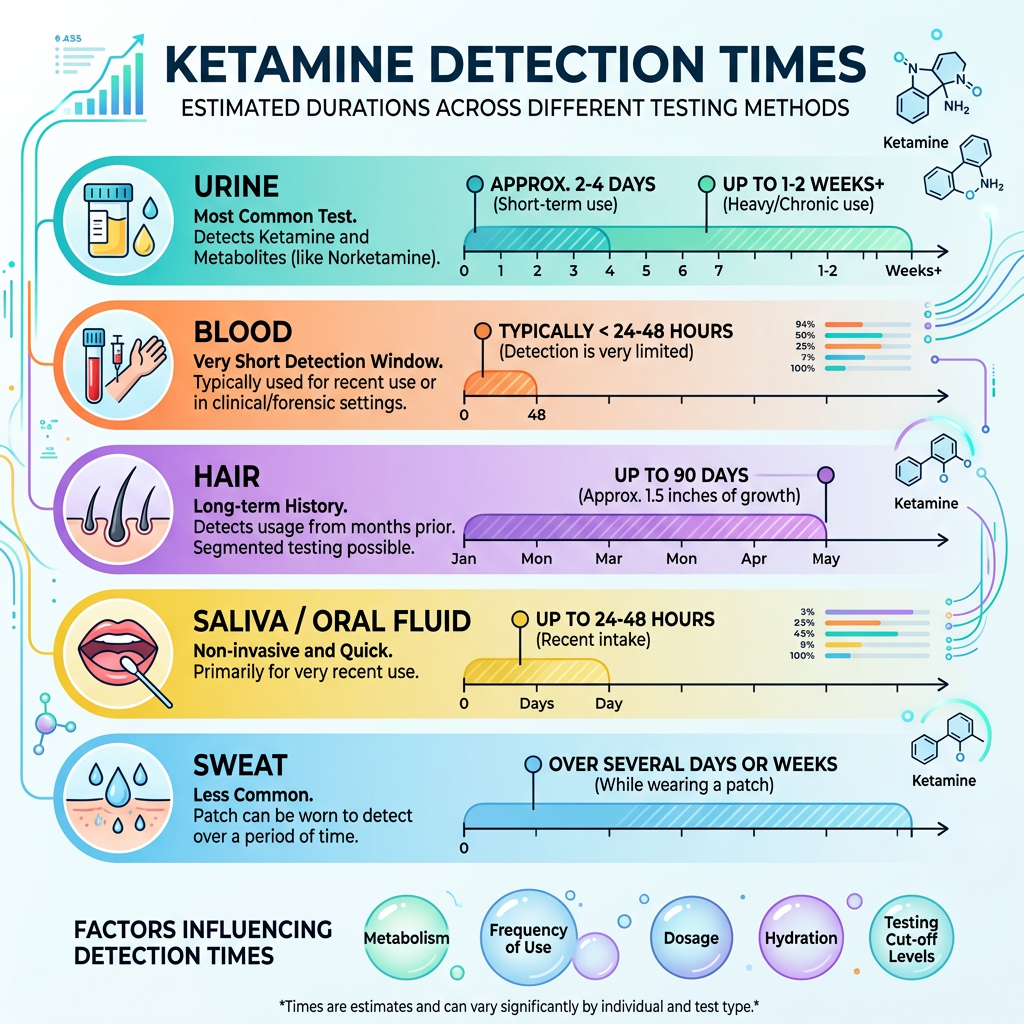
How long does Ketamine stay in your system?
How long does Ketamine stay in your system? As an experienced addictions clinician with over thirty years experience my question to that is: Why do you need to know? Is it because you are worried it will show up in a drug screen at work? Are you worried about being drug tested by the police…
Grace Kennedy
12:23 pm, July 2, 2026
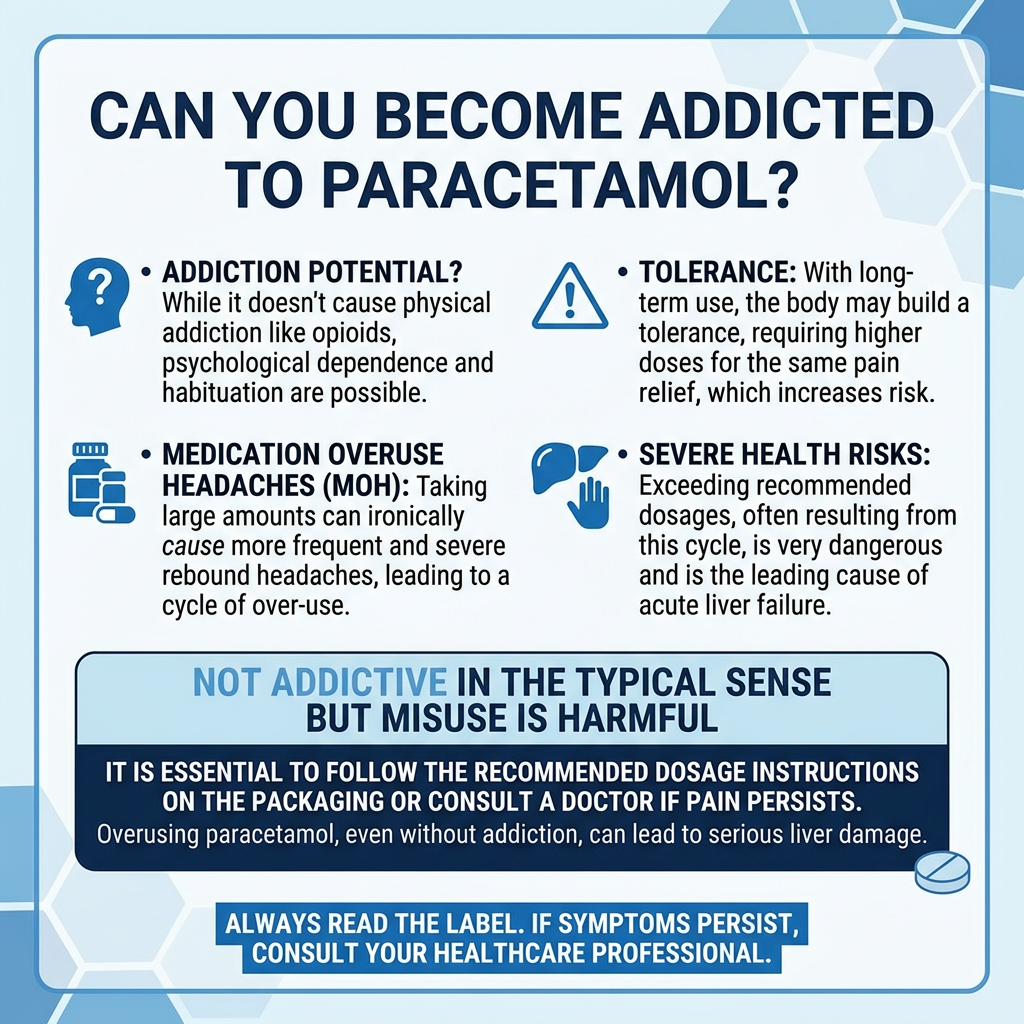
Can you become addicted to Paracetamol?
Can you become addicted to Paracetamol? No. Well not it in the same way you become addicted to heroin or alcohol as the way it affects the brain is different. That doesn't mean that some people are not addicted to taking it in the way that they take it, repeatedly. How does Paracetamol work? The…
Grace Kennedy
6:08 pm, June 26, 2026
Can you do a Methadone detox at home?
Can you do a Methadone detox at home? In theory: Yes. In practice: No. It is a nice idea that you can stay at home, take some methadone and your opioid use disorder is cured. Sadly it just doesn't work like that. In order to understand why this won't work you need to know what…
Grace Kennedy
6:49 pm, June 25, 2026