
Understanding Ketamine Withdrawal Symptoms
October 2, 2025
7:12 pm
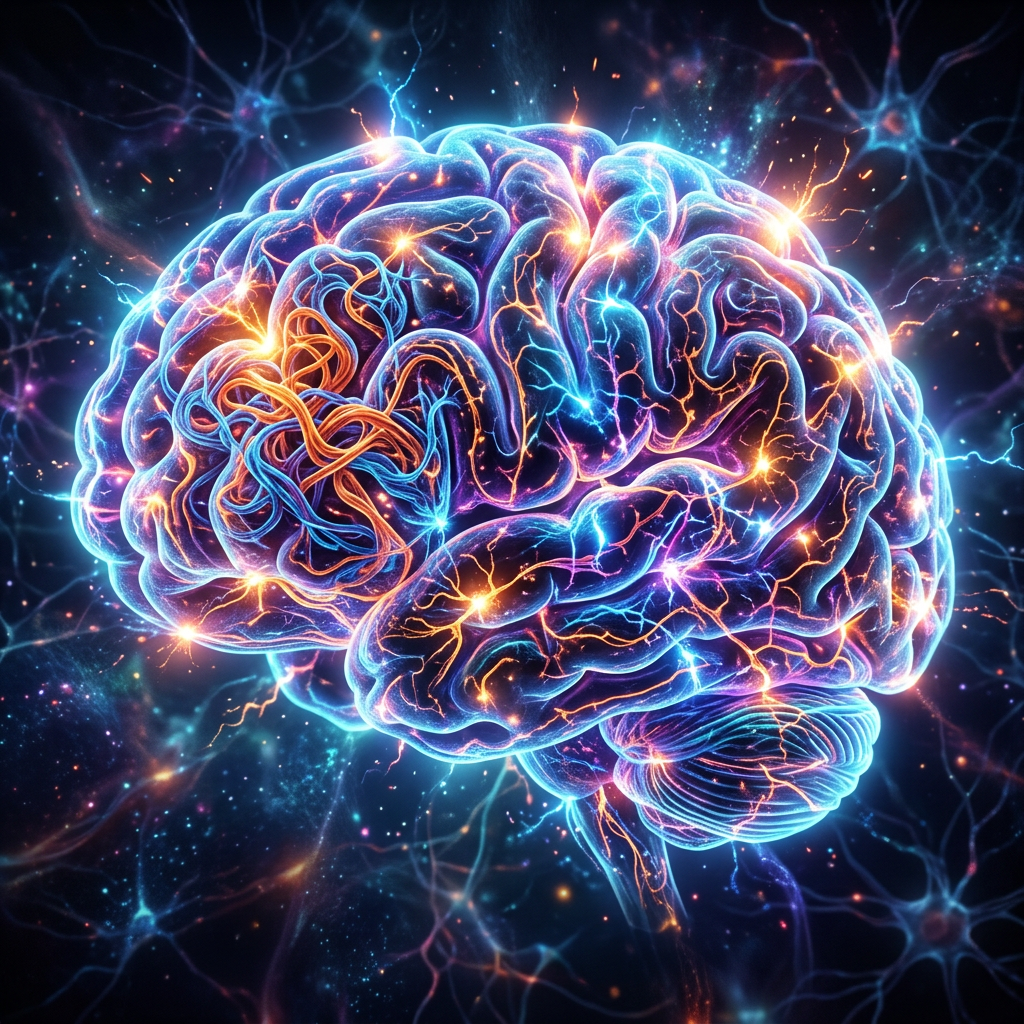
Table of contents
Introduction
Understanding the signs of Ketamine withdrawal can be a challenge: Even for seasoned experts.
Ketamine, when used regularly, will affect brain chemistry and actually changes the way your brain operates.
While the exact mechanism of how it works is still not known, scientists have discovered that it blocks certain channels in the brain leading to the effects that it has.
If you stop using it, the blockade is lifted and the brain compensates, leading to signs of ketamine withdrawal.
The signs of ketamine withdrawal can include various physical and psychological symptoms as your body adjusts to the absence of the drug.
Here our experienced addictions clinicians share their knowledge with you.
Physiological tolerance leads to Signs of Ketamine Withdrawal
When ketamine becomes a regular part of your routine, your brain gets used to having it around, and this leads to a dependency that manifests through signs of withdrawal when you decide to stop or cut back.
Your brain chemistry actually adapts to function with ketamine in your system. When you decide to stop or cut back, your body needs time to reset—which causes ketamine withdrawal symptoms.
The brain is a delicate tool
The human brain is delicate and when the chemical composition is altered, rapid change happens.
The receptors that Ketamine affects control not only how your body acts but also how you feel.
Over time, these receptors will become far less responsive, leading to various signs of ketamine withdrawal as your brain adjusts.
You brain will recover and things will get back to normal, but it will take time and it is during this period you will experience withdrawal.
Use our experience
Here at Find Me a Rehab we have experienced addictions clinicians who have spent decades working in rehab centres, statutory services, private outpatients and prison helping people with addiction.
There advice is free, confidential and available to all.
If you need Free Clinician Drug Advice or are looking for a Free Rehab Referral Service: Call us.
Is Ketamine Addictive?
Physically: No. Psychologically? Yes.
While it has some use for the treatment of humans this is usually at roadside emergencies for amputations and major trauma and in accident and emergency departments as a sedative.
It is also used in veterinarian medicine.
Latterly, it has been introduced as an adjunctive treatment, in very low doses, for people having psychotherapy.
The theory is that it enhances the results of talking therapy. The signs of ketamine withdrawal are not, usually, dangerous.

Signs of Ketamine withdrawal
They will resolve themselves but can be rough. Some of the common signs are:
- Overwhelming cravings for ketamine
- Extreme agitation
- Rapid mood swings
- Lethargy
- Memory lapses
- Poor appetite
- Heavy sweating
- High blood pressure
- Fast heartbeat
- Confusion
- Feeling detached from reality
Ketamine, when used regularly, can cause very serious, and in some cases: permanent, bladder damage. Life long catherization is not uncommon among users.
People in recovery from Ketamine dependency will often tell you that the psychological symptoms are more difficult to overcome than the physical signs.
It is not clear as to why some people experience more severe signs of withdrawal than others.
Withdrawing at home, without medical and psychological support can put someone at serious risk.
Key Takeaways
- Ketamine alters brain chemistry, causing withdrawal symptoms when use stops.
- Withdrawal signs include cravings, agitation, mood swings, and physical symptoms like sweating and increased heart rate.
- While physical withdrawal symptoms are typically self-limiting, psychological symptoms can last for months.
- Specific groups, such as long-term users and those with mental health issues, are at higher risk for severe withdrawal.
- Treatment focuses on medical monitoring, medication to ease symptoms, and therapy for underlying addiction issues.
Ketamine Withdrawal Timeline
No two people are alike, as this is just as so with ketamine withdrawal.
However, there are some commonalities and it is most common for people to experience the first signs of ketamine withdrawal after 24 hours of stopping.
Some people may not experience any signs for up to three days.
The signs of ketamine withdrawal can last up to two weeks but sometimes longer.
The psychological withdrawals can last for months, offering a prolonged period of adaptation for those affected.
Ketamine Detox
Unlike alcohol and Benzodiazepine withdrawal there is no detox, as such.
This is because physical symptoms are self-limiting (they will go away by themselves and will not cause a medical emergency, most of the time).
However, because some of the withdrawals can be very distressing, this is when people will go and use again.
While the physical signs do not usually cause a medical emergency, it is not unknown, and you don’t want to put yourself at risk.
At risk groups for Signs of Ketamine Withdrawal
Those who are more at risk of developing physical signs are those who:
- Have been using Ketamine for a long period
- Are using other drugs and/or alcohol
- Underlying mental health conditions
- Previous withdrawals
- Poor living conditions

What treatment is available for Signs of Ketamine Withdrawal?
Treatment for Ketamine focuses on the following areas:
- Medical monitoring
- Adjunctive/supportive medication to abate withdrawal symptoms
- Treatment for underlying mental health conditions
- Therapy to address underlying causes of addiction
Here at Find Me a Rehab we have experienced addictions clinicians who have spent decades working in rehab centres, statutory services, private outpatients and prison helping people with addiction.
There advice is free, confidential and available to all. If you need Free Clinician Drug Advice or are looking for a Free Rehab Referral Service: Call us.
Getting help for Signs of Ketamine Withdrawal
Call and speak with an experienced addictions clinician on any aspect of addiction, detox, home treatment, rehab, therapy, relapse prevention and aftercare.
You can ask them anything about treatment plans, treatment options, locations, costings and logistics.
We only signpost to legally registered services.
Need help finding the right rehab for you or a loved one? Get in touch today and take the first step toward recovery.
Speak to usRecent Posts
How long does Ketamine stay in your system?
How long does Ketamine stay in your system? As an experienced addictions clinician with over thirty years experience my question to that is: Why do you need to know? Is it because you are worried it will show up in a drug screen at work? Are you worried about being drug tested by the police…
Grace Kennedy
12:23 pm, July 2, 2026
Can you become addicted to Paracetamol?
Can you become addicted to Paracetamol? No. Well not it in the same way you become addicted to heroin or alcohol as the way it affects the brain is different. That doesn't mean that some people are not addicted to taking it in the way that they take it, repeatedly. How does Paracetamol work? The…
Grace Kennedy
6:08 pm, June 26, 2026
Can you do a Methadone detox at home?
Can you do a Methadone detox at home? In theory: Yes. In practice: No. It is a nice idea that you can stay at home, take some methadone and your opioid use disorder is cured. Sadly it just doesn't work like that. In order to understand why this won't work you need to know what…
Grace Kennedy
6:49 pm, June 25, 2026