
Understanding Ketamine: Uses, Risks, and Effects
April 30, 2024
3:46 pm

Table of contents
- Is Ketamine a new drug?
- Ketamine is a dissociative anaesthetic
- Does Ketamine help with depression and alcoholism?
- Why is Ketamine being used illegally?
- Why does Ketamine cause bladder damage?
- Permanent bladder damage
- Are there any statistics on Ketamine use?
- Why is Ketamine addictive?
- How long does Ketamine withdrawal last?
- Accidental overdose
- Is there a detox for Ketamine?
- Can I be treated at home for Ketamine addiction?
- What are my options with Ketamine dependency and bladder damage?
- How can Find Me a Rehab help with Ketamine dependency and bladder damage?
- Get help: today for Ketamine dependency and bladder damage
Ketamine dependency and bladder damage. Sadly, they go together.
An anaesthetic widely used by vets to sedate horses and in human medicine for emergency procedures at the roadside it has become a cheap, dangerous, drug of abuse.
As addictions clinicians, each with over three decades of experience our advice is very simple: If you are not a horse, stay away from Ketamine!
What we mean is, unless you have four legs, a tail and eat carrots from a bucket after a meal of hay, then this is not something anyone should be using: Except for when it is prescribed during a medical procedure.
Ketamine dependency and bladder damage is a difficult read but our experienced addictions clinicians have laid out some essential information, below, so you can make informed choices.
Is Ketamine a new drug?
No.
It is not and has been around since the 1970’s in America but started to be used in Belgium in the 1964.
Ketamine was derived from PCP (Angel Dust).
According to the World Health Organization, it is the most used anaesthetic in the world.
It was first discovered in 1956 by Victor Maddox, in America, when it was used as an analgesic (pain killer) in monkeys.
On August 3, of that year, intravenous ketamine was injected into a human being for the first time.
Subjects described the experience as “floating in space, as if they were disconnected from their body and environment with a loss of feeling in their limbs.”
It was widely used by the US military during the Vietnam war and was referred to as “the buddy drug” because it was so safe to administer, even your untrained “buddy” on the battlefield could administer it to a wounded soldier without fear of over-sedation.
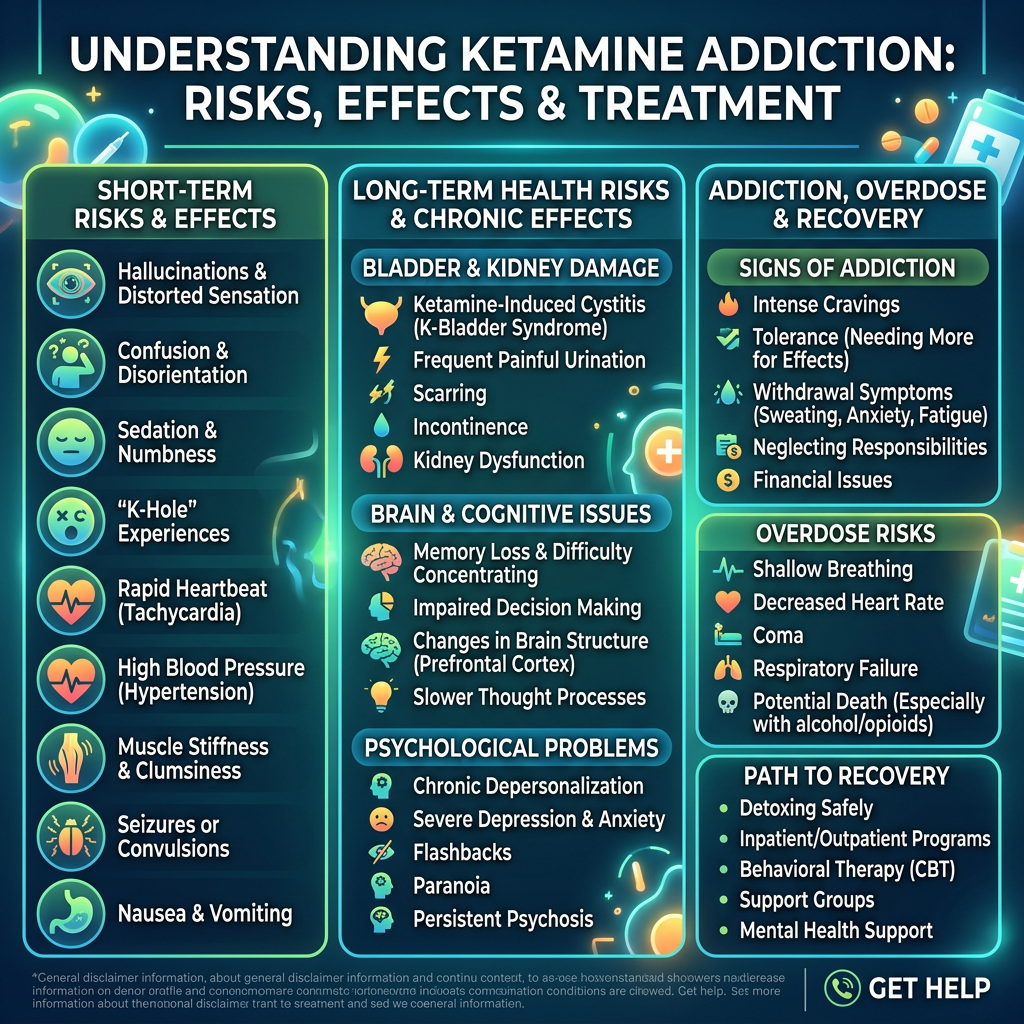
Ketamine is a dissociative anaesthetic
In medical fields it is known as a dissociative anaesthetic and is an injectable drug (when used in a clinical setting) or as a nasal spray.
It is dissociative because it is psychedelic.
It makes the recipient feel detached and separated from their physical environment.
Other drugs that have similar effects are PCP, nitrous oxide and methoxetamine.
Ketamine, also known as Special K or Super K, is a short-acting anaesthetic drug with hallucinogenic effects.
It can change how you perceive sights and sounds, make you feel like you’re not in control, and make you feel detached from the world around you or any pain you’re feeling.
Does Ketamine help with depression and alcoholism?
Yes, there are studies being conducted into the possible clinical uses of ketamine in the field of alcohol dependency, most noticeably a study at the University of Exeter.
However, this is a study that looks at combining Ketamine and therapy for abstinent patients: It is not suitable for those who are currently drinking.
In any event,this is a properly supervised study under strict guidelines with incredibly stringent safeguards in place.
Within the field of psychiatry, Ketamine is now being used for treatment resistant depression.
A new drug, called Spravato was licensed, in the United States of America by the Food and drug administration, though only if administered in a doctor’s office/hospital via a nasal spray.
Some private clinics are now using Ketamine, in incredibly small doses, to improve the results of psychotherapy for depression and PTSD. However, the amount given is minute compared to street Ketamine.
Why is Ketamine being used illegally?
Ketamine is cheap.
Drug wise, a leading charity that provides up to date and very reliable information on the use of illicit drugs state that a gram of Ketamine currently costs, in the UK, £20-30.
As information on the Global Drugs Survey website clearly states, Ketamine has been around for over four decades but, for the last two, has become an international party drug.
When used it can have a very quick effect, especially if injected.
A response can be felt in seconds.
When snorted, it can take as little as five minutes before the user feels the effects and snorting is the most common method of use outside of a clinical setting.
When drunk, it can take from five minutes to half an hour before any effects are realized.
Typically, the effects can last from one to two hours.
However, some users will report that their judgement, senses and coordination can be affected for more than a day.
Furthermore, it can be abused by those who have easy access to it (veterinarians and anesthesiologists).
Those using it often sustain physical injuries, falls, etc. during what can be described as a “K haze”.
Chest pain, abdominal pain and a “bad trip” can also occur.
Why does Ketamine cause bladder damage?
To date, the exact cause is not known but is believed to relate to how Ketamine is broken down in the body: It’s pharmacokinetic properties.
Currently, there are no curative options for Ketamine induced bladder pain and it is managed using pain control.
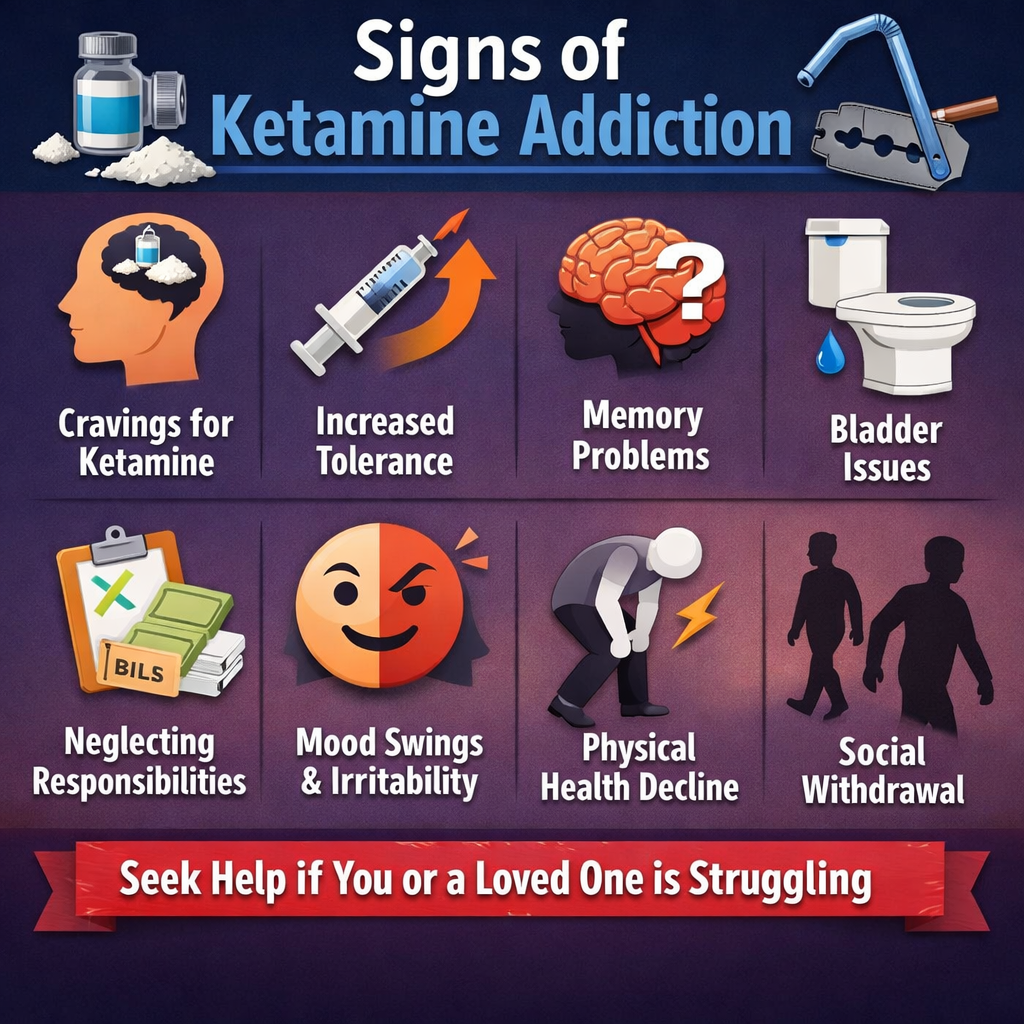
The longer the person is on ketamine, the more severe the symptoms and the less chance there is of reversal Symptoms include:
- Frequency (needing to urinate more often)
- Blood in the urine
- Urine tract infections
- Pain on urination
- Needing to go to the toilet very frequently
- Kidney faiure
Permanent bladder damage
It is not uncommon for people to have to endure long term (if not permanent) catherisation.
Our clinicians have seen young men, in their 20’s, who have ended up having life with a catheter bag.
In 2013, Channel 4 news investigated the phenomena of Ketamine induced bladder damage. They interviewed Mr. David Gillatt, one of the United Kingdom’s leading urological surgeons.
He reported that, by June, he had already removed three bladders that year.
In the interview, he reiterated how severe use can lead to permanent cateterisation.
Indeed, he described how Ketamine gets into the urine and inflames the bladder.
It makes the linking come off like a burn.,and then, as it tries to heal itself, scarring occurs, and the bladder shrinks.
Mr. Gillatt went on to explain how it is not uncommon for users to experience pain in the lower abdomen as well as experiencing the other common problems of blood in the urine and bladder control issues.
A patient, interviewed by channel four news at the time, explained how she had to have part of her bowel used to recreate her bladder, after it was removed.
This forced her to stop working and she detailed the extreme pain and frequency of toilet visits: She had been using the drug for four years, sometimes up to fifteen grams a day.

Are there any statistics on Ketamine use?
Channel 4 News has investigated figures that demonstrated a rise in the number of people being referred to urologists with ketamine related bladder issues in three cities.
In Bristol, between 2012 and 2013, surgeons reviewed 25 ketamine cases –which was an increase of more than 90 per cent on the previous year.
In Leeds, 24 users were referred to urologists – a 50 per cent increase on the previous year and in London, 75 per cent of those who were seen in specialist drug scene clinics reported physical symptoms of Ketamine use.
During 2019, Public Health England expressed concern that increasing numbers of young people were using ketamine.
Why is Ketamine addictive?
As with many other drugs, prescription medications and alcohol, when you use Ketamine it affects receptors on the brain: This is what it was designed to do.
If you use it sporadically, then the effects will ware off and there should not be any lasting effects.
Key Takeaways
- Ketamine dependency and bladder damage is a serious issue, with evidence showing a rise in related health problems.
- While initially used as an anesthetic, Ketamine is now abused and can lead to severe physical and psychological consequences.
- Long-term use results in painful bladder conditions and may require invasive treatments like catheterization.
- Withdrawal from Ketamine can be intense, with cravings that increase the risk of accidental overdose.
- Professional treatment in a rehab facility is essential for safe recovery from Ketamine dependency and bladder damage.
However, that doesn’t mean you can not accidentally overdose the first time you use it.
If you use it frequently the brain will adjust to it’s constant presence. Should you stop using it , quickly, the brain simply can not make immediate adjustments.
As a result, the brain is left in a state of flux and incorrect chemical messaging occurs. This is what leads to symptoms known as withdrawal.
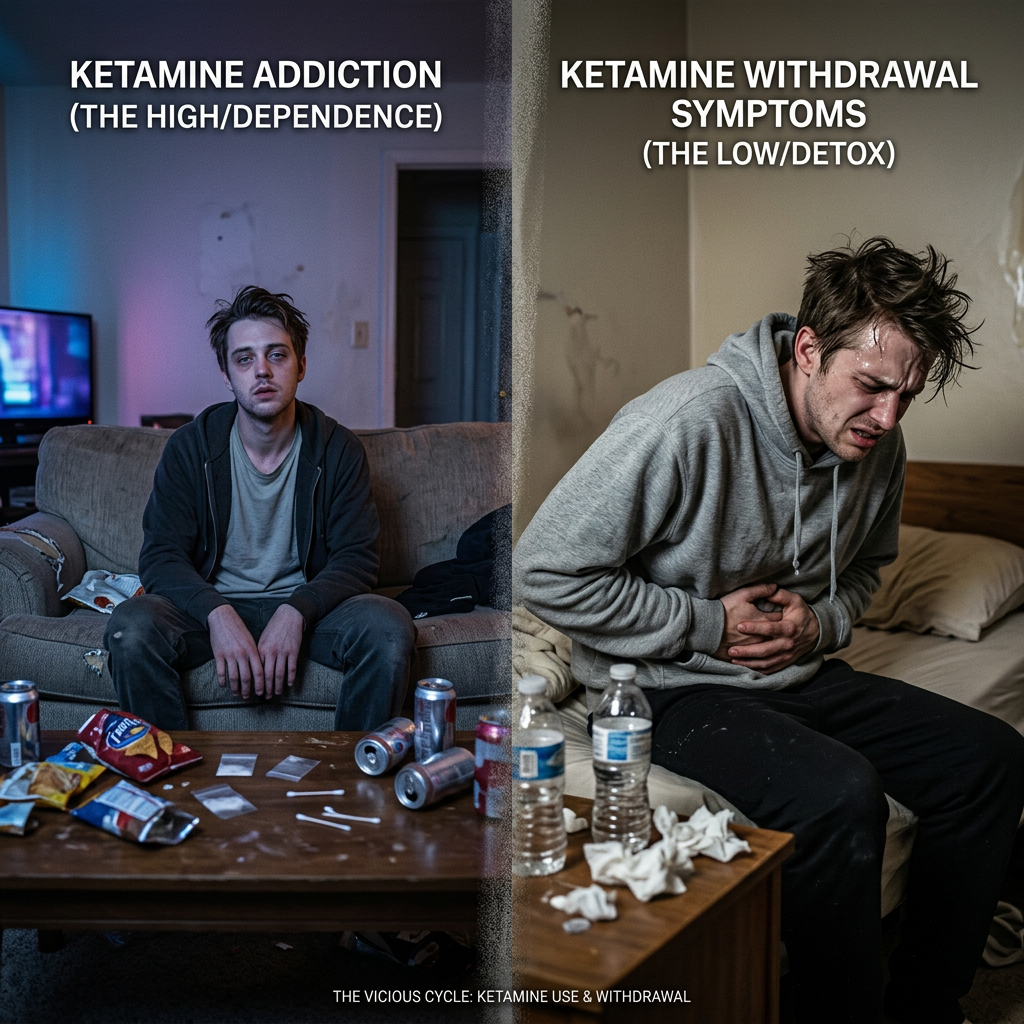
While withdrawal can be largely psychological, there can be physical symptoms, namely:
- Confusion
- Psychosis, including delusion and hallucination
- Loss of motor skills
- Rage
- Nausea
- Decrease in respiratory and cardiac functions
- Insomnia
- Shakes
- Hearing loss
- Fatigue
- Agitation
- Cognitive impairment
How long does Ketamine withdrawal last?
There are three recognised phases of Ketamine withdrawal:
- Acute:
This can start within an hour after your last use and last up to three days.
During this time you can expect to feel extremely tired and irritable. Cravings will start and your anxiety will begin to spike. Your mood will crash and your bladder may start to feel very uncomfortable.
- Subacute:
This starts within 3 to 14 days and your mood will fluctuate. Sleep will be problematic and you will find your emotions numbed. Concentrating will be difficult.
- Post acute:
This period can last for several months.
Accidental overdose
When you stop using Ketamine it is perfectly natural for you to experience cravings for the drug.
This is the brain desperately trying to fix itself due to the state of flux it is in due to the removal of Ketamine from receptors.
While you have been using Ketamine the brain has adjusted. It takes time for the brain to re-adjust when you stop, it simply can not make immediate changes.
If you give in to the cravings you are likely to use an amount you think you need in order to settle yourself. This can lead you to accidentally overdose which is very often, sadly, fatal.
Is there a detox for Ketamine?
No, not in the same way someone recovers from alcohol or heroin.
Adjunctive medication is used to ensure someone safely comes through the withdrawal phase.
Most importantly, this medication, which usually includes benzodiazepines and beta blockers, will play large part in managing cravings.
Medication is, usually, only needed for a week or so.
Can I be treated at home for Ketamine addiction?
No.
The cravings for Ketamine are considered to be the most severe among any addictive drug.
In a home environment you would not have the staff with the skills and experience to support you and you are liable to succumb to cravings.
When you are withdrawing from Ketamine your brains tolerance to the drug very rapidly reduces.
You will use an amount you think you need to settle yourself which is likely to lead to an overdose which , sadly, can be fatal.
What are my options with Ketamine dependency and bladder damage?
The only safe way to undergo treatment for Ketamine addiction is in residential rehab where you will receive the four essential elements of recovery:
- Detox
- Therapy
- Relapse prevention
- Aftercare
Without the therapy to work out why you were taking Ketamine you are likely to fall back into it.
Relapse prevention is about learning how to navigate situations, when you get home, which puts you at risk of relapse.
Aftercare means support in the community, and from your rehab centre, so you can continue to thrive in your abstinence.
How can Find Me a Rehab help with Ketamine dependency and bladder damage?
We are addictions clinicians.
Each of us has over three decades of experience in assessing, diagnosing, prescribing for and treating people struggling with Ketamine addiction.
Between us, we have worked in nearly every rehab centre in the UK.
Our advice is free and confidential.
We only signpost to legally registered services.
Get help: today for Ketamine dependency and bladder damage
Call, email, live chat or whattsap with an experienced addictions clinician on any aspect of addiction, detox, home treatment, therapy, relapse prevention and aftercare.
We can advise on treatment plans, treatment options, locations, costings, logistics and availability.
Ketamine dependency and bladder damage is a serious problem.
Act now so it doesn’t become one for you.
Need help finding the right rehab for you or a loved one? Get in touch today and take the first step toward recovery.
Speak to usRecent Posts
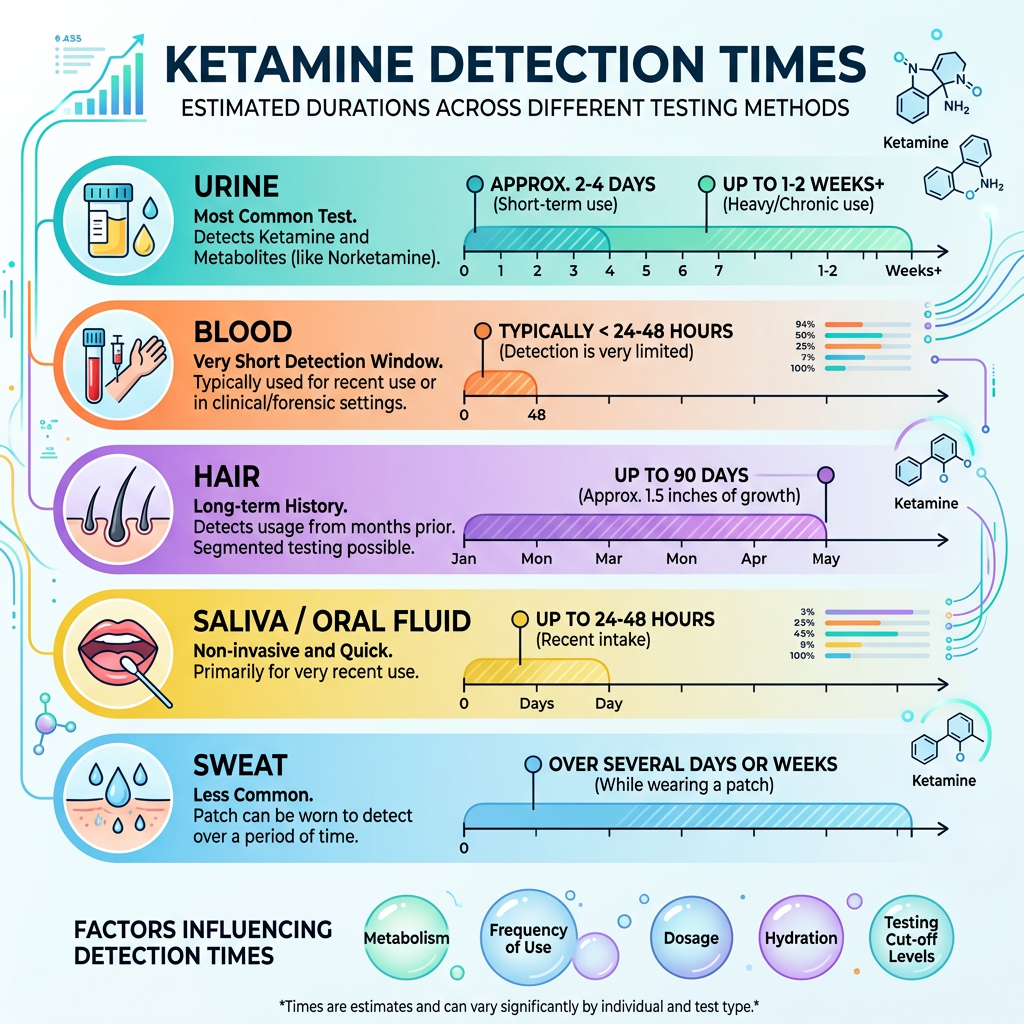
How long does Ketamine stay in your system?
How long does Ketamine stay in your system? As an experienced addictions clinician with over thirty years experience my question to that is: Why do you need to know? Is it because you are worried it will show up in a drug screen at work? Are you worried about being drug tested by the police…
Grace Kennedy
12:23 pm, July 2, 2026
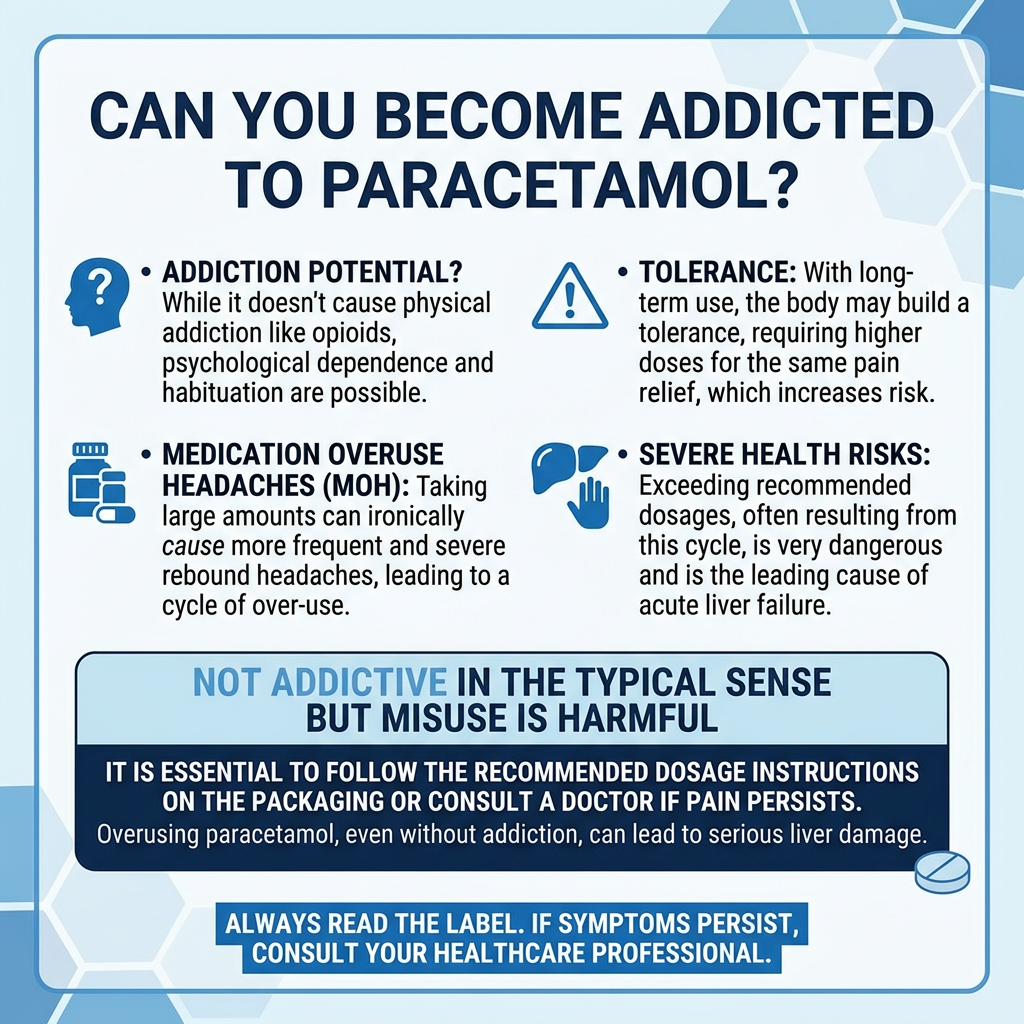
Can you become addicted to Paracetamol?
Can you become addicted to Paracetamol? No. Well not it in the same way you become addicted to heroin or alcohol as the way it affects the brain is different. That doesn't mean that some people are not addicted to taking it in the way that they take it, repeatedly. How does Paracetamol work? The…
Grace Kennedy
6:08 pm, June 26, 2026
Can you do a Methadone detox at home?
Can you do a Methadone detox at home? In theory: Yes. In practice: No. It is a nice idea that you can stay at home, take some methadone and your opioid use disorder is cured. Sadly it just doesn't work like that. In order to understand why this won't work you need to know what…
Grace Kennedy
6:49 pm, June 25, 2026