
Ketamine Addiction: Causes, Effects, and Recovery Tools
September 28, 2025
11:16 am

Table of contents
Ketamine detox explained :Introduction
Ketamine detox explained.
Sounds like an easy read?
It need not be.
Just under 200 people , in the UK , died from using Ketamine in 2024.
This is a tenfold increase in just a decade.
Ketamine is not a new drug.
Used in roadside amputations by specialist medical teams and for sedating large zoo animals it is a very potent anaesthetic.
It is cheap and too easily available.
Easy to take and easy to become addicted to.
Ketamine takes lives and doesn’t care if it is your first time or your daily fix.
Want to know what a Ketamine detox is? Have questions about Ketamine addiction?
Read on to have Ketamine detox explained!
Let our experienced addictions clinicians give you an overview so you can have the right information.
What is Ketamine?
Ketamine is a prescription only anaesthetic drug that is used both with humans and animals.
Widely used to sedate horses and large animals it is also used by specialist doctors at roadside accidents when performing emergency procedures such as amputations.
Latterly it has begun to be used, in far smaller doses, to enhance the effects of talking therapies, which helps in explaining Ketamine detox.
While not developed for its ability to make people hallucinate and cause psychedelic effects these are two reasons why people use it without a prescription.
It is not a drug that your GP would prescribe.
It is only, usually, used on humans in operating theatres, accident and emergency and in specialist therapy centers for psychological treatments (in micro doses).
People tend to use Ketamine, without a prescription, so they can experience strange sounds and sights.
Detached from reality
Moreover it gives the person a strong sense of detachment, not only from themselves, but also from their environment.
Unfortunately, Ketamine can cause very serious, and permanent, bladder damage.
The damage can be so serious that permanent catherization is needed. Ketamine, outside of prescribed use, is dangerous.
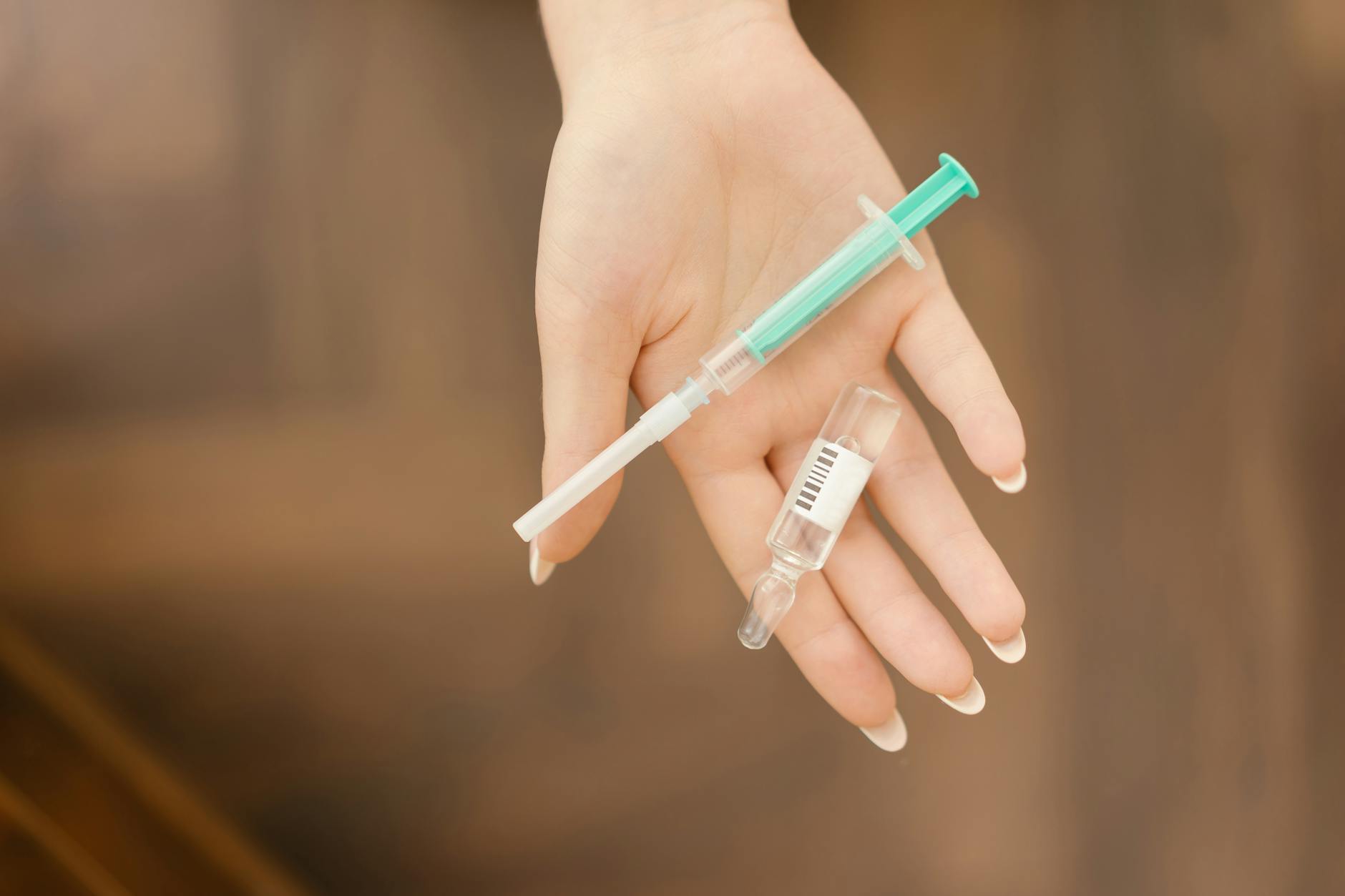
Different ways of taking it
Usually produced as a clear liquid, it can also be manufactured as a white powder.
Usually, when used outside of a clinical setting people inject it.
Often, people mix it with opioids, cannabis and alcohol. In powdered form it is easily added to cigarettes, including cannabis joints.
Ketamine detox explained: Withdrawal
Research from the America (Maryland Centre for Substance Abuse Research: CESAR) suggests that, if abused, you don’t actually become physically dependent on Ketamine as you would, say, on alcohol.
This means that if you stopped suddenly you would not, ordinarily, put yourself at risk of a medical emergency.

Overwhelming cravings
However, when someone uses a lot of ketamine, over a long period of time, they will experience extreme cravings.
Indeed, the cravings need to be acknowledged in order to have Ketamine detox clearly explained.
Physiological tolerance
When someone keeps taking Ketamine it changes brain chemistry meaning that you will need to take more of the drug to have the same effect that a small amount used to.
Because of this physiological change a cycle emerges where someone has to use more and more of the drug and is petrified to stop.
The body will, very quickly, develop a tolerance to Ketamine, especially when someone binges (using large amounts in small time periods).
Key Takeaways :Ketamine detox explained
- Ketamine is a powerful anesthetic often misused, leading to severe addiction and psychological issues.
- Ketamine detox explained includes understanding withdrawal symptoms like extreme cravings, mood swings, and anxiety.
- Rehab centers provide a comprehensive approach to manage both physical withdrawal and underlying psychological issues.
- Adjunctive medications, psychological therapy, and aftercare support are critical components of effective Ketamine detox.
- For assistance with Ketamine addiction, individuals should seek help from experienced addictions clinicians.

More dangerous than other drugs
Research, especially from the Journal of Psychoactive Drugs, indicates that when someone stops taking Ketamine after protracted use (similar to Cocaine use) they will experience very intense cravings but not the same physical symptoms as with other drugs.
The cravings are so extreme that, even though the person knows the risks and dangers of continued use, they will reach for the drug to stop the cravings.
This behavior is part of why it’s important to have Ketamine detox explained clearly.
Ketamine Withdrawal Symptoms
When someone on Ketamine stops taking it they will encounter varying signs of withdrawal:
- Extreme cravings for Ketamine
- Rapid mood swings
- Intense anxiety
- Chronic insomnia
- Rapid onset depression
- Severe fatigue
- Nausea
- Tremors
- Heavy sweating
- Chest pains
- High body temperature
- Ketamine Withdrawal Timeline
There is no hard and fast timeline as to when someone will start to experience withdrawals. It could be a few hours or it could be a few days.
Anecdotally, our clinicians have witnessed symptoms within 24 hours of stopping.
The benefits of rehab
In a rehab centre, all the necessary elements for recovery are in one place:
- Experienced addictions clinicians
- Nurses and trained support staff
- Therapists
- Relapse prevention trainers
- Aftercare
You can safely detox while receiving the therapy you need.
In rehab you will gain all the tools you need to navigate difficult situations and you will receive aftercare after you leave.
Everything you need: in one place.
Ketamine detox explained : crash
This, usually, starts with a rapid deterioration in mood.
The next stage of withdrawal may well not present until two weeks after this (lasting up to a month) and this is where the physical symptoms begin to show: Extreme anxiety, significant tremor, profuse sweating and chest pain.
A worryingly high body temperature is also a common sign.
Usually, these are “self limiting” meaning that, without medical intervention, they will resolve themselves.
However, these symptoms will, invariably, lead to intolerable cravings.
These are so intense that the urge to use is often completely overwhelming and the only way to deal with them is to use Ketamine.
It’s important to have Ketamine detox explained by a professional to manage this effectively.

Ketamine detox
As with alcohol, some people try and reduce their use to a point where they no longer need Ketamine.
This is known as tapering.
While, theoretically, possible, none of our clinicians have ever seen a patient that has successfully managed to do this.
A treatment plan usually involves a planned stoppage within a safe and monitored environment with staff on hand to attend to any medical emergencies.
Adjunctive medication
There are various medications that are used, on an “as and when” basis to cover the physical withdrawal from Ketamine.
Commonly, a short course of benzodiazepines, beta blockers and sleeping medication for a few days will provide a safe transfer from Ketamine dependency to recovery.
Treatment for Ketamine Addiction
While the physical aspects of withdrawal are important to manage, the psychological aspects have to be dealt with.
No one desires to be addicted to drugs and using Ketamine is a symptoms of unresolved psychological issues.
Addiction is a symptom of trauma: Therapy is the key
Thus, having the process of Ketamine detox explained in conjunction with therapy can be beneficial.
In a rehab center, whatever the issues behind someone’s use, these are explored, challenged and resolved in an atmosphere of calmness and where no one will be judged.
Group therapy is the mainstay of rehab at every center across the world.

Adjunctive treatments
In addition, individual therapies are also built in to the timetable as are family therapy, mediation, art therapy, etc.
Here at Find Me a Rehab we have experienced addictions clinicians with many decades of experience treating people experiencing addiction.
If you need advice on Ketamine addiction we provide Free Clinician Drug Advice. For 24 Hour Addiction Help: Call.
Get help
Call, email or live chat one of our experienced addictions clinicians on any aspect of Ketamine addiction, detox, home treatment, rehab, therapy, relapse prevention and aftercare.
Our clinicians can advise on treatment plans, treatment options, locations, costings and logistics.
We only signpost to legally registered services.
Need help finding the right rehab for you or a loved one? Get in touch today and take the first step toward recovery.
Speak to usRecent Posts
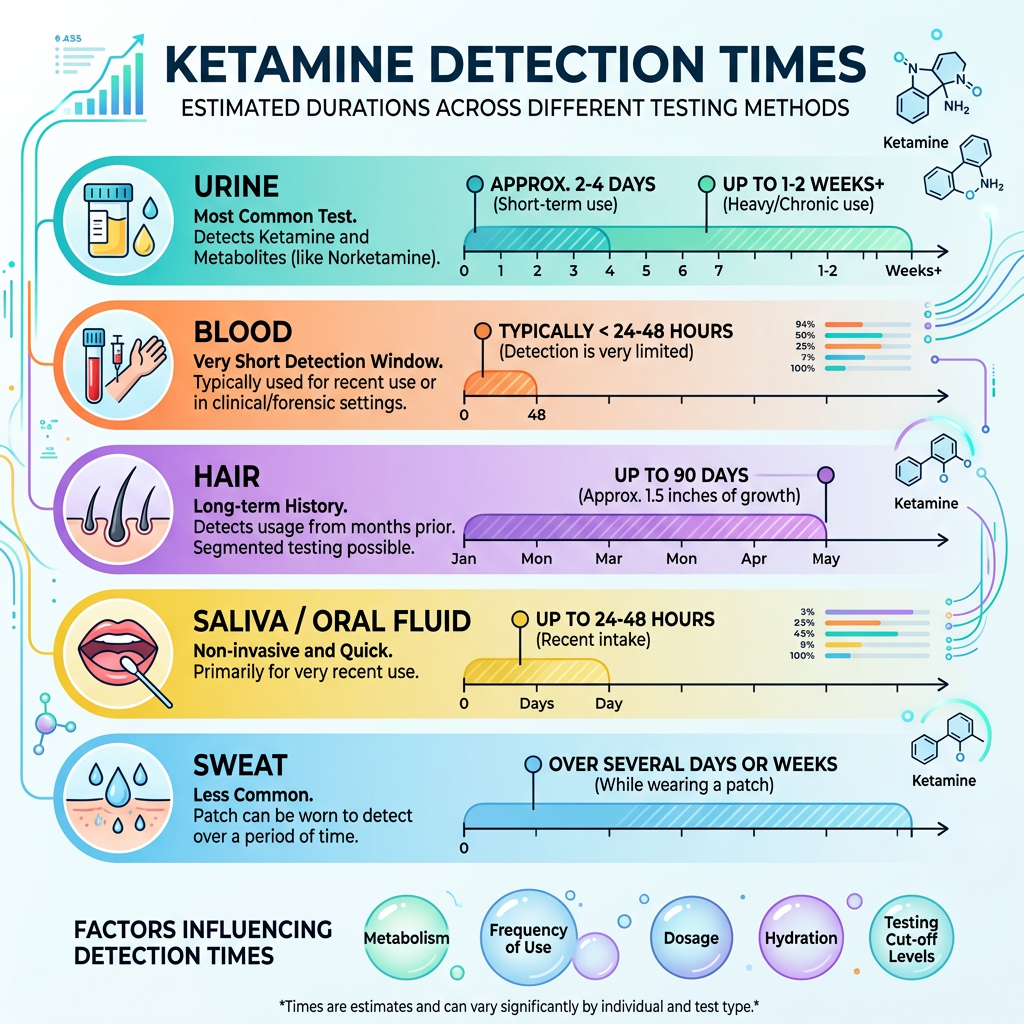
How long does Ketamine stay in your system?
How long does Ketamine stay in your system? As an experienced addictions clinician with over thirty years experience my question to that is: Why do you need to know? Is it because you are worried it will show up in a drug screen at work? Are you worried about being drug tested by the police…
Grace Kennedy
12:23 pm, July 2, 2026
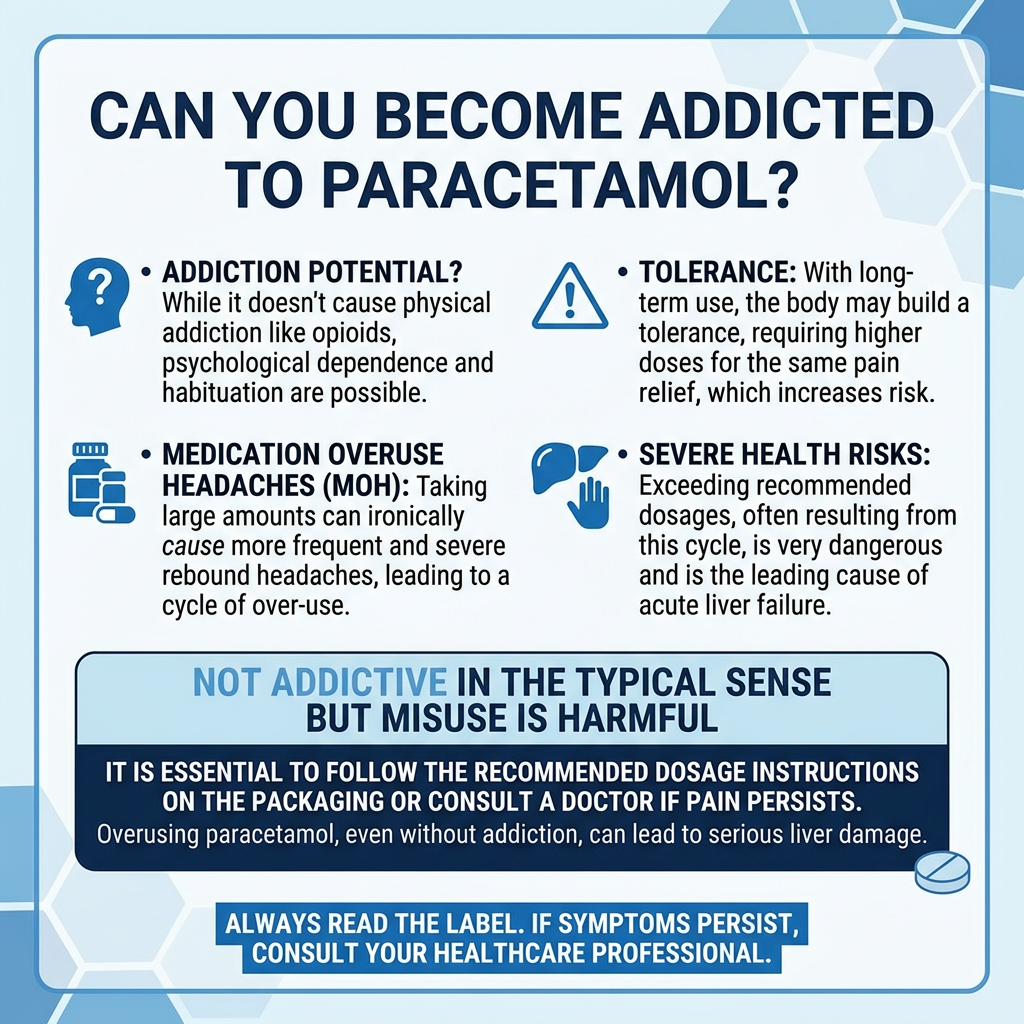
Can you become addicted to Paracetamol?
Can you become addicted to Paracetamol? No. Well not it in the same way you become addicted to heroin or alcohol as the way it affects the brain is different. That doesn't mean that some people are not addicted to taking it in the way that they take it, repeatedly. How does Paracetamol work? The…
Grace Kennedy
6:08 pm, June 26, 2026
Can you do a Methadone detox at home?
Can you do a Methadone detox at home? In theory: Yes. In practice: No. It is a nice idea that you can stay at home, take some methadone and your opioid use disorder is cured. Sadly it just doesn't work like that. In order to understand why this won't work you need to know what…
Grace Kennedy
6:49 pm, June 25, 2026