
Understanding Ketamine: Risks and Treatment Options
July 9, 2025
9:00 am
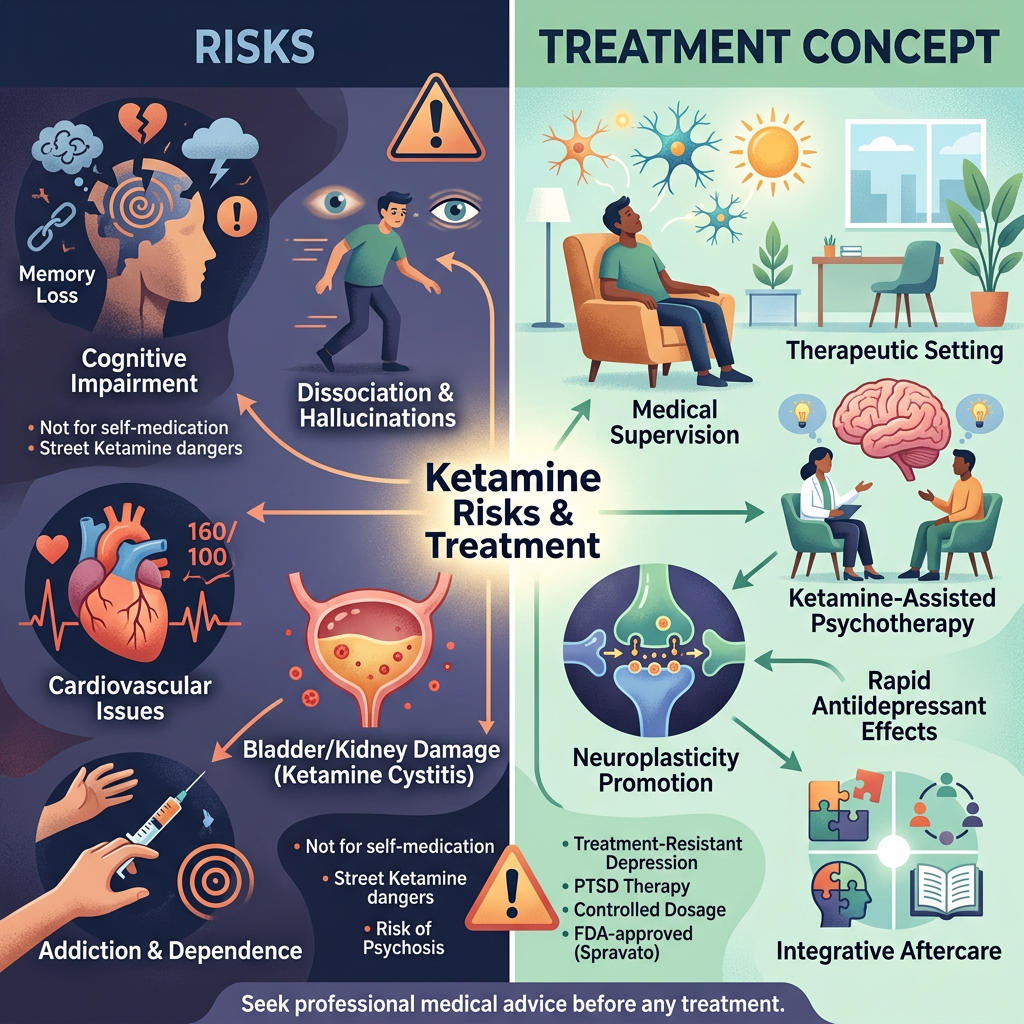
Table of contents
- Introduction
- History of Ketamine
- What is a dissociative anaesthetic?
- Legal issues with Ketamine
- What does Ketamine do?
- What are the physical effects of Ketamine?
- Why does it affect the bladder?
- Treatment for Ketamine addiction
- Ketamine withdrawal symptoms
- Never try home treatment for Ketamine addiction
- Risk of accidental overdose with home treatment
- Why do I need rehab for Ketamine addiction?
- How can Find Me a Rehab help?
- Getting help
Introduction
Ketamine addiction treatment is possible but it needs specialist input in a rehab centre due to the significant implications of misusing an anesthetic.
It isn’t just a case of stopping use and getting some counselling sessions.
Stopping is essential, but can only be done with expert medical input as well as therapy, relapse prevention skills and aftercare.
Ketamine addiction is a very serious problem. Not only can it ruin your physical health: permanently, it can also destroy your psychological health. It’s misuse can also be fatal.
Our experienced addictions clinicians have decades of experience assessing, diagnosing and prescribing for patients addicted to Ketamine.
Let us share our knowledge with you so you can make an informed choice on where to go for help.
History of Ketamine
A dissociative anaesthetic, it has been in use, medically, since 1970.
Used by medical doctors and vetinarians, it was widely used in the Vietnam war by American military medical services.
Latterly, it has been used for treating long standing pain conditions.
More recently, in very small doses, it is being used to enhance the effects of psychotherapy for those having treatment for depression.
Sadly, as with other medicinal products it has become a drug of abuse.
Contact Us
What is a dissociative anaesthetic?
Such medications have a psychedelic effect.
They will make the person using it feel detached from the environment, and from their body.
It can also make people hallucinate as well as change thoughts, levels of consciousness and emotions.
Like many commercial drugs, licenced for use in the medical and animal care sectors, they become abused and are sold to be used illicitly.
More worryingly, it is often used as a date rape drug by slipping it into someone’s drink.
Ketamine is both odourless and tasteless and comes in a clear liquid form.
It is big on the nightclub and party circuit because it gives the user the feeling that they are moulding into the surroundings while experiencing out of body feelings.
Legal issues with Ketamine
In the USA, as early as 1999 the item was restricted and possession for non-prescribed use became illegal because it was becoming clear that there was a serious problem: People were becoming addicted.
It is, usually, cheaper than other drugs to source on the street.
Sometimes known as Jet fuel, it is also called K, special K, vitamin K and even cat tranquilizer (which can be used for by a vet).
Sadly, criminals target vet surgeries, especially, to steal Ketamine to be sold illegally.
It is sometimes manufactured as a white powder made for re-constitution or in liquid form. As a powder it can be snorted or smoked by mixing it with tobacco or cannabis.
What does Ketamine do?
As with any drug, while there are similarities, everyone reacts differently.
Generally, a low dose will produce pain relief and sedation.
Higher doses will make someone feel detached from themselves and their surroundings.
While it’s effects can be as short as 15 minutes, it can also last up to several hours in others.
This usually depends on how much was taken and the route of administration: injected, smoked, snorted, swallowed as a liquid.
What are the physical effects of Ketamine?
- Unconsciousness
- Slow breathing (acute medical emergency)
- Nausea
- Vomiting
- Muscle stiffness
- Slurred speech
- Acute cardiovascular event (high blood pressure, fast heartbeat, chest pain, irregular heart rhythm, palpitations.
- Memory loss
- Poor attention span
- Extreme anxiety
- Acute paranoia
- Vivid hallucinations
- Death from hypothermia
- Kidney disease
- Chronic stomach pain
- Depression
- Long term memory loss
- Ulcers
When used with other drugs, especially alcohol, these issues are intensified.
Why does it affect the bladder?
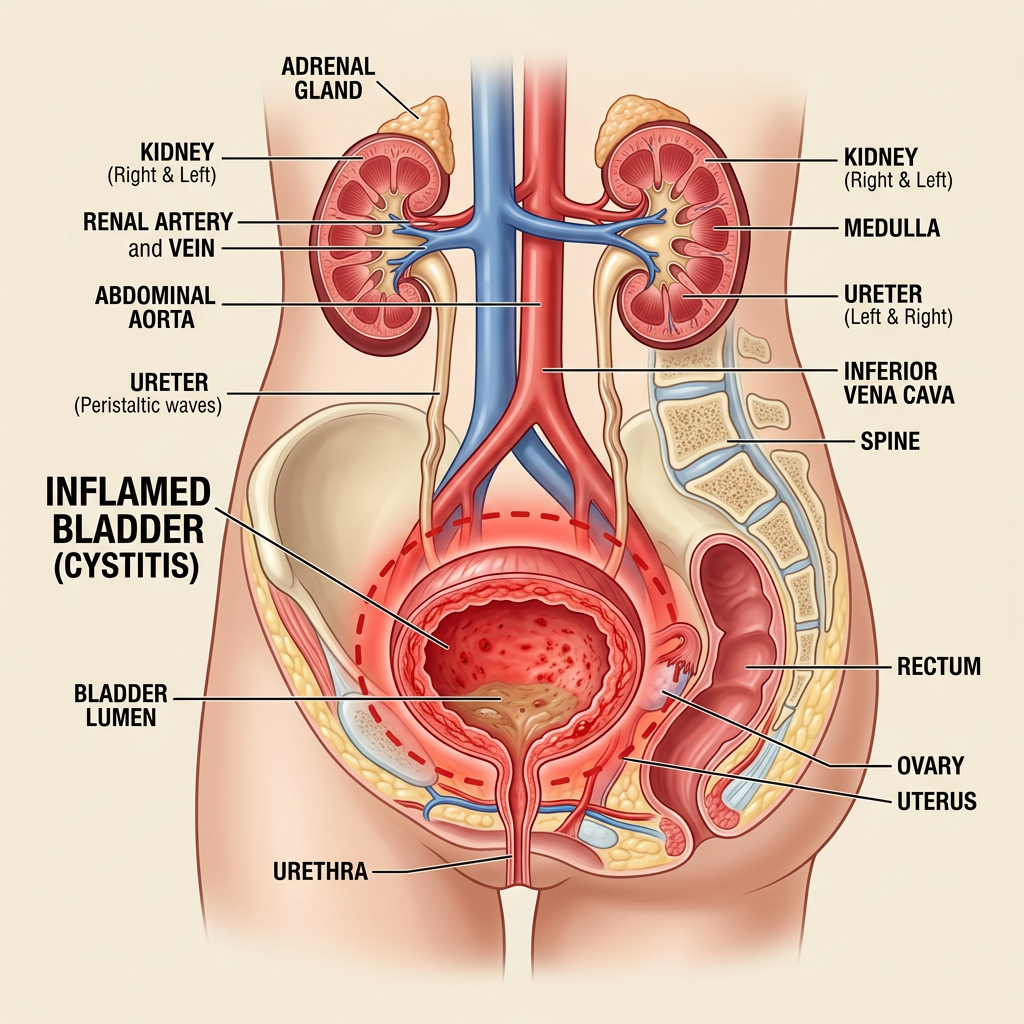
While medical science has not, yet, concluded it is clear the lining of the bladder becomes inflamed probably due to the breakdown of the drug.
Any drug in the body is broken down into metabolites which leave the body via the bladder.
It is these metabolites that, when encountering the bladder wall, cause irritation.
Ketamine bladder is a very serious, incredibly painful chronic condition for which there is no treatment or cure.
It can lead to permanent urinary catherization.
Commonly it can cause blood clots in urine.
If are struggling with Ketamine addiction call and speak to one of our experienced addictions clinicians. We can provide 24 hour addiction help as well as help you find a rehab with our free rehab referral service.
Treatment for Ketamine addiction
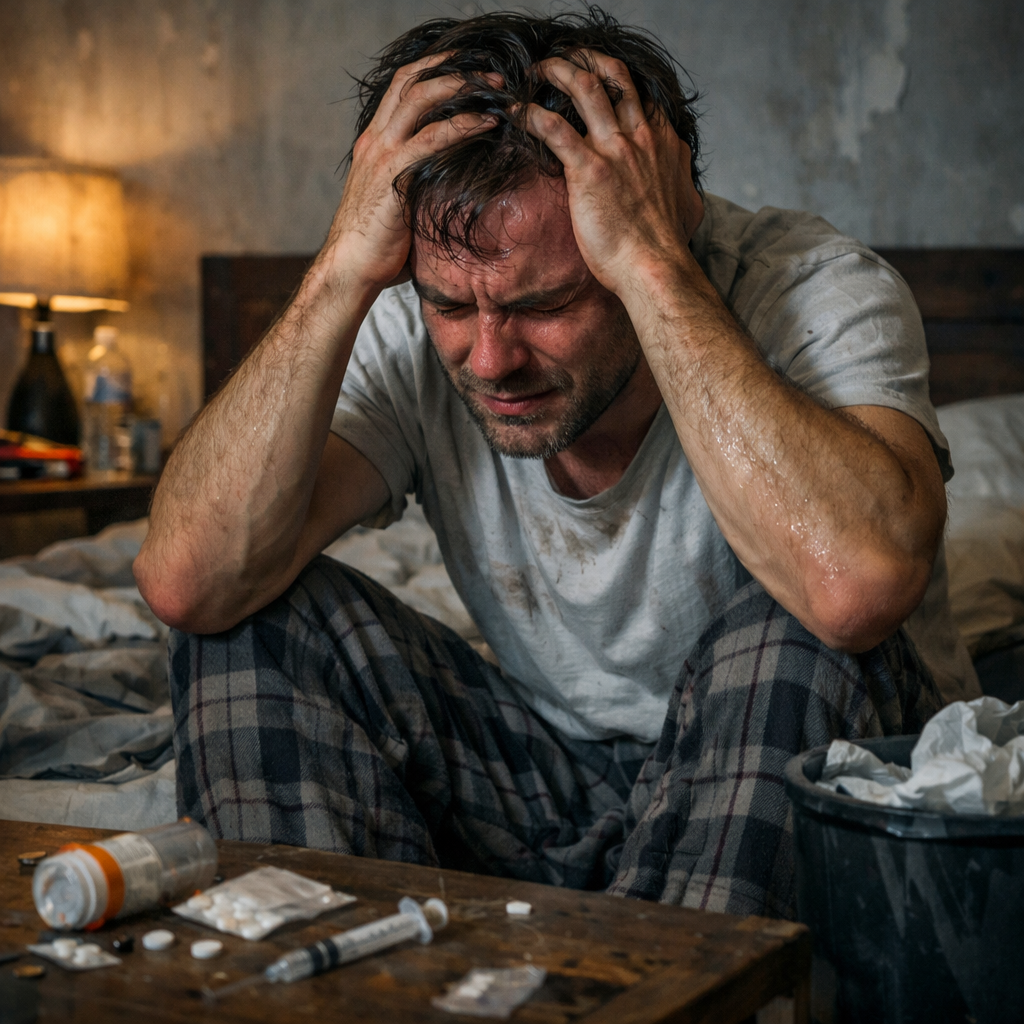
There is no detox for Ketamine rather someone in rehab would be closely monitored by medical professionals and, usually, prescribed medication to ensure the person safely transitions from dependency to abstinence.
Very close medical monitoring is needed by trained and experienced clinicians, nurses and specially trained support staff.
Due to the very significant medical issues that Ketamine can produce and the extreme craving and psychological distress associated with dependency on Ketamine this can never be done at home.
Ketamine withdrawal symptoms
As with any drug, if you keep taking it the brain adapts to it’s presence of receptors. The brain will, literally, rewire itself.
If you stop taking Ketamine, the brain simply can not cope with the fact that there is no more Ketamine sitting on brain receptors. This is because it has changed the way it works and can not simply change back to the way it was before you took Ketamine. It takes time.
While the brain readjusts, incorrect chemical messaging occurs. This is what causes symptoms known as withdrawal.
These symptoms can include:
+ No appetite
+ Heavy sweating and bone chills
+ Dangerously high blood pressure
+ Increased heart rate
+ memory loss
+ Exhaustion
+ Inability to sleep
+ Severe/rapid onset low mood
+ Uncontrollable anxiety
+ Extreme anger
+ Pre-occupation with using
+ 24/7 cravings
Key Takeaways
- Ketamine addiction treatment requires specialized rehab due to serious health risks and the need for medical supervision.
- Ketamine is a dissociative anesthetic with a history of medical use but has become abused, leading to legal restrictions.
- Withdrawal from Ketamine can result in severe symptoms, and home treatment is dangerous due to overdose risk.
- Treatment involves close medical monitoring, therapy, and developing relapse prevention skills to ensure a safe recovery.
- Find Me a Rehab offers free, confidential advice and treatment referrals for individuals seeking help with Ketamine addiction.
Never try home treatment for Ketamine addiction
Home treatment for Ketamine addiction should never be attempted.
While there is no detox for Ketamine addiction, the adjunctive medication which is often needed can only be prescribed by clinicians and administered by qualified staff.
Medication is often needed to reduce dangerously high blood pressure and heart rate.
Risk of accidental overdose with home treatment
The biggest risk for those who try and treat themselves at home is accidential overdose.
This occurs because the cravings will become intolerable. The only way to relieve this, at home, is to use.
When you stop taking Ketamine your physiological tolerance drops: Fast.
Thus when you use, because you are likely to take an amount you think you will need to settle yourself, you are at an extreme risk of accidental overdose.
Why do I need rehab for Ketamine addiction?
Aside from the medical complications associated with stopping Ketamine use, if you don’t tackle the reasons you were using, relapse is almost inevitable.
Rehab offers you the best chance of recovery.
In rehab you have the medical staff necessary for a safe transition from dependency to abstinence.
You also have the therapy team to help you address the reasons you were using.
Often, it is unresolved trauma and/or an undiagnosed mental health condition.
Through relapse prevention skills workshops and one to one therapy sessions, in addition to group work, you will gain the skills necessary to stay abstinent when you go home.
All rehab centres offer a minimum of a years aftercare. This is usually in the form of a weekly support group, telephone check in and a dedicated number to call when in crisis.
How can Find Me a Rehab help?
Ketamine addiction treatment needs specialist input.
Our experienced clinicians have decades of experience, each, in assessing, diagnosing and treating patients addicted to Ketamine.
We never charge for advice or treatment referrals and only signpost to legally registered centres.
Our advice is free and confidential.
Getting help
Call, email or live chat with an experienced addictions clinician on any aspect of addiction, detox , therapy, home treatment, relapse prevention and aftercare.
Our clinicians can discuss treatment plans, treatment options, locations, costings and logistics.
Need help finding the right rehab for you or a loved one? Get in touch today and take the first step toward recovery.
Speak to usRecent Posts
How long does Ketamine stay in your system?
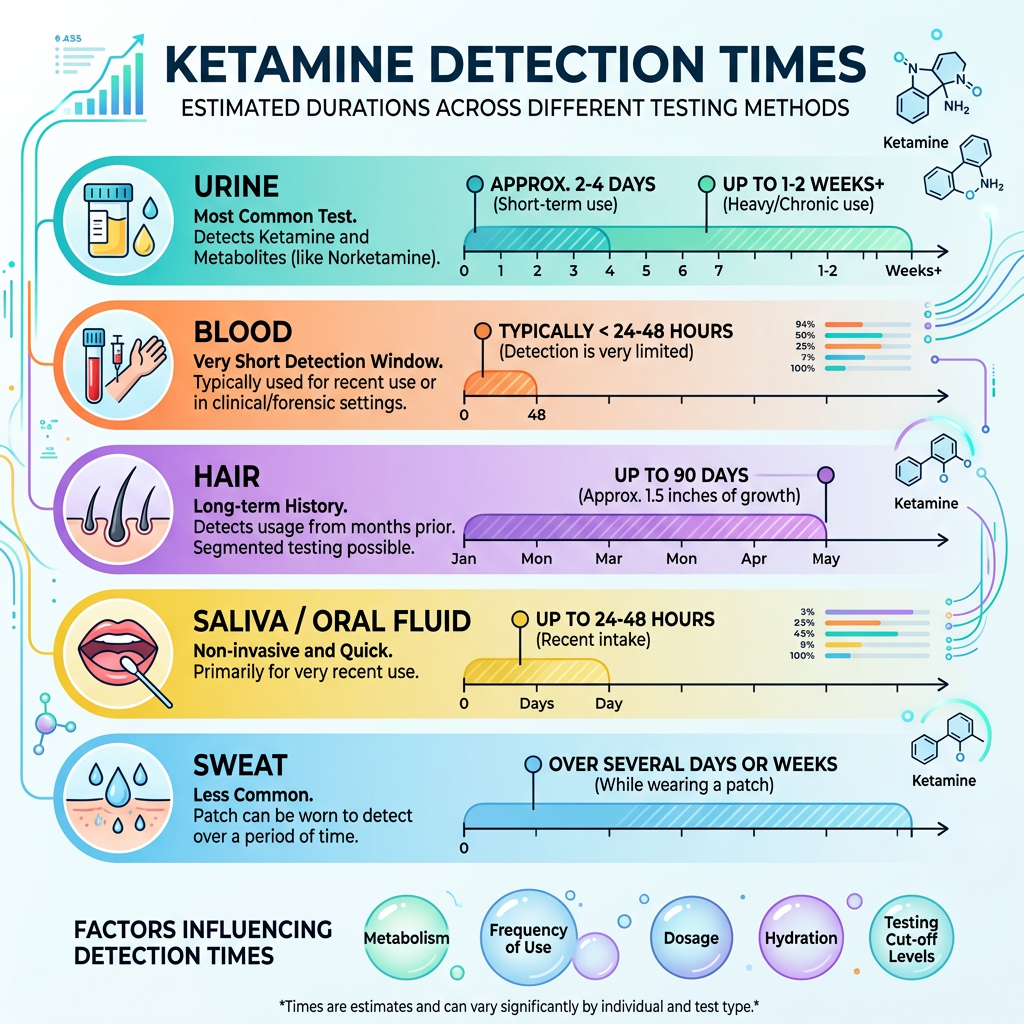
How long does Ketamine stay in your system? As an experienced addictions clinician with over thirty years experience my question to that is: Why do you need to know? Is it because you are worried it will show up in a drug screen at work? Are you worried about being drug tested by the police…
Grace Kennedy
12:23 pm, July 2, 2026
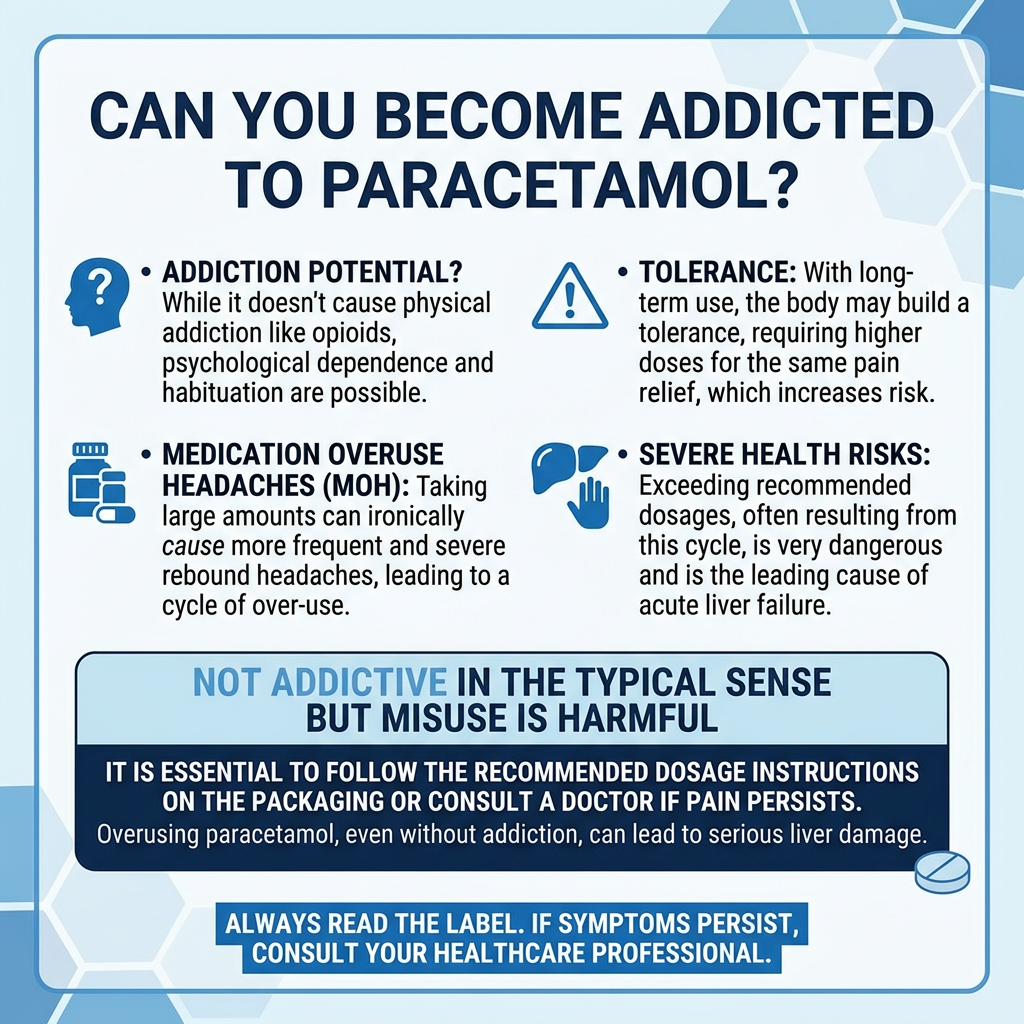
Can you become addicted to Paracetamol?
Can you become addicted to Paracetamol? No. Well not it in the same way you become addicted to heroin or alcohol as the way it affects the brain is different. That doesn't mean that some people are not addicted to taking it in the way that they take it, repeatedly. How does Paracetamol work? The…
Grace Kennedy
6:08 pm, June 26, 2026
Can you do a Methadone detox at home?
Can you do a Methadone detox at home? In theory: Yes. In practice: No. It is a nice idea that you can stay at home, take some methadone and your opioid use disorder is cured. Sadly it just doesn't work like that. In order to understand why this won't work you need to know what…
Grace Kennedy
6:49 pm, June 25, 2026