
Alcohol addiction Treatment
Speak to an addictions clinician on alcohol addiction treatment,detox,rehab, cost, admission, therapy, counselling, home treatment, relapse prevention and aftercare.
Alcohol adddiction treatment is not something to be afraid of.
If alcohol use has become impossible to control or, when you try and stop, you become unwell, the next step needs to be a conversation with an addiction clinician.
Never try and stop (or reduce) on your own.
Find me a Rehab provides entirely free and wholly confidential clinician led advice on alcohol addiction treatment, detox, rehab, relapse prevention and aftercare.
Our experienced clinicians have the expertise to guide you to the right treatment provider.
We do not provide treatment directly. Our role is to understand what is happening, explain suitable options and signpost you to an appropriate service.
This could be residential treatment, treatment at home or outpatient support. This could be your local authority free to use service, a charity or private service, depending, entirely, on your needs.
Get The Help You Need Today with Alcohol addiction treatment.
Find Me a Rehab is an entirely clinician led advisory service.
If you find controlling the amount you drink problematic and become unwell when you try and stop, you need expert advice. We provide this: For free, and in confidence.
When alcohol use becomes a problem
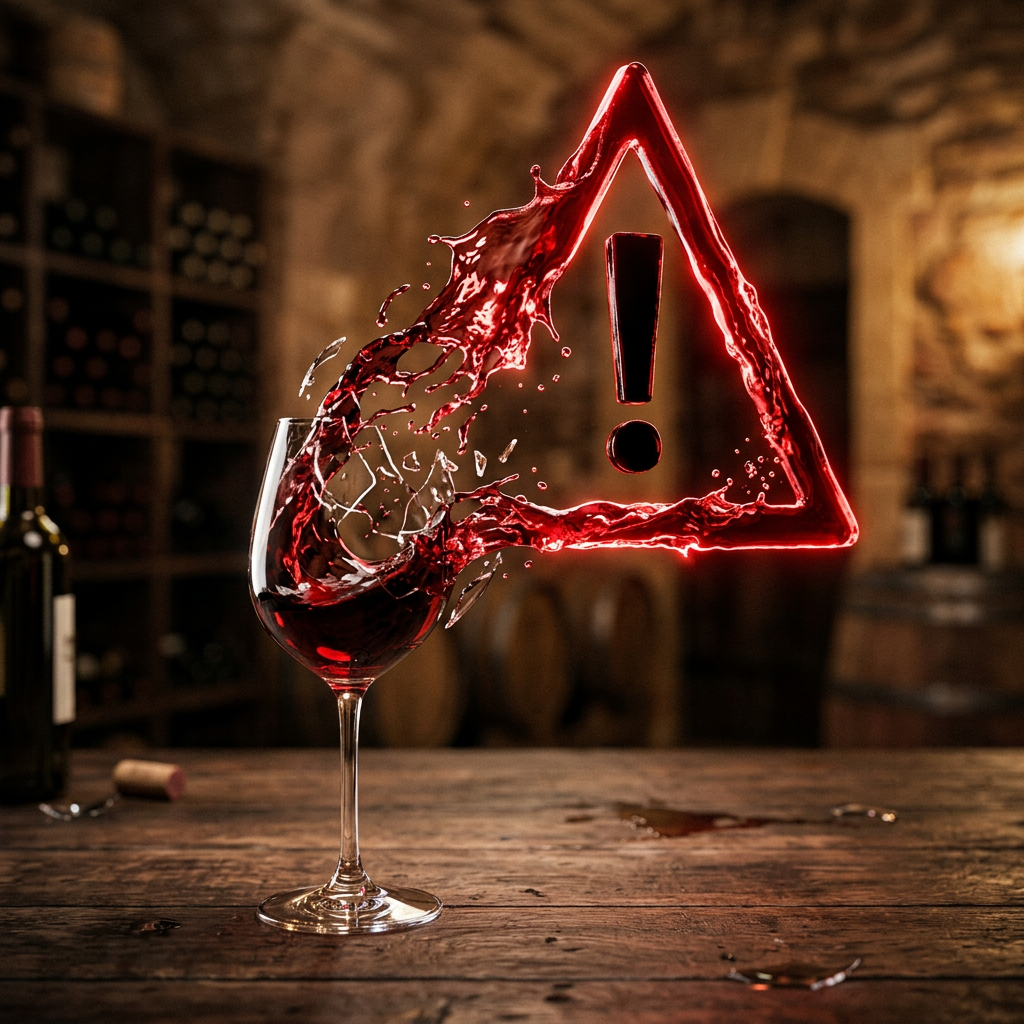
Alcohol is a very addictive substance.
Used to help you feel relaxed and to take away stress, if you keep drinking, you will soon become physically dependent on alcohol.
If you stop, or reduce too quickly, you can become very unwell leading to an acute medical emergency: or worse.
Signs that you may be drinking too much and that it is time to seek help include:
* Not being able to limit how much you drink
* Trying to cut down by not being able to do so
* Missing out on other activities because you are drinking
* Having to spend time recovering from drinking
* Missing deadlines, not completing tasks and neglecting
relationships and responsibilities because of alcohol
* Continuing to drink even though you know the damage it
is doing to you
* Drinking alcohol where you know you shouldn't such as
operating heavy machinery, driving, etc
* Developing a physical tolerance to alcohol meaning you
have to drink ever increasing amounts to have the same
effects
* Experiencing physical withdrawal signs very shortly after
your last drink. These can range from excessive sweating
and a tremor in your hands to delirium, seizures, coma or
even fatality.
Free Rehab Advice
Free Rehab Advice exists to provide free and confidential advice to those seeking admission to drug and alcohol rehabilitation from an experienced addictions clinician.
Find Out MoreHome Detox
Speak to an experienced addictions clinician on home detox: free, and confidential advice.
Find Out MoreResidential Rehab
Call for free and confidential advice on residential rehab,detox,recovery, therapy and counselling from a clinician.
Find Out MoreWhy you should not stop drinking on your own
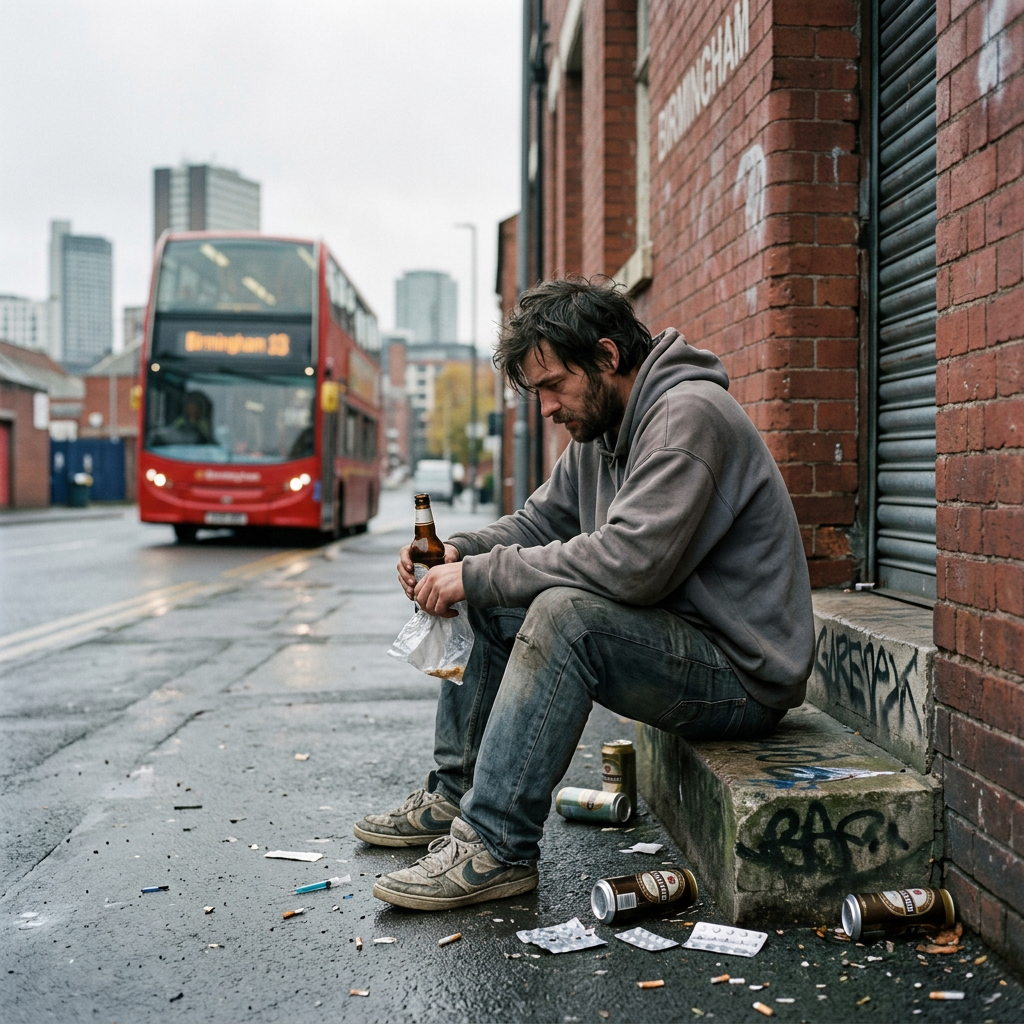
Stopping alcohol, or reducing the amount you drink too quickly can cause withdrawal symptoms.
This is because your brain has become used to the presence of alcohol and has adjusted to it.
If you stop, or reduce too quickly, your brain will struggle to make immediate changes.
While it does, it will send out incorrect chemical messaging.
This is what causes withdrawal symptoms, which can include:
Excessive sweating
A tremor, usually in the hands
A fast pulse, over 100
Vomiting
Nausea
Poor appetite
Headache
Anxiety
Depression
Restlessness
Seizures
Insomnia (difficulty sleeping)
What does alcohol addiction treatment involve?
Treatment starts with an assessment.
An addiction clinician needs to gather some information about the problem which will include:
* What you drink
* How much you drink
* Over what period of the day you consume alcohol
* What happens if you stop or cut down too quickly
* Any underlying health conditons
* Prescribed/unprescribed medication
* Any previous treatment for alcohol use
Depending on this assessment our clinicians can signpost you to the most appropriate treatment.
Some people don't need a detox but could benefit from therapy.
Having a detox, where you don't need one, is dangerous.
Our clinicians can signpost you to your local authority free to use service or a an addiction therapist.
If you do need a detox, some people can have one at home (though there are many exclusions for safety reasons.)
While we always advise against treatment at home, we recogise that,for some, it has some advantages.
Our clinicians can advise you how to arrange one, sometimes for free through your local authority.
The mainstay of alcohol addiction treatment is residential rehab, which provides the essential four elements of treatment:
* Detox (for those who need it)
* Group therapy
* Relapse prevention
* Aftercare
Group therapy has been the mainstay of alcohol addiction treatment for over a hundred years.
However, we recognise that some people would prefer individual therapy and our clinicians can signpost you to services that work individually with therapy.

What is an alcohol detox?
Alcohol works on receptors in your brain, just as prescribed medication does.
In time, your brain becomes used to the alcohol and adjusts.
This is known as tolerance.
The problem is that you will need ever increasing amounts to have the same effects as the amount you started with.
If you stop, or reduce too quickly, your brain will struggle to make immedidate changes to adjust.
While it does, it will send out the wrong chemical messages: These cause the symptoms known as withdrawal.
A detox is a process of replacing the alcohol with medication that mimmicks the effects on the brain.
To start with, you are given sufficent medication (benzodiazepines) to reduce/stop the withdrawls.
Then, over a period of time, usually ten to fourteen days, but sometimes less, the medication is reduced to allow a safe tranition to sobriety.
Adjunctive medication, to help with sickness, nausea and headaches can also be provided.
Drinking alcohol while taking medication and drugs
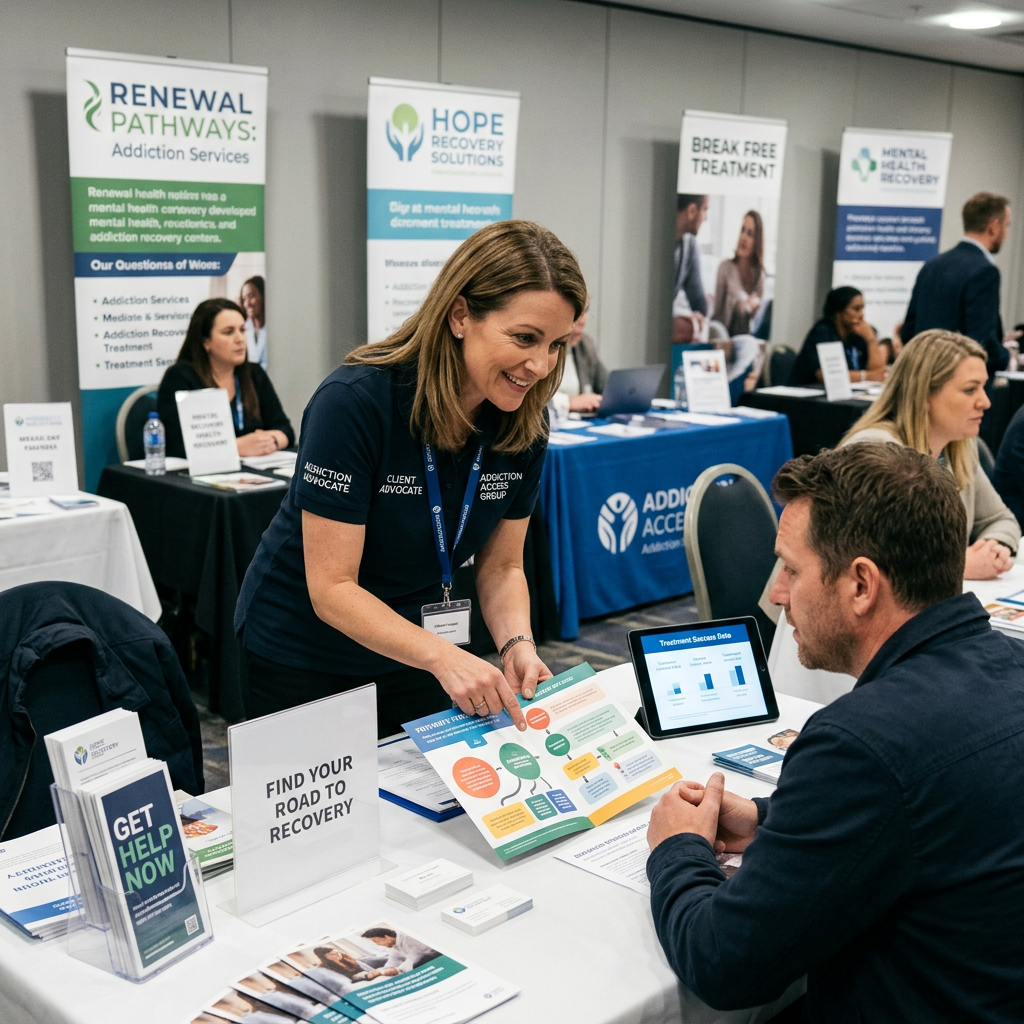
Drinking alcohol while taking drugs and certain medications is really not advisable and can be very unsafe.
Alcohol suppresses the central nervous system. It makes you feel relaxed, which is why some people become reliant on it.
Some medications, especially benzodiazepines and cyclopyrrolones (eg Zopiclone) also do the same thing as alcohol.
If you drink alcohol on top of these other medications, your brain simply can not process all of them together, safely.
This leads to an overdose.
While there are some emergency medications that can be given for certain types of overdoses, there is not one for alcohol.
Combining alcohol, with other medications and drugs, especially heroin and opioids, can put you at very significant risk.
Free clinician led advice on alcohol addiction treatment
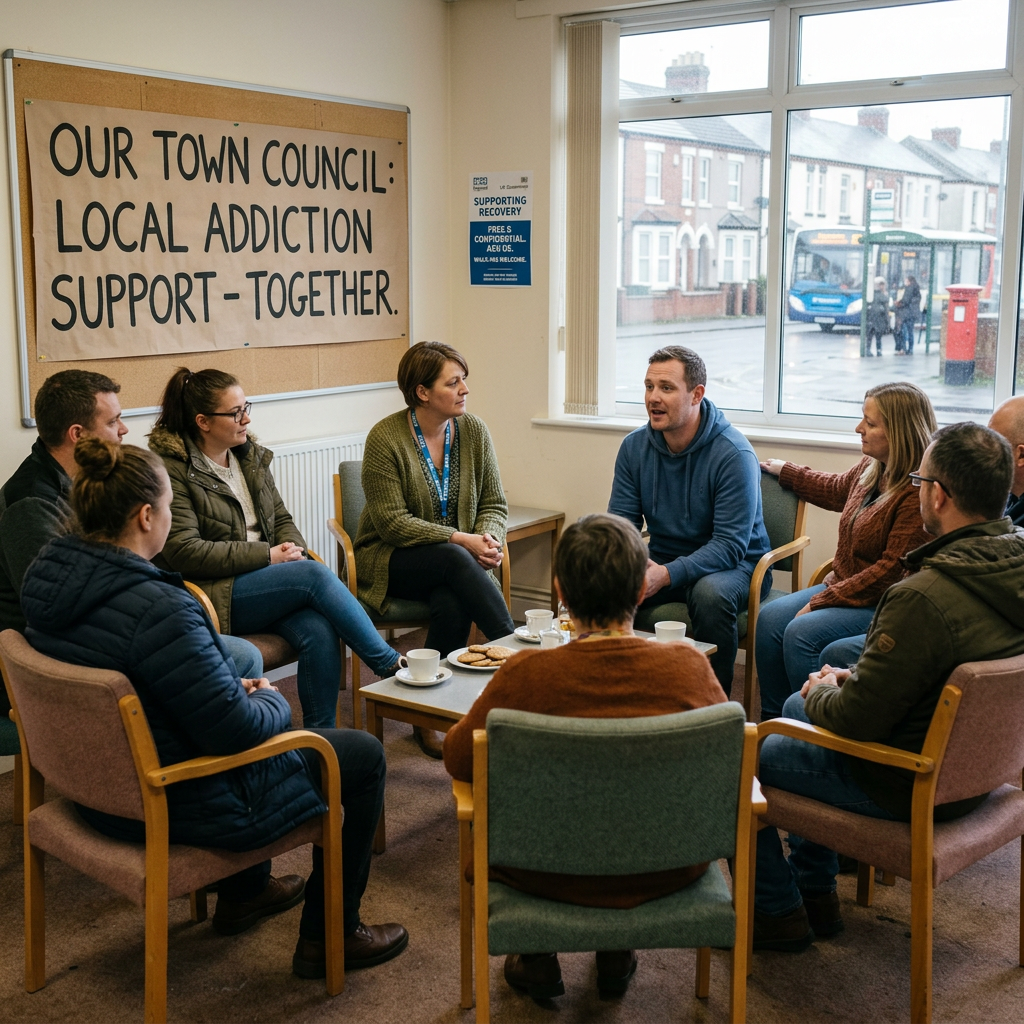
Find Me a Rehab is an entirely clinician led advisory, signposting and referral service: With a difference.
You will be speaking, directly, with an experienced addiciton clinician as soon as the phone is answered.
The service is completely free to use and entirely confidential.
It's clincians have decades of experience across private rehabiliation, outpatient services, NHS and local authority (free to use) services, prisons, private hospitals and other clinicial areas.
Find Me a Rehab states that it only signposts clients to legally registered services.
If privatre treatment is not the right option, the team can also provide information about statutory services.
You can learn more about Find Me a Rehab and how the referral service works before making an enquiry.
Get help with alcohol addiction treatment
You do not need to decide on what sort of treatment you are looking for before you ask for advice. After all, you might not need any!
Start by explaining how much you drink, the effect it is having on you and what happens if you stop drinking (or reduce too quickly) as well as any prescribed/unprescribed medications and/or street drugs.
Contact Find Me a Rehab for completely free and totally confidential advice about alcohol addiction treatment and suitable referral options (there is no charge for referrals).
Call 0333 041 9922 or email: Info@findmearehab.net. The helpline is available 24 hours a day, every day of the year.
Alcohol:Frequently Asked Questions on Alcohol addiction treatment
Unsurprisingly, we get asked a lot of questions, to make things easier for you, we have included some of the most common one below.
What is AUD?
AUD stands for Alcohol Use Disorder.
This is the name given to a diagnosis which originated from America and is used, in the States, for health insurance claims.
Usually, if you experience two (or more) of the criteria, an addiction clinician or your GP would probably confirm the diagnosis:
- Drinking more than you want to for longer periods of time than you can really spare.
- Continually wanting to, but being unable, to stop or cut down.
- Spending lots of time drinking and/or getting over a period of drinking
- Very strong desire to drink and/or cravings
- Taking time off sick from work or studies and/or not completing chores at home.
- Spending more time drinking than engaging in social activities
- Neglecting important family/social/work appointments due to drinking
- Continuing to drink when operating heavy machinery, driving, etc
- Drinking alcohol even when you know it is causing physical and psychological harm
- Physical tolerance: Having to drink more and more to have the same effect as the amount you started with.
- Experiencing physical withdrawals within a few hours after your last dri
How many people have AUD?
In 2021, a survey in the United States of America suggested that over 28.6 million adults aged over 18 had Alcohol Use Disorder: That is over 11% of the population.
What Increases the Risk for Alcohol Use Disorder?
The risk of someone developing AUD depends in part on several factors, namely what they drink, how much they drink and how often they drink. There are other factors that also contribute:
* Starting drinking at an early age.
Research has shown that those who drink from the age of 15, on wards, are more than three times more likely to develop symptoms of AUD by the age of 26 than those who did not start drinking until they were 21.
* Women are, statistically more likely than men, to develop AUD.
* Genetic predisposition/family history:
60% of people with diagnosed AUD are genetically pre-disposed to it However, as with other chronic health conditions, there is a interplay between genetics and environment. Thus someone with a very stressful lifestyle who drinks to relieve stress , and who has a family history of AUD is more prone than someone who has a family history but is not drinking to relieve stress.
*Mental illness/psychological trauma.
Those with underlying mental health conditions and/or a history of trauma. ADHD, PTSD and other related conditions are common amongst those with AUD.What happens in alcohol rehab?
Rehab consists of four different elements:
- Detox (for those who need it)
- Group therapy: Either on a 12 step, SMART or eclectic basis
- Relapse prevention: Learning vital skills to deal with triggering situations when you leave rehab and what to do if you have a drink.
- Aftercare: All centres have a weekly support group for those who complete treatment. If you don’t live close by you can usually log in via a secure link to attend virtually.
What is Wernicke–Korsakoff syndrome?
Wernicke-Korsakoff is a serious medical condition that is a form of dementia caused, 99% of the time, due to excessive consumption of alcohol. In essence, Alcohol prevents the body from absorbing vitamin B1, which can have catastrophic and life long changes to the brain.Alcohol prevents thiamine from being absorbed properly in the gastro intestinal tract, stops it from being absorbed properly in the body, and increases the amount of thiamine that is excreted in urine. This devastating condition has two, distinct, separate stages:
Firstly, there will be a brief period where the person has intense swelling on the brain: This is Wernicke’s encephalopathy.
Secondly, if this first stage is left untreated, Korsakoff’s syndrome develops. This, irreversible condition, has many of the same symptoms as dementia.
Around 25% of those with Wernicke’s who access the appropriate medical care will make a good recovery. 50% will make a partial recovery and be able to live with some social care support. However, the remaining 25% will need lifelong care, normally in a residential care setting.How is it diagnosed?
If someone with alcohol use disorder is still intoxicated, it can be a challenge to diagnose, this is because some of the symptoms can often be confused with alcohol withdrawal.
The signs to look out for are:
* Being disorientated, appearing confused or having problems with your memory
* Difficulty with eye movements
* Poor balance, being unsteady and walking with legs very wide apart
* Either being very underweight or recent unexplained weight loss within the last few months.
It is unusual for someone with present with all of these symptoms but nearly all will show signs of confusion and disorientation.
Without appropriate medical treatment, Wernicke’s will, undoubtedly, lead to Korsakoff’s and permanent brain damage. Intravenous Thiamine is needed, with oral supplements for several weeks as well as re hydration and enhanced nutrition.
Can I detox at home?
Possibly.
An at home alcohol detox is not available to everyone.
Safety is, always the, primary focus and an at home alcohol detox carries some risks which can not be mitigated.
The criteria for an at home alcohol detox is quite restrictive.
Normally, to be considered for a home alcohol detox you need to be:
- Drinking less than 30 units a day
- Not had a detox within the last six months
- No history of alcohol related alcohol withdrawal seizures
- Absence of certain prescribed medications/street drugs
- In good physical health
- Have an adult, over the age of 18, to supervise (24/7) for the first few days and then at regular intervals for the rest of the week
Do I have to do the 12 steps in alcohol rehab?
No.
The 12 steps have been used for over ninety years to help people achieve and maintain sobriety.
You do not have to follow any religion to take part in the 12 step process.
While most centres use a 12 step approach, some use a SMART approach or an eclectic model.
As clinicians, we would always advise a centre that uses a group therapy model. However, we recognise that some people find this too overwhelming and prefer one to one therapy. Thus we can signpost you to centres that don’t use groupwork.
Does Find Me a Rehab provide treatment directly?
No.
Find me a Rehab is a clinician led advisory, signposting and referral service. It’s clinicians discuss your situation and help identify appropriate private, outpatient or statutory services. Advice and referrals are free to the person seeking help.
Still Have Questions on Alcohol addiction detox rehab?
Call UsMichael Imonirhua

Michael has been a qualifed substbance misuse practitoner since 2007.
He overcame his own addiction and thrives in recovery by using is lived experience to enhance his work with clients.
He is extremely passionate about person centred care having experienced the drawbacks of traditional community service provision.
Michael holds diplomas in:
* Counselling
* Conflict management
* Group work
* Cognitive behavioural therapy
* Advanced group facilitation
Michael maintains a busy caseload of clients who are overcoming addiction as well as those seeking treatment for PTSD, tramua and other mental health conditions.
In addition Michael is a skilled and experience educator and trainer aside from his role as clinical director of a private treatment service in London.
Questions on alcohol addiction treatment?
if you find yourself in need of assistance at any hour, we're here to support you around the clock.
Whether it's the dead of night or the crack of dawn, our team is available 24 hours a day, 7 days a week, ready to lend a helping hand whenever you require it.
So, if you ever find yourself in a pinch or simply need someone to talk to, don't hesitate to reach out.
We're committed to being there for you whenever you need us, no matter the time.
We only signpost to legally registered services.