
Effective Detox Strategies for Benzodiazepine Dependency
January 14, 2026
11:39 am

Table of contents
- Introduction
- Why are Benzodiazepines prescribed?
- Drug tolerance
- How Do You Come Off Benzodiazepines Safely?
- What Happens If I Stop Taking Benzodiazepines?
- Individual factors
- When do Benzodiazepine withdrawal symptoms start?
- Dealing With Benzodiazepine Withdrawal
- Why Do I Need Residential Rehab?
- Speak to an Experienced Addictions Clinician For Free Advice and Referrals
Introduction
Benzodiazepine dependence detox rehab. Four words that do go together: In that order.
Recovery from Benzodiazepine addiction is absolutely possible.
Usually someone starts to reduce at home, in agreement with their GP and goes into rehab for the last furlong.
Easy to start but incredibly difficult to stop. Considered the most difficult drug to come off and certainly one that must never be done without medical supervision.
Let our experienced addictions clinicians share their experience with you.
Why are Benzodiazepines prescribed?
They have been around for decades and when used for a short period can make a real difference.
People rarely use this medication for long-term seizure control, but it’s more common for short-term management of anxiety and insomnia.
In emergency’s, healthcare professionals prescribe benzodiazepines for a variety of reasons including uncontrollable seizures, when manipulating joints in accident and emergency and for psychiatric emergencies.
They are some of the most commonly prescribed medications in the western world.
Why are Benzodiazepines Problematic?
When Benzodiazepines were first licensed for use in the UK, the risk of addiction was not known.
It takes time, after a new medication is licensed and moves into mainstream use, before a pattern emerges.
The drug was widely used to help people with chronic anxiety and sleep problems and were widely known as “mothers little helper.”
Doctors prescribed Benzodiazepines to people for extended periods, often leading to repeat prescriptions.
This allowed patients to simply collect a new prescription each month without regular reviews.
When you use Benzodiazepines they affect receptors in your brain. This is what they were invented to do.
After a time, your brain becomes used to their presence and adjusts the way it’s works. A phenomena of tolerance occurs.
Drug tolerance
Benzodiazepines alter brain chemistry by acting on receptors. Over time, your brain develops tolerance to this effect.
This means that, in time, you will need to take more of the medication to have the same effect as the amount you took when you first started on the medication.
GP’s will be very reluctant to increase your dose. In fact, they are under pressure by NHS commissioners (who fund GP services) to reduce the use of benzodiazepines.
Some people buy extra supplies on the internet. Problem is, you don’t know what you are buying. The label is irrelevant, it could be fish antibiotics. Street dealers are just as unreliable.
How Do You Come Off Benzodiazepines Safely?
Slowly: Very slowly.
There are internationally recognized guidelines developed by the late professor Heather Ashton as to how to safely reduce and stop benzodiazepines. The process can not be sped up.
In a nutshell, the more you take and the longer you have taken them, the longer it will take to safely come off them.
The longer the half life of the drug (the time it takes to reduce it’s concentration in the body by 50%) the longer a detox will take.

What Happens If I Stop Taking Benzodiazepines?
Don’t!
Never attempt to detox yourself. It can be incredibly dangerous. Sadly, it could be fatal.
Your GP can help you with a reduction plan. When you get to the tail end of it, that is the time to get into rehab as this will be the most challenging time.
Were you to simply stop you could experience a whole host of problems, including:
- Aches and pains
- Muscle spasms
- Grand mal seizures
- Delirium
- Anxiety
- Insomnia
- Nausea
- Depression
- Panic
It doesn’t take long for the brain to become accustomed the presence of benzodiazepines and for tolerance to develop. It can happen in less than a month.
Research shows that 4 in 10 people, who stop taking their medication after six months will become acutely unwell. Benzodiazepine withdrawal, if acute and left untreated can be fatal.
The other 6 in the group of ten will experience more mild withdrawals.
Key Takeaways
- Benzodiazepines help manage anxiety, insomnia, and are commonly prescribed, yet they carry addiction risks.
- Withdrawals can be severe and fatal; proper detox requires medical supervision.
- Tapers should be slow to allow the brain to adjust to reduced Benzodiazepine levels effectively.
- Residential rehab provides structured support, therapy, and aftercare to help recovery from dependence.
- Consulting experienced addictions clinicians can guarantee safe withdrawal and access to reputable rehab centers.
Individual factors
Everyone who withdraws will experience different things.
But, there are some things to consider as to how severe your withdrawal will be:
- How much you are taking
- How long you have been taking it for
- How many types of Benzodiazepines you are taking
- Any other sedating drugs being prescribed
- Drug alcohol use
When do Benzodiazepine withdrawal symptoms start?
As to when you start to experience discomfort depends on whether the benzodiazepine you are taking is a short acting one or a long acting one. For shorter acting ones, problems can start in as little as eight hours.
For those on longer acting ones, it can be a day or two before you start to experience withdrawals.
The rule of thumb is that everyone is different and there are no hard and fast rules as to when you will start to feel unwell.
Dealing With Benzodiazepine Withdrawal
No one should ever try to withdraw by themselves.
Unsupervised withdrawal from benzodiazepines can be fatal: There is no nice spin to put on it.
Commonly, the way ahead is to have a conversation with the doctor who provides your prescriptions.
Tapering down, slowly, in the community and then going into rehab for the last stint is the usual pathway.
Ideally, you should collaborate with your doctor to change your medication to a long acting Benzodiazepine as it will be more straightforward to draw up a reduction plan.
The reduction plan can be re-visited and doesn’t need to be set in stone.
Why Do I Need Residential Rehab?
Benzodiazepine withdrawal is a long process.
The majority of it can be done in the community.
When you get towards the tail end you face the start reality that, very soon, you will not have them to rely on anymore. This can be incredibly stress inducing.
That bottle of pills that was your go to is no longer available. The stresses and strains of life that you were using medication to escape from you now have to deal with: head on.
Residential rehab provides the four essential elements needed for recovery:
Detox
The last tranche will be the most challenging. You have got yourself down to a small amount but coming off, entirely, will be challenging.
An experienced addictions clinician will draw up, with you, a treatment plan to get you over that last hurdle.
Therapy
Therapy groups and individual sessions will welcome you, offering the support, encouragement, and energy you need to overcome your battle with addiction.
It will be challenging. You will be dealing with the reasons that got you into addiction. No one chooses to be an addict. Something sparked it off and therapy will help you unpick it.
12 STEP/SMART/eclectic: It really doesn’t matter which model is used.
Treatment is more important than worrying about the theoretical model used.
Relapse prevention
Drugs are freely available. They shouldn’t be, but it is a fact.
You could go to a doctor who doesn’t know you. Buy medication from the internet.
Without relapse prevention skills you might start running these scenarios through your mind.
If you know how to manage difficult situations, you stand a much better chance of staying abstinent.

Aftercare
Rehab is a nurturing, warm environment full of love and support: As it should be. When you go home, you are on your own. Or are you?
Every rehab centre provides at least a years aftercare. This is usually in the form of a weekly support group as well as telephone check in.
If you find yourself struggling, there will be a number to call for immediate support.
Speak to an Experienced Addictions Clinician For Free Advice and Referrals
We are addictions clinicians with extensive experience.
Benzodiazepine withdrawal is something we deal with: Daily.
We do not charge for advice or referrals.
It matters not to us where you go for help, as long as it is safe and low cost.
Our service is registered with the Information Commissioner’s Office.
We only signpost to legally registered rehab centres.
Call and speak with an experienced addictions clinician with decades of experience in helping people addicted to Benzodiazepines.
We can advise you on treatment options, locations and costings.
Need help finding the right rehab for you or a loved one? Get in touch today and take the first step toward recovery.
Speak to usRecent Posts
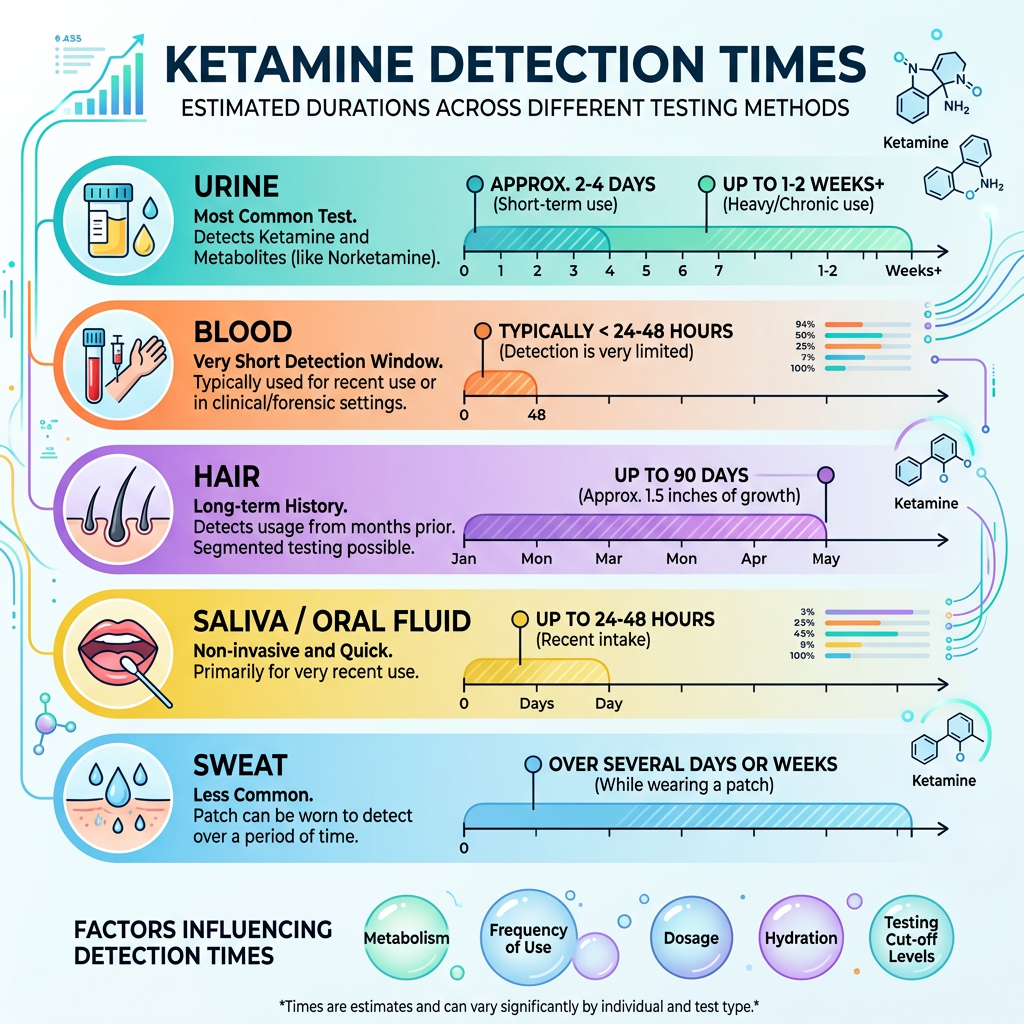
How long does Ketamine stay in your system?
How long does Ketamine stay in your system? As an experienced addictions clinician with over thirty years experience my question to that is: Why do you need to know? Is it because you are worried it will show up in a drug screen at work? Are you worried about being drug tested by the police…
Grace Kennedy
12:23 pm, July 2, 2026
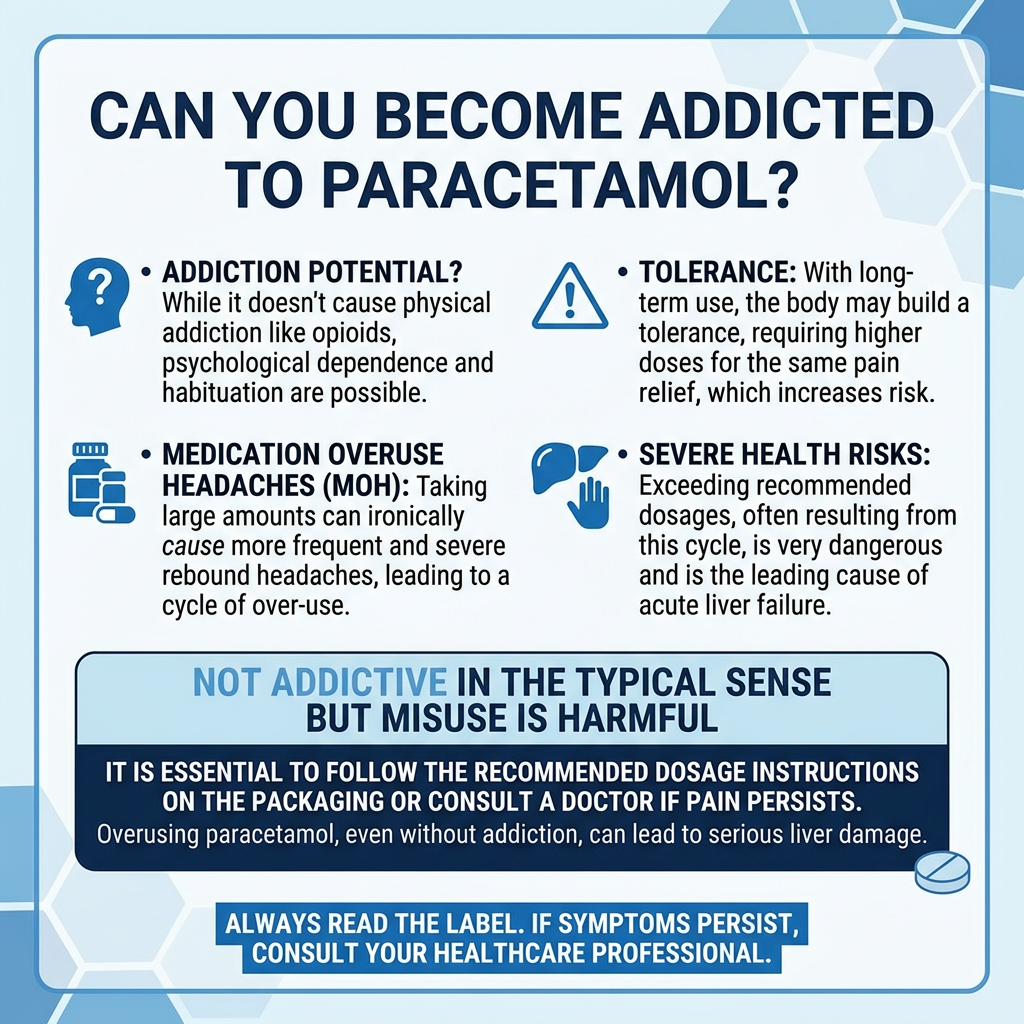
Can you become addicted to Paracetamol?
Can you become addicted to Paracetamol? No. Well not it in the same way you become addicted to heroin or alcohol as the way it affects the brain is different. That doesn't mean that some people are not addicted to taking it in the way that they take it, repeatedly. How does Paracetamol work? The…
Grace Kennedy
6:08 pm, June 26, 2026
Can you do a Methadone detox at home?
Can you do a Methadone detox at home? In theory: Yes. In practice: No. It is a nice idea that you can stay at home, take some methadone and your opioid use disorder is cured. Sadly it just doesn't work like that. In order to understand why this won't work you need to know what…
Grace Kennedy
6:49 pm, June 25, 2026