
Effective Strategies for Benzodiazepine Withdrawal
October 16, 2025
9:14 pm

Table of contents
Benzodiazepines are very easy to get addicted too and incredibly difficult to come off.
Because of the effect they have on the brain, stopping suddenly (or reducing too quickly ) can lead to a very serious medical emergency, even fatality.
Coping with benzodiazepine withdrawal needs specialist input. Usually, you start at home working closely with your GP , but as you get closer to stopping, you will need specialist help.
One of the most difficult and dangerous drugs to come off
Coming off Benzodiazepines is not easy.
The symptoms of withdrawal can be a rough ride.
Let our experienced addictions clinicians guide you through.
Difficult but possible
It can be done. Now that GP’s are under pressure to reduce and stop people using these medications, there are ever increasing numbers of people coming into rehab for treatment.
Here at Find Me a Rehab we have experienced addictions clinicians who provide free advice, guidance on treatment plans and a Free Rehab Referral Service.
If you need 24 Hour Addiction Help: Call. All advice is free, confidential and available to all.
Key Points
- The signs and symptoms of Benzodiazepine withdrawal are not just physical but also psychological. The key to reducing these is a gradual reduction plan: Known as tapering.
- You will start to experience symptoms less than 24 hours after stopping the medication. The symptoms
- A collaborative treatment plan, drawn up with an addictions clinician and therapy team can get you to where you need to be.
- Very often, people will reduce their medication, over a period of time, at home and then go into a rehab centre for the final phase of treatment when they stop taking benzodiazepines.
- Suddenly stopping Benzodiazepines is extremely dangerous and should never be attempted. You could find yourself in an acute medical emergency. It can be fatal.
What Are Benzodiazepine Withdrawal Symptoms?
There are a long list of both physical and psychological symptoms of withdrawal which can include:
- Extreme panic
- Heightened anxiety
- Chronic insomnia
- Uncontrollable muscle spasms
- Psychosis
- Seizures
- Coma
The science of Benzodiazepines
Benzodiazepines work on receptors in the brain by opening up chemical channels.
It is the release of naturally occurring chemicals, released by the presence of Benzodiazepines that provides the calming features for which they were originally prescribed.
Physiological tolerance
After a time, the brain will adapt to their presence.
Your brain chemistry will develop what is known as tolerances.
This means that you will need ever increasing amounts of the medication in order for it to have the same effect as it did when you started taking it.
Good days and bad days
The symptoms of withdrawal may not be continuous.
Some days will be better than others.
Some days you may be able to function, others you may feel completely overwhelmed.
Timeline of Benzodiazepine Withdrawal
There are different types of Benzodiazepines. As such the type you take, how much you take and for how long (together with other factors) will determine when you will start to withdraw.
Symptoms start within hours
Typically it is 24 hours but can be as little as 10-12. The speed of withdrawal can catch people out.
How long you experience difficulties with withdrawal lasts anywhere from 72 hours to 4 months.
The longer you have been taking them, the more you take and the stronger they are: The more prolonged the withdrawals.
Stages of Benzodiazepine Withdrawal
As with other addiction withdrawals, there are stages of Benzodiazepine withdrawal.
The initial phase is known as the acute phase which can last anywhere from a fortnight to several months.
The most severe symptoms will be seen at this phase. Rapid mood swings and difficulties with cognition are very common.
Initial withdrawal phase
Usually, it is this initial phase which is the most challenging. Intense support is needed to get you through.
Secondary stage
The second stage of withdrawal is known as protracted withdrawal. This can last for months. Sadly, for some, it can last for years. During this second phase the following are not uncommon:
- Heightened anxiety
- Severe insomnia
- Altered cognition
When someone goes through benzodiazepine withdrawal they will need very careful medical monitoring.
This is because the symptoms will change from mild to moderate to severe and back down again: There is no clear trajectory.
Key Takeaways
- Coping with Benzodiazepine withdrawal requires specialist help, as symptoms can be both physical and psychological.
- A gradual reduction plan, known as tapering, is essential for safely coming off Benzodiazepines.
- Withdrawal symptoms can start within hours and may last from 72 hours to 4 months, depending on usage.
- Professional guidance and a supportive treatment plan are crucial for successfully managing withdrawal symptoms.
- Avoid sudden cessation and seek help to ensure safety during the withdrawal process.
Managing Acute Withdrawal Symptoms
No one should ever just simply stop using Benzodiazepines: This is extremely dangerous.
Unlike Heroin or Cocaine you are literally putting your life on the line.
You must get professional help.
Never go cold turkey
If you did stop taking them, suddenly, and you managed to get admitted (most centres would refuse to take you) they would give you Benzodiazepines to stabilise you before you could reduce and stop.
Sometimes, people try and cover the symptoms of withdrawal by using other medications and drugs: This is extremely dangerous. Especially when people use Ketamine.
Slow and steady wins the race
The only way to come off benzodiazepines is a slow taper.
Usually this is started in the community and the last phase is undertaken in rehab.
Detox alone won’t surfice
There you will be supported by medical staff for the withdrawals and tapering and therapists who will help you manage the psychological aspects.
Addiction is not a choice. People become addicted to medications and drugs for a variety of reasons.
With benzodiazepines it is usually because they were prescribed and the prescription got out of control or they were started illegally.
Masking
When you come off benzodiazepines, underlying mental health conditions may present themselves whereas they were previously subdued by benzodiazepines.
This is why being in rehab is so important.

Find Me a Rehab Can Help You Find a Rehab Centre
Coming off benzodiazepines can be a very frightening thing. Even though you know using them is counterproductive and addictive, the thought of being without them can be terrifying.
Our expert addictions clinicians have treated hundreds of patients in this situation, both in rehab centres, prisons and private hospitals.
Use our experience
While they have worked in statutory services, none are commissioned to provide benzodiazepine withdrawal.
Your GP will be pleased to assist with the early stages of reduction and as they are under increasing pressure to reduce their use, this conversation may not be far off.
Avoid the dark web
Buying benzodiazepines from the internet or a street dealer is not a good move. Forget what it says ion the box, it could be anything from chalk to contraceptive pills.
Our addictions clinicians have worked in most of the private rehabs ion the UK and are happy to make a referral for you, at no cost. We never charge for advice or referrals.
Here at Find Me a Rehab we have experienced addictions clinicians who provide free advice, guidance on treatment plans and a Free Rehab Referral Service.
If you need 24 Hour Addiction Help: Call. All advice is free, confidential and available to all.
Role of Medication in Withdrawal Management
Typically, the standard protocols for benzodiazepine withdrawal involves using a long acting benzodiazepine and reducing over a period of time.
Tricyclic antidepressants
There is also strong evidence that tricyclic antidepressants can also be off use during this time: They are not addictive.
Our experienced addictions clinicians have the knowledge to help you
Here at Find Me a Rehab we have experienced addictions clinicians who provide free advice, guidance on treatment plans and a Free Rehab Referral Service.
If you need 24 Hour Addiction Help: Call. All advice is free, confidential and available to all.
Get help now
Withdrawal from Benzodiazepines must always be a planned treatment.
Call and speak with an experienced addictions clinician on any aspect of addiction, detox, rehab, therapy, relapse prevention and aftercare.
Our clinicians can advise you on treatment plans, treatment options, locations, costings and logistics.
Need help finding the right rehab for you or a loved one? Get in touch today and take the first step toward recovery.
Speak to usRecent Posts

Rehab Options for International Citizens: A Guide
Rehab options for overseas citizens is a growing phenomena. The world is not as large as it used to be. You can reach Australia in a day on a single flight when it used to take days with multiple stop overs. People move and businesses migrate. The UK is home to many multinational companies Companies…
Grace Kennedy
2:03 pm, April 20, 2026
Hippy Crack Addiction: Risks, Symptoms, and Recovery Guide
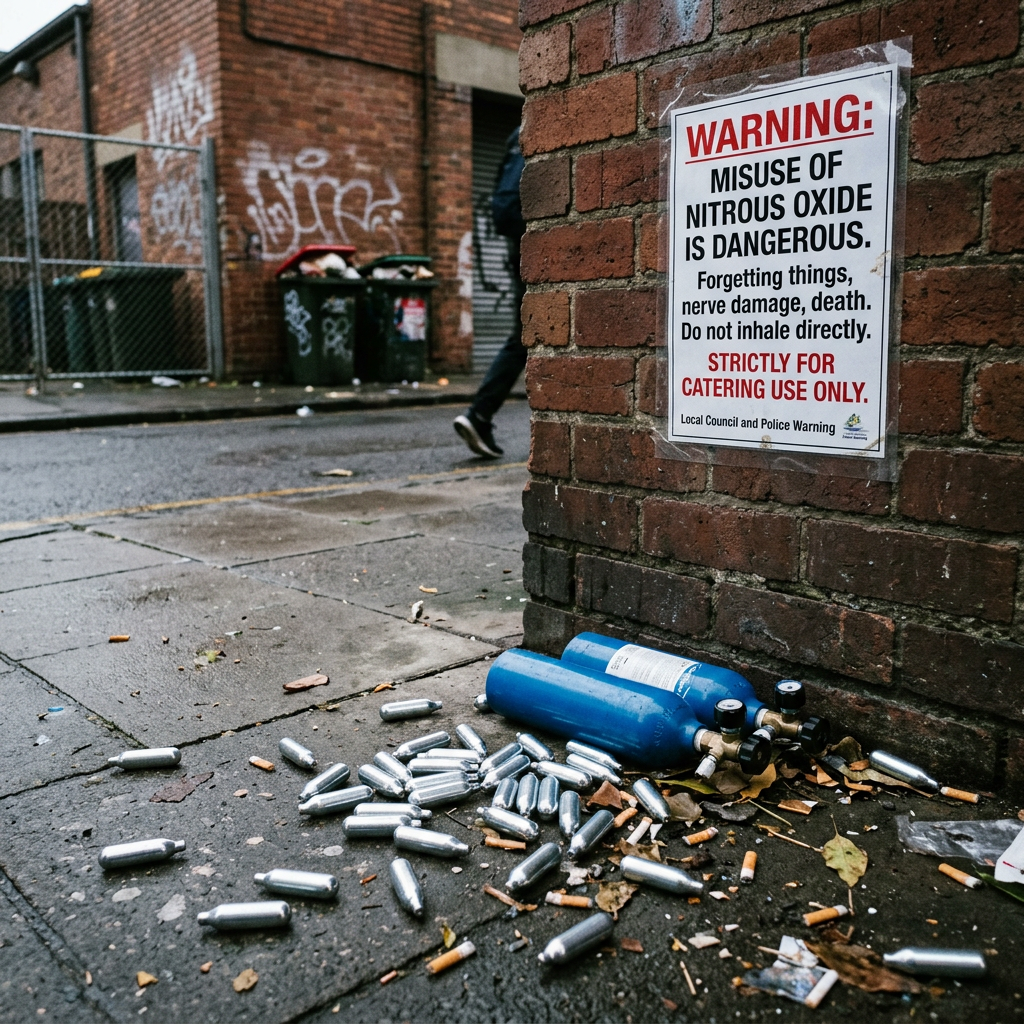
Introduction Hippy crack is dangerous: Very dangerous. Nitrous oxide, laughing gas, whippets or NOS: Call it what you like. Nitrous oxide is nothing new. Originally manufactured and licensed as an anesthetic, it is now widely abused. Discarded aluminium canisters and balloons after festivals. Not the sign of harmless teenage fun. Addiction to Nitrous Oxide can…
Grace Kennedy
10:37 am, March 3, 2026
What to Expect From UK Detox Clinics
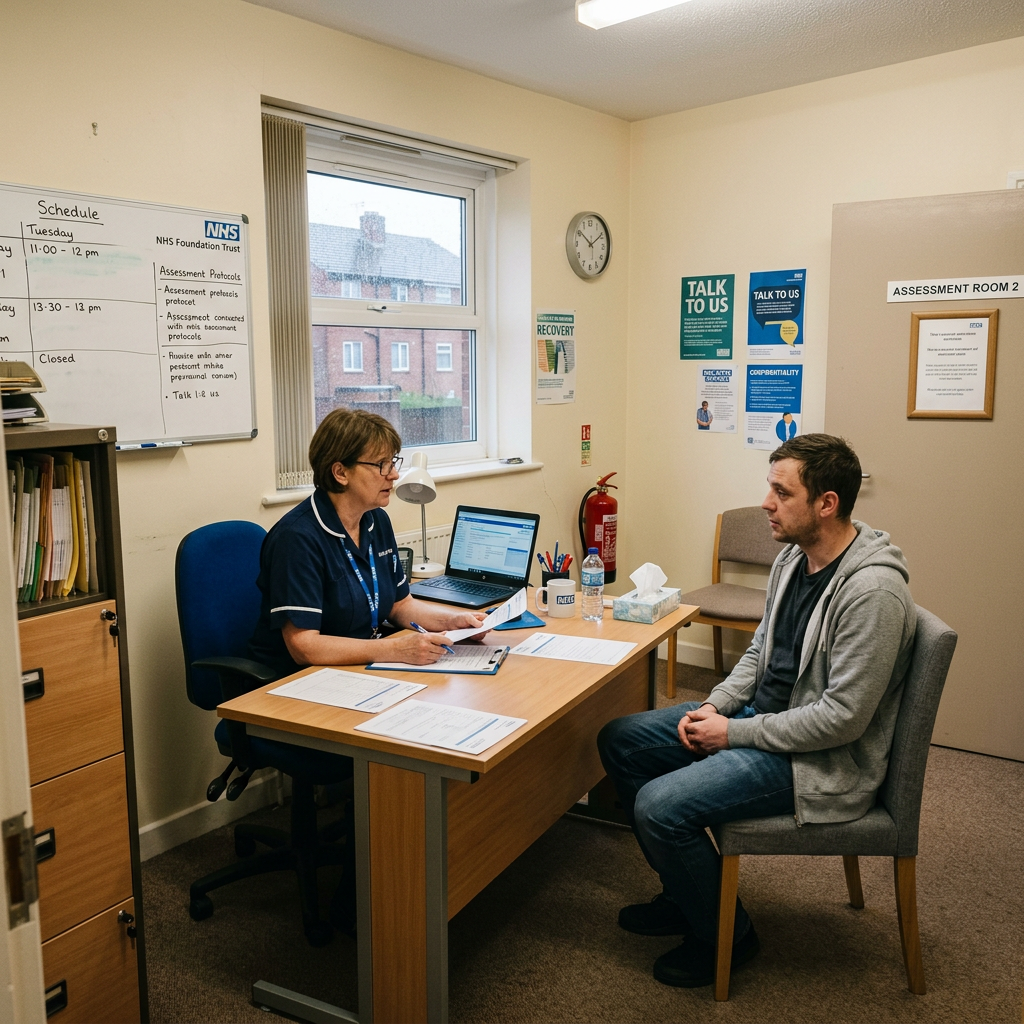
Introduction What to Expect From UK Detox Clinics? Safe, evidenced based cost effective care. UK detox clinics offer both rehabilitation and detoxification services; moreover, they do so at the same time. Detox alone will never work. Rehab consists of four essential elements: Detox, therapy, relapse prevention and aftercare. Recovery functions as a continuous cycle; removing…
Grace Kennedy
3:25 pm, February 27, 2026