
Benzodiazepine Dependency: Risks and Reality
April 30, 2024
3:51 pm
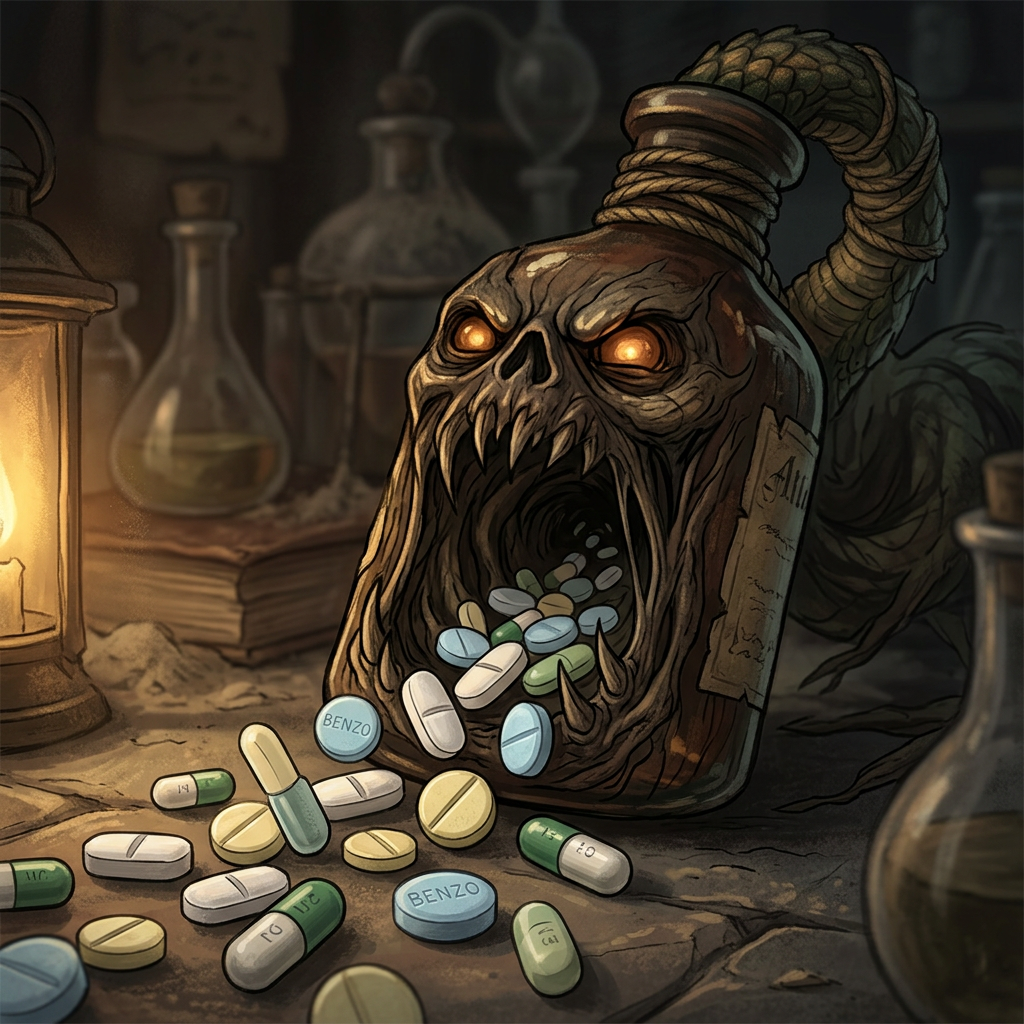
Benzodiazepines: Monster in a bottle? Yes.
In 1966 the Rolling Stones had a hit record entitled: mothers’ little helper.
This observed the desperation of a suburban housewife who, to deal with the drudgery and the anxiety she experiences has become dependent on diazepam (also known as Valium).
It is a story of the type of discreet dependency for which benzodiazepines has become associated with.
We are addictions clinicians each with over three decades of experience in assessing, diagnosing, prescribing for and treating people struggling with addiction.
Let us share our knowledge with you.
Benzodiazepines: Monster in a bottle is an unfortunate phrase but the reality is that they can be very problematic.
When did the problems with Benzodiazepines start?
Benzodiazepines were invented to replace Barbiturates due to the number of fatal incidents connected with them.
Valium had only been on the market for three years in 1966 and yet the lyrics had already highlighted both a stereotype and a problem that has persisted, ever since, and is most certainly still a significant problem today.
When Valium first made its way onto the prescription pads of GP’s it was hailed as a wonder drug. Indeed, by 1968 it was the most widely prescribed drug in America, and this continued until 1982.
The drug instantly tapped into a huge market. It was touted as a cure for anxiety, as well as insomnia, and was a powerful tool for GP’s when patients presented with these two common problems.
At the time, not only was it viewed as highly effective, but also did not appear to have any side effects. At the time, it was thought that it was not possible to overdose on benzodiazepines.
Due to many high-profile deaths due to barbiturates, such as Marilyn Munroe, Valium was hailed as a game changer.

Aggressive marketing in the USA made Benzodiazepines: Monster in a bottle
In America there was very significant marketing associated with Valium which massively contributed to its phenomenal success.
Indeed, the theme of the advertising was, very much, precisely the type of user so well encapsulated by Mick Jagger: The lonely, anxious housewife.
While wholly unacceptable by today’s standards, the adverts of the 1960’s and 1970’s deliberately targeted women and informed them that, by popping pills, their lives could be so much better.
Benzodiazepine adverts aimed at women
Indeed, an advert in 1970 introduced a woman called Jan and depicted her as both single and “psycho neurotic”.
At 35, she had encountered fifteen years of failed relationships which resulted in a matronly looking woman standing alone on a cruise ship.
The message was that her self-esteem had stopped her finding a suitable husband who could measure up to her father. The message from this advert was abundantly clear: By taking Valium she would end her lonely existence, find the man of her dreams and live happily ever after.
This was reinforced with a similar campaign, this time aimed at a middle-aged teacher who had been totally crushed due to depression following the menopause.
By taking this wonder drug she is now “trim, smartly dressed and the way she was when school began”.
Indeed, the advert read “Mrs. Raymond’s pupils do a double take!”
While these adverts would not be acceptable today, they positioned Valium as America’s best-selling medication from 1968 until 1982 with a peak in 1978 where 2 billion tablets were sold in the country.
When were Benzodiazepines invented?
Benzodiazepines have been around since the 1950’s.
First invented by the Swiss manufacturer, La Roche and their Austro-Hungarian–American chemist, Leo Sternbach.
He discovered it by accident.
The first benzodiazepine he discovered was Librium (Chlordiazepoxide) which is still the drug of choice for most alcohol detox cases, despite it being increasingly more difficult for pharmacies, especially in the community, to get hold of.
What, of course, was not known then was the abuse potential for this class of drug or how it would lead to dependency.
Within the hierarchy of drugs that are difficult to come off, Benzodiazepines are pretty much at the top end of the list.
Depending on which benzodiazepine is being taken and for how long it has been taken it can take, in certain cases, over a year to reduce and stop.
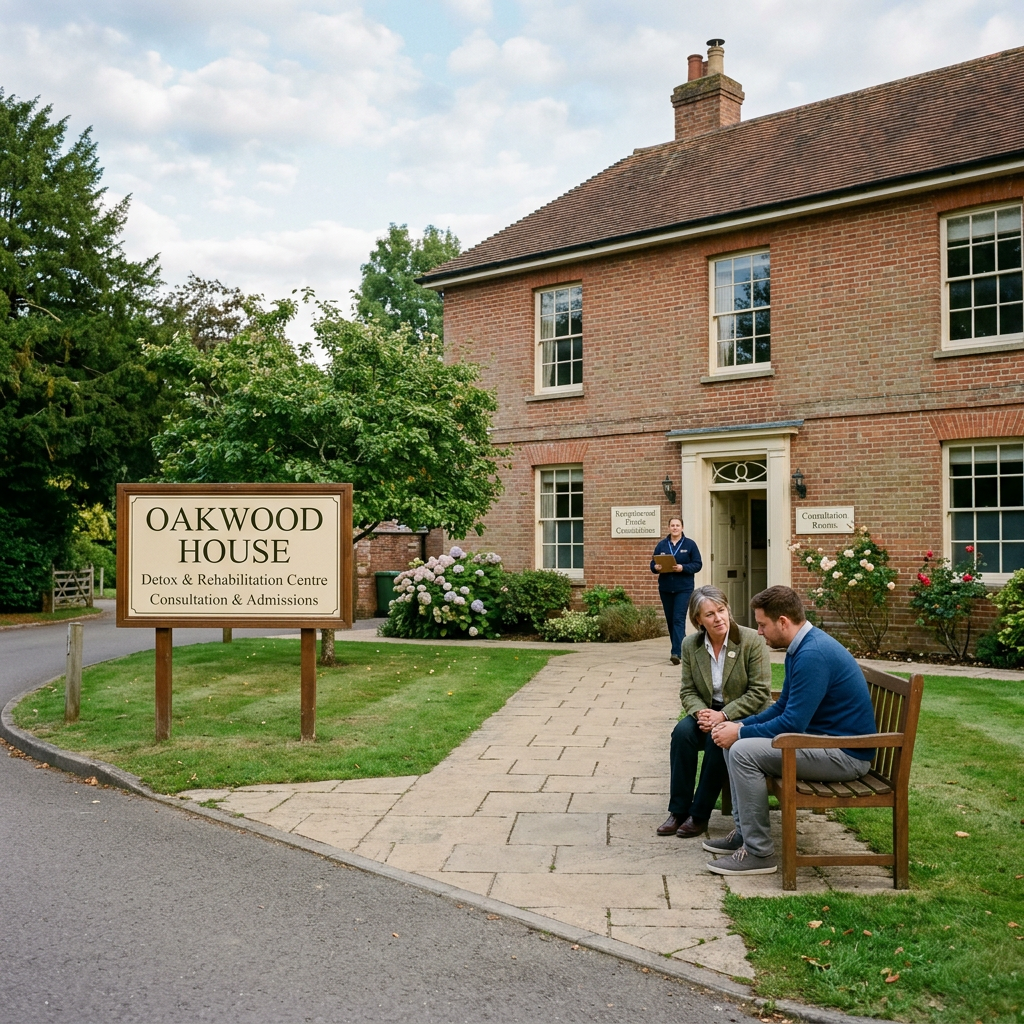
Benzodiazepines: Monster in a bottle :How do benzodiazepines work?
Your body has a natural chemical called gamma aminobutyric acid (GABA). This chemical reduces the activity in the areas of the brain responsible for:
- reasoning
- memory
- emotions
- essential functions, such as breathing.
Benzodiazepine drugs increase the effects of GABA on your brain and body. This means these drugs can:
- make you feel relaxed and sleepy (sedation)
- reduce your anxiety
- Relaxes your muscles
Benzodiazepines are useful, clinically, for short term use.
However, in 99% percent of cases, no one should ever be prescribed these for more than two to four weeks.
They can be used for anxiety, severe insomnia and panic disorder.
What happens if I stop taking them?
Stopping suddenly, or reducing too quickly, will lead to very significant withdrawals that can start within a few hours or days, depending on which Benzodiazepine you are taking, how much you take and for how long you have been taking them for.
Symptoms can include:
- Perceptual disturbances
- Hallucinations (especially of insects under the skin)
- Distorted body image
- Sensory hypersensitivity
- Muscle twitching and jerking
More serious symptoms, especially where there has been a rapid withdrawal/tapering include:
- Seizures
- Confusion
- Delirium
- Psychosis

The science of Benzodiazepine addiction
When you take Benzodiazepines they affect GABA receptors on the brain and affect chemical messaging.
If you keep taking them the brain will adjust the way it works to accommodate them.
Should you stop taking them suddenly (or reduce too quickly) the brain simply can not cope with this immediate change.
Your brain will scrabble to readjust but, until it can, incorrect chemical messaging occurs which is why you experience physical symptoms known as withdrawals.
What is a Benzodiazepine detox?
A benzodiazepine detox is a medication treatment plan using a benzodiazepine (sometimes the one you were addicted to) in a measured and controlled reduction plan under medical supervision.
Usually, the Benzodiazepine (if a short acting one) is substituted for a longer acting one as this will make the process easier and mean less pills are needed.
Can I have a rapid Benzodiazepine detox?
No.
This would be extremely dangerous.
In any event, when withdrawing from Benzo’s under medical supervision it is natural to crave for the drug.
If you have a rapid detox and give in to the cravings it is, more than likely, that you give in to the cravings and take an amount of Benzodiazepines you think you need to settle yourself.
This is when accidental overdose occurs which is usually fatal.
How can Find Me a Rehab help?
We are addictions clinicians.
As such we understand how Benzodiazepines: Monster in a bottle has become a phenomena.
Each of us has over three decades experience in assessing, diagnosing, prescribing for and treating people struggling with addiction.
Our experience has been gained in private hospitals, prisons, private rehab centres, NHS commissioned services, local authority community addiction services and statutory funded residential treatment centres.
Our advice is both free and confidential.
Get help: Today
Call, email, live chat or whattsap with an experienced addictions clinician on any aspect of addiction, detox, rehab, home detox, therapy, relapse prevention and aftercare.
We can advise and discuss treatment options, treatment plans, locations, logistics and costings.
Only legally registered services are signposted.
Benzodiazepines: Monster in a bottle. They have their uses but over reliance becomes problematic.
They are incredibly addictive.
Get some free advice from an addictions clinician.
Need help finding the right rehab for you or a loved one? Get in touch today and take the first step toward recovery.
Speak to usRecent Posts
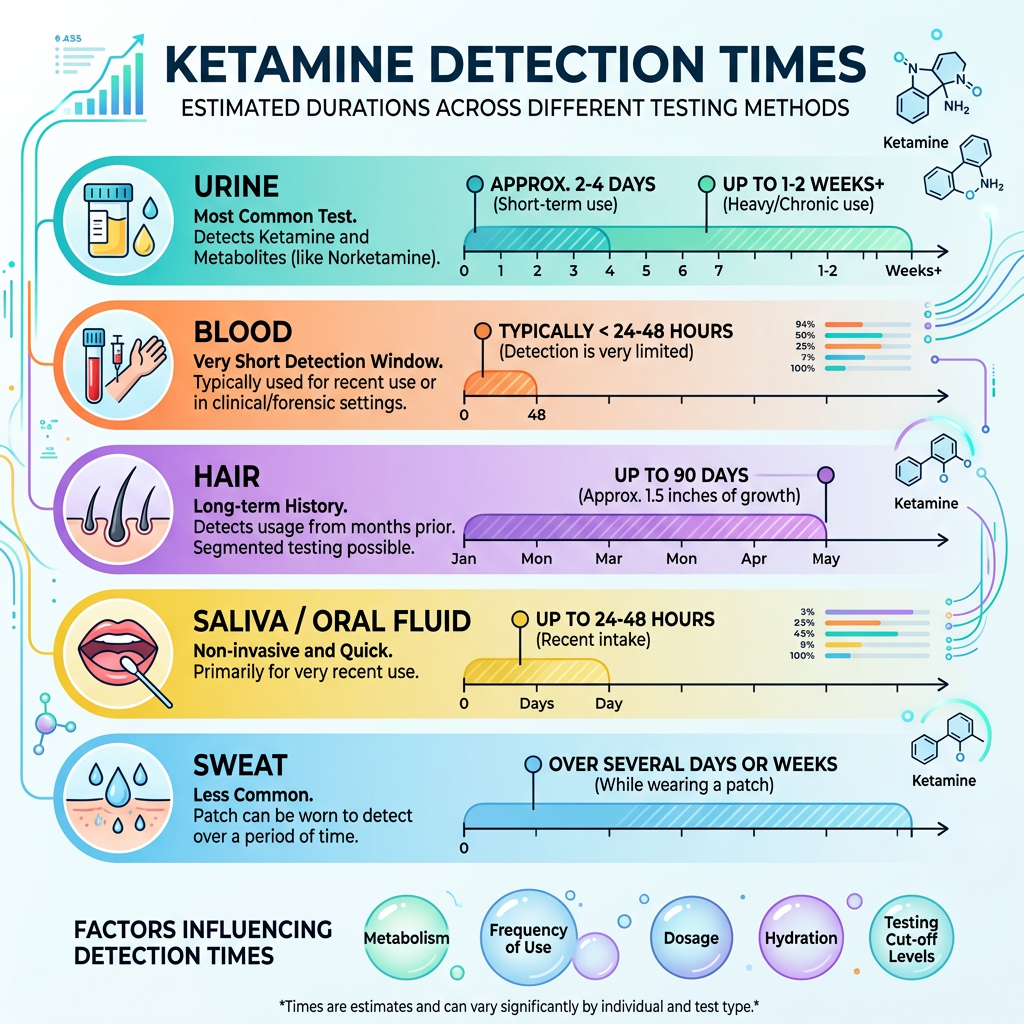
How long does Ketamine stay in your system?
How long does Ketamine stay in your system? As an experienced addictions clinician with over thirty years experience my question to that is: Why do you need to know? Is it because you are worried it will show up in a drug screen at work? Are you worried about being drug tested by the police…
Grace Kennedy
12:23 pm, July 2, 2026
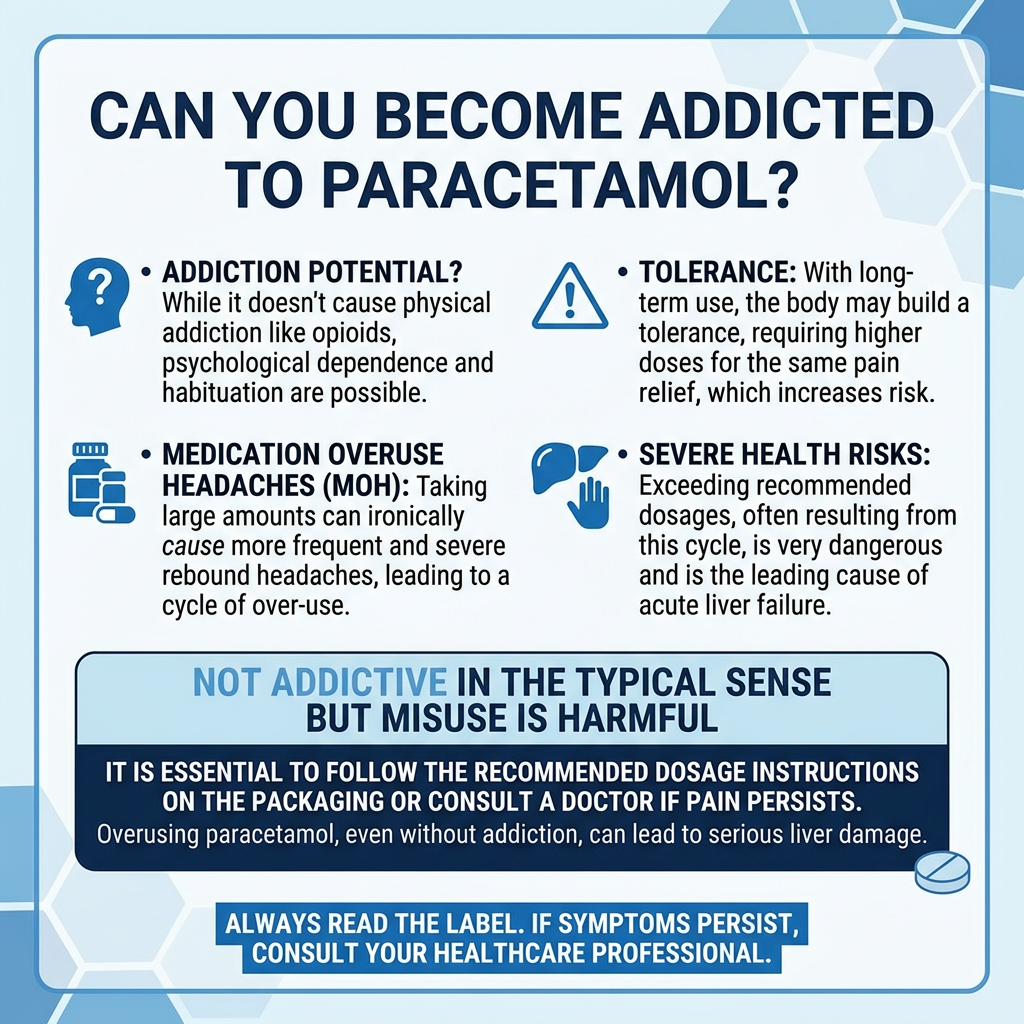
Can you become addicted to Paracetamol?
Can you become addicted to Paracetamol? No. Well not it in the same way you become addicted to heroin or alcohol as the way it affects the brain is different. That doesn't mean that some people are not addicted to taking it in the way that they take it, repeatedly. How does Paracetamol work? The…
Grace Kennedy
6:08 pm, June 26, 2026
Can you do a Methadone detox at home?
Can you do a Methadone detox at home? In theory: Yes. In practice: No. It is a nice idea that you can stay at home, take some methadone and your opioid use disorder is cured. Sadly it just doesn't work like that. In order to understand why this won't work you need to know what…
Grace Kennedy
6:49 pm, June 25, 2026