
How Medications Aid in Alcohol Detox and Recovery
October 13, 2025
7:33 pm

Table of contents
- Introduction
- Medication for withdrawal is imperative
- Knowing when you need medication for withdrawal
- Never try and treat yourself at home alone
- Vitamin B deficieny and brain damage
- Benzodiazepines are essential for alcohol withdrawal
- Avoid home alcohol treatment companies who advertise online
- Adjunctive medication during detox
- The Effectiveness of Medication-Assisted Treatment in Alcoholism Recovery
- The science of alcohol detox
- Naltrexone
- Acamprosate
- Antabuse
- Medication For Alcohol Addiction :Therapy
- Can I get these from my GP?
- Medication assisted treatment can be transformative
- Medication For Alcohol Addiction :Conclusion
- Getting help today
Introduction
Medication for Alcohol Addiction can sometimes be imperative, if you need a detox, and useful once you are sober.
Let our experienced addictions clinicians give you an overview.
Alcohol affects the brain
If you drink alcohol, consistently, for a long enough period it will alter your brain chemistry.
Alcohol sits on receptors in the brain and affect the way your brain works.
After a time, your brain becomes used to it’s presence and if you stop drinking suddenly (or cut down too quickly) you will become very ill. Very quickly.
Medication For Alcohol Addiction becomes a necessity. Trying to do it without it could be fatal.
We have the expertise to help you
Here at Find Me a Rehab, we have experienced addictions clinicians who have helped thousands of patients between them over many decades.
They have worked in private rehabs, prisons and statutory services (including home detox).
If you need a Free Rehab Referral Service or Help With Alcohol Addiction, call for free advice in total confidence.
Our clinicians have decades of experience, each in assessing, diagnosing and prescribing Medication For Alcohol Addiction.
Medication for withdrawal is imperative
Alcohol withdrawal, left untreated, can be a life threatening condition.
Sadly, people die from alcohol withdrawal.
Without Medication For Alcohol Addiction you might put yourself at extreme risk. #
Going to A+E won’t help you
People will attend A+E because they are in withdrawal only to be sent away with the advice to carry on drinking.
While alcohol is dangerous, long term, if you keep drinking it: If you are systemically dependent on it, you are at more risk if you stop without medical intervention.
Knowing when you need medication for withdrawal
If you drink alcohol, constantly, throughout a 24 hour period, find you feel unwell if you do not drink for 4-6 hours or wake up in withdrawal this is a dangerous sign. You need medical intervention.
The standardised treatment for alcohol withdrawal is a benzodiazepine.
A short acting one is used. This is to ensure you don’t become addicted to it.
How many tablets/capsules you need and for how long is dependent on your clinicians assessment.
Your age, other medications, how much you drink, etc are all vitals components of an assessment and prescribing decision.
Medication For Alcohol Addiction, if necessary, is not an optional extra but a significant medical intervention.
Never try and treat yourself at home alone
If you think you can lock yourself in your bedroom with a bucket, a roll of toilet paper and some bottled water to ride it out: Forget it.
You are putting your life at risk.
The early signs of withdrawal may be minimal (and for some they will pass on their own). You will soon encounter serious problems, including seizures and possible delirium.
These are acute medical emergencies.
Vitamin B deficieny and brain damage
Glucose is contained in alcohol.
After a time, the absorption of vitamins from food by your gastrointestinal tract will be prevented by the glucose in the alcohol.
In time, brain damage can be led to by this.
If caught early enough, it is 100% preventable, which is why alcohol withdrawal treatment is often combined with vitamin replacement treatment. Usually, this is done by injection, sometimes with a drip.
Left untreated, permanent brain damage will be experienced.
Benzodiazepines are essential for alcohol withdrawal
While other medications have been suggested as being useful for alcohol withdrawal, such as Pregabalin, insufficient evidence exists to support their use.
As such, benzodiazepines are remained the mainstay of treatment.
Unless liver damage is present or certain medications are being taken, the type of benzodiazepine prescribed is really not that important.
Go-to medications vary from clinician to clinician.
Avoid home alcohol treatment companies who advertise online
Some people wish to be treated at home.
It is possible, but only in a very limited number of cases.
Companies advertising this service should be approached with caution.
By and large, it is being done illegally.
One of our clinicians would be pleased to explain why and how it is considered a false economy. In fact, you can go to a rehab centre for a the same price as a company who will, illegally, sell you pills in the post.
Illegal home alcohol treatment companies provide sub standard care
Home detox can be an option and there are a few legitimate services.
Call and speak to one of our clinicians for free advice.
On the whole, you should avoid it. These services rarely provide medical care and no therapy or aftercare. As such, a relapse is almost certain.
Prescribing medication for alcohol addiction is not like prescribing medication for a mild rash or a low grade sore throat.
Adjunctive medication during detox
Although you can only achieve a detox with Benzodiazepines, you can discuss other medications with your addictions clinician.
You can talk to one of ours, for free, who can advise and signpost you.
These medications, while not used for detox, do have some use in reducing cravings and promoting abstinence.
However, they do not serve as a standalone treatment; instead, they complement a 12-step/SMART approach. The belief that sitting at home and taking a few pills will cure you is a fantasy.
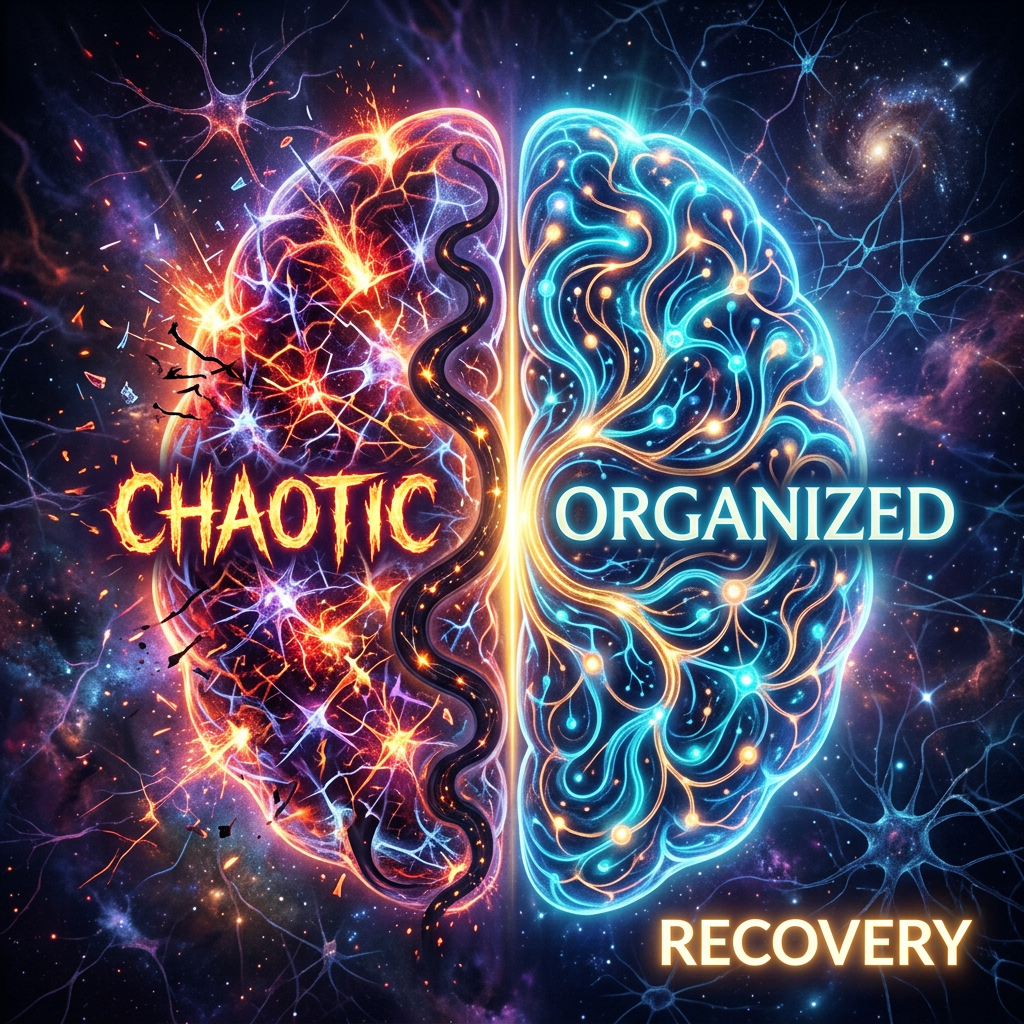
The Effectiveness of Medication-Assisted Treatment in Alcoholism Recovery
Recovery from alcohol is a a complex process of which a medicated assisted withdrawal is the first step.
There are those who do not need a detox.
Indeed, if you don’t need one taking the medication for withdrawals would be dangerous as you will be over sedated.
The science of alcohol detox
Remember: Alcohol is replaced by benzodiazepines on receptors in the brain.
This interaction is crucial for understanding how these substances affect neural pathways.
Without medication during detox your brain will malfunction
If alcohol is not present, the lack of alcohol will not be covered by the medication, and chemical channels will simply be forced open by the medication on the receptors.
This forced activation can lead to heightened effects, which is why it is important to approach treatment with caution.
Sedatives are benzodiazepines, and thus that amount will be considered dangerous, particularly in individuals who have a history of substance use disorder.
Medication runs alongside therpay and aftercare
To address the complexities of alcohol recovery, various adjunctive medications can be used. In addition to support groups and therapy.
These medications can play a vital role in alleviating withdrawal symptoms and reducing cravings. This enhances the overall recovery process.
Continuing medication after detox
Post detox, these adjunctive medications can provide crucial support during the early stages of abstinence. This helps individuals to stabilize and regain control over their lives.
If detox is not needed, this may be prescribed immediately by your clinician. This allows for a more seamless transition into a recovery plan tailored to the individual’s needs
Naltrexone
Originally used for post detox treatment in opioid dependent clients, Naltrexone has been found to be useful in alcohol treatment: The Sinclair Method.
This innovative approach works by blocking the euphoric effects of alcohol, which helps to reduce cravings and the desire to drink.
As a result, individuals using Naltrexone in conjunction with this method can gradually decrease their alcohol consumption over time.
Medication For Alcohol Addiction :Key Takeaways
- Medication for Alcohol Addiction is crucial for detox and post-sobriety treatment to prevent severe withdrawal symptoms.
- Benzodiazepines are the standard treatment for alcohol withdrawal, ensuring safety during detoxification under medical supervision.
- Individuals should avoid attempting home detox alone, as serious complications can arise without professional care.
- Complementary medications like Acamprosate and Naltrexone can help reduce cravings and support ongoing recovery efforts.
- A comprehensive approach to treatment, including therapy and support groups, enhances the effectiveness of Medication for Alcohol Addiction.
The Sinclair method
Furthermore, research has shown that when combined with behavioral therapies, the effectiveness of the Sinclair Method can be significantly enhanced, leading to improved outcomes for those struggling with alcohol dependence.
Relaxation and euphoria are caused by alcohol.
These feelings will be diminished by Naltrexone.
As such, where a detox is not required, Naltrexone can be used to diminish the pleasurable effects of alcohol. Thus, it is taken an hour before drinking.
The extinction method
The theory is that the desire to drink will be extinguished because no pleasures from it are being received.
It only works if seven days a week are consumed.
Medication For Alcohol Addiction :Nalmefene
A similar medication called Nalmefene can be used for those who do not drink daily.
One word of caution: Getting drunk will not be prevented by Naltrexone and Nalmefene, and a hangover will not be prevented either.
Acamprosate
Acamprosate is designed to stabilize the regulation of brain chemicals that are disrupted when you drink.
This is particularly important because alcohol consumption can lead to significant imbalances in neurotransmitters. These are essential for maintaining mood and cognitive function.
By addressing these imbalances, acamprosate helps to alleviate cravings for alcohol. This makes it easier for individuals to maintain sobriety.
Medication does not work in isolation
Furthermore, its effectiveness is often enhanced when combined with counseling and support, highlighting the importance of a comprehensive approach to recovery.
Ultimately, acamprosate serves as a valuable tool in the broader context of addiction treatment. It offers hope and assistance to those seeking to overcome alcohol dependence.
This is particularly important because alcohol consumption can lead to significant imbalances in neurotransmitters. These are crucial for maintaining emotional and physical well-being.
Medication For Alcohol Addiction :The science of acamprosate
The theory is that by normalising these imbalances, Acamprosate will help alleviate the emotional and physical discomfort. This is common during the initial stages of sobriety.
The side effects of Acamprosate
This discomfort can manifest as anxiety, irritability, and cravings, making it challenging for individuals to maintain their commitment to recovery.
If your emotional and physical health are restored, you can focus on your recovery with greater clarity and determination.
Ultimately, this restoration enables you to engage more fully in therapeutic activities, build supportive relationships, and develop healthier coping strategies. These are all essential for long-term success in overcoming addiction.
Antabuse
Disulfiram is a medication that produces uncomfortable physical symptoms if you drink: vomiting, headaches, and nausea.
These adverse reactions are intentionally provoked to deter individuals from consuming alcohol.
The physical effects when you drink while taking Antabuse
By creating a strong aversion to drinking, disulfiram serves as a behavioral deterrent, reinforcing the idea that alcohol consumption leads to unpleasant consequences.
This approach aims not only to discourage drinking but also to support individuals in their journey towards recovery from alcohol dependence.
Ultimately, the goal is to help patients develop a healthier relationship with alcohol, fostering long-term sobriety and improved well-being.
You must let people know you are taking Antabuse
The intention behind this is to encourage healthier lifestyle choices and to prioritize your well-being.
It is important to carry it with you. In the event of a medical emergency, healthcare staff know what might be causing your symptoms.
By having this information readily available, medical professionals can provide more effective and timely treatment. They will be aware of any potential alcohol-related complications.
Ultimately, this practice not only helps safeguard your health but also promotes responsible drinking habits.
Medication For Alcohol Addiction :Therapy
Pills, potions, and lotions alone are not going to work.
While these substances may offer temporary relief or support, true alcohol recovery is all about addressing the underlying reasons for your drinking.
It is crucial to delve into the emotional, psychological, and social factors that contribute to substance use.
Medications can be useful; they certainly have their place in the recovery process.
For example, they can effectively alleviate symptoms and provide relief for various conditions, such as anxiety or depression, which may accompany addiction.
Medication is not the totality of recovery
However, it is important to recognize that these medications are not designed to work in isolation.
They should be viewed as part of a comprehensive treatment plan that includes therapy, support groups, and lifestyle changes.
Holistic approach
By integrating these different approaches, individuals can foster a more sustainable and holistic recovery journey In fact, relying solely on medication may lead to missed opportunities for comprehensive care.
This limitation underscores the importance of integrating multiple facets of treatment to address the complexities of individual health needs.
Medication For Alcohol Addiction :Detox alone is a not a quick fix
They are not a quick fix; rather, they should be viewed as one part of a broader treatment plan that may include therapy, lifestyle changes, and supportive interventions.
Each component plays a vital role in creating a well-rounded strategy for recovery and management.
Ultimately, a holistic approach can enhance the effectiveness of medications and promote overall well-being. It acknowledges the interconnectedness of physical, emotional, and social factors in the healing process.
Can I get these from my GP?
In a word: No.
Due to complex commissioning protocols, only GPs who operate shared care addictions treatment can prescribe these medications, and this is very rare.
Antabuse has to be prescribed by a consultant to start with
This means that the majority of general practitioners are not equipped to manage such prescriptions, which limits access for those in need. In any event, Disulfiram is only prescribed by a consultant in a hospital setting to begin with.
This further underscores the stringent regulations surrounding its use, as the medication requires careful monitoring and professional oversight to ensure safety and efficacy.
Barriers to accessing Antabuse
Consequently, patients seeking Disulfiram for their treatment may face significant barriers in obtaining it. This highlights the need for more accessible treatment options within addiction services.
Community drug and alcohol services, funded through your council tax, may be able to provide them but you will need to be a client of their service.
This is free of charge, but the process can be rigorous. You can expect regular breathalyser testing, meetings and groups.
Medication assisted treatment can be transformative
Inspiring stories of recovery abound, showcasing the transformative impact of medication-assisted treatment.
Individuals who once felt trapped in the cycle of addiction have found renewed purpose and strength through MAT.
Their journeys underscore the importance of a compassionate and evidence-based approach to alcoholism treatment, one that recognizes the value of medication as a vital component of recovery.
Medication For Alcohol Addiction :Conclusion
In conclusion, the effectiveness of medication-assisted treatment in alcoholism recovery is a testament to the progress made in understanding and addressing addiction.
By combining medications with counseling and behavioral therapies, MAT offers a comprehensive and hopeful path to sobriety.
It empowers individuals to overcome the challenges of alcoholism, rebuild their lives, and contribute positively to their communities.
As we continue to advance in the field of addiction treatment, the role of medication will undoubtedly remain a cornerstone of successful recovery strategies.
Medication for alcohol addiction is a planned medical intervention.
Our experienced addictions clinicians have the knowledge and experience to advise you, without charge.
Getting help today
Here at Find Me a Rehab, we have experienced addictions clinicians who have helped thousands of patients between them over many decades in private rehabs, prisons and statutory services (including home detox).
If you need a Free Rehab Referral Service or Help With Alcohol Addiction, call for free advice in total confidence.
Medication For Alcohol Addiction :Make use of our experience
Our expert addictions clinicians have decades of experience in prescribing medications for alcohol detox and sustained recovery.
Call and speak with an addictions clinician on any aspect of addiction, detox, home treatment, therapy, relapse prevention and aftercare.
They can discuss treatment plans, treatment options, locations, logistics and costings.
We only signpost to legally registered services.
Our clinicians can discuss medication for alcohol addiction.
Need help finding the right rehab for you or a loved one? Get in touch today and take the first step toward recovery.
Speak to usRecent Posts
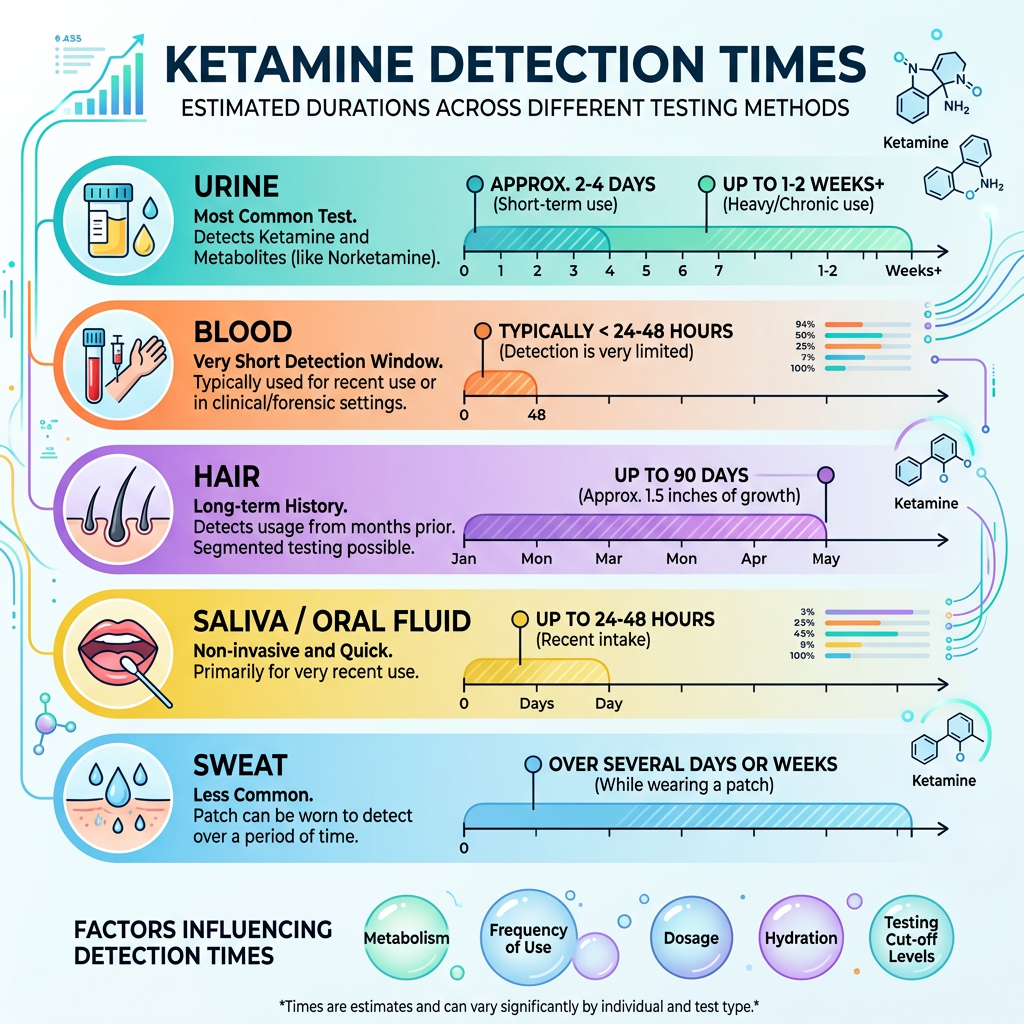
How long does Ketamine stay in your system?
How long does Ketamine stay in your system? As an experienced addictions clinician with over thirty years experience my question to that is: Why do you need to know? Is it because you are worried it will show up in a drug screen at work? Are you worried about being drug tested by the police…
Grace Kennedy
12:23 pm, July 2, 2026
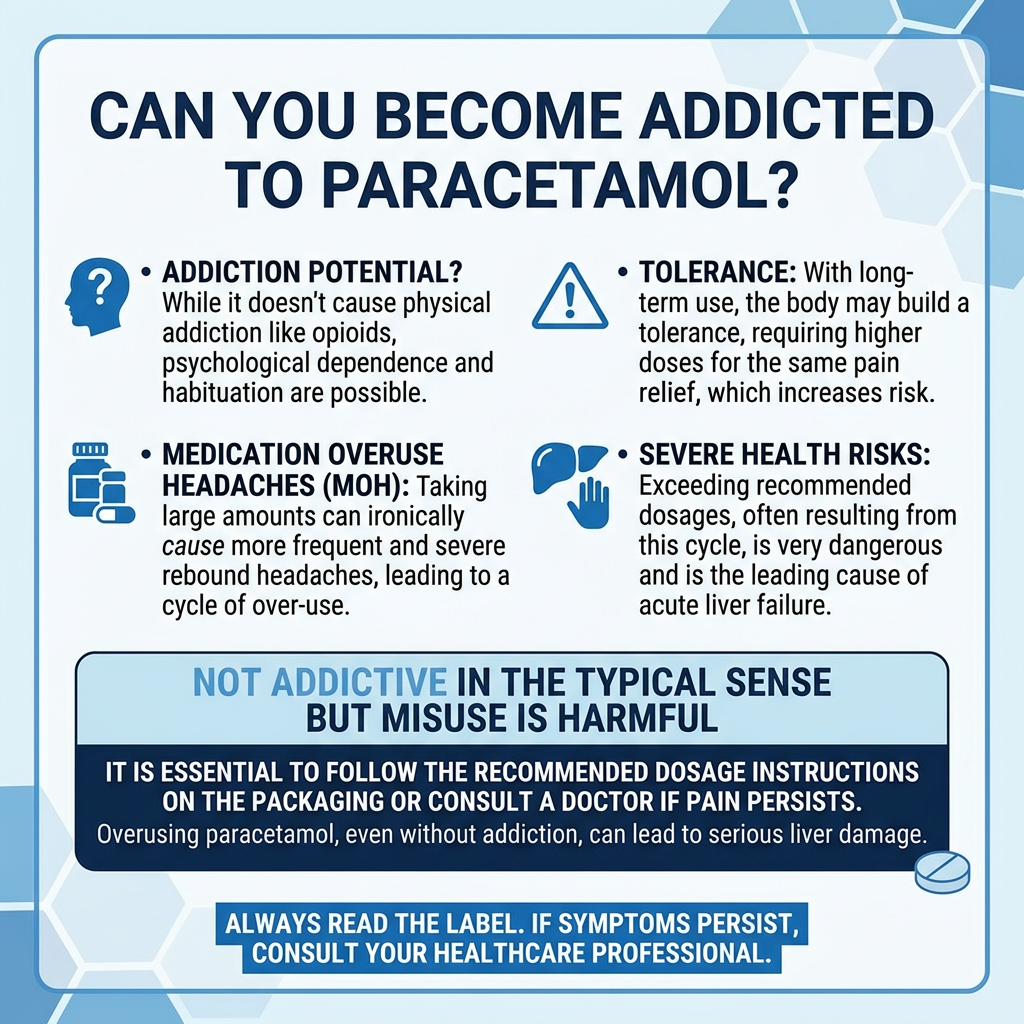
Can you become addicted to Paracetamol?
Can you become addicted to Paracetamol? No. Well not it in the same way you become addicted to heroin or alcohol as the way it affects the brain is different. That doesn't mean that some people are not addicted to taking it in the way that they take it, repeatedly. How does Paracetamol work? The…
Grace Kennedy
6:08 pm, June 26, 2026
Can you do a Methadone detox at home?
Can you do a Methadone detox at home? In theory: Yes. In practice: No. It is a nice idea that you can stay at home, take some methadone and your opioid use disorder is cured. Sadly it just doesn't work like that. In order to understand why this won't work you need to know what…
Grace Kennedy
6:49 pm, June 25, 2026