
Understanding Pregabalin Addiction and Treatment Options
April 30, 2024
3:57 pm
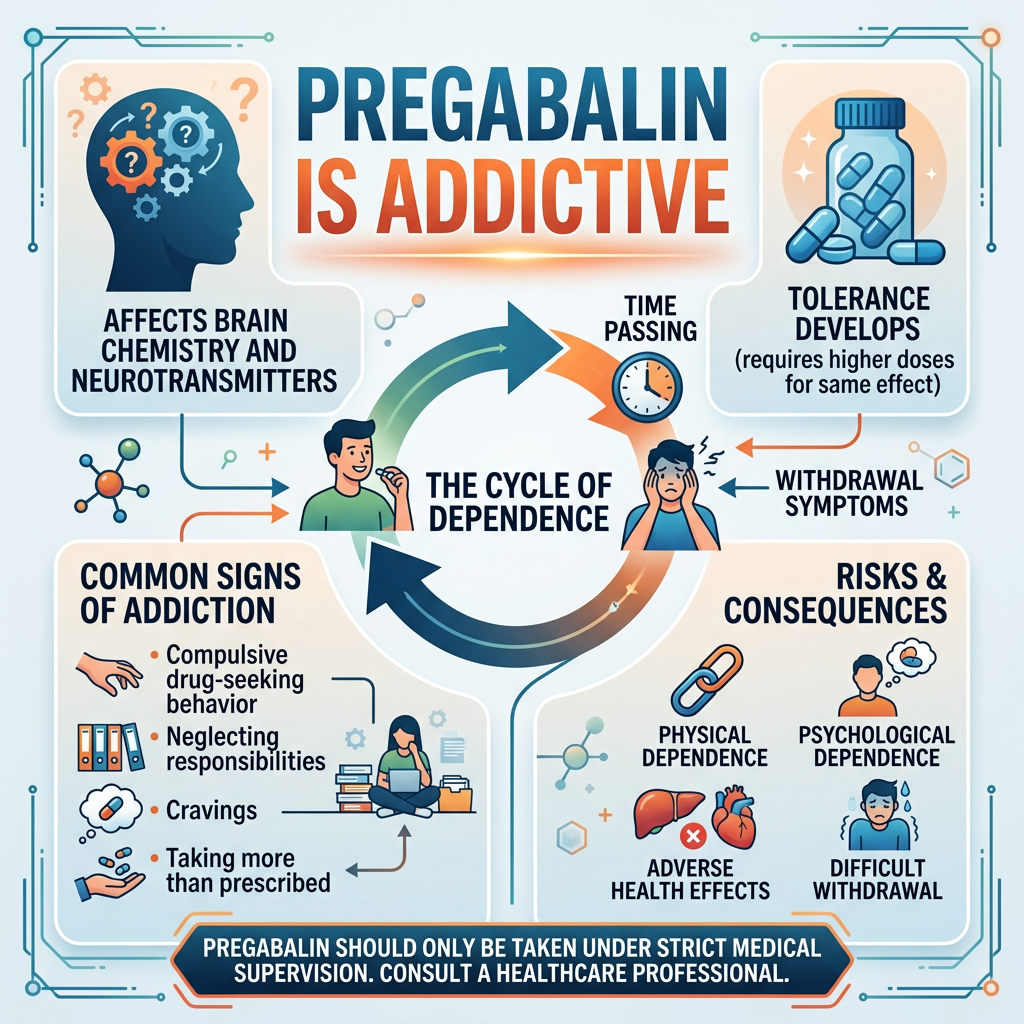
Pregabalin is Addictive: Table of contents
- Pregabalin: What is it for?
- Pregabalin is addictive: Statistics on Pregabalin prescribing
- What happens if I go “cold Turkey” on Pregabalin?
- Risk of accidental overdose
- Are there any side effects to Pregabalin
- Drug Interactions
- Why do people become addicted to Pregabalin?
- Identifying Pregabalin Abuse
- How can Find Me a Rehab help?
- Get help today when Pregabalin is addictive
Pregabalin is addictive: Fact.
As with all pharmaceutical drugs that have addictive qualities, this was not discovered until the drug was mass prescribed.
Pregabalin, absolutely, has it’s uses for chronic pain and seizure control.
However, it is not the only medication available for these conditions and human kind survived without it.
Our addictions clinicians each have over three decades of experience treating people caught up in addiction. They have helped hundreds of people addicted to pregabalin.
Here they share their knowledge and advice with you.
While Pregabalin is addictive, it can be overcome.
Pregabalin: What is it for?
The gabapentinoid drugs gabapentin and pregabalin are anti epileptic drugs that are considered as first-line treatments for the management of neuropathic pain.
Pregabalin is also approved for generalized anxiety disorders in the United Kingdom.
It is also used for:
- Bi polar affective disorder
- Complex regional pain syndrome
- ADHD
- Restless leg syndrome
- Periodic limb movement
- Sleep disorders
- Headaches
- Alcohol withdrawal treatment
- Chronic back pain
- Fibromyalgia
- Post operative pain
- Visceral pain

Pregabalin is addictive: Statistics on Pregabalin prescribing
The rate of new prescriptions is increasing and tripled in England from 2007 to 2017 Pregabalin prescriptions in England increased from 2.7 million scripts in 2013 to 7 million scripts in 2018.
Similarly, gabapentin prescriptions increased from 3.5 million scripts to about 7 million scripts.
This increase in prescription rates does not correlate with the evidence for effectiveness in clinical practice.
What happens if I go “cold Turkey” on Pregabalin?
This is seriously not advisable.
As with any addictive substance, if you suddenly stop taking it your brain, which will have adjusted to it’s presence, will not be able to make instant changes. As a result, incorrect chemical messages are sent around the body. These cause symptoms known as withdrawal.
You can experience the following:
- Trouble falling asleep or staying asleep
- Anxiety
- Tachycardia (abnormally rapid heart rate)
- Diaphoresis (sweating)
- Nausea
- Aggression
- Diarrhea
- Headaches
Risk of accidental overdose
If you stop taking Pregabalin suddenly, aside from the physical effects you will experience, your brains tolerance to the drug will drop: Fast. You will experience very significant cravings.
Should you succumb to these cravings you will take an amount you think you need to stop the withdrawals. This is when accidental overdose occurs.
Key Takeaways
- Pregabalin is addictive, with increased prescriptions and associated risks including withdrawal and accidental overdose.
- The drug treats conditions such as chronic pain, anxiety, and seizures but can lead to misuse and dependence.
- Stopping Pregabalin suddenly can cause severe withdrawal symptoms, making cold turkey not advisable.
- Side effects can vary from mild to severe, including fatigue, dizziness, and confusion; users should monitor these effects carefully.
- Professional help can be crucial for those struggling with Pregabalin addiction, with guidance available from experienced clinicians.
Are there any side effects to Pregabalin
As with nearly all prescription medication, there are known side effects.
This doesn’t mean you will experience any but it is always good to know them.
Pregabalin can cause a wide variety of side effects, some more severe than others. Some of the more mild side effects are fatigue, nausea, headaches, dry mouth, bloating, increased gas, and constipation. It can also have more unusual side effects such as:
- Dizziness
- Feeling high
- Uncontrollable shaking or twitching
- Forgetfulness
- Speech problems
- Appetite increase
The side effects of pregabalin can vary significantly from person to person, so it’s important to proceed with the drug carefully and watch for the development of any of these symptoms. There are also more extreme side effects that may occur, including the following:
- Eyesight changes
- Swelling throughout the body
- Wheezing and shortness of breath
- Muscle or chest pain
- Extreme fatigue
- Confusion
- Blue-tinted skin
If you experience any of these more serious side effects, you need to call your doctor immediately and get instructions on how to proceed.

Drug Interactions
If drugs are already being taken to treat, depression or anxiety, the effects can become intensified by the added use of pregabalin.
This, in turn, can cause a lack of judgment on the user’s part and lead to risky decision-making.
Pregabalin has also been jokingly dubbed “Budweiser” in reference to its ability to make someone feel drunk, so needless to say its combination with alcohol (which is a depressant and affects judgment) is dangerous in the same way.
Currently, pregabalin is not known to interact in any harmful way with SSRIs such as escitalopram.
However, both types of drugs can increase the risk of bleeding, so when pregabalin is prescribed, the prescribing doctor needs to know if both will be taken at the same time.
Pregabalin has been used to enhance the effects of heroin (a much more powerful drug that is often abused).
When combining these two drugs, overdose is a danger as well as experiencing a blackout.
Why do people become addicted to Pregabalin?
The most significant danger of pregabalin abuse is the development of an addiction to it. Its relaxing effects can become a crutch for users, especially those with chronic pain.
It also produces something of a gentle high, and as a result, it is easy for users to underestimate its addictive nature over time.
Psychological dependence on pregabalin is especially of concern for those with a prior history of drug abuse or addiction.
There isn’t necessarily a known component of pregabalin that is particularly responsible for its addictive effects.
The calming and relaxing feelings it provides are enough to sometimes cause users to depend on it more than they should.
Those who are in especially stressful jobs or life situations need to be especially on guard against developing a dependence on and addiction to pregabalin.
Addiction can lead to fatalities, and the number of deaths associated with pregabalin increased significantly during the early and mid-2010s. These fatalities should give one pause for thought before abusing a drug like pregabalin.
Identifying Pregabalin Abuse
One easy way to know that pregabalin is addictive is if the user does not have a prescription for it in the first place.
Because of its potential side effects and addictive qualities, it should never be taken without the oversight and direction of a prescribing doctor who can follow up and monitor its effects over time.
However, pregabalin can also be abused by those who have been prescribed this medication. To understand whether a person is abusing it, there are several questions you can ask about the situation, such as:
- The drug is no longer working but continues to be taken
- The patient routinely misses doctor appointments and follow-ups
- The patient has tried without success to ease off of dosages of the drug
- The drug is being used in tandem with another drug (especially illegal drugs and alcohol)
- Withdrawal symptoms are increasing over time
How can Find Me a Rehab help?
We are addictions clinicians.
Each of us has over three decades of experience assessing, diagnosing, prescribing for and treating people caught up in the cycle of Pregabalin addiction.
Our advice is free and confidential.
We have extensive experience of dealing with Pregabalin addiction.
Only legally registered services are signposted.
Pregabalin is addictive but can be overcome.
Get help today when Pregabalin is addictive
Call, email, live chat or whattsap an experienced addictions clinician on any aspect of pregabalin, addiction, detox, rehab, home treatment, therapy, relapse prevention and aftercare.
We can advise on treatment options, treatment plans, locations, costings, logistics and availability.
Need help finding the right rehab for you or a loved one? Get in touch today and take the first step toward recovery.
Speak to usRecent Posts
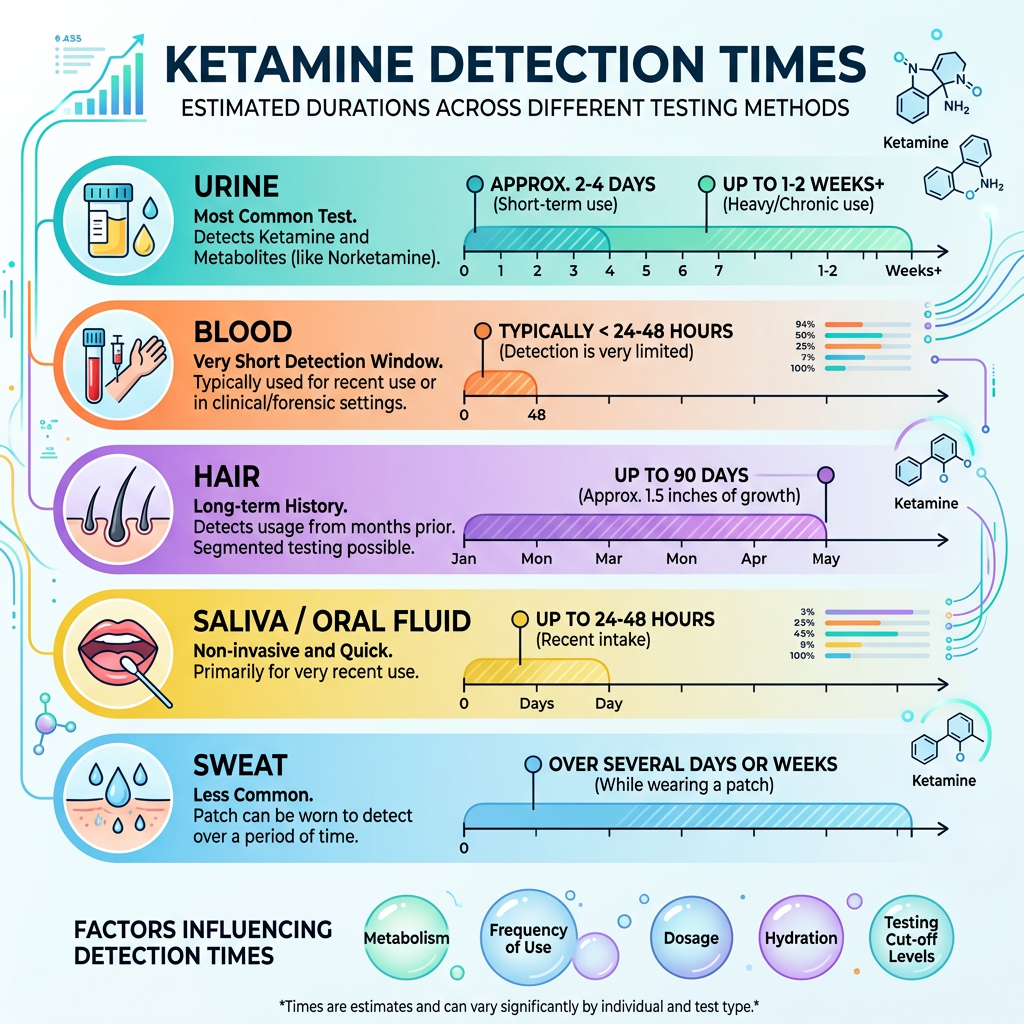
How long does Ketamine stay in your system?
How long does Ketamine stay in your system? As an experienced addictions clinician with over thirty years experience my question to that is: Why do you need to know? Is it because you are worried it will show up in a drug screen at work? Are you worried about being drug tested by the police…
Grace Kennedy
12:23 pm, July 2, 2026
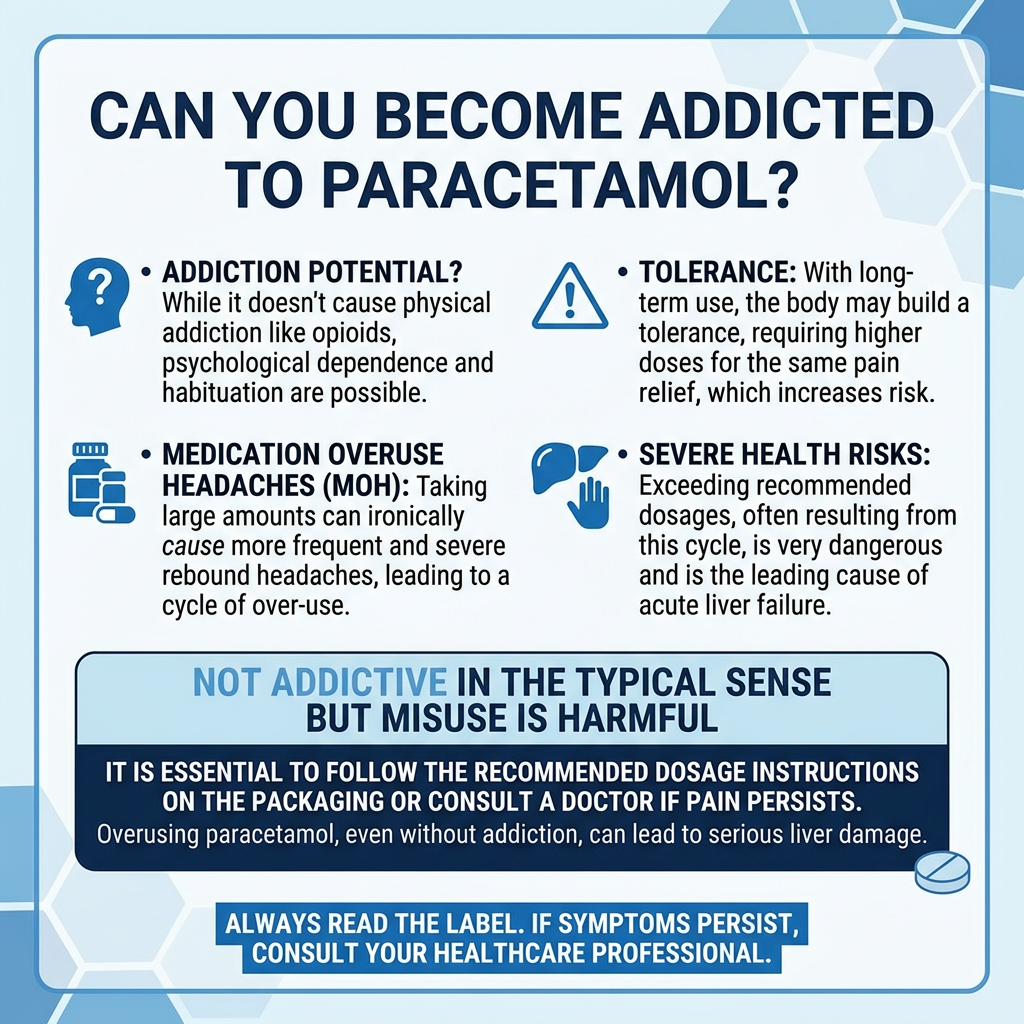
Can you become addicted to Paracetamol?
Can you become addicted to Paracetamol? No. Well not it in the same way you become addicted to heroin or alcohol as the way it affects the brain is different. That doesn't mean that some people are not addicted to taking it in the way that they take it, repeatedly. How does Paracetamol work? The…
Grace Kennedy
6:08 pm, June 26, 2026
Can you do a Methadone detox at home?
Can you do a Methadone detox at home? In theory: Yes. In practice: No. It is a nice idea that you can stay at home, take some methadone and your opioid use disorder is cured. Sadly it just doesn't work like that. In order to understand why this won't work you need to know what…
Grace Kennedy
6:49 pm, June 25, 2026