
Find Residential Rehab for Prescription Drug Addiction
July 11, 2025
6:10 am
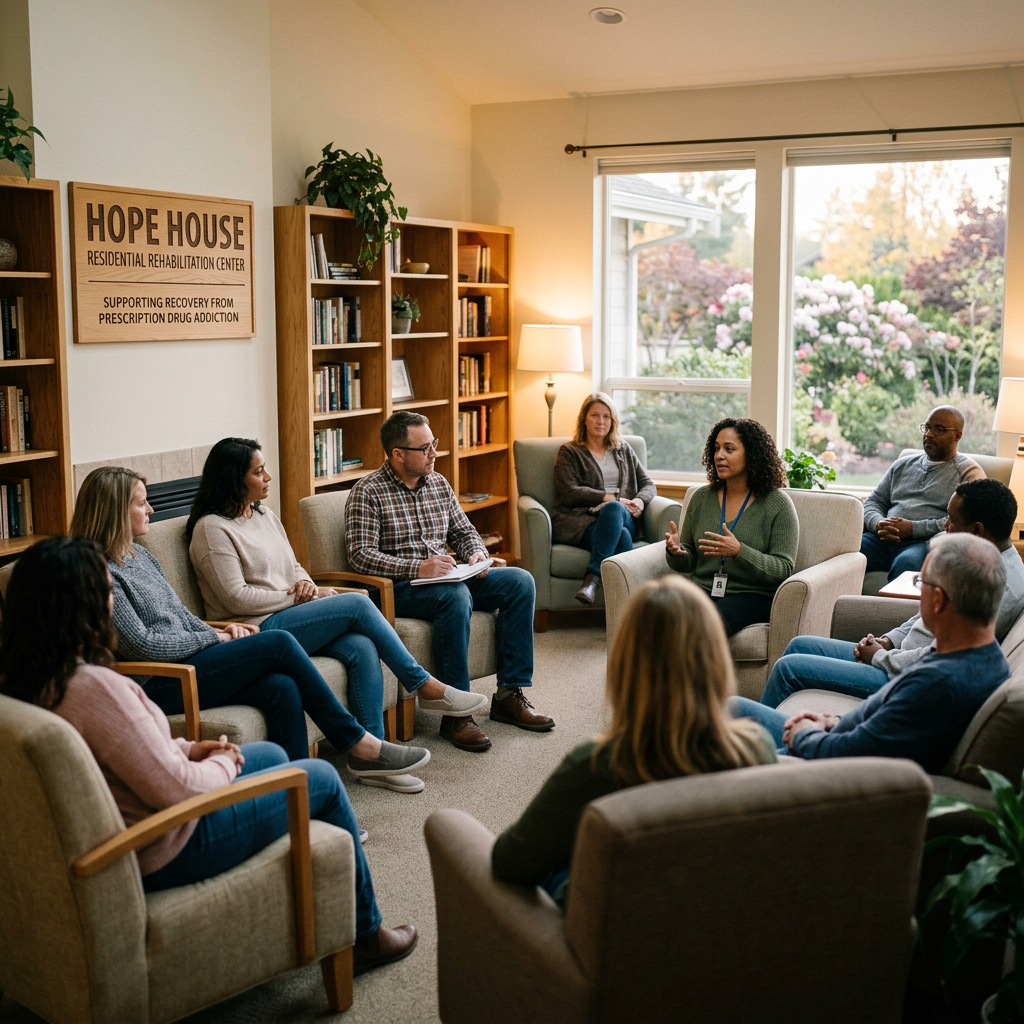
Table of contents
- Introduction
- Prescription drug addiction is not a choice
- A hidden problem
- The most common prescription drug addictions
- What are the signs and symptoms of prescription drug addiction?
- Prescription drug addiction can happen to anyone
- Treatment options
- Addiction is a symptom: Therapy is the key
- Home detox for prescription drug addiction
- How can Find Me a Rehab help?
- Getting help
Introduction
Prescription drug addiction treatment can be achieved , with the right professional help and support.
While, initially, prescribed with good intentions, certain prescription medications are commonly misused and can lead to addiction: Opioids, benzodiazepines, stimulants and gabapentinoids (pregabalin/gabapentin).
While the person taking them may not have to go to the same lengths as those who are using Heroin or Cocaine, the same physical and behavioral problems will ensue such as mood swings, social withdrawal and erratic behavior.
When the amount they are getting on prescription is not enough, they may have to start sourcing illegal supplies which poses additional problems.
Our experienced addictions clinicians have decades of experience, each, in treating people caught up in prescription drug addiction.
Let them share their experience with you.
Prescription drug addiction is not a choice
No one has medication prescribed with the intention to become dependent, but certain factors can pre-dispose addiction:
- Mental health conditions
- Genetics
- High levels of stress
- Easy access to medication
Dependence on, and addiction to, prescription drugs is a growing problem affecting millions across the world.
A bout of pack pain, for example, may lead to a short course of pain killers from the GP but can go on for years.
As GPs are now being scrutinized over opioid prescribing a reduction plan may be put in place at which point the user feels they cannot cope so start sourcing illicit supplies.
A hidden problem
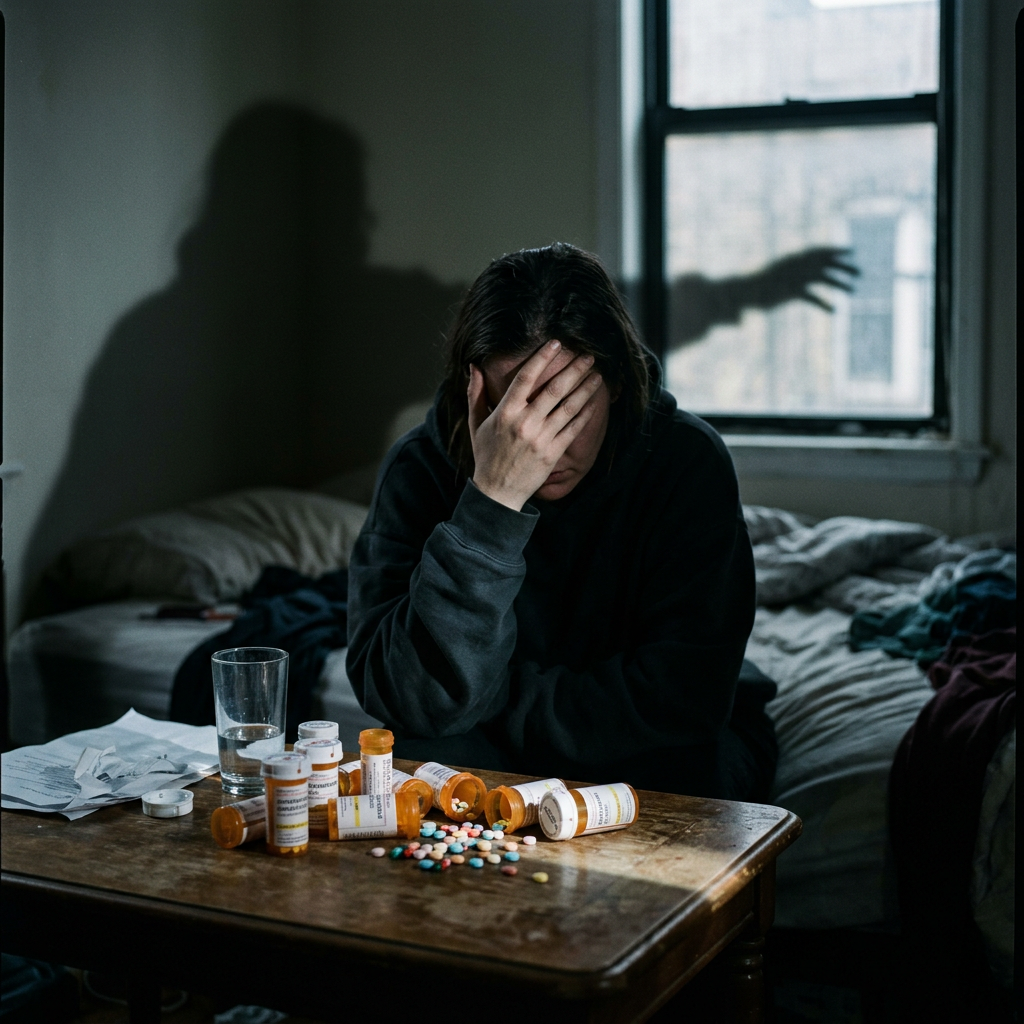
Because it is more hidden than illegal drug dependency, prescription drug addiction can be overlooked and misunderstood, which amplifies the difficulties in getting help.
The aim, when initiating a prescription, is for the doctor to alleviate the persons suffering.
Addiction was never the intention.
It is t just opioids that fall into this category, but also Benzodiazepines, Gabapentinoids and antidepressants.
Dependency on these can be as dangerous as Heroin and Crack.
Sadly, overdose and death are not uncommon.
The most common prescription drug addictions
Opioids:
Fentanyl, Morphine, Hydrocodone, Oxycodone and Opioid like agents such as Tramadol bind to opioid receptors in the brain and spinal cord.
They act by reducing pain and producing a euphoric sensation.
The difficulty becomes that these medications alter brain chemistry, and you will, eventually, need more to have the same effect as the dose you first took.
Benzodiazepines:
Introduced decades ago, as “mothers’ little helper” they are widely used to help with anxiety and panic. To a lesser degree: insomnia and seizures.
They work on the Gaba receptors in the brain and enhance the effects of naturally occurring chemicals to promote calmness and relaxation.
As with most pharmaceutical drugs that have turned out to be problematic, the addictive properties were not known when they were first introduced.
Withdrawal from Benzodiazepines needs very careful medical management.
Sudden cessation can be incredibly problematic and, indeed, fatal.
Gabapentinoids:
As with Benzodiazepines, they also work on Gaba receptors.
While it is possible to detox from Gabapentinoids in a shorter period than Benzodiazepines, such a process must be done under close medical supervision to prevent an acute medical emergency and/or fatality.
What are the signs and symptoms of prescription drug addiction?
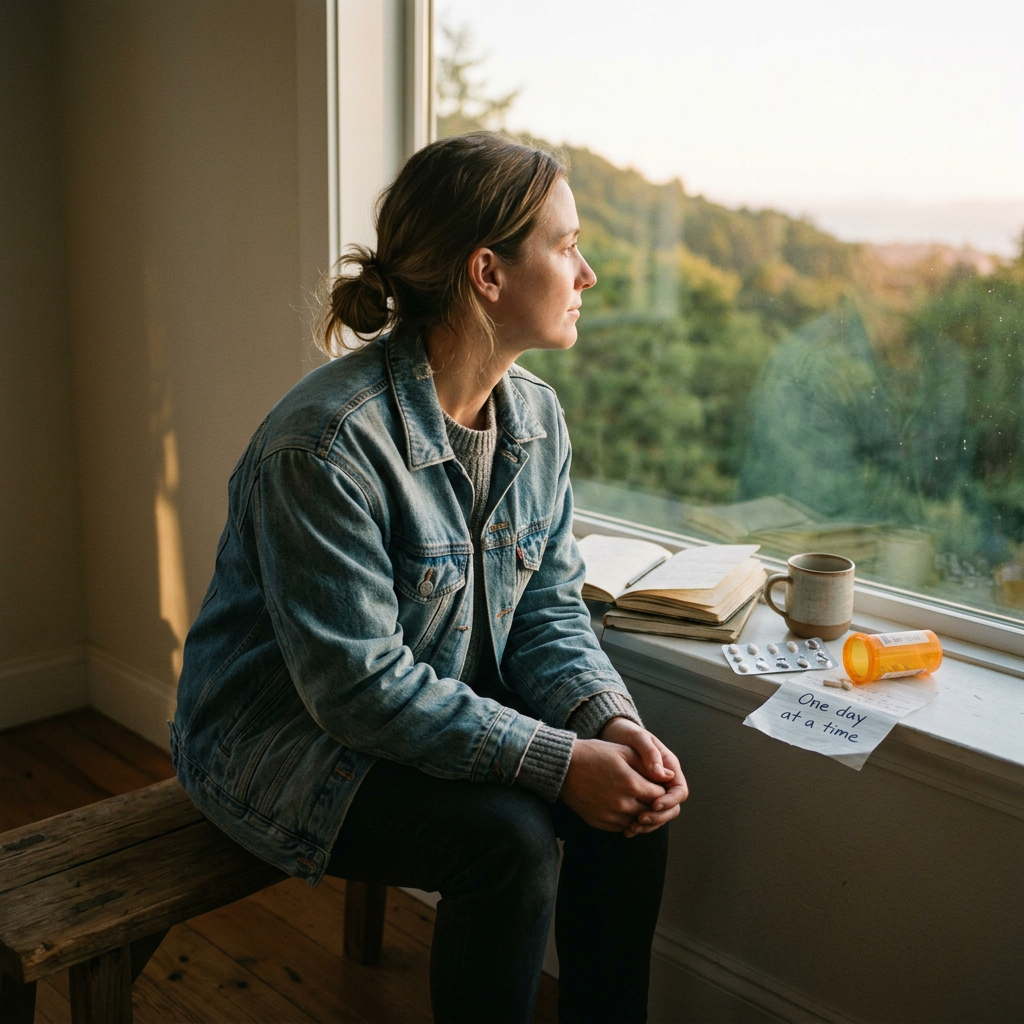
By understanding and being able to recognize the signs and symptoms of addiction to prescription medication you may be able to support someone into getting help.
Symptoms can be both physical and behavioral. Addiction can affect all aspects of someone’s life.
https://findmearehab.net/contact-support/
Key Takeaways
- Prescription Drug Addiction Treatment requires professional help; misuse of prescribed drugs can lead to serious dependency issues.
- Factors like mental health, genetics, and easy access contribute to addiction; many people unknowingly become dependent on medications.
- Commonly abused drugs include opioids, benzodiazepines, and gabapentinoids; they can cause significant physical and behavioral changes.
- Treatment options include residential rehab and therapy; home detox is often less effective due to lack of support.
- Find Me a Rehab offers free, confidential advice from experienced clinicians to help individuals seeking treatment.
Behavioral:
Changes in behavior can often be seen in a change in persons usual habits, such as:
- Poor work performance
- Giving up hobbies
- Not taking care of appearance
- Relationship difficulties
- Thinking about getting supplies of medication 24/7
- Risky behaviors such as driving under the influence of the drug
Physical symptoms:
Dependence on prescribed medication can significantly affect general health and memory as well as:
- Poor physical health: weight loss, poor personal hygiene
- Mood swings: From agitation to euphoria, depression to agitation
- Nausea, headaches, pain
- Extreme cravings for the drug
Prescription drug addiction can happen to anyone
Addiction can happen to anyone: It is a serious illness that cares not for the status, class, income, sex or race of the person experiencing it. No one sets out to be an addict but there are some risk factors which, when combined, may make people prone to addiction:
- Mental health conditions: Those with depression, anxiety, etc. are more likely, than others, to self-medicate.
- Genetics: If someone has a family member in addiction it is likely that they have similar brain chemistry which can pre-dispose them to addiction.
- History of alcohol/drug dependency: When someone is in recovery from alcohol and/or drug addiction they are more susceptible to addiction to prescription drugs.
- Exposure to addiction at home
- Psychological trauma
- Easy access to drugs (leftovers at home from family members, working in a hospital, nursing home)
Treatment options
Recovery from prescription medicine addiction needs specialist input: You simply can’t just stop taking the drug as this could leave to very serious consequences, even a fatality.
While, in essence, a treatment plan may include a reduction plan which could, technically, be done at home, this approach rarely succeeds.
Evidence based care
All the research and evidence point to residential rehab being the optimal way of springboarding to recovery and abstinence. A detox, while essential, is, in essence, only a very small part of the process.
Addiction is addiction: It matters not if the problem started with a prescription from a GP or a bag of heroin from a dealer in a dark alley at 3AM.
Addiction is a symptom: Therapy is the key
Thus, the mainstay of all addiction treatment is group therapy. Using a 12 step or SMART approach, or even an eclectic mix, those in recovery will learn new ways of thinking to overcome cravings, how to deal with temptation and understand the power addiction has over the individual.
Home detox for prescription drug addiction
Home treatment is an option, but the rates of success are minimal compared to residential treatment.
If having family and friends around you was sufficient, then you would not be reading this.
It is a nice idea that you can simply sit at home, take pills and recover, the reality is completely different.
Someone’s home can never replace the structure, professional input or support that a rehab center can provide.
Sadly, some people are very reluctant to accept that they need help.
While this is distressing for those helping them you can not coerce someone to get help.
However, there is a lot you can do to help someone understand that they need help. Our clinicians will be pleased to advise you, without charge.
How can Find Me a Rehab help?
We are experienced addictions clinicians.
Each of us has decades of experience in assessing, diagnosing and prescribing for patients struggling with addiction.
Our experience has been gained in prisons, local authority funded residential and community services as well as private hospitals and rehabs and NHS GP shared care addiction clinics.
Our advice is free and confidential.
We never charge for telephone or email advice. Treatment referrals are also provided free of charge.
Getting help
Call, email or live chat with an experienced addictions clinician on any aspect of addiction, detox, rehab, home treatment, therapy, relapse prevention and aftercare.
We can discuss treatment options, treatment plans, locations, costings and logistics.
Need help finding the right rehab for you or a loved one? Get in touch today and take the first step toward recovery.
Speak to usRecent Posts
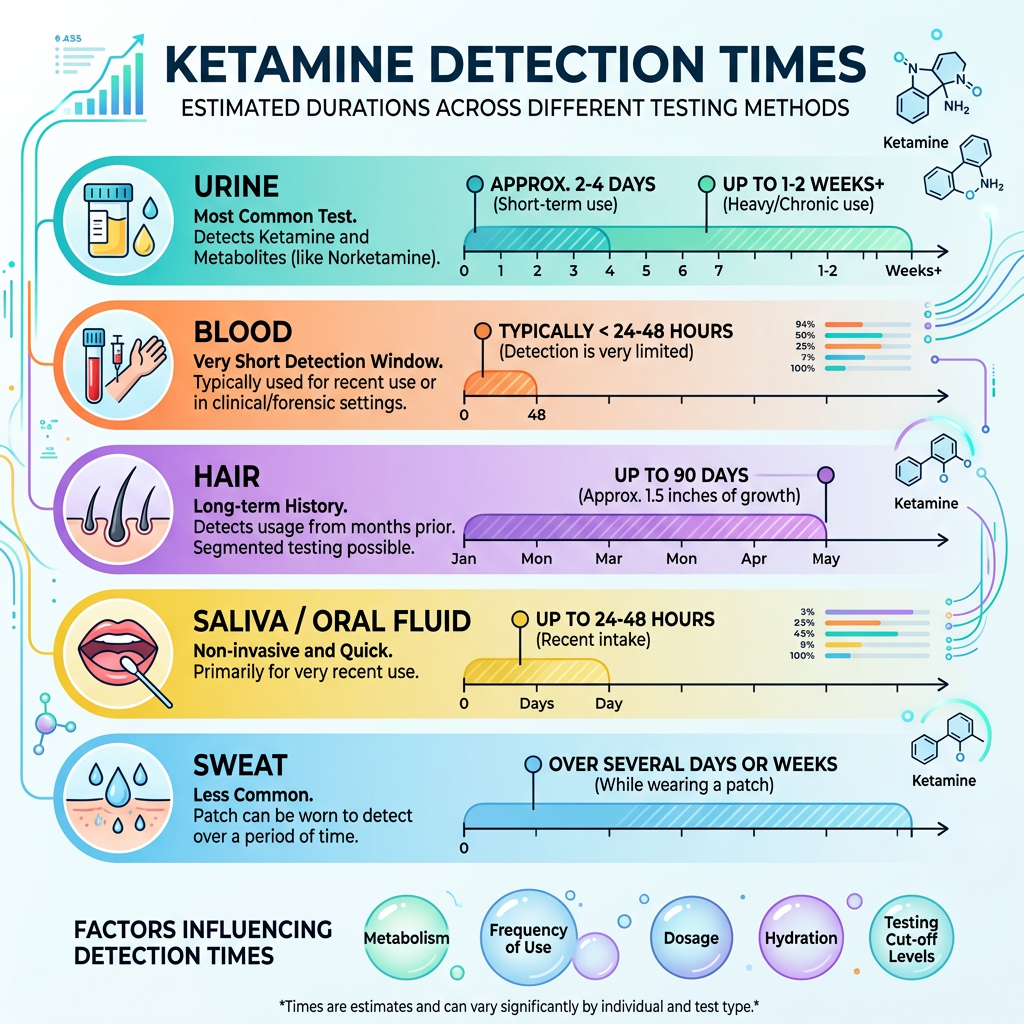
How long does Ketamine stay in your system?
How long does Ketamine stay in your system? As an experienced addictions clinician with over thirty years experience my question to that is: Why do you need to know? Is it because you are worried it will show up in a drug screen at work? Are you worried about being drug tested by the police…
Grace Kennedy
12:23 pm, July 2, 2026
Can you become addicted to Paracetamol?
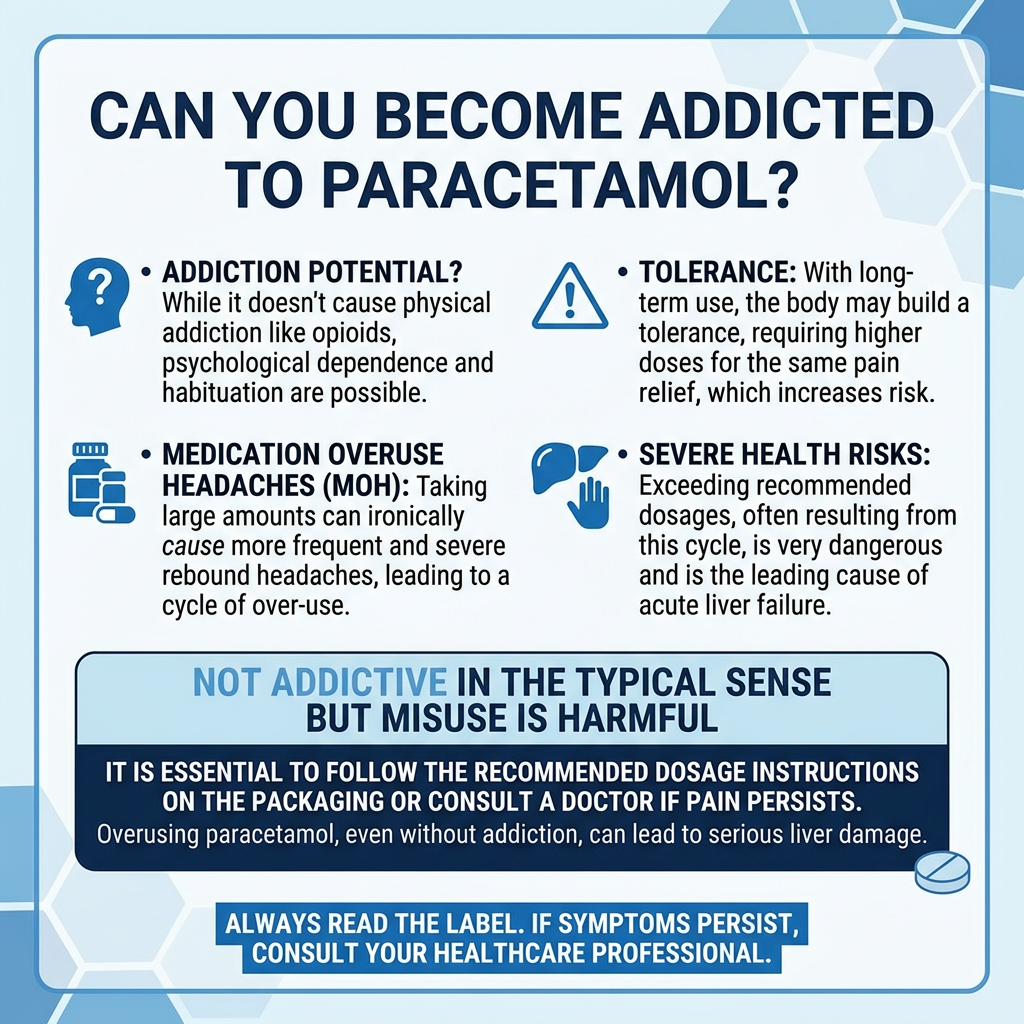
Can you become addicted to Paracetamol? No. Well not it in the same way you become addicted to heroin or alcohol as the way it affects the brain is different. That doesn't mean that some people are not addicted to taking it in the way that they take it, repeatedly. How does Paracetamol work? The…
Grace Kennedy
6:08 pm, June 26, 2026
Can you do a Methadone detox at home?
Can you do a Methadone detox at home? In theory: Yes. In practice: No. It is a nice idea that you can stay at home, take some methadone and your opioid use disorder is cured. Sadly it just doesn't work like that. In order to understand why this won't work you need to know what…
Grace Kennedy
6:49 pm, June 25, 2026