
Understanding Detox: Why Rehab is Essential
January 17, 2026
1:03 pm

Table of contents
- Introduction
- How Does Detox and Rehab Go Together?
- How Long Will This Take?
- What About Rapid Detox?
- Why Do I Need Therapy?
- I Only Want a Detox!
- Group Therapy: The Cornerstone of Rehab
- Individual Therapy Sessions
- Relapse Prevention
- Aftercare
- Free Advice and Referrals From An Experienced Addictions Clinician
- Getting help
Introduction
How long does rehab take? That depends on several factors, most importantly the substance you are dependent on.
Rehab and detox run hand in hand. A detox, on it’s own quickly fails and it is very difficult to find a centre that will do this.
There are some very high end bespoke centres that offer this but the cost can be incredibly cost prohibitive.
In any event: Why do it? A detox without therapy, relapse prevention skills training and aftercare is a one way ticket to relapse.
Let our experienced addictions clinicians share there experience with you.
How Does Detox and Rehab Go Together?
Your brain will not respond to therapy while you are using drugs or alcohol.
While a detox may take one or two weeks (or much longer, depending on what it is you were addicted to), within a day or two of stopping your brain will be responsive to therapy.
Some people, when they enter rehab, will need a day or two before they are able to join in with therapy due to their poor physical state. This is very common.
The early stages of withdrawal, even with medication, can be rough. However, as soon as someone is able to join the therapy they will be welcomed into the group.

How Long Will This Take?
That depends on what you are addicted to.
An alcohol detox can take two weeks, or sometimes less. Heroin can take a month or more.
You could go somewhere for a month, sit in groups, smile and nod and make no progress. Alternatively, you might be in rehab for a fortnight work your backside off and stay abstinent for life. It isn’t ,necessarily, about the time you spend in rehab but all about the work you put in.
What About Rapid Detox?
No.
This is extremely dangerous and wholly counter productive.
If you rush a detox you put yourself at extreme risk of accidental overdose.
Why rapid detox is never a good idea
Because when you take drugs/drink alcohol your brain becomes used to the presence and alters the way it works. In time, your brain develops a phenomenon known as tolerance. This means you need more and more to have the same effect as when you first started using.
Rapid detox is dangerous
A rapid detox means you will leave rehab with significant cravings.
When you succumb to the cravings you will take an amount you think you will need to settle yourself. This is when accidental overdose occurs.
Nothing to do with a lack of willpower but everything to do with science.
Key Takeaways
- The duration of rehab varies based on substance dependence and individual effort rather than just time spent.
- Detox alone can lead to relapse; therapy and aftercare are crucial for long-term recovery success.
- Rapid detox is extremely dangerous and raises the risk of overdose due to cravings and tolerance.
- Group therapy is essential in rehab, fostering a supportive environment regardless of background or identity.
- Aftercare is vital, providing ongoing support and resources for at least a year post-treatment.
Why Do I Need Therapy?
Addiction is not a choice.
No one wakes up one day and decides to be an addict.
People use drugs and alcohol to escape from reality that is too difficult to cope with.
It could be unresolved childhood trauma, anxiety, low mood, marital problems. Whatever the reason, the therapy in rehab will help you address problems, work through them, and help you find a new focus.
I Only Want a Detox!
A detox alone can actually make the problem worse.
When you drink and take drugs painful and difficult thoughts are blotted out.
The pain is numbed. When you stop drinking and taking drugs those thoughts are brought to the fore.
Thus a detox, without therapy, can put you at risk. Why? Because the thoughts you suppressed are now very real and you won’t have the space or expert therapist to help you process them. Also, you will not explore the reasons you started using in the first place.
This puts you at risk of rapid relapse.
Group Therapy: The Cornerstone of Rehab
Group therapy works.
It has been used within addiction treatment for nearly one hundred years.
Though there is now more than one model being used, the premise remains the same. A group, led by an experienced and qualified addictions therapist, work together to achieve recovery.
You will be made to feel welcome. It matters not if you are an engineer, a university professor, a van driver or a cleaner.
Diversity
Addiction does not discriminate. Gay, straight, black, white, woman, man, wheelchair user, Muslim, Hindu, Jewish: Makes no difference. In rehab everyone is welcome.
Therapy groups will be challenging. There will be laughter, tears and periods of quiet.
Depending on the model used (12 step/SMART/eclectic) there will be milestones reached along the way.
Individual Therapy Sessions
Nearly all centres offer a weekly individual session of therapy to augment the group process.
Individual sessions are very tiring. To have more than one a week would be counter productive.
In rehab, individual sessions are a good place to role play how you will cope with stressful situations when you go home.
How to politely decline a drink at a party.
Strategies on how to walk past the drinks aisle in a supermarket and how to walk past an off licence without walking in.
When you leave rehab it is usually possible to continue therapy with the same therapist from rehab.
Relapse Prevention
Relapse happens: FACT.
It doesn’t happen to everyone, but if it does you will be in a much better position to ride the storm because of the skills you learn in rehab.
A relapse is not failure.
Addiction is a chronic illness. People with diabetes and asthma relapse, so it is natural that people with addiction will, too.
If you apply the skills you learn in rehab you are forearmed.
Relapse doesn’t have to be catastrophic. It can be a useful learning opportunity.
As Churchill said: “Never miss the opportunity of a crisis”.

Aftercare
The final link in the chain and not to be overlooked.
Aftercare is something every centre offers, for a minimum of a year, post treatment.
Usually, this is in the form of a weekly support group as well as telephone check in.
If you find yourself struggling, there will be a dedicated number to call for immediate support.
Free Advice and Referrals From An Experienced Addictions Clinician
As experienced clinicians we are able to give you the right advice.
Daily, we help people caught up in addiction.
Our advice is free and confidential.
It matters not to us where you go for help, only that it is appropriate for you.
If you need a referral for a rehab centre, we do not charge for this.
We only signpost to legally registered centres and are registered with the Information Commissioner’s Office.
Call and speak to an experienced addictions clinician: Now.
Our advice is free, confidential and available to all.
Getting help
Call, email or live chat with one of our experienced addictions clinicians on any aspect of addiction, detox, rehab, home treatment, therapy, relapse prevention and aftercare.
Our clinicians can discuss treatment options, treatment plans, locations, costings and logistics.
Need help finding the right rehab for you or a loved one? Get in touch today and take the first step toward recovery.
Speak to usRecent Posts
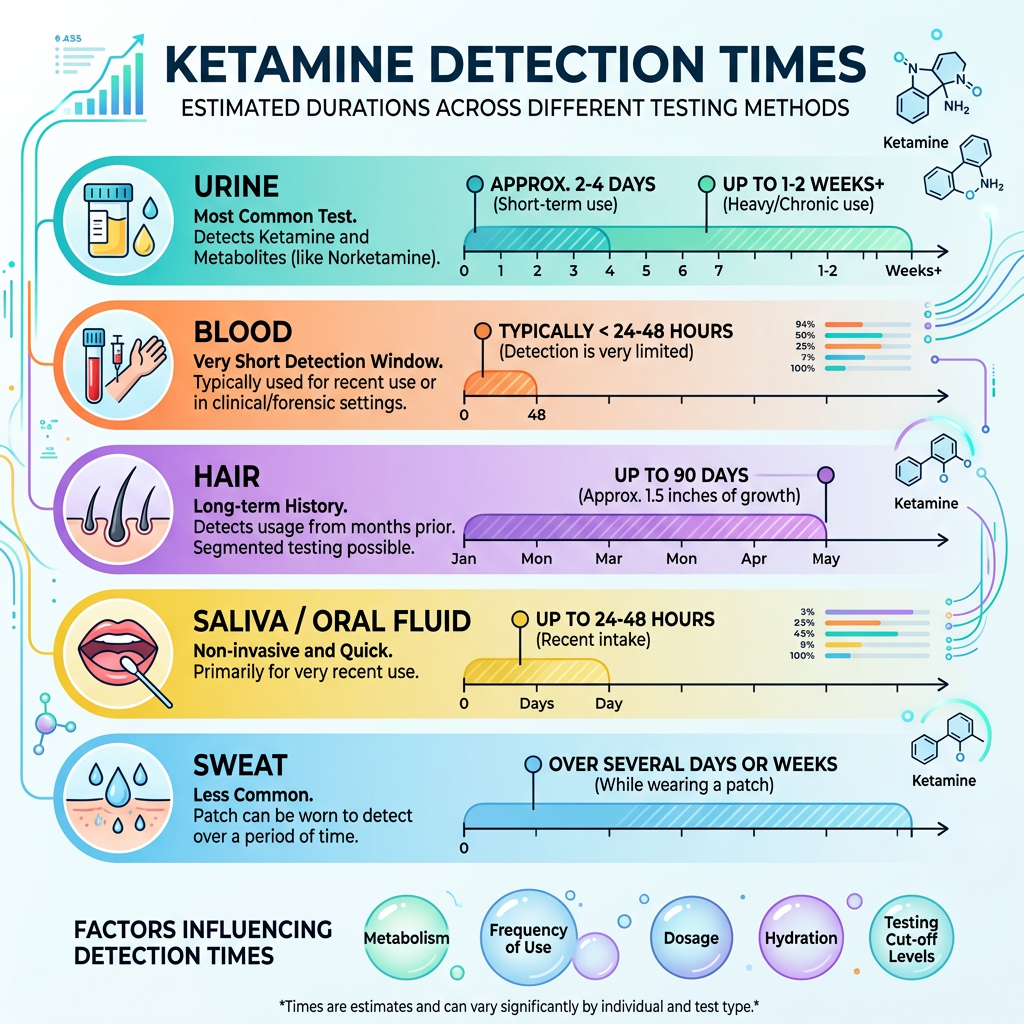
How long does Ketamine stay in your system?
How long does Ketamine stay in your system? As an experienced addictions clinician with over thirty years experience my question to that is: Why do you need to know? Is it because you are worried it will show up in a drug screen at work? Are you worried about being drug tested by the police…
Grace Kennedy
12:23 pm, July 2, 2026
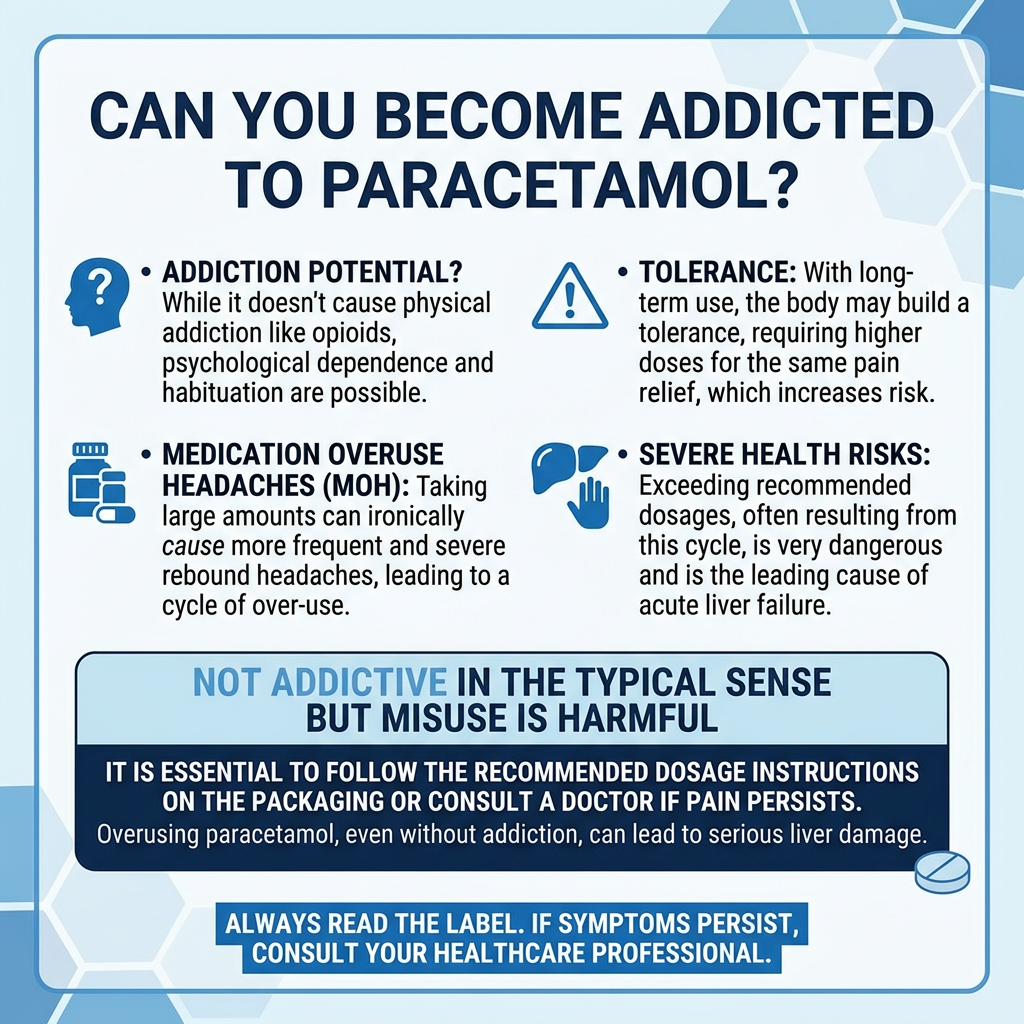
Can you become addicted to Paracetamol?
Can you become addicted to Paracetamol? No. Well not it in the same way you become addicted to heroin or alcohol as the way it affects the brain is different. That doesn't mean that some people are not addicted to taking it in the way that they take it, repeatedly. How does Paracetamol work? The…
Grace Kennedy
6:08 pm, June 26, 2026
Can you do a Methadone detox at home?
Can you do a Methadone detox at home? In theory: Yes. In practice: No. It is a nice idea that you can stay at home, take some methadone and your opioid use disorder is cured. Sadly it just doesn't work like that. In order to understand why this won't work you need to know what…
Grace Kennedy
6:49 pm, June 25, 2026