
Home Detox Or residential rehab : Which is right for you?
June 24, 2025
6:21 pm

Table of contents
- Introduction
- Why do I need a detox?
- A detox is a significant medical intervention
- Detoxing at home
- Is it a lower cost option to detox at home?
- Confidentiality
- Medical supervision
- Is home detox legal?
- Why is a rehab centre a better option?
- Home Detox or residential rehab: How can Find Me a Rehab help?
- Getting help today
Introduction
Home detox or residential rehab? It is an age old question when considering getting treatment for addiction.
Residential Rehab is always the preferable option but there are those who can benefit from a home detox though there are rigorous exclusion criteria which are there for your safety.
Not everyone needs a detox, but for those who do, it is essential and without it recovery cannot happen.
Our experienced addictions clinicians have decades of experience delivering alcohol detox’s both in residential settings and in the home.
Here they share their experience and knowledge with you.
Why do I need a detox?
If you look at recovery as building a house, a detox is the solid foundation on which everything else is built upon.
Without a firm foundation, the house is at risk of collapsing. For someone in active addiction: No detox means no recovery.
While the perception is that detox cleanses the body, the truth is that it is about stabilizing the receptors in the brain.
It is true that the body needs time to recover from addiction, but drugs and alcohol alter brain chemistry and, with some drugs and always with alcohol, altered brain chemistry can be extremely dangerous.
For some, especially those dependent on alcohol, sudden cessation can be incredibly dangerous, sometimes fatal.
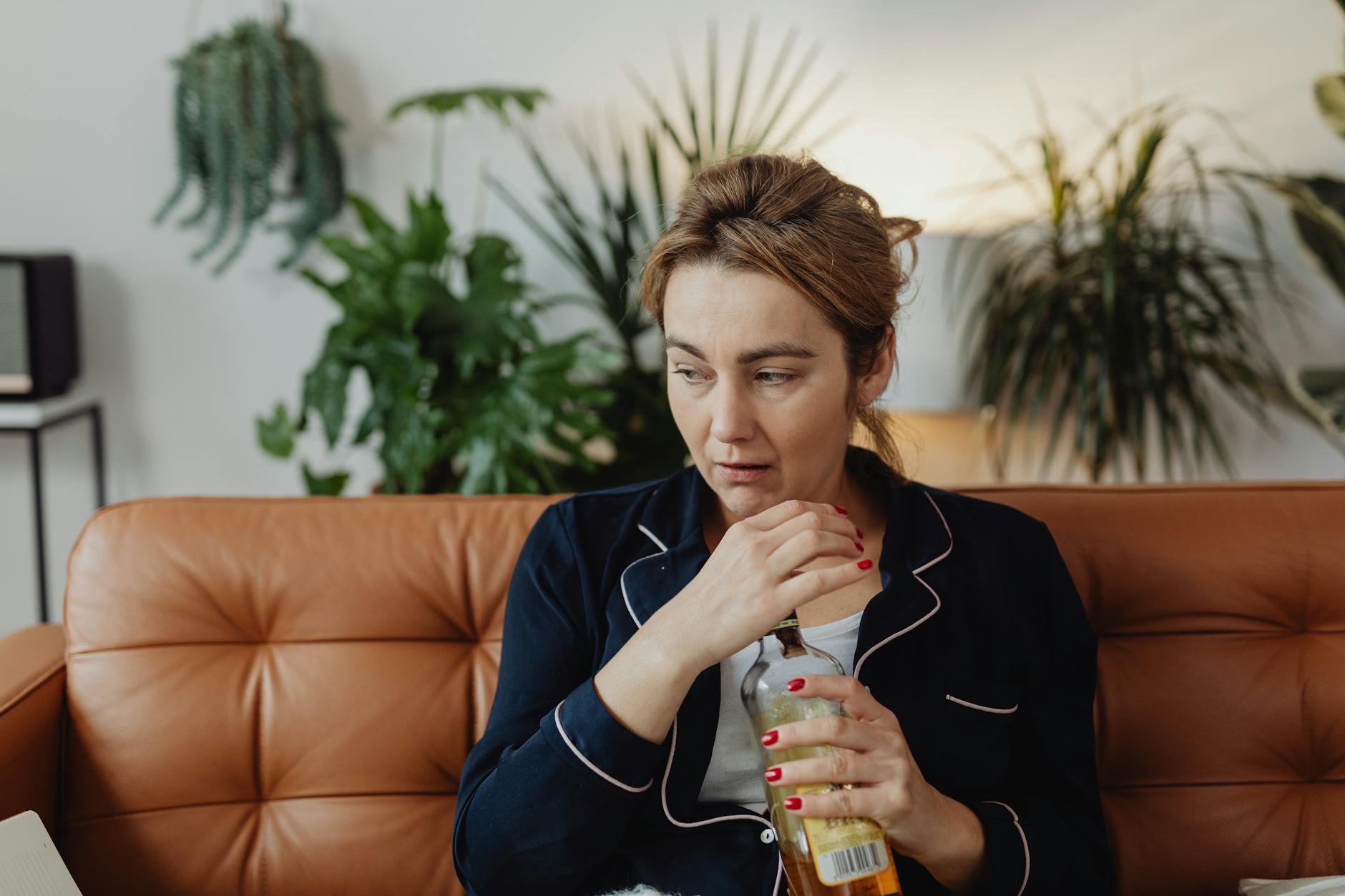
A detox is a significant medical intervention
Alcohol and drugs radically affect brain chemistry and suddenly stopping what you are taking, or reducing too quickly can have devastating effects.
It is not unknown for someone who is heavily alcohol dependent to experience signs of withdrawal in less than six hours after stopping drinking.
While mild symptoms can be dry retching and a mild tremor, extreme withdrawal can lead to seizures, coma and death.
While Hollywood may glamourize heroin withdrawal by locking someone in a room with some toilet roll, a bucket and a bottle of water, the truth is that opioid (heroin) withdrawal can also be fatal.
This means that some people, in active addiction, need to keep taking the substance they are dependent on to sustain their daily commitments.
The problem is that they will need to take increasing amounts to have the effect as the amounts they started with when they became addicted.
Detoxing at home
Simply sitting at home, surrounded by people you know, in an environment you are familiar with while taking detox medication sounds idyllic but there is much to consider.
Who is eligible?
There are strict clinical criteria set by the National Institute of Care Health Excellence (who set the standards for Healthcare in the UK) as to when home detox is permissible.
In short, when it comes to alcohol, someone who has had a recent detox, has physical signs of liver disease and/or a history of seizures is not going to be viable for home treatment.
Some prescribed medications can also be an exclusionary factor.
Is it a lower cost option to detox at home?
Not necessarily!
Some rehab centres offer short term admissions where the cost for a week (including detox medication, medical supervision, etc.) is the same price as a home detox.
Confidentiality
For those who have treatment at home, no one needs to know what is going on. While we always encourage someone to have their GP involved/informed we understand why, for some, they would rather not do this.
A rehab center would never inform someone’s GP unless there was an extreme emergency, and they had a duty of care.
While rehab centres may ask for a medical summary, this is available, for free, from your GP without question: They don’t need to know what it is for.
Medical supervision
All rehab centres are regulated by the Care Quality Commission and professional staff (doctors, nurses, psychologists) are regulated by their professional bodies.
Treatment at home can often mean “pills in the post” and phone calls from untrained staff.
In the incredibly unlikely event that you had cause to complain about a rehab centre and a member of staff; there are avenues to do so.
With home treatment, companies operate virtually on websites, from anywhere in the world.
Is home detox legal?
Yes and no. It is a little complicated!
While some nurses and allied healthcare professionals are now trained and licensed to prescribe medication, within the realms of home treatment for addiction it is not so straightforward.
In short, only a medical doctor can prescribe detox medication for use at home.
They can do this without Care Quality Commission (CQC) registration if they work in the field of addictions as a “day job” and are a GP, with special interest (on the medical register) or a addictions specialist doctor.
The doctor must have the relevant entry on the General Medical Council (GMC) specialist register.
This exemption only applies if the doctor provides the assessment, takes payment, supplies the prescription and manages the detox.
Sadly, a lot of home detox companies operate illegally.
They use allied healthcare professionals to write prescriptions and/or pay a doctor to so they can use their name for a website (sometimes without the doctor’s knowledge!)
Home Detox Or residential rehab:Key Takeaways
- Choosing between home detox or residential rehab depends on individual needs and circumstances.
- Detox serves as a vital first step in addiction recovery, stabilizing brain chemistry after substance abuse.
- Home detox may seem appealing, but it carries risks such as inadequate medical supervision and potential relapse.
- Residential rehab offers structured support, 24/7 medical care, and aftercare, making it a safer option for many.
- Professionals caution against home detox being viewed as a lower-cost alternative, given the potential dangers associated with it.
Medical supervision
Detox is, sometimes, not a straightforward process and medication regimes often need to be adjusted. With home treatment this becomes very problematic, especially if medication is sent in the post.
In a rehab center qualified doctors and nurses monitor withdrawals and adjust treatment plans making treatment in a rehab center much safer.
Relapse prevention
It is no secret that the vast majority of those who detox at home relapse before the end of the process, or very shortly afterwards.
Why?
Because if someone develops cravings the support of professional therapists and support staff isn’t available.
The cravings will, most likely, take over and with medication still in your system, a relapse becomes exceptionally dangerous.
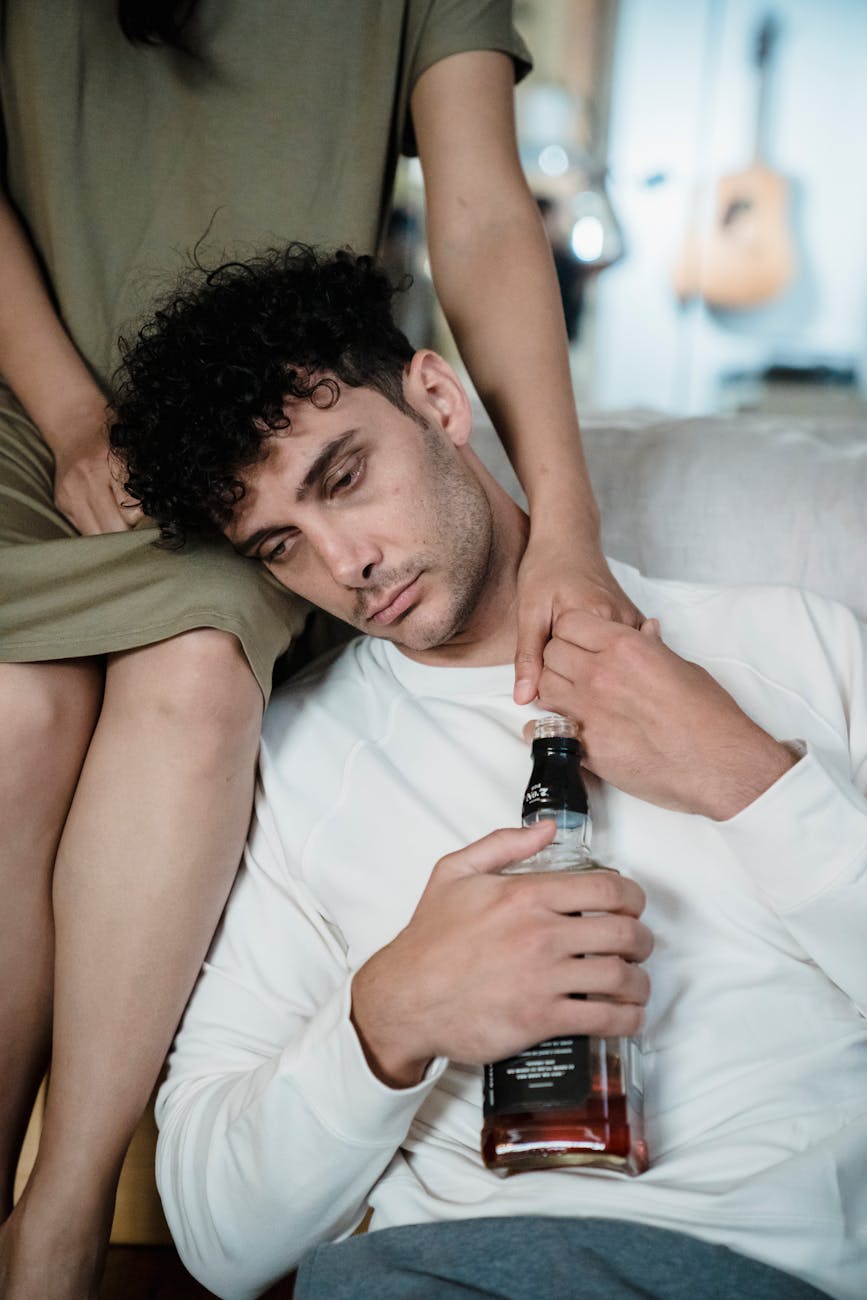
Support from others
Family and friends mean well, of course they do.
The difficulty is that addiction is a serious illness. After all, you would not try and treat a burst appendix at home, so why try and treat addiction in your front room?
In a rehab center there are qualified and experienced staff on hand, 24 hours a day.
Most of the support staff are in recovery themselves so have added insight into your fears and hopes.
When making the decision between Home Detox Or residential rehab this is a really important consideration.
Why is a rehab centre a better option?
There are so many reasons as to why it is always preferable to go into rehab, here are a few:
- Cost: Treatment at home can be the same cost as “pills in the post” but with the added benefit of 24-hour staffing, medical supervision, therapy and aftercare.
- Safety: Managing withdrawals requires professional medical staff and experience. Two calls a day from an untrained person, working from a laptop anywhere in the world, can put you at very significant risk. Depending on the circumstances, clients in rehab are checked up on at regular intervals (especially to begin with), if you don’t answer the phone because you are experiencing a medical emergency your web-based detox service won’t be aware or responsible.
- Relapse prevention: Rehab is an immersive experience with groups and support. There are staff, on duty, 24/7. With a web-based detox company the person you are speaking too is a salesperson and not clinically trained or responsible.
- Aftercare: One of the most crucial elements of treatment is aftercare. Without this, relapse is far more likely. All rehab centres provide this, for a minimum of 12 months. A web-based service does not.
- Accountability: A web-based service is not registered with the CQC, and it is highly likely that the service is illegal. With a rehab Centre, you can check with the CQC, and, in the very unlikely event of an issue, you have recourse to them, as well as the professional body the staff members are regulated by. Trying to complain to a website is, well, impossible.
Home Detox or residential rehab: How can Find Me a Rehab help?
We are experienced addictions clinicians each with over thirty years of assessing, diagnosing, prescribing for and treating people undergoing alcohol detox: At home and in residential treatment settings.
Anyone can call, email or live chat for free and confidential advice on alcohol detox.
We only signpost to legally registered centers and treatment providers.
Getting help today
Call, email or live chat with an experienced addictions clinician to discuss any aspect of addiction, detox, home treatment, rehab, therapy, relapse prevention and aftercare.
They can talk you through treatment plans, treatment options, locations, costings and logistics.
Making the choice between Home Detox or residential rehab needs to be an informed one.
Our free advice service is here to help you make that choice.
Need help finding the right rehab for you or a loved one? Get in touch today and take the first step toward recovery.
Speak to usRecent Posts
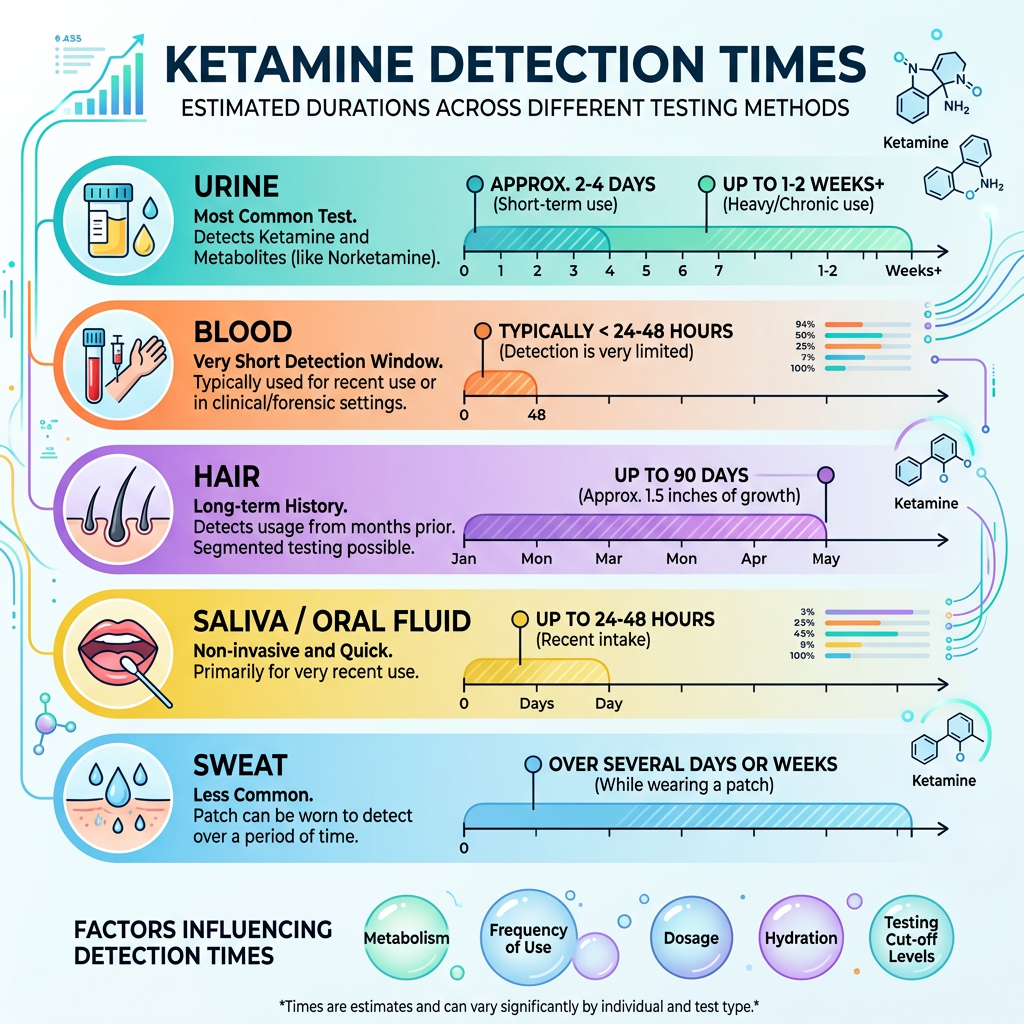
How long does Ketamine stay in your system?
How long does Ketamine stay in your system? As an experienced addictions clinician with over thirty years experience my question to that is: Why do you need to know? Is it because you are worried it will show up in a drug screen at work? Are you worried about being drug tested by the police…
Grace Kennedy
12:23 pm, July 2, 2026
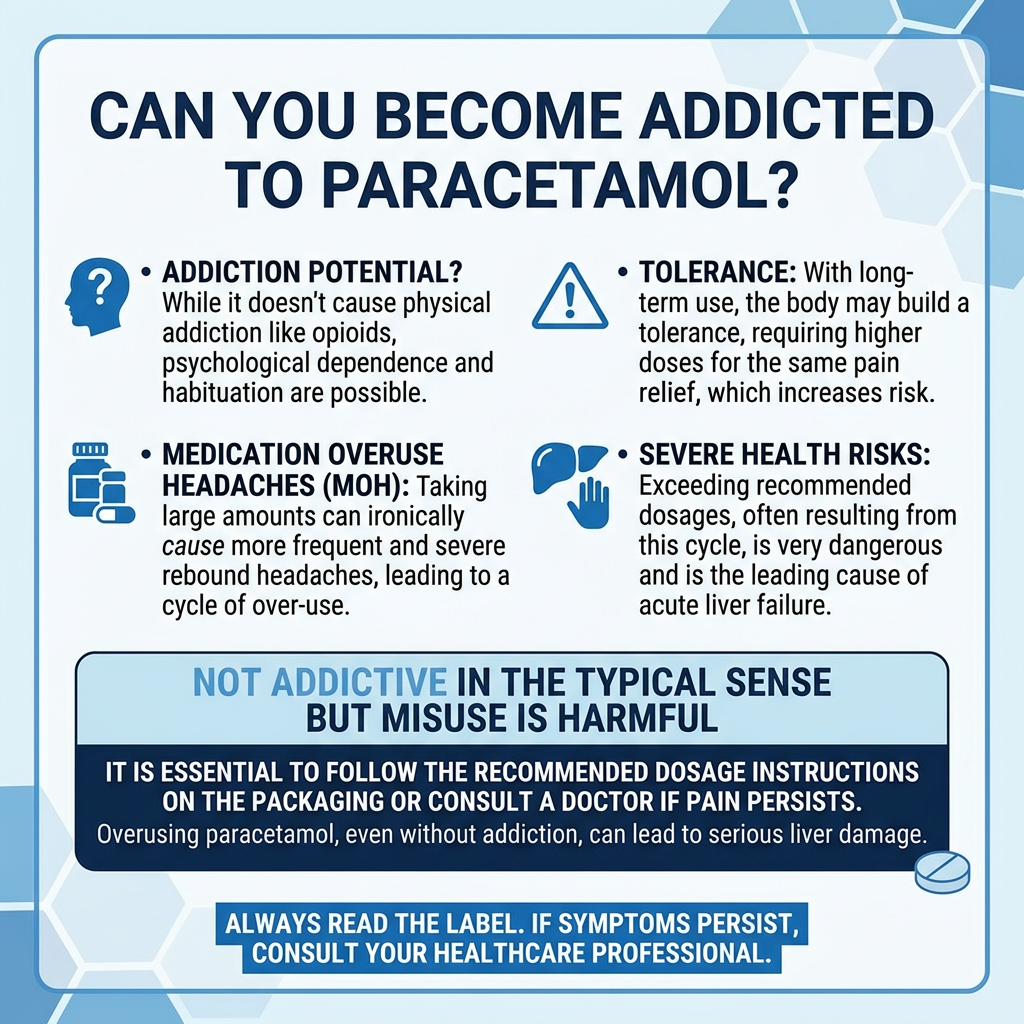
Can you become addicted to Paracetamol?
Can you become addicted to Paracetamol? No. Well not it in the same way you become addicted to heroin or alcohol as the way it affects the brain is different. That doesn't mean that some people are not addicted to taking it in the way that they take it, repeatedly. How does Paracetamol work? The…
Grace Kennedy
6:08 pm, June 26, 2026
Can you do a Methadone detox at home?
Can you do a Methadone detox at home? In theory: Yes. In practice: No. It is a nice idea that you can stay at home, take some methadone and your opioid use disorder is cured. Sadly it just doesn't work like that. In order to understand why this won't work you need to know what…
Grace Kennedy
6:49 pm, June 25, 2026