
Rehab: A path from addiction to recovery
May 23, 2025
9:00 am
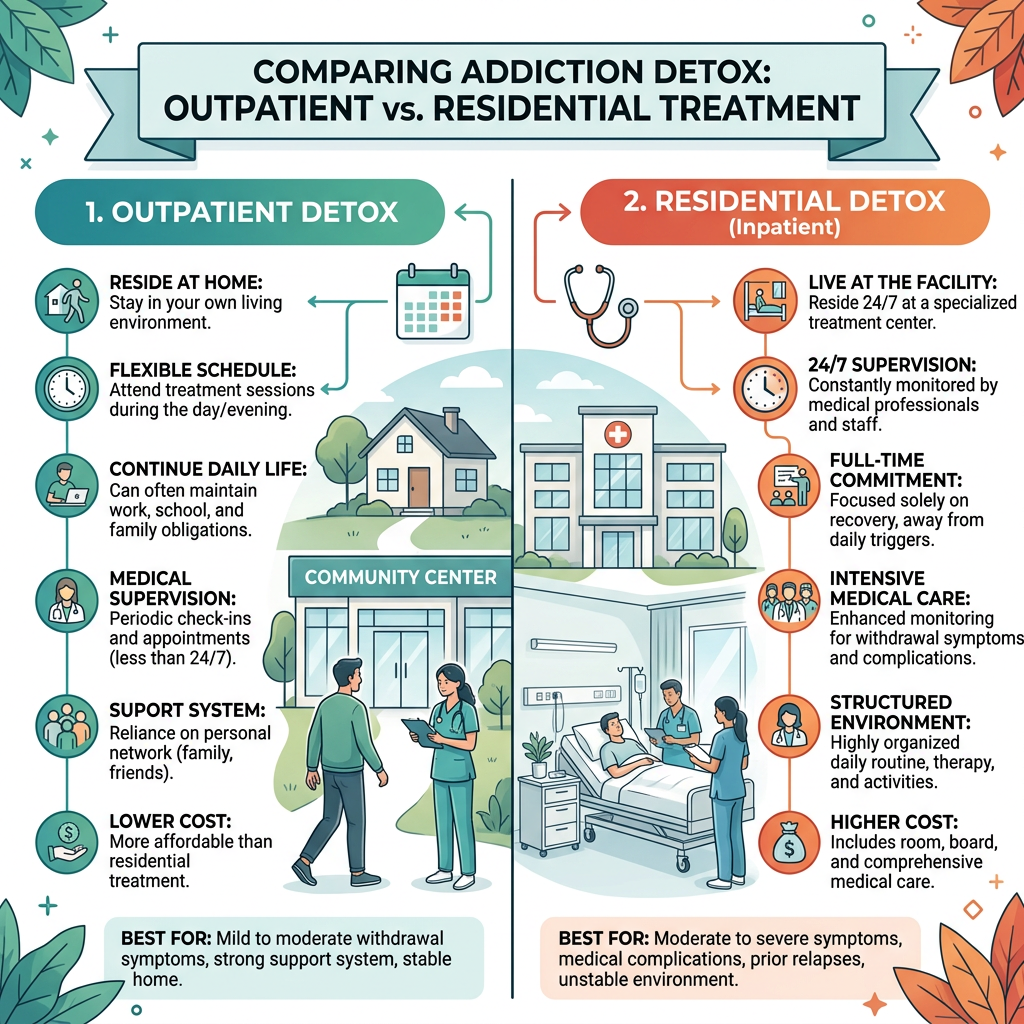
Table of contents
- Introduction
- Addiction is a serious illness
- Achieving and maintaining abstinence
- Moving where others can not
- Drug and alcohol addiction rehab :Change is gradual
- Addiction doesn’t just affect the individual
- How can relationships be rebuilt?
- Looking after yourself is vital
- Drug and alcohol addiction rehab :How to avoid relapse
- Drug and alcohol addiction rehab :Learn to forgive yourself
- Recovery is a marathon, not a sprint
- What about aftercare when I leave rehab?
- What should I do with the time that used to be taken up by my addiction?
- Drug and alcohol addiction rehab :How can Find Me a Rehab help?
- Getting help
Introduction
Drug and alcohol addiction rehab sounds scary but it doesn’t need to be.
It isn’t something that is an optional extra in the trajectory of recovery but an essential element.
Rehab provides all the essentials needed for recovery: Detox, therapy, relapse prevention and aftercare.
Looking for a drug and alcohol rehab was not something you ever thought you would need to do.
Our experienced addictions clinicians each have decades of experience assessing, diagnosing, prescribing for and treating people overcoming addiction.
Here they share there knowledge and experience with you.
Addiction is a serious illness
Addiction is an illness, a battle, a conundrum, a quandary: Call it what you like.
Whatever you call it the aftermath can be devastating.
It is common to feel shame, guilt and disgust.
Your self-esteem gets ruined, and fear can overtake you.
While you have won the initial battle, if you allow these feelings to take over, you might lose the war. These feelings, if not tackled, will hinder progress.
Addiction is one of the most complicated and difficult disease to overcome.
Using substances damages your body, as well as your brain.
It can destroy relationships, marriages, cause divorces and evictions as well as ending careers.
Not only, while you were in active addiction, were you physically dependent on drugs and alcohol, but psychologically, too.
Achieving and maintaining abstinence
Abstinence is not easy.
Getting into recovery is a bold, and very brave, step.
It takes courage and commitment.
Completing a rehab programme is a huge accomplishment and should, rightly, be recognised and celebrated.
One of the most important things to do is to be able to forgive yourself, this is a major step forward in being able to heal, stay sober and live a happy, productive life.
Being in rehab means being away from friends and family.
It is instinctive yet may be counterproductive.
Moving where others can not
Many of them may not be able to accept you as a sober person or even want someone sober around them if they are using (and neither should you want to be around people who cannot accept your sobriety or are using).
Not everyone will be accepting of you in recovery: but that is outside of your control.
Being able to forgive yourself is not about forgetting what led to down the path of addiction.
Quite the opposite: Being able to acknowledge what happened and making a conscious choice to move forward is challenging but necessary if you are asking others to accept your changes.
Drug and alcohol addiction rehab :Change is gradual
Repairing fractured relationships after rehab takes time.
Some cannot be repaired, and a wise person knows how to tell the difference.
This part of the recovery trajectory can feel more burdensome than rehab but can be achieved.
Recovery doesn’t end when completing rehab: It is just the start.
There will be challenges along the way.
Remember, relapsing is not just a physical thing, but a psychological issue as well.
There may well, as is life, be issues that arise after rehab that you have not experienced before.
All these things could leave you feeling frustrated.
A cliche, but you have made it this far: keep going.
Key Takeaways
- Drug and alcohol addiction rehab is essential for recovery, providing detox, therapy, and aftercare.
- Addiction affects not only the individual but also their relationships, making rebuilding connections crucial.
- Achieving abstinence takes courage; self-forgiveness is vital for moving forward and healing.
- Recovery is a continuous process, requiring ongoing support, self-care, and addressing emotional challenges.
- Find Me a Rehab offers free, confidential advice from experienced clinicians to guide individuals through treatment options.
Addiction doesn’t just affect the individual
Addiction has an impact, not only the person caught up in it, but on others as well.
It may have put barriers between you and them and will, undoubtedly, changed your behaviour.
You may have been angry, disengaged or even been arrested.
It is imperative to be patient with friends and family as well as partners and co-workers.
They may, quite rightly, be wary but with time, space and perseverance it can be possible to repair relationships: Even to enhance them.
How can relationships be rebuilt?
When you work to get back in touch with those who supported you before treatment, there are some useful things to remember.
- Be honest: There will be both challenges and victories. You need to be truthful about the challenges of reaching out and ensure others can see that you mean what you say.
- Don’t make promises you cannot keep: If you say you are going to a 12 step/SMART meeting: Go. If you say you will meet for coffee at 3PM, be on time, if not 5 minutes early. Those you are seeking to reach out to will, naturally, be sceptical.
- Don’t shut others out: Those with whom you are repairing relationships will, hopefully, want to talk with you about your recovery. Sure, it may be uncomfortable but can be vital.
- Go to meetings with a friend/partner/family member/friend. Maybe even family therapy. Addiction can damage wider family networks and healing takes time.
Looking after yourself is vital
Rehab is very hard work but, in treatment, you are surrounded by professionals, supportive peers, love and reassurance.
After discharge you are, mainly, on your own. In treatment you will be taught about the importance of self-care: Once discharged it is imperative that you use these skills and build on them.
Staying focused can be difficult, especially when family and friends are not on board. A sponsor at a 12-step group can be very useful.
Have boundaries and don’t blur them.
Some of those you want to reconnect with won’t want to re-establish a relationship.
Being able to recognise this and moving on can be a major step forward.
Staying on top of your general health is essential, as is following a balanced diet.
Drug and alcohol addiction rehab :How to avoid relapse
After the elation of completing a rehab programme, some people can experience a lull and become disheartened.
On occasion, this can lead to, in a small minority, negative thoughts and, sometimes, harmful behaviours. This may lead to relapse.
However, this is not a given and by concentrating on your recovery plan, particularly the elements of relapse prevention, it is possible to avoid relapse.
Drug and alcohol addiction rehab :Learn to forgive yourself
Being sober means being free of alcohol and substances that interfere with your thoughts.
However, this can mean that thoughts you would rather supress are now floating around your brain.
It is not uncommon to feel guilty about your addiction: How much money you have spent, begged, borrowed and stolen and the shame you now feel.
The “go to” you had before to numb your psychological pain is now out of reach.
Negative thoughts can stall your recovery.
Being able to forgive yourself is not about making excuses for what happened or sweeping them under the carpet.
It is about acknowledging what happened, taking ownership and moving forward.
Challenging? Absolutely. Necessary for others to forgive you? Most certainly.
Recovery is a marathon, not a sprint
It can take time to work out how you are going to regain the trust of those who were affected by your addiction: After all, you did not become addicted overnight, and relationships could have been damaged over a period of years.
For some, repairing damaged relationships can seem more difficult than rehab treatment.
Being abstinent will allow your brain to bring to the front emotions that were being suppressed by your addiction.
These may not be emotions you have processed or even encountered before. This can be frustrating, so take it slow.
What about aftercare when I leave rehab?
All rehab centres provide a minimum of 12 months aftercare.
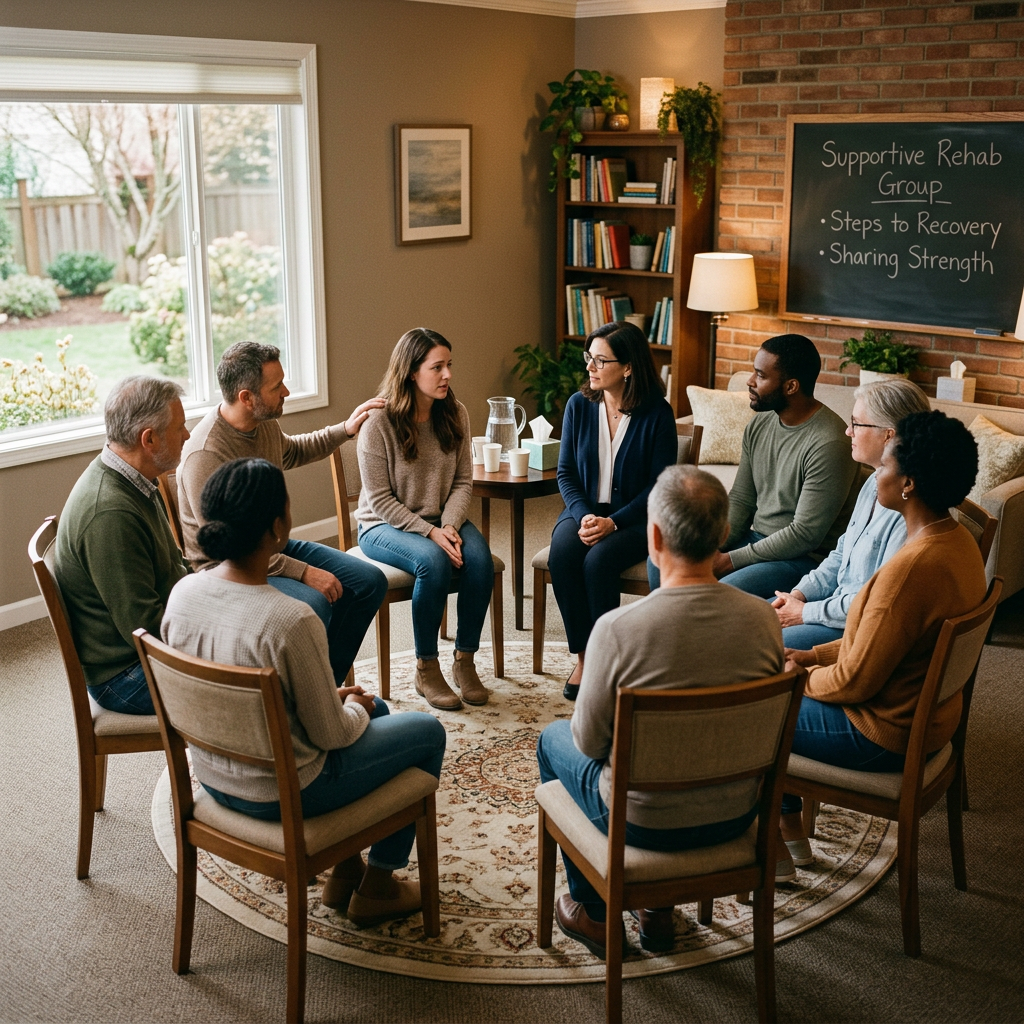
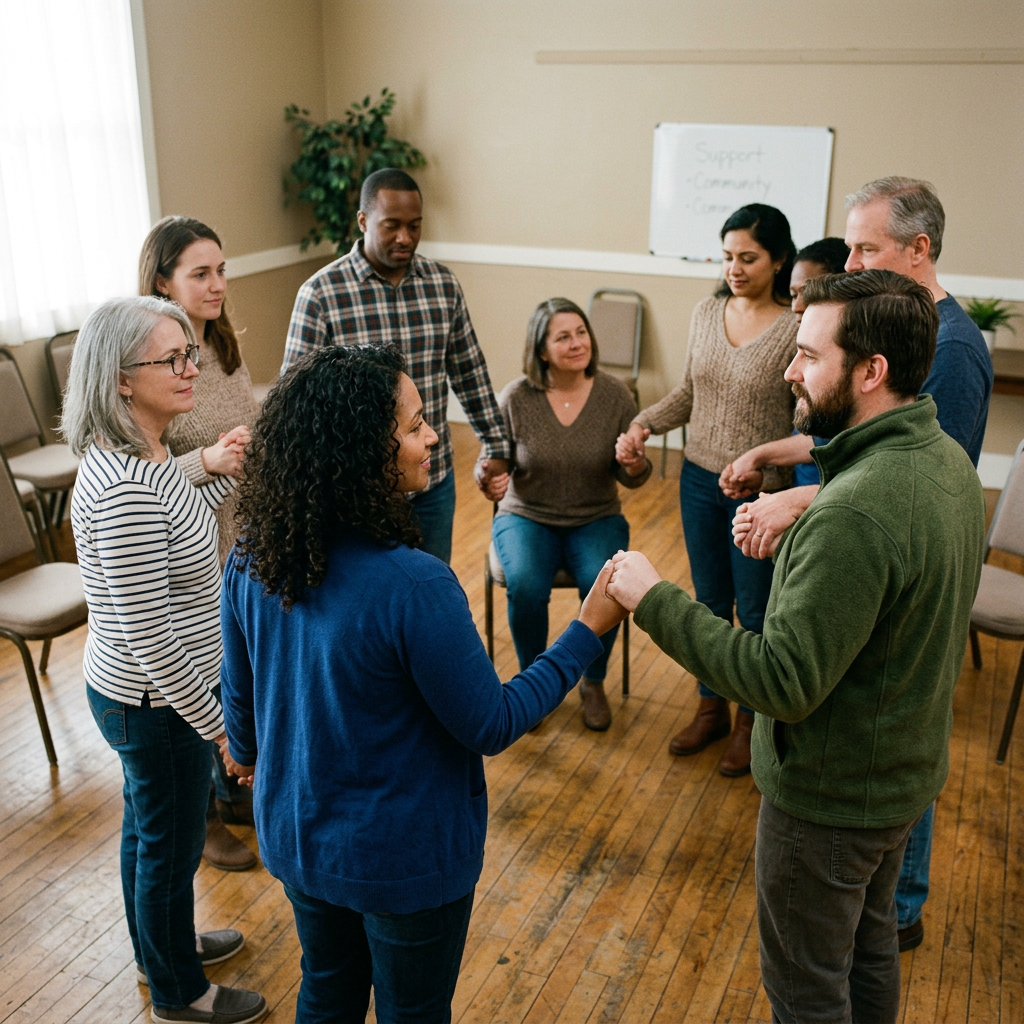
This will include, as a minimum, a weekly peer support group (in person or virtually). For some this is not practical, so it is possible to arrange one to one therapy with an addiction’s specialist therapist.
There will also be telephone check in and a dedicated number to call if you need help.
Attending a 12 step or SMART group will be an invaluable part of your recovery, after drug and alcohol rehab.
What should I do with the time that used to be taken up by my addiction?
People caught up in active addiction can spend hours a day sourcing drugs, going to the off licence or sleeping off the effects.
In recovery, you fill find this time is now free to devote to new and more positive activities.
That motivation to feed a habit, if put to a new use, can be transformative.
If you have just completed treatment at an addiction recovery centre and have questions, call and speak to an addictions clinician at Find Me a Rehab. We offer free clinician drug advice. Call in total confidence for impartial advice.
Drug and alcohol addiction rehab :How can Find Me a Rehab help?
We are addictions clinicians.
Each of us has decades of experience working in prisons, private hospitals and rehabs, NHS shared care GP addiction services, local authority community addiction services and statutory funded residential rehab centres.
Our clinicians provide totally free and wholly confidential advice.
We only signpost to legally registered services and centres.
Drug and alcohol rehab is something we really understand.
Getting help
Call, email or live chat with an experienced addictions clinician for advice on any aspect of addiction including detox, home treatment, therapy, relapse prevention and aftercare.
You can ask us anything on treatment options, treatment plans, locations, costings and logistics.
If you decide you want drug and alcohol rehab we can guide you in the right direction.
Need help finding the right rehab for you or a loved one? Get in touch today and take the first step toward recovery.
Speak to usRecent Posts
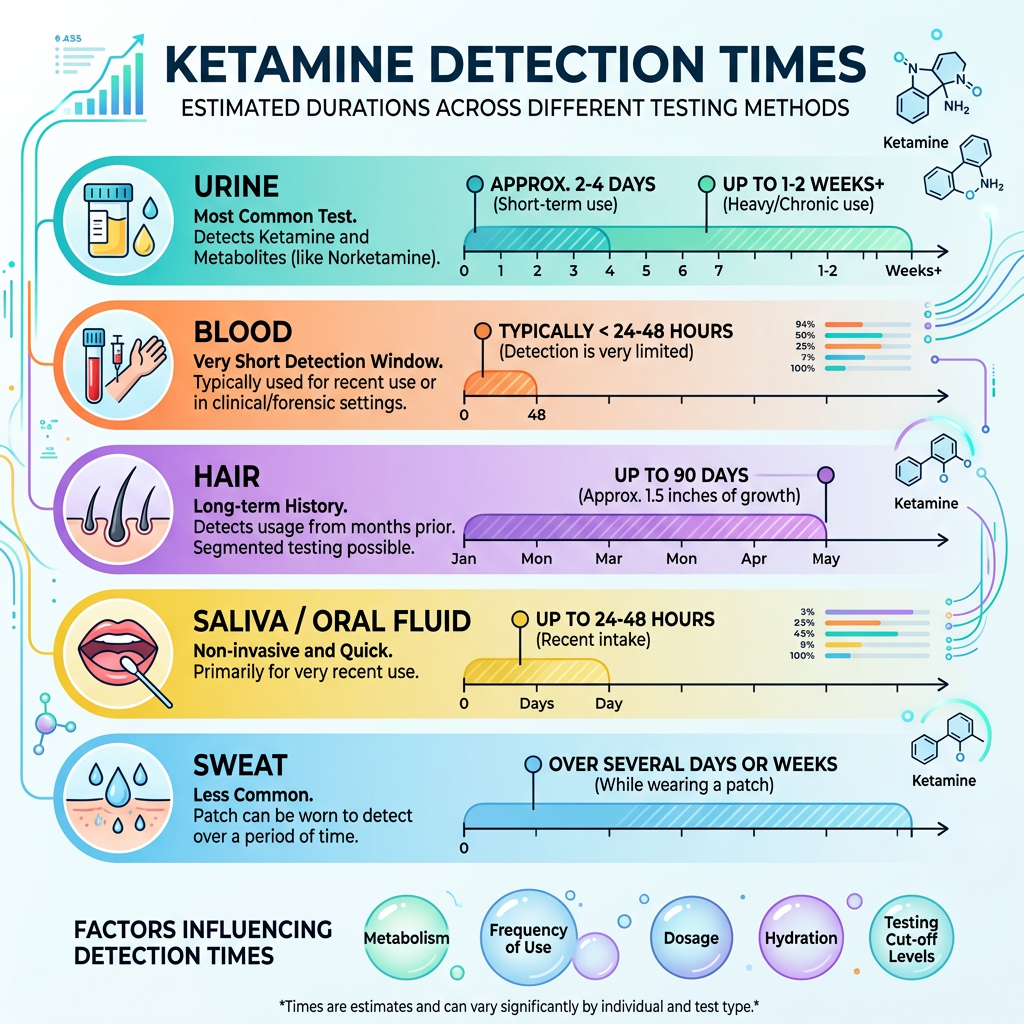
How long does Ketamine stay in your system?
How long does Ketamine stay in your system? As an experienced addictions clinician with over thirty years experience my question to that is: Why do you need to know? Is it because you are worried it will show up in a drug screen at work? Are you worried about being drug tested by the police…
Grace Kennedy
12:23 pm, July 2, 2026
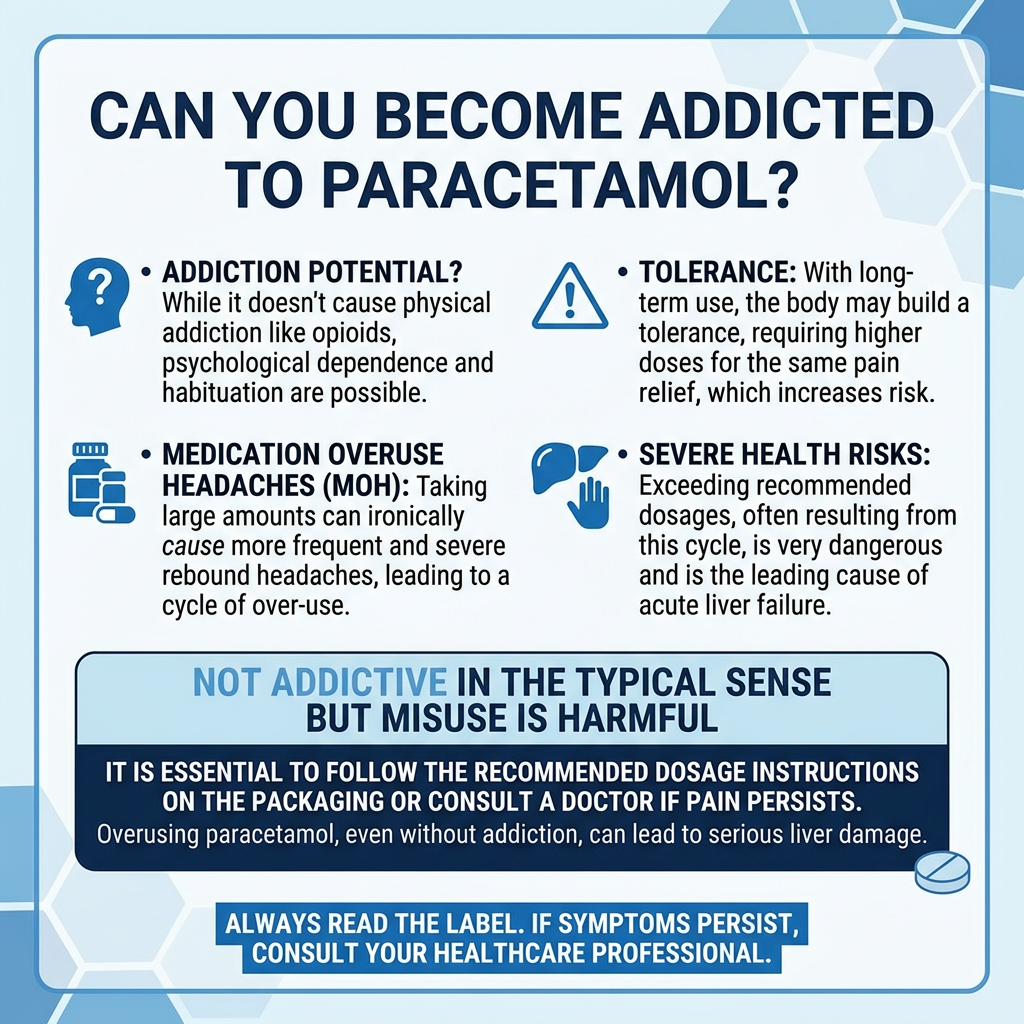
Can you become addicted to Paracetamol?
Can you become addicted to Paracetamol? No. Well not it in the same way you become addicted to heroin or alcohol as the way it affects the brain is different. That doesn't mean that some people are not addicted to taking it in the way that they take it, repeatedly. How does Paracetamol work? The…
Grace Kennedy
6:08 pm, June 26, 2026
Can you do a Methadone detox at home?
Can you do a Methadone detox at home? In theory: Yes. In practice: No. It is a nice idea that you can stay at home, take some methadone and your opioid use disorder is cured. Sadly it just doesn't work like that. In order to understand why this won't work you need to know what…
Grace Kennedy
6:49 pm, June 25, 2026