
Safe Alcohol Detox: Why Professional Help is Essential
August 22, 2025
9:53 am

Table of contents
Introduction
Detoxing from Alcohol Safely requires an informed approach with the input of a specialist clinician.
It is not something that should ever be attempted by yourself.
Detox is a medical procedure and, after all, you would not try and remove your own appendix!
In the vast majority of cases, detoxing from alcohol safely should only be undergone in a rehab centre.
Detoxing at home can be done, but the circumstances as to when it is safe are far fewer.
Why do people need a detox from alcohol?
Alcohol is a drug, and it alters brain chemistry.
Over a period of time, if you drink consistently, for long periods of the day, your brain will adapt to the alcohol.
If you stop, you will go into withdrawal.
This can start within a matter of hours.

Withdrawal without medical intervention can be fatal
While some of the early signs of withdrawal may be what is known as self-limiting (they may go away by themselves), you never want to take that chance.
Ensuring that one’s approach to detox is safe is paramount.
Should someone withdraw from alcohol without medical supervision, the best-case scenario is that they may feel unwell for a few days: Worst-case scenario is a fatality.
This highlights the significance of detoxing from alcohol safely.
Symptoms of withdrawal
Within 6-12 hours
If you suddenly stop drinking, which you never should, the following symptoms can arise within as little as 6-12 hours:
- Fatigue
- Irritability
- Insomnia
- Mild tremors
- Low mood
- Headaches
- Sweating
- Nausea
12-24 hours:
- Poor appetite
- Extreme agitation
- Enlarged pupils
- Pale skin
- Seizures
- Severe tremors
- Extreme sweating
24 hours- 3 days:
Delirium Tremens: A major medical emergency that presents with hallucinations and seizures.
Someone who develops this will have a very high fever.
Untreated, this can be fatal. Again, it underscores why detoxing from alcohol safely is crucial.
If you need Home Detox Services UK, need to find an Alcohol Rehabilitation Centre Near Me or simply want Free 24 Hour Addiction Advice call and speak to one of our experienced addictions clinicians for free, confidential and impartial advice.

Who Experiences Alcohol Withdrawal Symptoms?
The answer is simple: Anyone who drinks alcohol.
There is no chart or set standard; it simply does not work that way.
If you drink alcohol consistently, on a near-daily basis, then you are at risk of withdrawal complications if you stop without medical assistance.
Detoxing safely from alcohol is crucial in these situations to avoid severe withdrawal symptoms.
Post Acute Withdrawal Syndrome (PAWS)
Once you have had a detox, you may well develop, 2-3 weeks after treatment, signs and symptoms of a condition known as Post Acute Withdrawal Syndrome (PAWS).
These will go away by themselves but can be distressing:
- Tiredness
- Poor sleep
- Low mood
- Cravings for alcohol
- Anxiety
- Forgetfulness
Key Takeaways on Detoxing From Alcohol Safely
- Detoxing from alcohol safely requires professional supervision to prevent dangerous withdrawal symptoms.
- Alcohol withdrawal can begin within hours and may lead to fatal complications without proper care.
- Symptoms of withdrawal vary in severity and can include fatigue, agitation, and hallucinations.
- Detoxing at home can be risky and is often not cost-effective compared to rehab centers.
- It’s essential to follow clinician advice for safe alcohol tapering to reduce withdrawal risks.
Kindling Detoxing From Alcohol Safely
Just as with any type of addiction relapse can be an issue.
One of the complications with alcohol is a phenomena called Kindling.
In essence, the more times you have treatment the more risky it becomes.
At the very least, there must be a significant amount of time between detox’s.
It may sound counterintuitive but if you relapse and you have had a detox within the last six months it is safer to carry on drinking than to have a detox.
Therefore, understanding the timelines in detoxing from alcohol safely is vital.

Alcohol tapering and Detoxing From Alcohol Safely
While most people are aware of the dangers of suddenly stopping drinking, a lot of people will reduce their intake but do it too quickly.
It is not uncommon to see patients who are drinking spirits change to beer or cider (or even wine).
While they may be drinking the same amount of volume, the strength will be far lower and this can lead to acute, and very dangerous, withdrawals.
Different websites will give differing advice on how much to reduce your intake by: There is no universal formula.
One of our addictions clinicians will be pleased to give you free advice in total confidence.
Tapering correctly is a part of detoxing from alcohol safely.
The only safe way to detox from alcohol is under the care of an addictions clinician, either at home (if clinically viable) or in a rehab centre.
Detoxing from alcohol safely ensures the best outcomes for those experiencing substance dependency.
Is it cheaper to have treatment at home when Detoxing From Alcohol Safely ?
No!
Most companies who provide treatment at home do so illegally and are, literally, charging you over £1,600 for £15 worth of pills.
They do not provide even basic medical care and the cost of a week’s admission.
While most centres will only admit an alcohol client for a minimum of 2 weeks, we have a few who will, on our recommendation, admit someone for a week if clinically viable. It’s crucial to ensure that detoxing from alcohol safely is prioritized over costs.

How can Find me a Rehab help with Detoxing From Alcohol Safely?
If you need Home Detox Services UK, need to find an Alcohol Rehabilitation Centre Near Me or simply want Free 24 Hour Addiction Advice call and speak to one of our experienced addictions clinicians for free and confidential advice.
Getting help with Detoxing From Alcohol Safely
You can call, email or live chat with an experienced addictions clinician on any aspect of addiction, detox, home treatment, rehab, therapy, relapse prevention and aftercare.
We only signpost to legally registered centers and services.
Need help finding the right rehab for you or a loved one? Get in touch today and take the first step toward recovery.
Speak to usRecent Posts
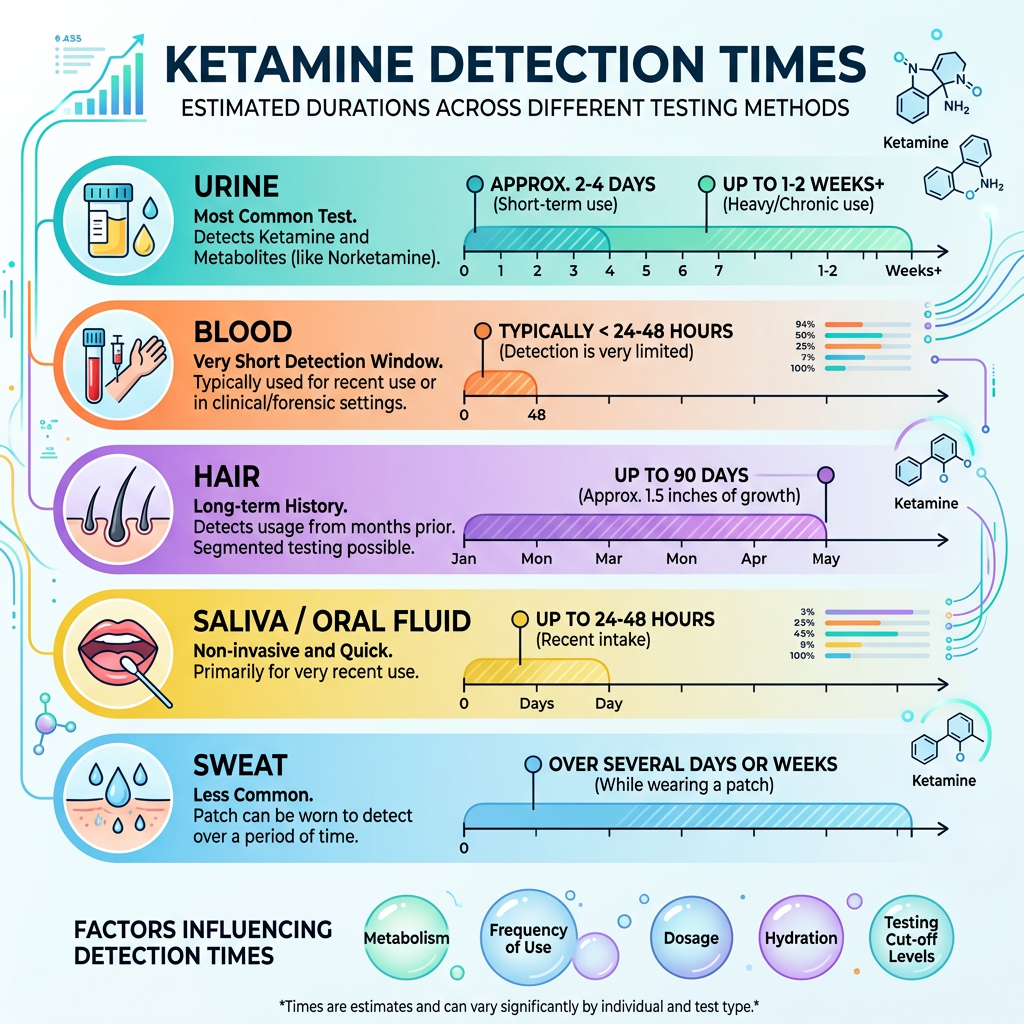
How long does Ketamine stay in your system?
How long does Ketamine stay in your system? As an experienced addictions clinician with over thirty years experience my question to that is: Why do you need to know? Is it because you are worried it will show up in a drug screen at work? Are you worried about being drug tested by the police…
Grace Kennedy
12:23 pm, July 2, 2026
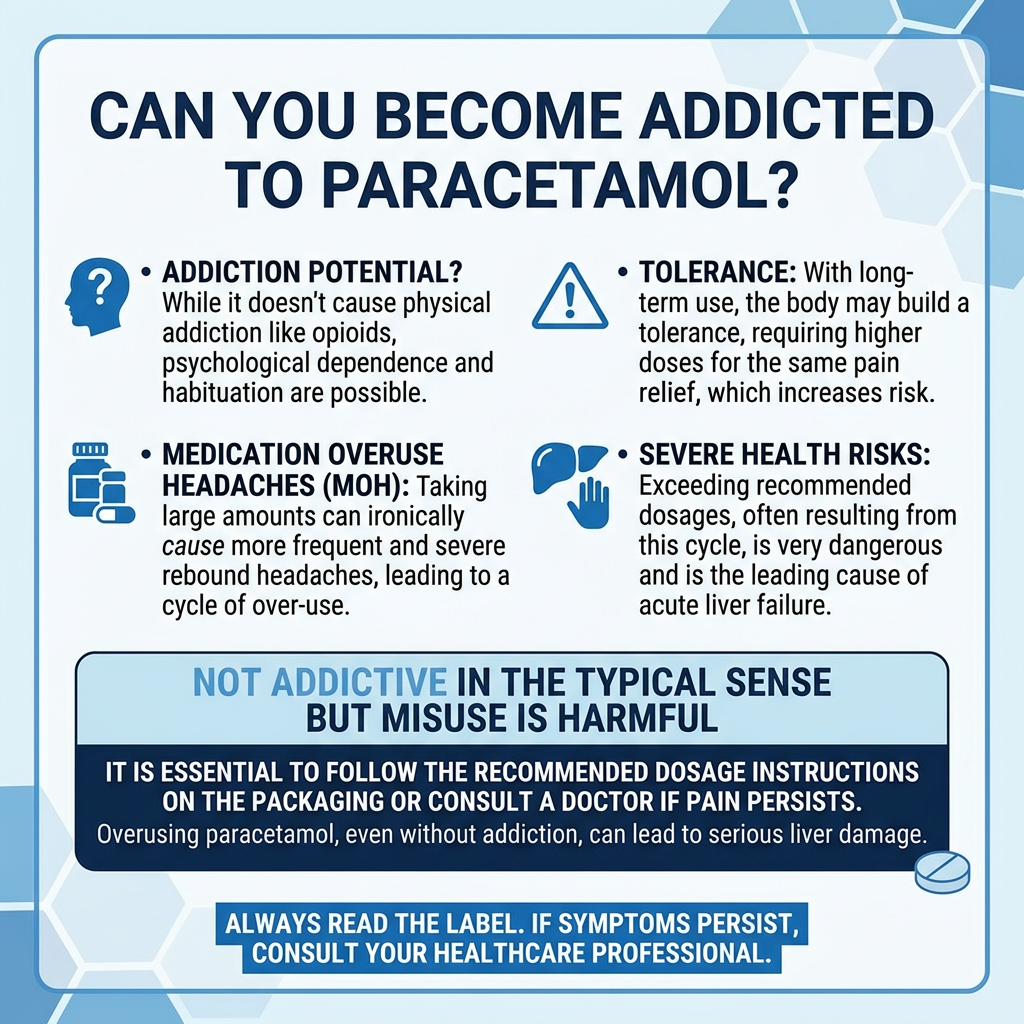
Can you become addicted to Paracetamol?
Can you become addicted to Paracetamol? No. Well not it in the same way you become addicted to heroin or alcohol as the way it affects the brain is different. That doesn't mean that some people are not addicted to taking it in the way that they take it, repeatedly. How does Paracetamol work? The…
Grace Kennedy
6:08 pm, June 26, 2026
Can you do a Methadone detox at home?
Can you do a Methadone detox at home? In theory: Yes. In practice: No. It is a nice idea that you can stay at home, take some methadone and your opioid use disorder is cured. Sadly it just doesn't work like that. In order to understand why this won't work you need to know what…
Grace Kennedy
6:49 pm, June 25, 2026