
Alcohol Rehabilitation Centres
December 13, 2025
1:04 pm
Table of contents
- Introduction
- What Is Alcohol Rehab?
- Physiological tolerance
- Vitamin Replacement To Prevent Brain Damage
- Alcohol Rehabilitation Centres Near Me :What Happens In Rehab?
- Relapse Prevention And Aftercare To Support Recovery
- How Can Find Me A Rehab Help?
- Safety And Confidentiality
- Alcohol Rehabilitation Centres Near Me :Getting help
Introduction
Trying to find a safe and reputable alcohol rehab centre in your local area is probably something you never thought you would have to do.
As experienced addictions clinicians we understand what it is you need and have the knowledge to give you free and confidential advice. If you need a referral, we provide these without charge.
Are you trying to locate an alcohol rehabilitation centre?
We are experienced addictions clinicians who treat alcohol addiction in Alcohol Rehabilitation Centres, NHS and local authority commissioned services as well prisons and private hospitals.
As clinicians, we know what you need and what you don’t. We can advise on location, facilities and cost.
What Is Alcohol Rehab?
Rehab is a combination of different elements that all add up to a successful recovery:
- Detox
- Therapy
- Relapse prevention
- Aftercare
Why people need rehab
Alcohol is a symptom of something that has gone wrong in your life. It is not a choice.
Addiction is a very serious illness.
Left untreated it can be fatal.
A detox, on it’s own, won’t be sufficient.
Therapy, without a detox won’t: either. The brain won’t respond to therapy when affected by alcohol.
We will go into detail, for each element giving you the information you need to make an informed choice.
Detox
Alcohol changes brain chemistry in just the same way as prescription medication, drugs and the caffeine in your morning coffee.
Drinking alcohol causes chemical changes to receptors on your brain. In turn, changes affect chemical messaging around the body.
As such, chemical messaging is affected.
Alcohol makes you feel relaxed and takes the edge off your stress because of the chemical messaging caused by changes on receptors this becomes problematic.
Physiological tolerance
After drinking for long periods of the day for several weeks or months, your brain becomes accustomed the presence of alcohol on receptors and makes adjustments.
This is known as physiological tolerance.
A few hours after you stop drinking suddenly (or reduce too quickly) the brain simply can not cope with this immediate change.
If you don’t have the right medical intervention, problems can soon occur.
While some of the early signs may go away by themselves (these are known as self limiting) this is rare and the next stage of symptoms won’t.
Things will get worse and can result in hallucinations, seizures, coma and even death.
A doctor gives detox medication, which mimics the effects of alcohol and works on the same receptors, in reducing doses over a period of a week or two so that withdrawals are minimised.
Vitamin Replacement To Prevent Brain Damage
Alcohol contains glucose.
The cheaper the alcohol, the higher the glucose content.
Cider, beer, larger: These are the worst items when it comes to alcohol related brain damage.
Aggressive street drinkers who cling to supermarket own brand cider aren’t in full control.
Why? Because their brain has been starved of Vitamin B which has led to permanent damage.
Glucose
Large amounts of glucose stops the gastro intestinal tract from absorbing Vitamin B which is essential for brain function.
When the brain is starved of Vitamin B it becomes damaged.
If medical professionals treat alcohol dependence and reliance on high-sugar drinks (like cider, beer, and lager) early enough, they can repair the damage.
The treatment is either oral vitamin B tablets or, in severe cases, injections over a five day period as well as tablets.
Should someone with a vitamin B deficiency not get treatment early enough, the damage becomes permanent.
Alcohol Rehabilitation Centres Near Me :What Happens In Rehab?
Detox is an essential element of rehab.
It can be lifesaving for many.
Without a detox, regardless of the physical elements, your brain would not respond to therapy.
As soon as you are physically able to join in with therapy, we will welcome you into the groups and workshops.
Some people, if they are very physically unwell, may need a day or two before they are able to take part.
Group therapy
All centres, the world over, use a group therapy model.
They do this because, for nearly a hundred years, group therapy has helped people recover from addiction.
Centres provide a weekly session of individual therapy, this is adjunctive to a group process.
While there are different models of group therapy, as to which one the centres uses really is not that important.
All models work if you work at it!
Therapy helps you to understand why you became addicted in the first place.
It could be childhood trauma, untreated anxiety and low mood.
Perhaps PTSD. Unless you address these issues, relapse is highly likely.

Relapse Prevention And Aftercare To Support Recovery
Alcohol is everywhere: petrol stations, corner shops, doorstep delivery.
Those in rehab often say that if someone craving alcohol went to the moon, they would find an off-licence.
Learning how to navigate life in sobriety is essential.
Knowing what to say to someone who offers you a drink at a party, how to resist the alcohol section in a supermarket: These are things you will learn in rehab.
The opportunity of a crisis
Relapse happens.
It doesn’t happen to everyone but it doesn’t have to be fatal.
Knowing how to confront it and move past it will be skills you develop in therapy.
All centres provide a minimum of a years aftercare.
This is , usually, in the form of a weekly support group (in person or by remote if distance is an issue) .
There will also be telephone check in and a dedicated number to call if you need support.
Key Takeaways
- Find experienced clinicians to help with alcohol addiction in Alcohol Rehabilitation Centres Near Me.
- Rehab includes detox, therapy, relapse prevention, and aftercare for effective recovery.
- Detox is critical, as it addresses withdrawal and prepares the brain for therapy.
- Group therapy, essential in rehab, helps understand the root causes of addiction.
- Aftercare support lasts at least a year, providing tools to navigate sobriety and prevent relapse.
How Can Find Me A Rehab Help?
Our experienced addictions clinicians work in rehab centres, amongst other settings.
They can advise you on what you need and what you don’t!
There are high end centres available but it really is possible to keep the costs low.
Yoga with miniature goats and having your shakra realigned while drinking organic green tea is all very nice but you will be paying a premium for something you don’t need.
We use an app so that any clinician who is free to talk to you can answer your calls. Emails are answered within a few minutes.
We can advise on how to get into Alcohol Rehabilitation Centres.
While the clinician you speak to may be slightly further afield in the country to where you are, they have instant access to all the information on your local centre, whomever runs it.
Safety And Confidentiality
Our free and confidential service is available to all. We are registered with the Information Commissioners Office and ensure that any data stored is done so strictly within the law.
We are unable to discuss your information with anyone else, even your GP, unless you give very explicit instructions.
As centres have to be registered with the Care Quality Commission, we only signpost to those that are.
There are Alcohol Rehabilitation Centres available. Call and speak to an experienced addictions clinician.
Alcohol Rehabilitation Centres Near Me :Getting help
As experienced addictions clinicians, we have the knowledge to advise you on any aspect of addiction: Detox, rehab, therapy, relapse prevention and aftercare.
We provide free advice (and referrals) on treatment options , treatment plans, locations, costings and availability.
Need help finding the right rehab for you or a loved one? Get in touch today and take the first step toward recovery.
Speak to usRecent Posts
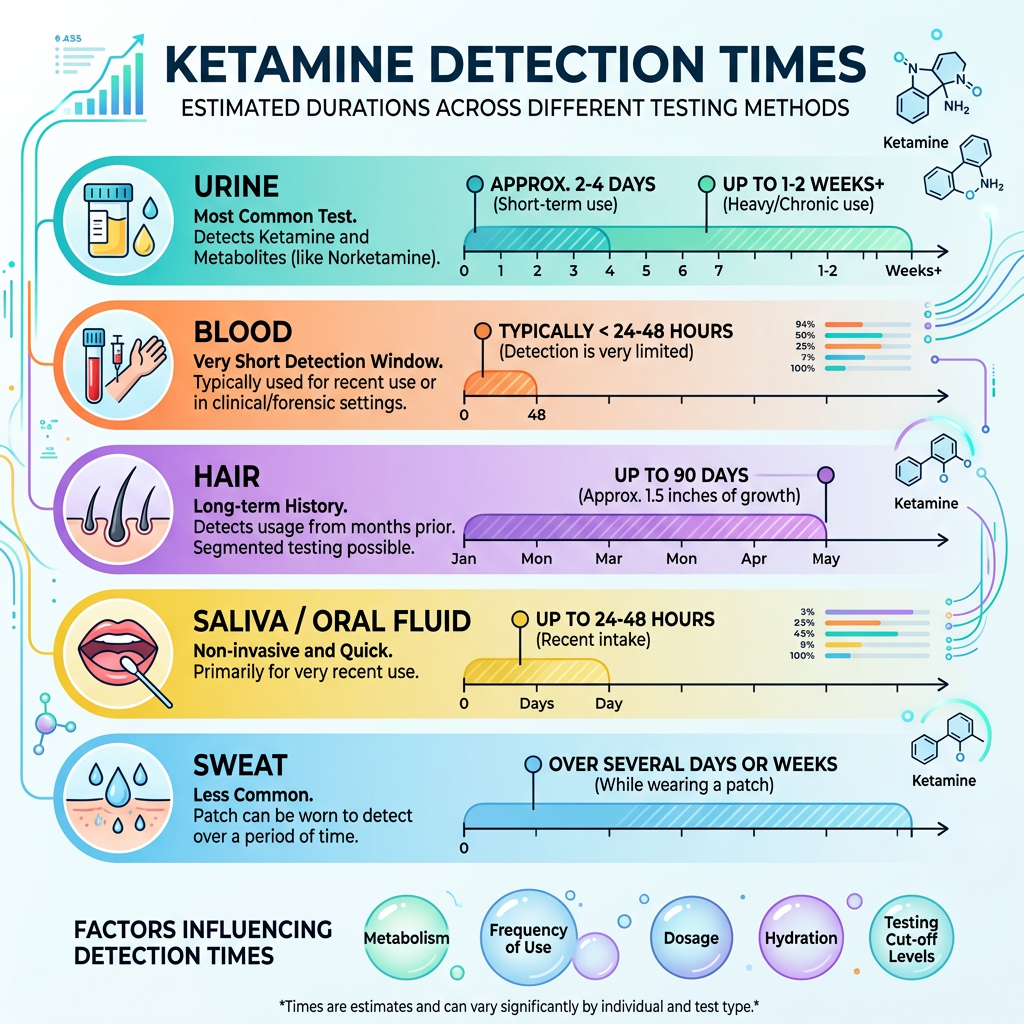
How long does Ketamine stay in your system?
How long does Ketamine stay in your system? As an experienced addictions clinician with over thirty years experience my question to that is: Why do you need to know? Is it because you are worried it will show up in a drug screen at work? Are you worried about being drug tested by the police…
Grace Kennedy
12:23 pm, July 2, 2026
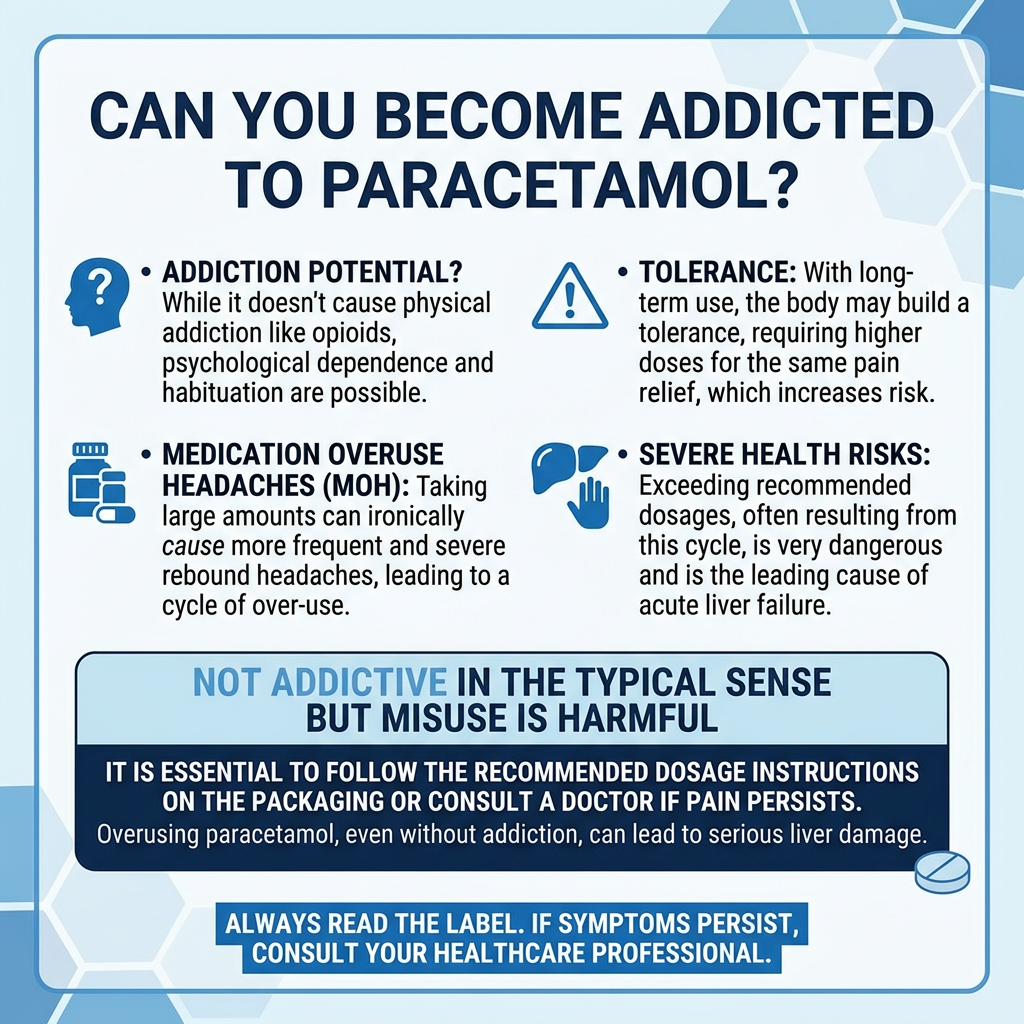
Can you become addicted to Paracetamol?
Can you become addicted to Paracetamol? No. Well not it in the same way you become addicted to heroin or alcohol as the way it affects the brain is different. That doesn't mean that some people are not addicted to taking it in the way that they take it, repeatedly. How does Paracetamol work? The…
Grace Kennedy
6:08 pm, June 26, 2026
Can you do a Methadone detox at home?
Can you do a Methadone detox at home? In theory: Yes. In practice: No. It is a nice idea that you can stay at home, take some methadone and your opioid use disorder is cured. Sadly it just doesn't work like that. In order to understand why this won't work you need to know what…
Grace Kennedy
6:49 pm, June 25, 2026