
Understanding Addiction: Science Behind Dependency
December 14, 2025
12:05 pm
Table of contents
Introduction
If you understand the science behind addiction it puts you in a much stronger position to know how difficult it is to recover.
When you have an operation the surgeon will explain what has gone wrong and what they will do to repair the damage.
Just as, for example, you have am impacted wisdom tooth due to anatomical and biological disease, the same is true with addiction.
Our addictions clinicians each have decades of experience assessing, diagnosis, prescribing for and treating people struggling with addiction.
Willpower
What is Addiction? It isn’t is a lack of willpower.
What it isn’t is a lack of moral fibre, the absence of determination to overcome a problem. Addiction is not a result of poor choices and the treatment is not just to“pull yourself together.”
Addiction is about science. Drugs and alcohol cause chemical changes to brain chemistry.
You can no more think your way out of addiction anymore than you can think yourself thin.
While addiction focused group therapy is the way to recovery, until you have detoxed, the brain simply won’t respond.
Not everyone will need a medically assisted detox, it depends on the type of drug you are taking.
However, some drugs still need medical supervision while you come away from them due to the inherent dangers of withdrawal.
How Do People Become Addicted?
Drugs activate receptors in your brain.
Chemical channels are activated: Some partially open or close .
This is the same when you take prescribed medication and even the caffeine in your coffee.
These changes and subsequent release or withholding of naturally occurring body chemicals are what are responsible for pain relief when taking analgesia (painkillers) , your anxiety to reduce when taking benzodiazepines and a feeling of euphoria when you drink alcohol.
The problem is that, after a time, the brain becomes used to the presence of drugs and alcohol on the receptors.
A phenomenon known as tolerance develops.
While you may experience health related issues due to using drugs and alcohol at this time, you won’t experience withdrawal if you continue to use.
If you stop, or reduce too quickly, your brain simply won’t be able to cope with the immediate changes.
What Happens If I Stop Suddenly Or Reduce Too Quickly?
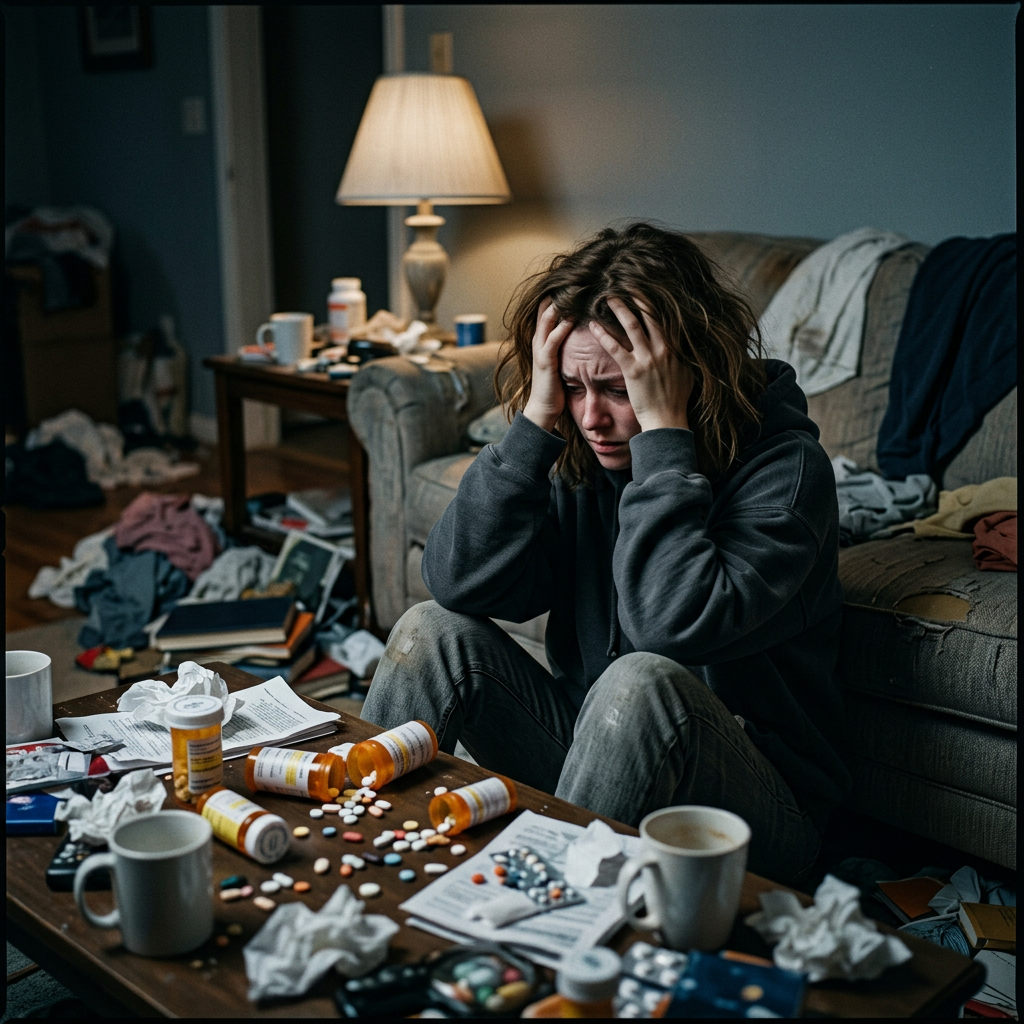
When tolerance has taken effect and you stop drinking/taking drugs your brain simply can not cope with the immediate change and goes into a state of flux.
As a result, incorrect chemical messages are sent. These are responsible for the physical symptoms known as withdrawal.
Some drugs are very short acting and a detox is not required.
That is not to say that you won’t experience withdrawals if you stop but a medically assisted detox is not indicated.
However, the withdrawals can be rough and cravings intolerable.
If a detox is not indicated adjunctive medication is often given, mostly prescribed on an “as and when” basis to get you through.
Cravings are incredibly problematic.
When you stop using your brains tolerance to drugs and alcohol drops: fast.
If you succumb to cravings, you are likely to use more than you did in order to stabilise yourself: This is where the danger lies.
Accidental overdose is very common here and lives lost.
How Does Detox Help?
Detox medication acts on the same receptors on your brain as the substance you are dependent on.
The aim is to get you comfortable, so you don’t experience withdrawal, then to reduce the medication, over a period of time, until the detox is complete.
For some, detox is life saving. Alcohol withdrawal, if not treated properly can be fatal.
While the initial signs and symptoms may go away by themselves, this is rare and the vast majority of people will soon develop physical health problems.
Heavy sweating, uncontrollable sweating, high blood pressure will emerge then seizures, coma and sadly, for some, fatality.
It is a very common misconception that heroin (opioid) addiction doesn’t need medical intervention: Not true.
While some people will be able to ride out the process of withdrawal without medical help, it can be just as dangerous as alcohol withdrawal.
Don’t believe what you see on TV and in films.
Locking yourself in a room with some water, a bucket and a packet of Andrex will not get you through.
As with other drugs, if you stop and then succumb to cravings it This is because you will use as much as you feel you need to get comfortable.
Your tolerance will have dropped and you will, invariably, use more than you did before you stopped using. This is where fatal incidents occur.
Key Takeaways
- Addiction is a scientific condition, not a lack of willpower or poor choices.
- Chemical changes in the brain from drugs and alcohol lead to tolerance and withdrawal symptoms.
- Detox is essential for recovery, but it must be medically supervised to avoid dangers like overdose.
- Effective addiction rehab includes detox, therapy, relapse prevention, and aftercare for long-term success.
- Finding the right rehab center matters; cost-effective options provide necessary support without unnecessary frills.
Can My GP Prescribe Detox Medications?
No.
Your NHS GP is a private company commissioned by NHS commissoners to provide services.
Within the service level agreement , addiction services are not part of the contract.
As such, GP’s can not provide NHS prescriptions for detox medications.
Your GP wouldn’t prescribe them, even if they could.
Trying to detox at home, without specialist input and monitoring, would be incredibly dangerous.
Aside from the medical complications, the cravings would be intolerable and you are likely to relapse.
With relapse comes the risk of accidental overdose due to lack of tolerance.
A private GP would also be very hesitant to draw up a treatment plan for home treatment due to the inherent risks.
There are private doctors that can help though the cost of treatment at home can often cost significantly more than rehab.
Effective Addiction Rehab
There are four elements to addiction recovery, none more or less important than the other:
- Detox
- Therapy
- Relapse prevention
- Aftercare
In a rehab centre all four elements are provided.
A detox alone simply won’t work.
While you may be OK for a few days, those who detox only (and 99% of centres in the UK won’t provide this) usually relapse within a week.
Therapy is essential to understand why you are addicted.
Addiction is not a choice.
No one decides to be an addict.
You don’t just wake up one morning and wonder what it is like to take heroin or binge on cocaine.
Untreated PTSD, unresolved childhood trauma, underlying anxiety and low mood: All common themes in rehab. Your brain will not respond to therapy while you are still using. It will start to respond in the early stages of detox.
Learning how to navigate difficult situations when you leave rehab is essential.
Alcohol is available everywhere, and drugs can be delivered quicker than a pizza to your house.
Relapse happens.
It doesn’t happen to everyone but it doesn’t have to be catastrophic.
Knowing how to confront it and deal with it is essential.
Aftercare is the final link in the chain.
This is usually in the form of a weekly support group and telephone check in. Should you be struggling, there will be a dedicated number to call.
How Can Find Me a Rehab Help?
We are experienced addictions clinicians.
Our work in rehab centres gives us the knowledge to help you make an informed choice as to where to go for help.
We can advise you as to what you need and what you don’t.
Keeping costs down is essential.
Yoga with goats, organic green tea and shakra realignment is all very nice but won’t be of any benefit.
After all, you will be paying for it!
Sure, high end centres are available, but low cost is just as effective. detox , therapy, relapse prevention and aftercare: doesn’t need to be expensive.
Safety and Confidentiality
Centres are legally required to be registered with the Care Quality Commission . As such , we only signpost to those that are.
We are registered with the Information Commissoners Office. Unless you give very explicit permission, we can not discuss your information with anyone: Even your GP.
Getting help
You can call (or email) to speak with one of our addictions clinicians.
If one is free now, you can use the live chat facility. We offer free, independent and confidential advice and treatment referrals and am happy to discuss any aspect of addiction, detox, rehab, therapy, relapse prevention and aftercare.
Our clinicians can advise you on treatment plans and options, locations, costings and availability.
We never charge for advice or referrals.
Need help finding the right rehab for you or a loved one? Get in touch today and take the first step toward recovery.
Speak to usRecent Posts
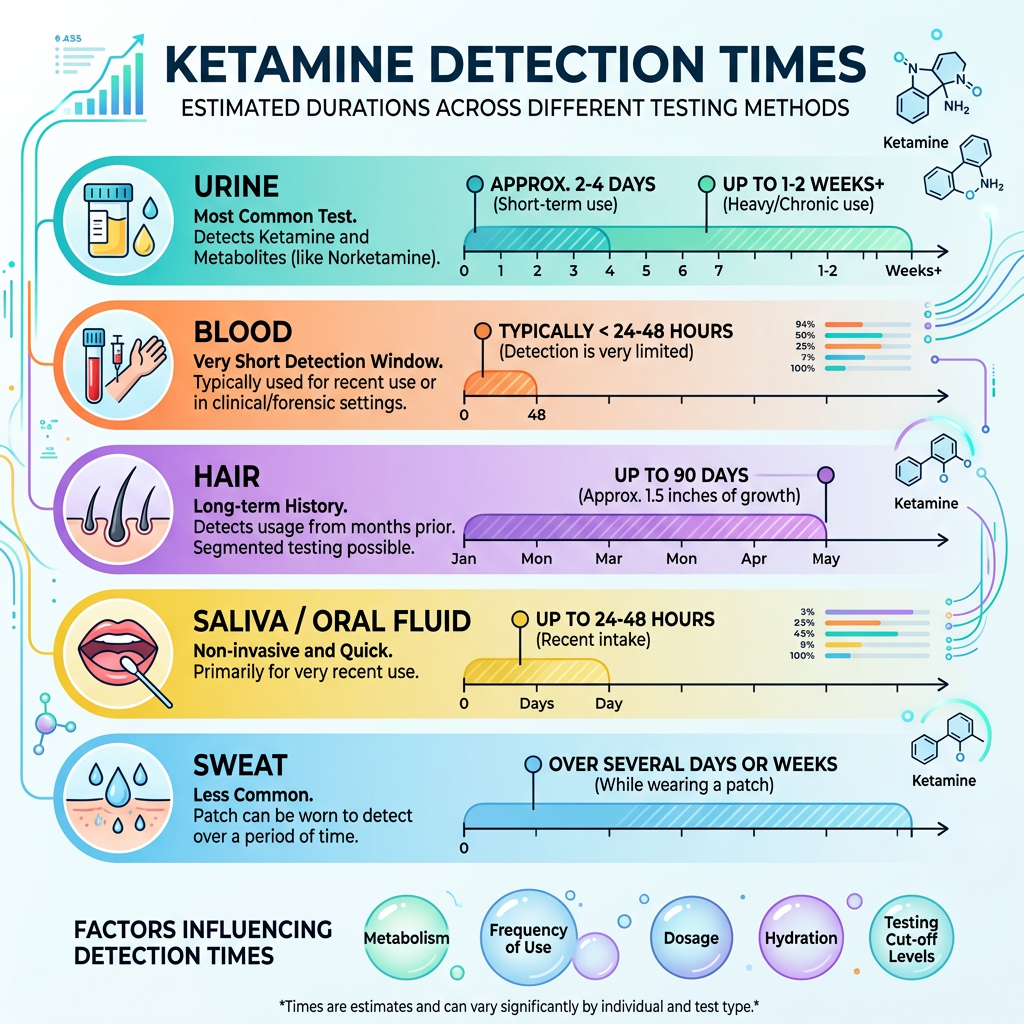
How long does Ketamine stay in your system?
How long does Ketamine stay in your system? As an experienced addictions clinician with over thirty years experience my question to that is: Why do you need to know? Is it because you are worried it will show up in a drug screen at work? Are you worried about being drug tested by the police…
Grace Kennedy
12:23 pm, July 2, 2026
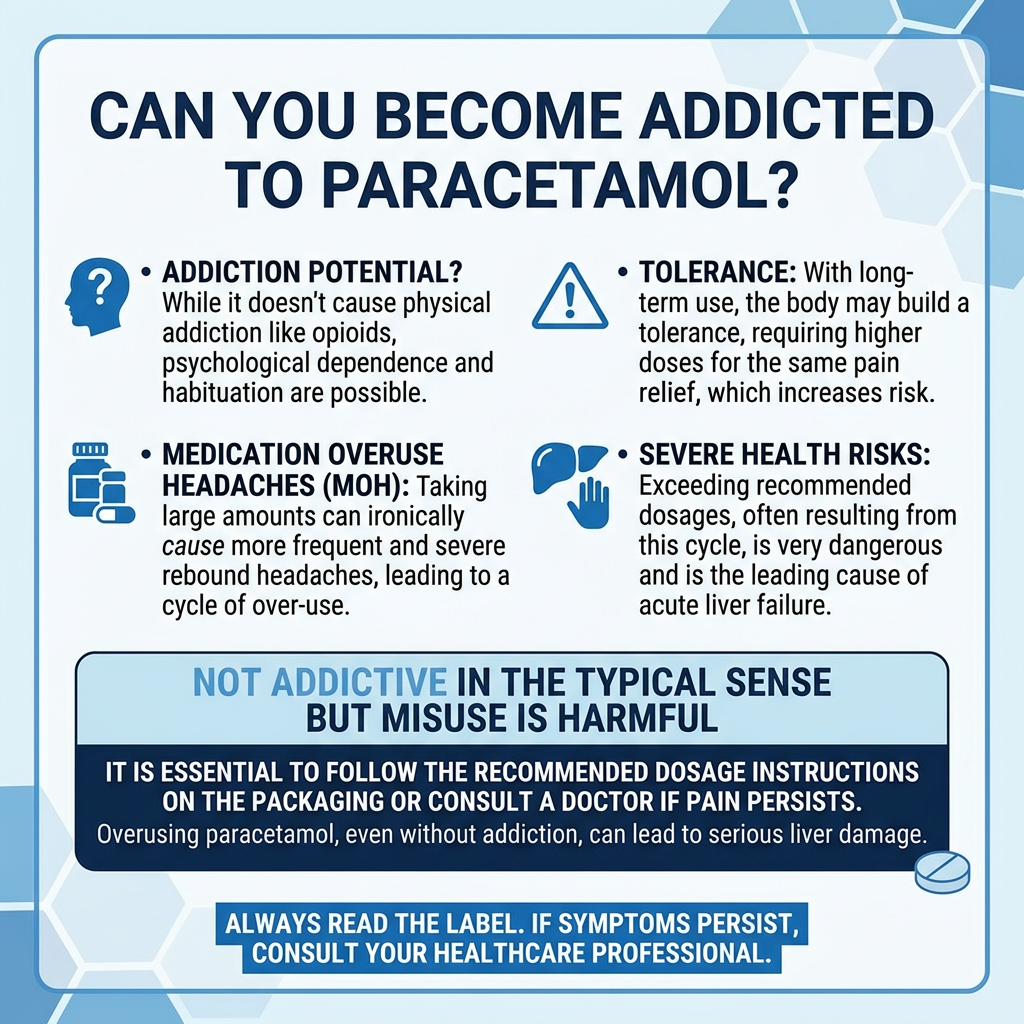
Can you become addicted to Paracetamol?
Can you become addicted to Paracetamol? No. Well not it in the same way you become addicted to heroin or alcohol as the way it affects the brain is different. That doesn't mean that some people are not addicted to taking it in the way that they take it, repeatedly. How does Paracetamol work? The…
Grace Kennedy
6:08 pm, June 26, 2026
Can you do a Methadone detox at home?
Can you do a Methadone detox at home? In theory: Yes. In practice: No. It is a nice idea that you can stay at home, take some methadone and your opioid use disorder is cured. Sadly it just doesn't work like that. In order to understand why this won't work you need to know what…
Grace Kennedy
6:49 pm, June 25, 2026