
Overcoming Guilt and Shame in Addiction Recovery
September 24, 2025
1:49 am

Table of contents
- Introduction
- Established therapeutic approaches in rehab
- Guilt and Shame in addiction : What is the Difference?
- Motivation for change: overcoming guilt and shame in addiction
- Overcoming feelings of hopelessness and despair
- Why Do People Experience Guilt and Shame During Recovery?
- How to Overcome Difficult Emotions in Recovery
- Use our experience
- Getting help
Introduction
Guilt and shame are as common in recovery as salt and vinegar is to fish and chips.
When someone, caught up in addiction, examines their behavior and the impact they are having, this leads to guilt and shame.
When someone gets into recovery from addiction, they start to repair and rebuild these relationships.
Knowing how to deal with these emotions can be crucial when addressing guilt and shame in addiction.
Established therapeutic approaches in rehab
The traditional 12 step model of recovery incorporates two key steps that will throw up feelings of guilt and shame in recovery.
These are the 4th step, making an inventory, and the 5th: Admitting your past failings.
Working through these two steps can allow a release of feelings that may be stopping recovery.
It’s imperative to understand guilt and shame in the context of addiction.
Dealing with these emotions is not easy, but a vital element along the trajectory of recovery from addiction.
Guilt and Shame in addiction : What is the Difference?
Often used interchangeably, they are not the same.
The fundamental difference is that shame is about feeling bad about yourself: Guilt is about what you have done towards others.
When someone, caught up in addiction, comes to the realization that their behaviors have had a negative impact on others, they experience guilt and shame in addiction.
It is about feeling responsible for the behavior.

Motivation for change: overcoming guilt and shame in addiction
When someone in addiction knows that what they have done towards others was not as it should have been, it can be a real motivator for change.
Guilt can be a very positive emotion as it can be the spark that ignites the desire to recover.
It can prompt someone to start taking responsibility and begin the process of repair.
Shame is a state of self-realization where past actions are processed as negative.
Phrases such as “I am not worth anything” and “all I ever do goes wrong” are not uncommon.
These feelings may not be tied to any specific event but rather take over thought processes.
Overcoming feelings of hopelessness and despair
When someone experiences feelings of shame, they can feel as if they have no worth and no respect for themselves.
They may not be able to recognize the support of those trying to help them because they feel as if they are not worth the effort.
They may feel as if they cannot be helped and/or they lack the strength to get into recovery and tackle the roots of guilt and shame in addiction.
Guilt and shame are very powerful and destructive emotions that, left unchallenged, will impede recovery from addiction.
Key Takeaways
- Guilt and shame in addiction stem from recognizing harmful behaviors towards others and oneself.
- Understanding the difference between guilt and shame is crucial; guilt relates to actions, while shame relates to self-worth.
- Positive guilt can motivate change and responsibility, while shame can lead to hopelessness if left unaddressed.
- Strategies like accepting the past and focusing on the present help overcome guilt and shame in addiction.
- Working through these emotions can enhance coping skills and promote healthier responses during recovery.
Why Do People Experience Guilt and Shame During Recovery?
Guilt and shame are two distinct emotions but are very often conjoined in addiction recovery.
When someone stops drinking or taking drugs, the thoughts these substances were suppressing will surface.
Their awareness of how their addiction took over their life and behavior can be overwhelming.
Alcohol and drugs create new brain chemistry and avert normal behaviors.
In addiction recovery, when normal brain function starts to return, emotions and thoughts start to come through.
This is when guilt and shame start to create problems, but they can be overcome with proper strategies against guilt and shame in addiction.
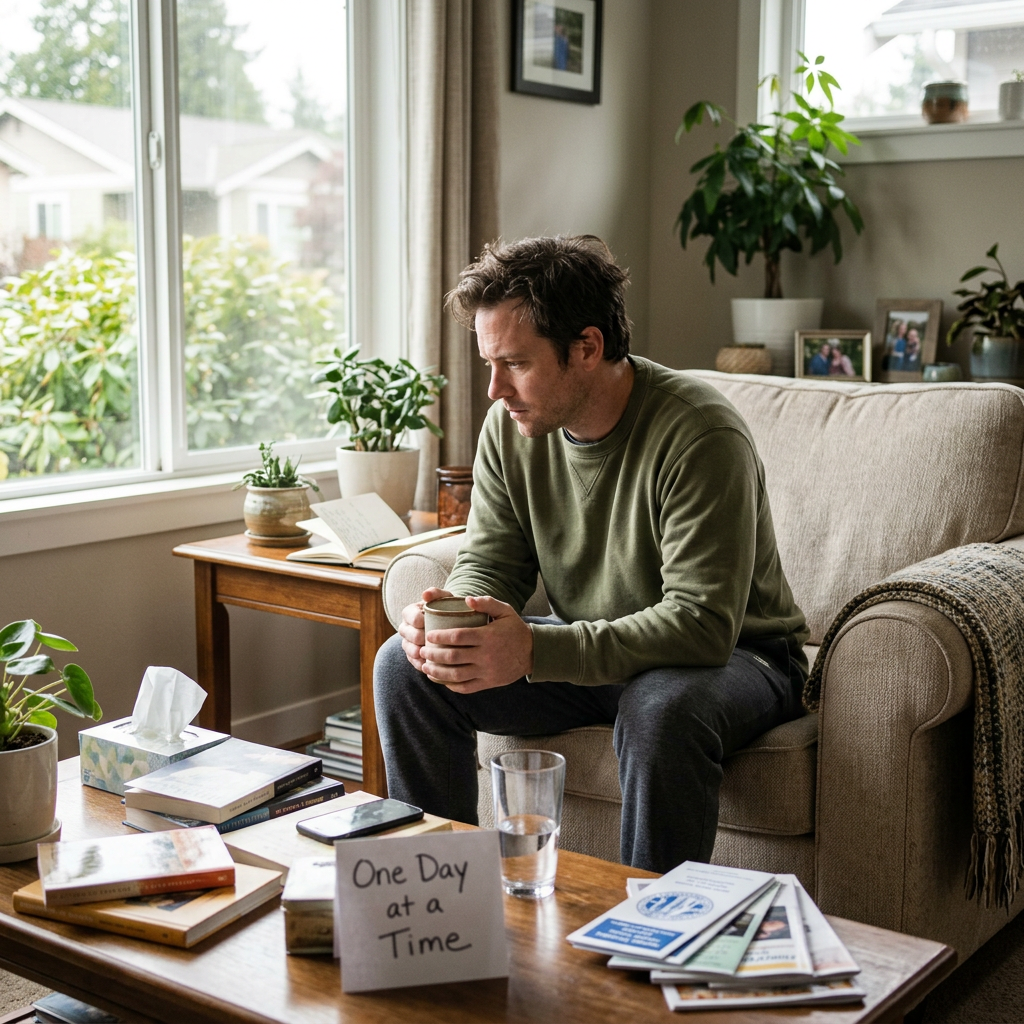
How to Overcome Difficult Emotions in Recovery
Overcoming shame and guilt is not easy, but it is achievable. Below are some tips on how to do this:
- Accept your past: You cannot revisit it, but you can start to process and understand it.
- Learn about your emotions and how to regulate them: This is crucial in relapse prevention.
- Focusing on the present: Helps to manage worrying about the past and the future.
- Learn to forgive yourself and move on: You cannot change the past.
- Build new relationships, create positive friendships, and be around people who support you.
- Go to meetings. 12 step/SMART: It matters not, just go!
- Undertake therapy.
- Get help.
Benefits of Working Through Emotions in Recovery
The trajectory from addiction to abstinence is not a smooth path: There will be obstacles in the way.
When someone learns how to understand and manage their feelings of guilt and shame, they can begin to develop more positive emotional responses, vital for addressing guilt and shame in addiction.
Their motivation will increase and their coping skills will become more mature.
When processing feelings of guilt and shame, someone in recovery will be able to approach difficult situations with a more positive mindset.
Their first thought will not be reaching for a bottle or drugs but to work out a solution to the problem.

Use our experience
Here at Find Me a Rehab we have experienced addictions clinicians who have spent decades treating patients in private and statutory provision.
We provide 24 Hour Addiction Help. If you need Free Clinician Drug Advice: Call or email. All enquiries are treated in the strictest of confidence.
We are not tied to any particular service so our advice is impartial and always free.
Getting help
Call, email or live chat with one of our experienced addictions clinicians on any aspect of therapy, addiction, detox, rehab, home treatment, relapse prevention and aftercare.
Our clinicians can discuss treatment plans, treatment options, locations, costings and logistics.
We only signpost to legally registered services.
Need help finding the right rehab for you or a loved one? Get in touch today and take the first step toward recovery.
Speak to usRecent Posts
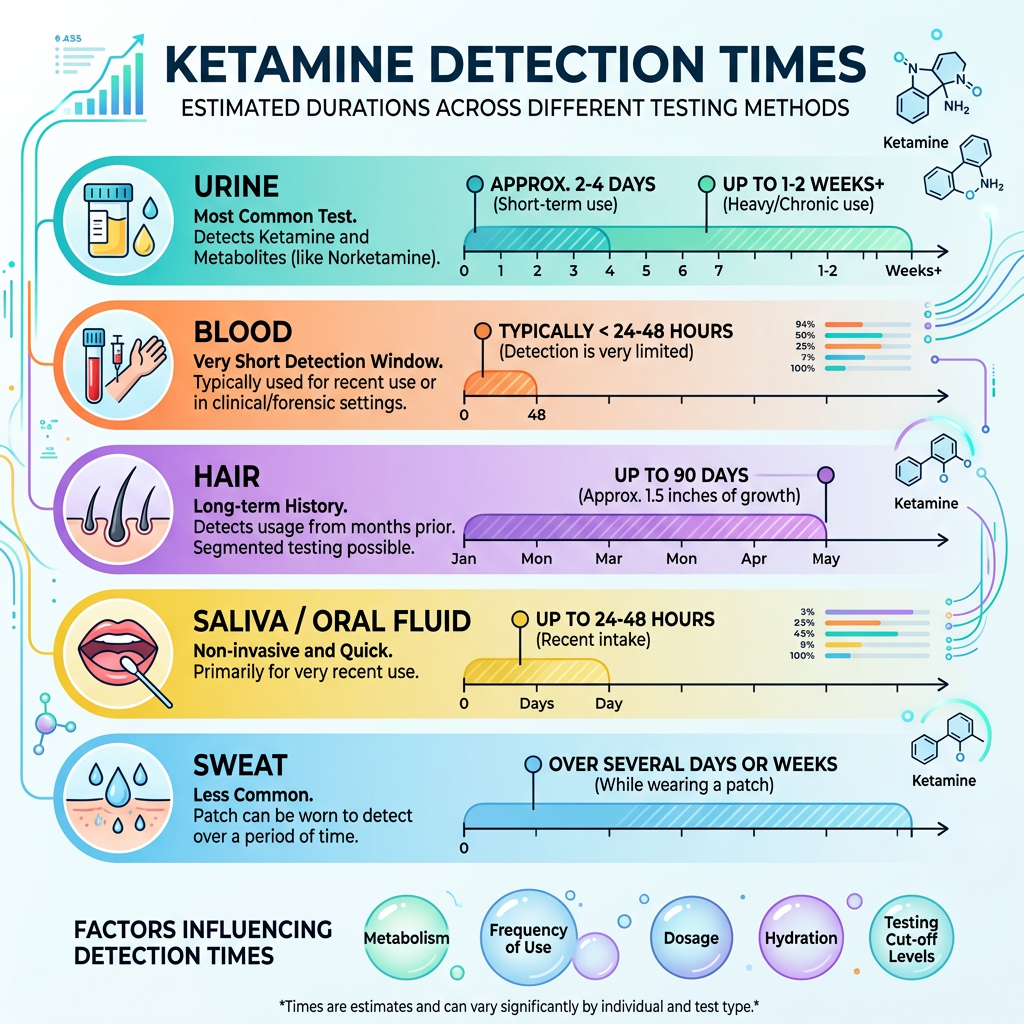
How long does Ketamine stay in your system?
How long does Ketamine stay in your system? As an experienced addictions clinician with over thirty years experience my question to that is: Why do you need to know? Is it because you are worried it will show up in a drug screen at work? Are you worried about being drug tested by the police…
Grace Kennedy
12:23 pm, July 2, 2026
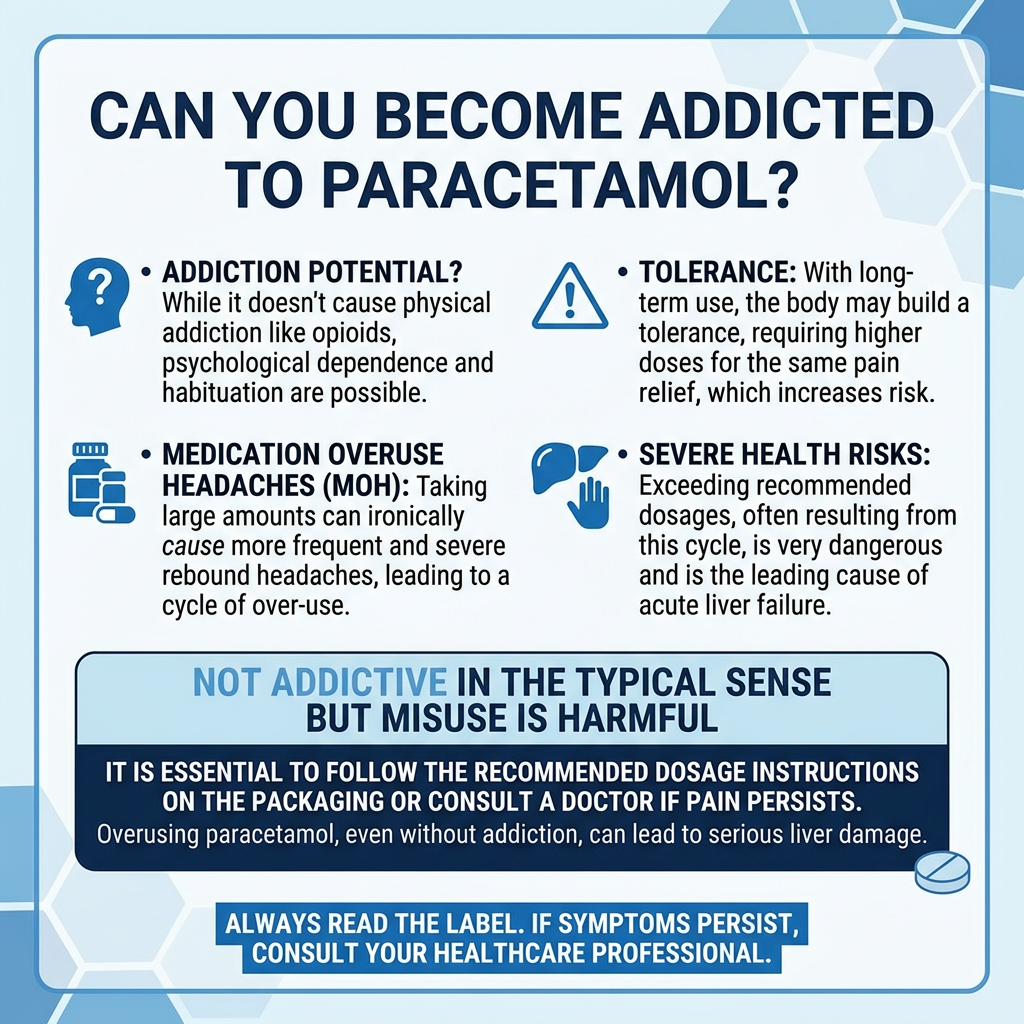
Can you become addicted to Paracetamol?
Can you become addicted to Paracetamol? No. Well not it in the same way you become addicted to heroin or alcohol as the way it affects the brain is different. That doesn't mean that some people are not addicted to taking it in the way that they take it, repeatedly. How does Paracetamol work? The…
Grace Kennedy
6:08 pm, June 26, 2026
Can you do a Methadone detox at home?
Can you do a Methadone detox at home? In theory: Yes. In practice: No. It is a nice idea that you can stay at home, take some methadone and your opioid use disorder is cured. Sadly it just doesn't work like that. In order to understand why this won't work you need to know what…
Grace Kennedy
6:49 pm, June 25, 2026