
Understanding the 12-Step Recovery Process for Addicts
July 2, 2025
9:00 am
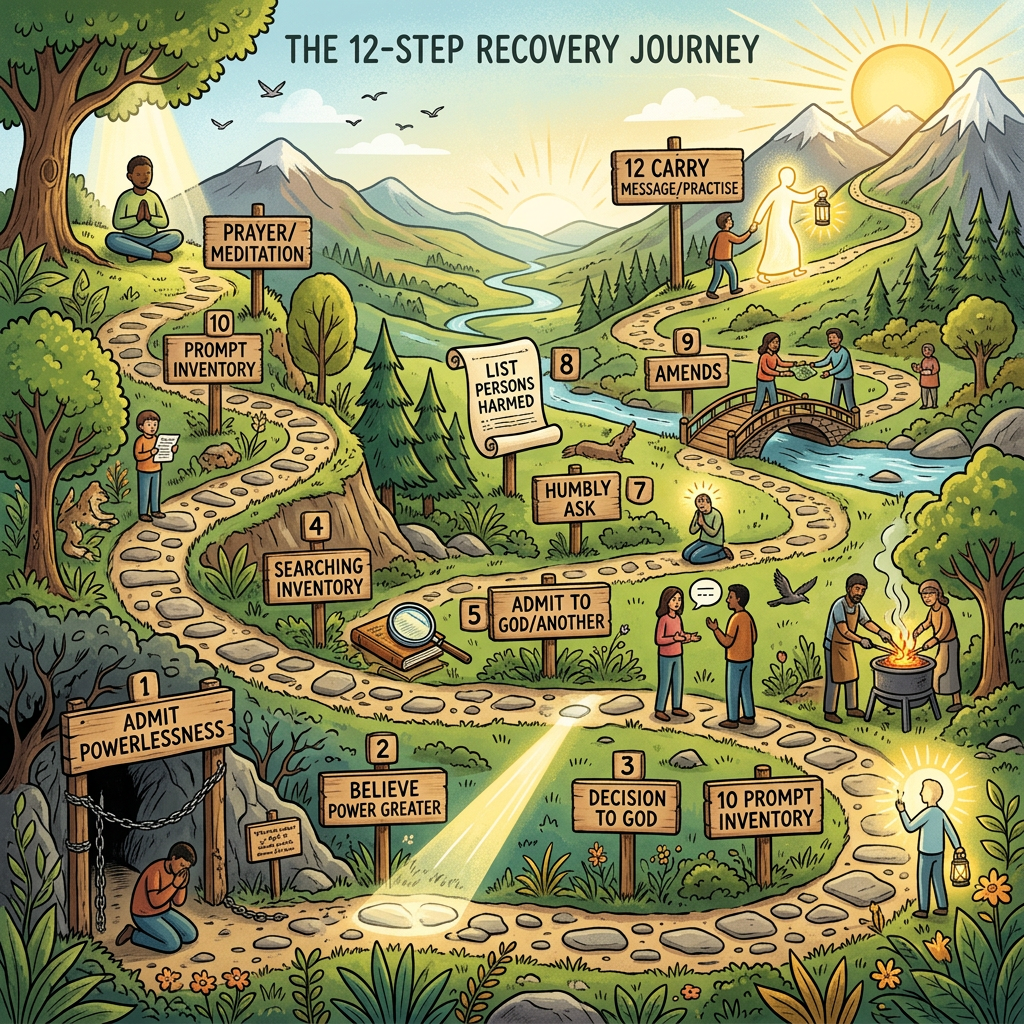
Table of contents
- Introduction
- What is the basis of the 12 steps?
- What are the individual steps and how do they work?
- What are the benefits of the 12-step process?
- What challenges can people face in a 12-step program?
- Does the 12 steps for addiction treatment work?
- Lived experience
- Are there alternatives to the 12 steps?
- Continuing the 12 steps for addiction treatment after rehab
- Does it really matter which model is used?
- How can Find Me a Rehab help?
- Getting help
Introduction
Around the world, right now, whatever time of day you are reading this, there will be people in a 12 step meeting. Some will be at their first meeting, others at there 100th.
You could be at a meeting in China held in Cantonese, one in Antwerp in Flemish or in England in sign language.
Addiction doesn’t care if you are white, black, gay, straight, trans, rich, poor, unable to read and write or a university professor and neither does the 12 steps.
The 12 steps for addiction treatment: Have you heard about it?
There are very few people who haven’t heard of the 12 steps.
Do you know how it works and how many millions of people, across the world, owe their life to its philosophy and teachings?
While the model has been around for nearly 100 years, it has spread throughout the world and there are meetings in nearly every country in the world: in person and on-line.
Let our experienced addictions clinicians share their knowledge and experience with you in this blog.
What is the basis of the 12 steps?
At its core, the 12 steps are centred around the concept that addiction affects people in three ways:
- Physically
- Spiritually
- Mentally

What are the individual steps and how do they work?
- Acceptance: The initial phase is to take ownership that you are in addiction; by doing so you regain control over it.
- Trust: Putting your trust in a higher power provides hope for recovery. This does not need to be a religious power, it can be anything that is important to you.
- Liberation: By engaging with your higher power and actively living in the way your power wants you to live can put you on a trajectory of recovery
- Understanding: This is the time to go through past actions and behaviors and examine why you thought and acted in that way and your moral standpoint at the time.
- Acknowledgement: At this point, the person takes ownership of past mistakes and shares them in the safety of the group. This can be a difficult element of the 12 steps but can really help to take the person into a different realm, to establish lifelong connections with peers also in addiction and working towards sobriety and abstinence. It is also here where the person begins to understand that they are not imperfect.
- Freedom: Now that the person has accepted that no one is perfect, that they have made mistakes and have a new direction they can abandon harmful and damaging behaviors which have held them back.
- Growth: With a new zest for life, this stage centres around being grounded and strengthening connection with your higher power as you continue to take guidance.
- Reflection: Being in addiction usually means others have been affected on the way. Here you will learn to look at this and stop avoiding reaching out to people who have been hurt and making amends.
- Forgiveness: If it doesn’t cause someone more problems, this is where you reach out to someone you have hurt while in addiction and seek forgiveness
- Continuity: As you grow, in your new life of abstinence and sobriety it is important to check your behaviors and thoughts and how they impact.
- Connection: This is about looking for insight from your chosen power source. It could be through keeping a journal, meditation, etc.
- Helping others: The 12 steps is a continuum. Now that you have come full circle, it is time to introduce others to the program.
What are the benefits of the 12-step process?
There are numerous benefits for those who immerse themselves into a 12-step program, including:
- A structured network of others in recovery
- A sense of accountability
- Non-judgmental ethos that promotes honesty
- Personal and spiritual growth
- Flexible across a wide range of addictions, not just alcohol
- Planned approach to recovery along an established trajectory
What challenges can people face in a 12-step program?
The 12 steps are centred around a higher power which can be challenging to some. It is not a religious based philosophy but there is a lot of misconception around this.
Making an inventory of past mistakes and damaging behaviours can be very challenging and emotionally draining, but the result can be life changing.
Being in a group may be a new experience for some and, at first, might be a little overwhelming. However, the power of the group can be transformative.
Resilience:
Staying committed to recovery is a lifelong commitment. Attending meetings, post treatment in a rehab centre will take time out from other commitments but has been shown to be a vital component in staying sober.
Attending meetings regularly can help maintain motivation and build a strong foundation for lasting recovery.
Does the 12 steps for addiction treatment work?
That depends solely on the individual and how willing they are to take the messages on board and commit to the process.
Simply going to meetings, nodding and smiling won’t work.
Those who are open minded, determined and ready to do the work necessary to progress through the steps are the ones who are most likely to stay sober and abstinent.
Nearly all rehab centres, across the world, use the 12 steps, either as a standalone process or within an eclectic process.
Lived experience
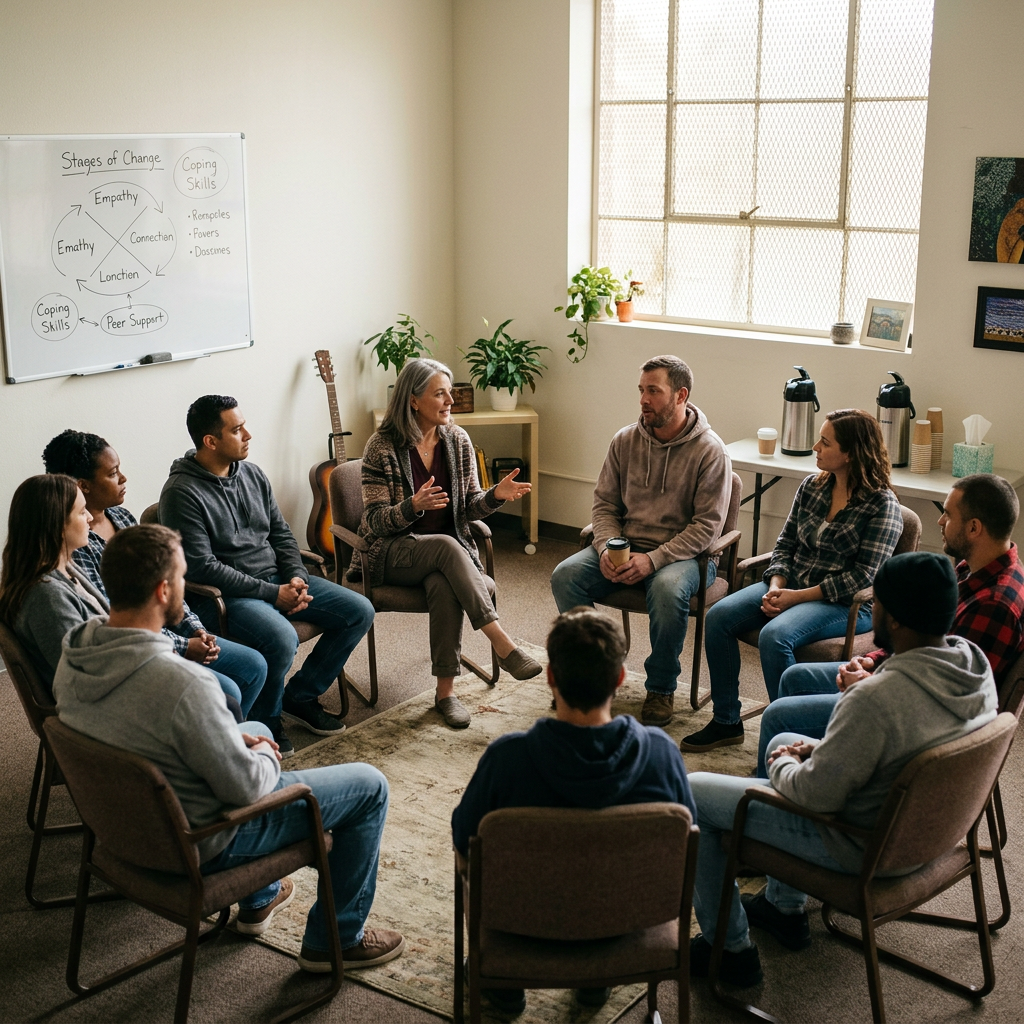
Group leaders, within rehab centres, are trained and experienced in the 12 steps and many have, themselves, been in recovery for many years.
Indeed, it is not uncommon for former clients at rehab centres to retrain as a therapist and come back as staff to lead groups.
Are there alternatives to the 12 steps?
Yes!
A number of centres use a SMART model which is an evidenced based approach which focuses on the person taking responsibility for their drug and alcohol use. The model is centred on empowering the person to take control and overcome.
There are four mail elements of SMART:
+ Building motivation for recovery
+ Dealing with cravings
+ Regulating your emotions
+ Living a balanced life
Other centres use blended models or in house designed models.
Key Takeaways
- The 12 steps for addiction treatment focus on healing physically, spiritually, and mentally.
- Each step, from acceptance to helping others, guides individuals towards recovery and accountability.
- Participants benefit from a supportive network, personal growth, and a non-judgmental environment.
- While some may find challenges in the process, commitment to the steps leads to significant changes.
- Alternatives exist, but what matters most is a genuine commitment to recovery through any model.
Continuing the 12 steps for addiction treatment after rehab
When you leave rehab you can easily link in with local 12 step groups close to where you live or work.
Groups are also available , online, even in sign language.
Meetings are held in village halls, health centres, council buildings and a host of other places.
Does it really matter which model is used?
No.
Worrying about which model of therapy is used in rehab is time wasted.
12 STEP, SMART or eclectic: It really doesn’t matter.
What matters is that you go into rehab, have a detox (if necessary) and commit to the programme.
How can Find Me a Rehab help?
We are experienced addictions clinicians who have decades of experience working in prisons, private hospitals, private rehabs, local authority funded residential rehabs and community addiction services.
Our service is free to use, completely confidential and without any obligation.
We are not tied to any particular service and only signpost to legally registered services.
The 12 steps for addiction treatment is nothing to be scared of.
Call, email or live chat and ask any questions you might have.
Getting help
If you need help with the 12 steps for addiction treatment or advice on any aspect of addiction including detox, rehab, home treatment, therapy, relapse prevention and aftercare our clinicians are here to offer free advice.
Call, email or live chat and our clinicians can discuss with you treatment plans, treatment options, locations, costings and logistics.
Need help finding the right rehab for you or a loved one? Get in touch today and take the first step toward recovery.
Speak to usRecent Posts
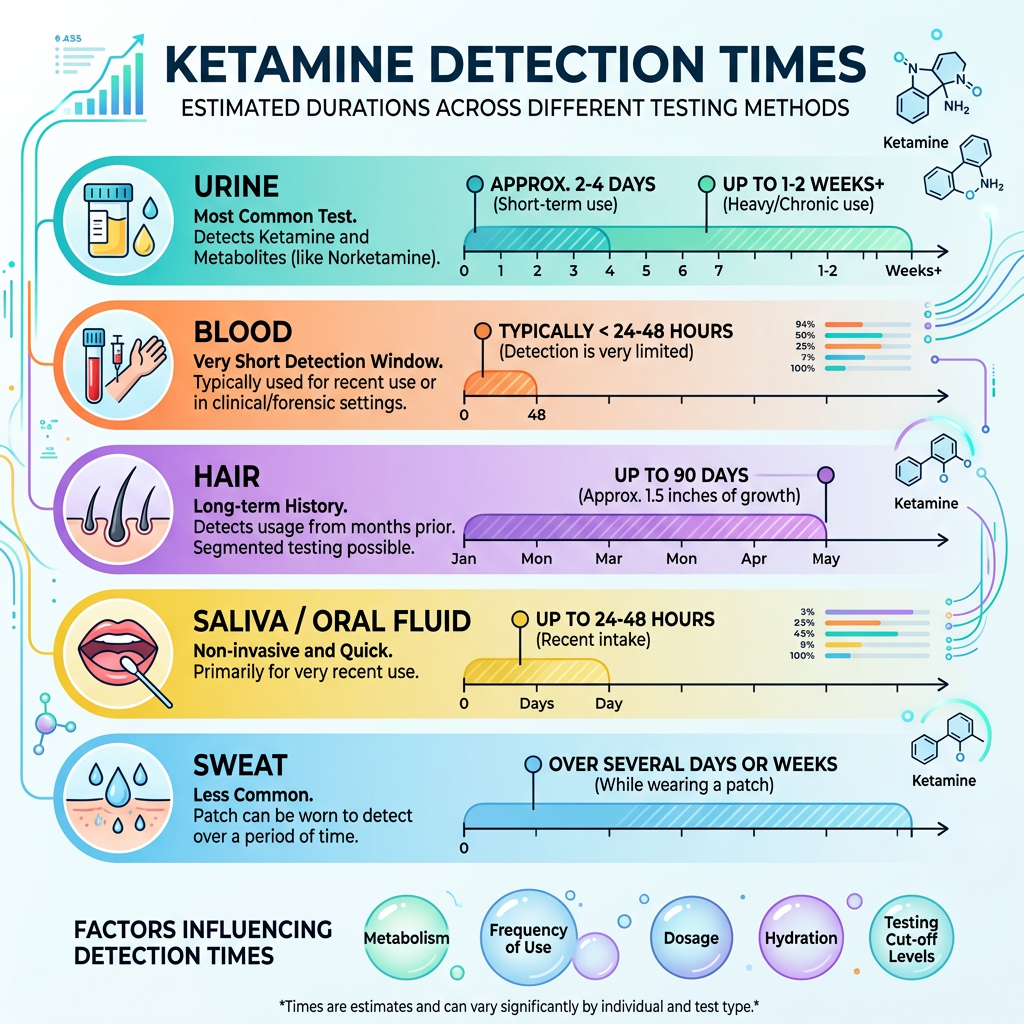
How long does Ketamine stay in your system?
How long does Ketamine stay in your system? As an experienced addictions clinician with over thirty years experience my question to that is: Why do you need to know? Is it because you are worried it will show up in a drug screen at work? Are you worried about being drug tested by the police…
Grace Kennedy
12:23 pm, July 2, 2026
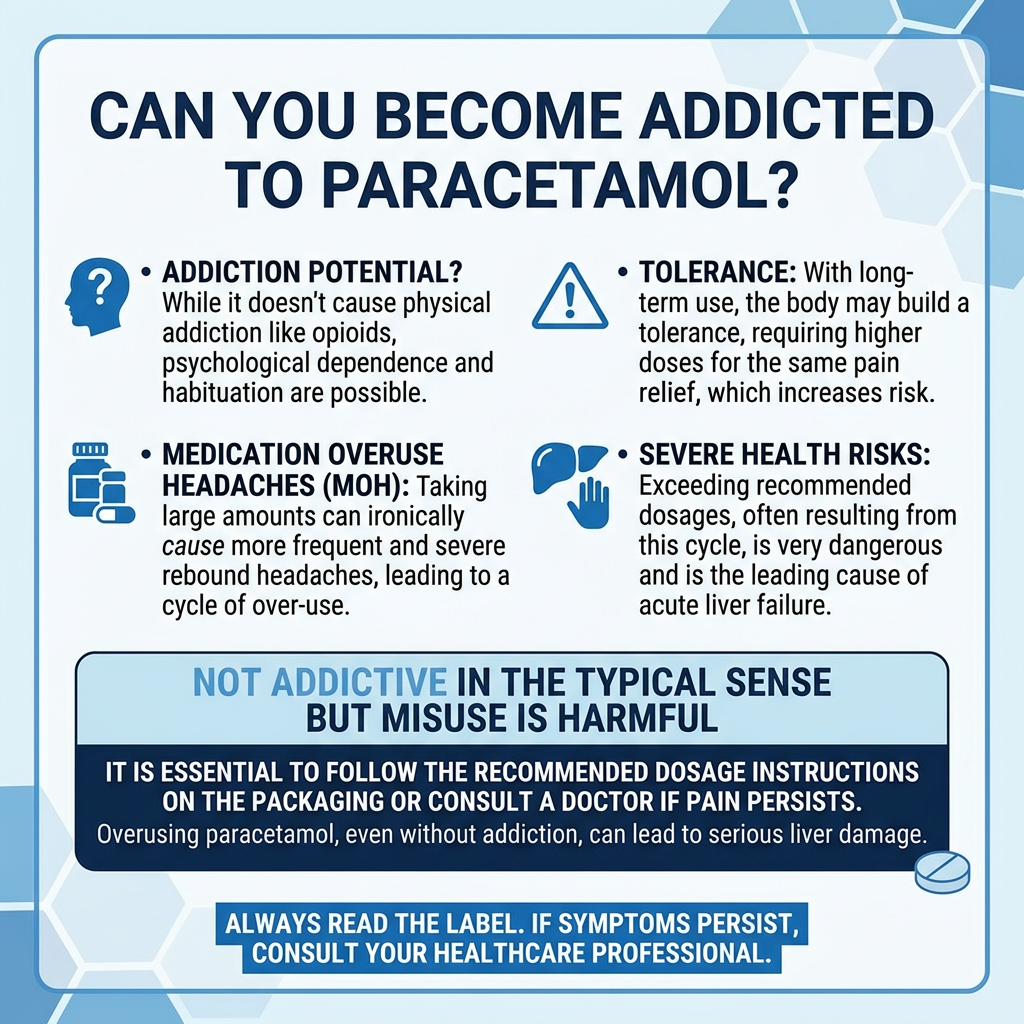
Can you become addicted to Paracetamol?
Can you become addicted to Paracetamol? No. Well not it in the same way you become addicted to heroin or alcohol as the way it affects the brain is different. That doesn't mean that some people are not addicted to taking it in the way that they take it, repeatedly. How does Paracetamol work? The…
Grace Kennedy
6:08 pm, June 26, 2026
Can you do a Methadone detox at home?
Can you do a Methadone detox at home? In theory: Yes. In practice: No. It is a nice idea that you can stay at home, take some methadone and your opioid use disorder is cured. Sadly it just doesn't work like that. In order to understand why this won't work you need to know what…
Grace Kennedy
6:49 pm, June 25, 2026