
The Stages Of Addiction
June 13, 2025
9:00 am
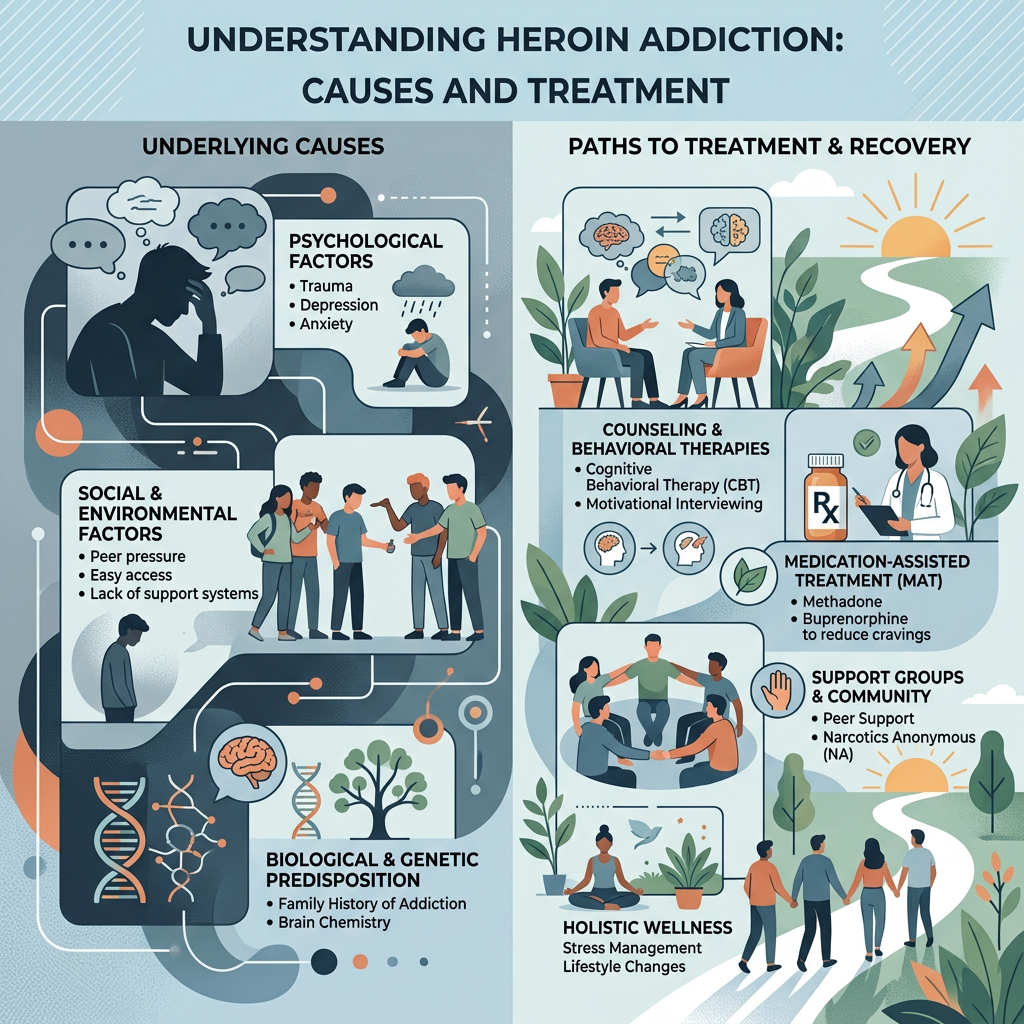
Table of contents
Introduction
If you are thinking “What are the stages of Addiction”? Read on. Let us examine what happens from Experimentation To Recovery.
Like anything in life, there are stages to a process: You are born, you grow old, and you die. Addiction follows stages, but the outcome depends on the individual and what they want to do about it: Recover or carry on.
Willpower won’t stop it, but the right treatment can. Addiction takes time to form in an individual: recovery is not achieved overnight.
Each addict goes through several stages in the cycle of recovery differently but there are some common themes.
For the last fifty years, a stages of change model have been universally used in rehab centres and is known addiction focused therapists.
Let our experienced addictions clinicians share their knowledge and experience with you.
The Stages Of Addiction 1st stage: Precontemplation
It is not uncommon for someone at this stage not to even know there is a problem. The old cliched phrase denial is often cited at this point as the person may be unable to process the damage their actions are having.
The person might be drinking every day of the week or dependent on painkillers from their GP. The biggest hurdle at this stage is that the person sees quitting as a wholly negative step.
They won’t accept help which can be incredibly difficult for those who are supporting them.
The stages of addiction: NHS care
Unless an NHS service is specifically commissioned to provide care for addiction treatment: they won’t.
Going to A+E won’t bypass protocols.
In an emergency, the NHS has a duty of care, but only as to what is reasonable in the circumstances.
This means that as soon as you are medically fit to be discharged: You will be.
They might run a quick IV fluid bag and give you some medication but they will only admit you if they absolutely have to and only for as long as it takes to get you “medically fit for discharge.”
2nd stage: Contemplation
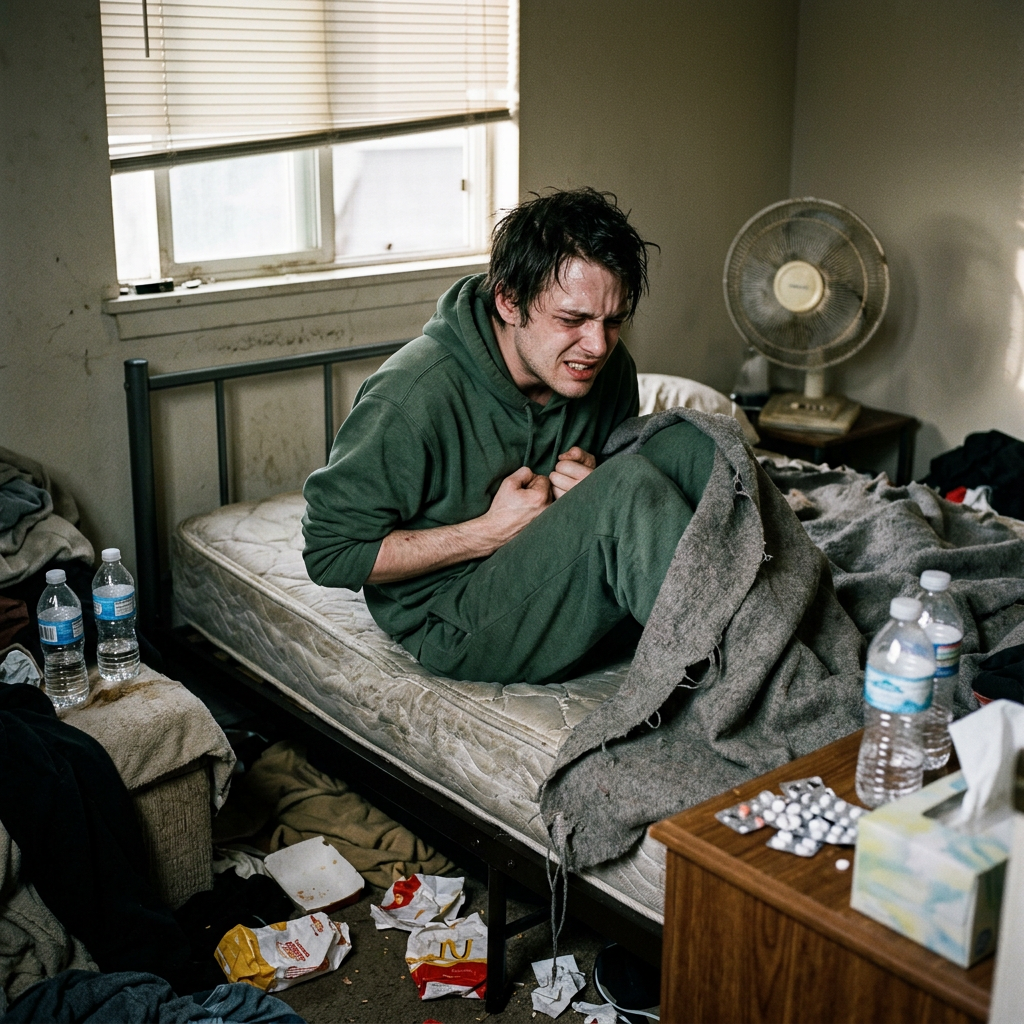
Here the person starts to think about change and realises that their use is out of control. They will start to draw up a mental list of the advantages of getting treatment and the negative connotations of quitting.
While they are open to change, they still have excuses as to why taking drugs or alcohol is a positive choice. On average this second stage happens about six months after stage one. Thoughts about how to manage work, family, commitments while in treatment often cause anxiety.
3rd Stage: Preparation
Sometimes known as preparation, it is at this juncture that someone is ready to get into treatment and recovery. It may be reducing the amount they drink, how much they spend on cocaine, etc but the danger here is withdrawal.
While not everyone will need a detox, any attempt to try and do this at home can be incredibly dangerous: if not fatal.
The adage of “lock someone on heroin in a room with a bucket and roll of toilet paper” might make good television but the resulting dehydration can force an acute medical emergency. The risk of alcohol withdrawal at home, without medical supervision and detox do not bare thinking about.
4th Stage: Action
This is the time when someone gets the ball rolling and arranges treatment at a rehab centre. On occasions, where clinically viable, treatment at home may be possible.
It is essential that, at this point, the person makes an informed choice.
While all centres provide detox and therapy, some always restrict the use of phones and laptops, others allow their use in the evenings while some allow residents to keep their devices on them. Obviously, during group time they are switched off.
Key Takeaways
- Addiction progresses through stages: Precontemplation, Contemplation, Preparation, Action, and Maintenance.
- In the Precontemplation stage, individuals often deny their addiction and resist help.
- NHS services do not typically provide addiction treatment unless specifically commissioned.
- During the Action stage, individuals begin treatment, choosing between rehab centers or home care.
- Maintenance requires ongoing effort and support to sustain recovery after initial treatment.
5th Stage: Maintenance
Getting into rehab, having a detox and taking part in the therapy groups and individual sessions is the way to get into recovery. However, that is not enough.
To stay sober from alcohol and abstinent from drugs and/or behavioural addictions takes effort, ongoing support and a lot of determination.
While the first six months, post discharge from rehab is usually a period where someone can maintain abstinence themselves, people sometimes hit a wall at this point and need, aside from the tools they learn in rehab, the support of others in recovery.
All centres offer a minimum of a twelve-month aftercare usually in the form of a weekly support group for former residents as well as telephone support.
As we have discussed, The Stages Of Addiction: From Experimentation To Recovery are able to be overcome, with the right help.
How can Find Me a Rehab help?
Call and speak to an experienced addictions clinician for free and confidential advice on any aspect of rehab, treatment, detox and therapy.
To overcome addiction, you need to develop coping strategies that need to be utilised for life to maintain active recovery. While, on occasions, this can be done without help, this is rare and the potential for a serious medical incident too high to risk.
We only signpost to legally registered centres.
Get help today
Call, email or live chat with an experienced addictions clinician on any aspect of addiction, detox, rehab, home detox, therapy, relapse prevention and aftercare.
Our clinicians can discuss treatment options, locations, treatment plans, costings and logistics.
Need help finding the right rehab for you or a loved one? Get in touch today and take the first step toward recovery.
Speak to usRecent Posts
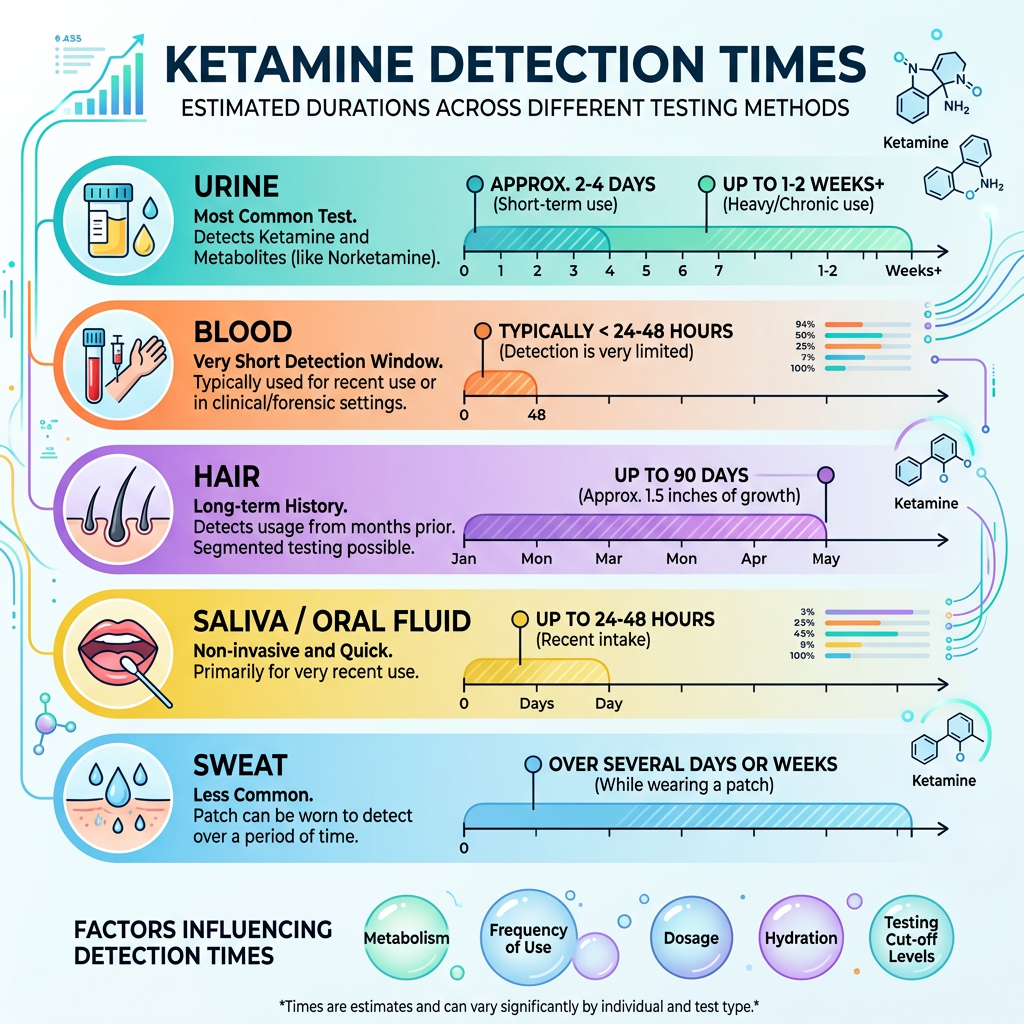
How long does Ketamine stay in your system?
How long does Ketamine stay in your system? As an experienced addictions clinician with over thirty years experience my question to that is: Why do you need to know? Is it because you are worried it will show up in a drug screen at work? Are you worried about being drug tested by the police…
Grace Kennedy
12:23 pm, July 2, 2026
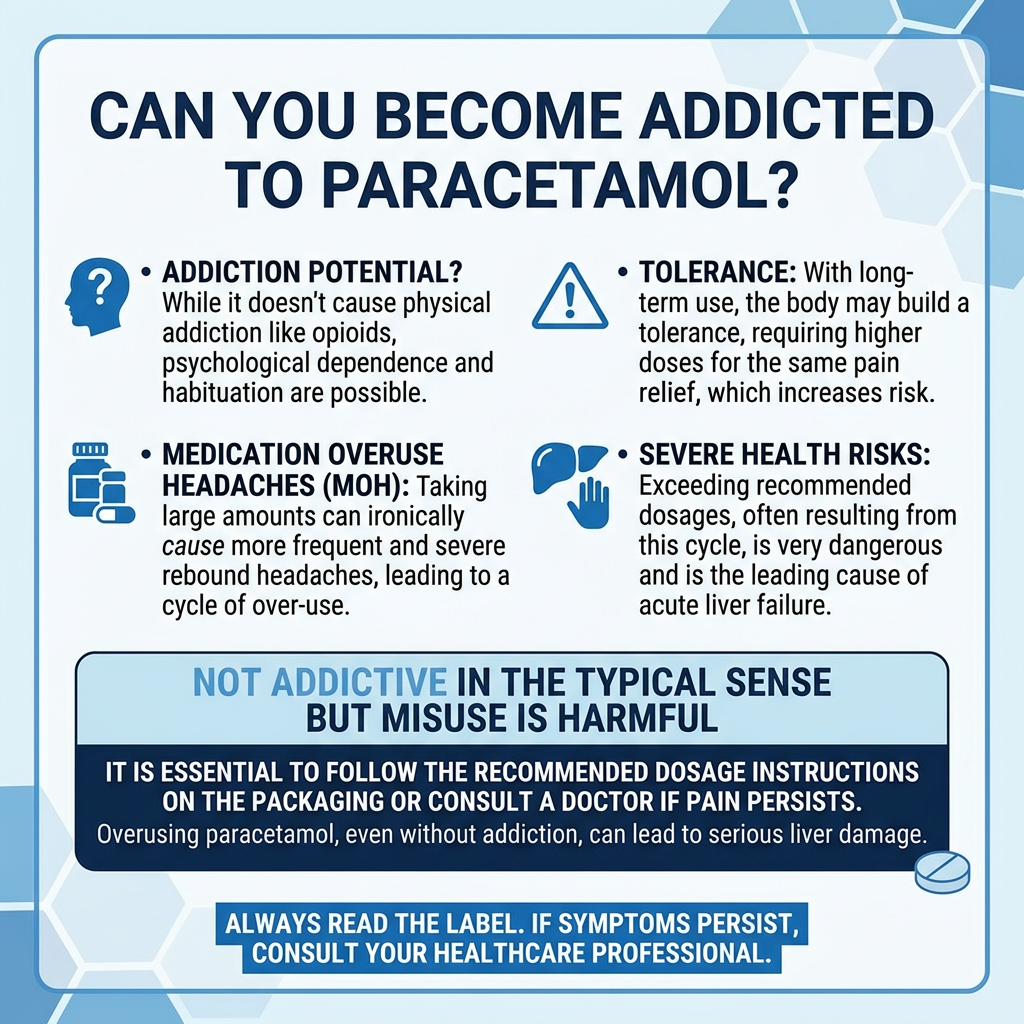
Can you become addicted to Paracetamol?
Can you become addicted to Paracetamol? No. Well not it in the same way you become addicted to heroin or alcohol as the way it affects the brain is different. That doesn't mean that some people are not addicted to taking it in the way that they take it, repeatedly. How does Paracetamol work? The…
Grace Kennedy
6:08 pm, June 26, 2026
Can you do a Methadone detox at home?
Can you do a Methadone detox at home? In theory: Yes. In practice: No. It is a nice idea that you can stay at home, take some methadone and your opioid use disorder is cured. Sadly it just doesn't work like that. In order to understand why this won't work you need to know what…
Grace Kennedy
6:49 pm, June 25, 2026