
Sinclair method for alcohol addiction: Does it work?
August 26, 2024
11:16 am

Table of contents
- More about Naltrexone: the key to TSM
- How this alcohol treatment is different from other methods
- How effective is the Sinclair Method, and what are the benefits?
- Despite its many benefits, the Sinclair Method is not without its challenges.
- How available is this treatment in the UK?
- Sinclair method for alcohol addiction: Get help today
Sinclair method for alcohol addiction: It is a tried and tested treatment that has been around for several decades.
Recent media attention has seen more people turning to this programme.
The Sinclair Method (TSM) is an innovative approach to treating alcohol use disorder (AUD). It has gained significant attention over the past few years and has been found to be highly effective for many people.
We are addictions clinicians.
Each of us has decades of experience in assessing, diagnosing, prescribing for and treating people struggling with addiction.
Here were share our advice with you so you can make an informed choice.
If you decide you want treatment we can signpost you to an appropriate service.
Our qualified clinicians are always happy to explain the Sinclair Method in more detail. In the meantime, here’s some information on how it works, the role of naltrexone, and why it can help those trying to tackle issues with alcohol.
The origins and development of the Sinclair method
This technique was developed by Dr. John David Sinclair, an American researcher whose work in the late 20th century revolutionised the understanding of addiction and treatment.
Sinclair’s approach was grounded in the concept of ‘pharmacological extinction’, which is based on the idea that the brain’s association between alcohol consumption and pleasure can be diminished over time.
By using naltrexone to block the endorphin release that typically follows drinking, the Sinclair Method aims to break the cycle of addiction.
More about Naltrexone: the key to TSM
Naltrexone is an opioid antagonist: that means it blocks the effects of opioids in the brain.
However, its application in treating alcohol dependence is where it truly comes into its own.
When someone drinks alcohol, the brain releases endorphins, which create feelings of pleasure and reinforcement.
Naltrexone works by binding to the opioid receptors in the brain, preventing these endorphins from creating the usual rewarding effects associated with drinking. This process is crucial to the Sinclair Method, as it gradually reduces your brain’s reliance on alcohol for pleasure, leading to a decrease in the desire to drink over time.
Key Takeaways
- The Sinclair method for alcohol addiction uses naltrexone to reduce cravings and alter the brain’s pleasure response to alcohol.
- This method allows controlled drinking without requiring complete abstinence, making it more manageable for many individuals.
- Research shows that up to 78% of users experience a significant reduction in alcohol consumption with the Sinclair method.
- Challenges include adherence to taking naltrexone and its suitability for individuals with certain health conditions.
- The Sinclair method is gaining recognition, but it remains less widely adopted in traditional treatment settings in the UK.
How this alcohol treatment is different from other methods
This method doesn’t require immediate abstinence from alcohol. Instead, individuals take naltrexone approximately one hour before consuming alcohol.
This allows the medication to take full effect, blocking the pleasurable sensations usually linked with drinking.
Over weeks and months of consistent application, the brain’s association with alcohol and pleasure is weakened, in a process known as ‘extinction’.
This gradual approach to reducing alcohol consumption is a significant departure from traditional methods that often promote complete abstinence.
The Sinclair Method recognises that sudden and complete abstinence might not be realistic or necessary for everyone.
By allowing individuals to drink in a controlled manner while taking naltrexone, TSM offers a more flexible and less intimidating pathway to reducing alcohol dependence.
How effective is the Sinclair Method, and what are the benefits?
Research and clinical trials have shown that the Sinclair Method can be highly effective for many individuals struggling with alcohol use disorder. In fact, studies suggest that up to 78% of people who follow TSM experience a significant reduction in their alcohol consumption.
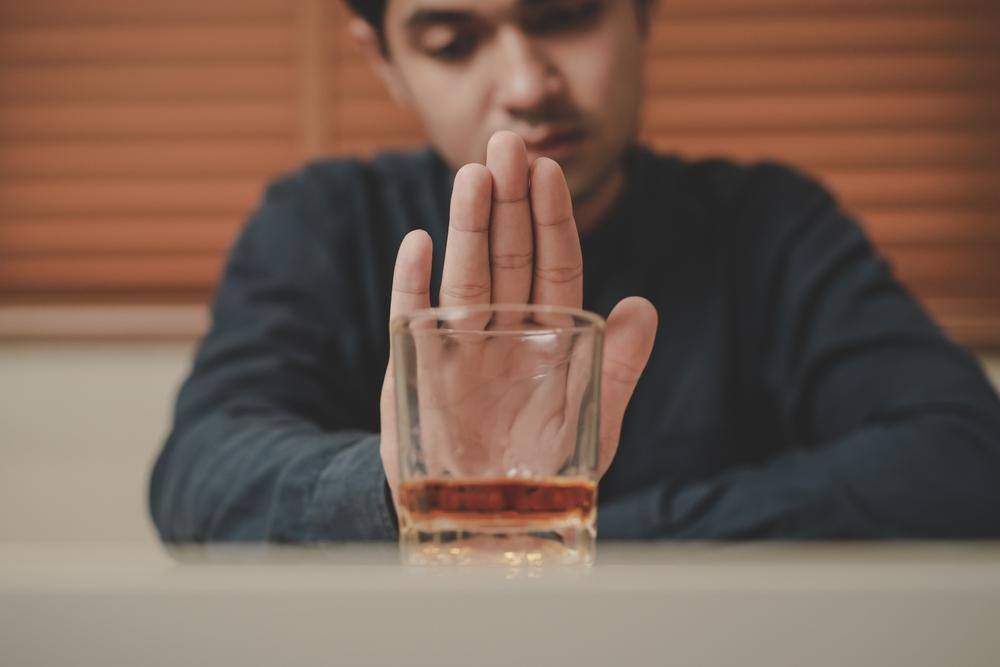
One of the key benefits of TSM is that it allows you to continue with your life without the stigma or stress of complete abstinence. This flexibility makes the method particularly appealing to those who may find traditional sobriety-focused treatments daunting.
Moreover, the gradual reduction in drinking often leads to fewer withdrawal symptoms and a lower risk of relapse compared to sudden abstinence. For many, the Sinclair Method feels more manageable and less overwhelming, which can lead to higher rates of long-term success.
Despite its many benefits, the Sinclair Method is not without its challenges.
One of the biggest issues is adherence—ensuring that participants consistently take naltrexone before drinking.
If someone is not consistent, the process of extinction cannot occur, and the effectiveness of the treatment is compromised. Like most treatments, it requires a level of discipline and commitment, which can be difficult for some people.
Another consideration is that TSM may not be suitable for everyone.
Individuals with certain health conditions, such as liver disease, may not be able to take naltrexone safely.
Additionally, the method is not a quick fix; it requires time and patience as the brain gradually unlearns its association between alcohol and pleasure.
This long-term commitment may not appeal to those seeking more immediate results.
How available is this treatment in the UK?
Awareness and adoption of the Sinclair Method have been growing, though it is still not as widely recognised as more traditional approaches to alcohol addiction treatment.
For instance, the NHS has been slower to adopt TSM, with more focus traditionally placed on abstinence-based therapies. Nonetheless, private clinics and online support networks have increasingly made TSM more accessible to those seeking an alternative approach to managing alcohol dependence.
Our substance abuse hotline can offer advice on a wide range of topics. We’re committed to helping people find the right rehab centre or treatment for their needs.
If you’re seeking alcohol addiction in the UK, simply contact our expert for more information.
Sinclair method for alcohol addiction: Get help today
We are addictions clinicians.
Call, email or live chat for free, confidential and impartial advice on any aspect of addiction, detox, Sinclair method, rehab, home treatment, therapy, relapse prevention and aftercare.
Our clinicians advice is free and confidential.
They can advise on treatment plans, treatment options, locations, costings and logistics.
Need help finding the right rehab for you or a loved one? Get in touch today and take the first step toward recovery.
Speak to usRecent Posts
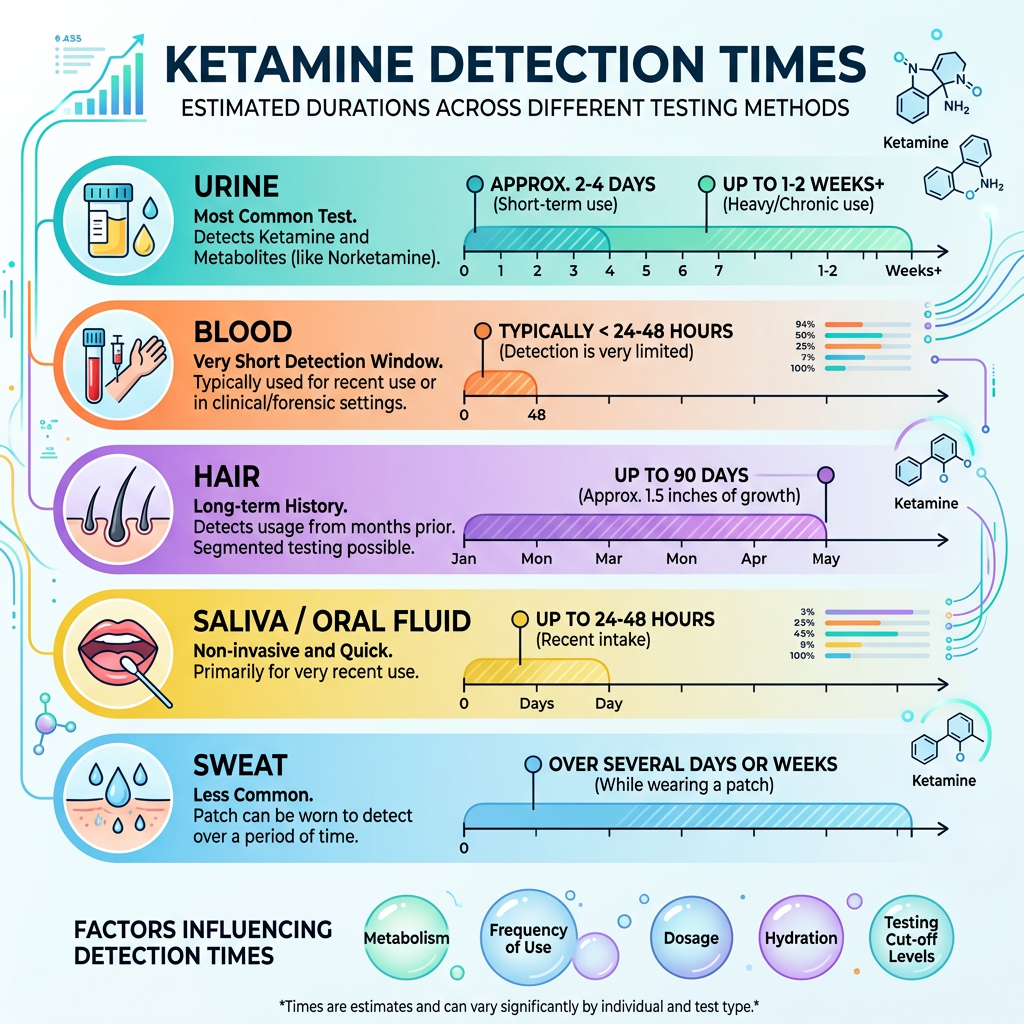
How long does Ketamine stay in your system?
How long does Ketamine stay in your system? As an experienced addictions clinician with over thirty years experience my question to that is: Why do you need to know? Is it because you are worried it will show up in a drug screen at work? Are you worried about being drug tested by the police…
Grace Kennedy
12:23 pm, July 2, 2026
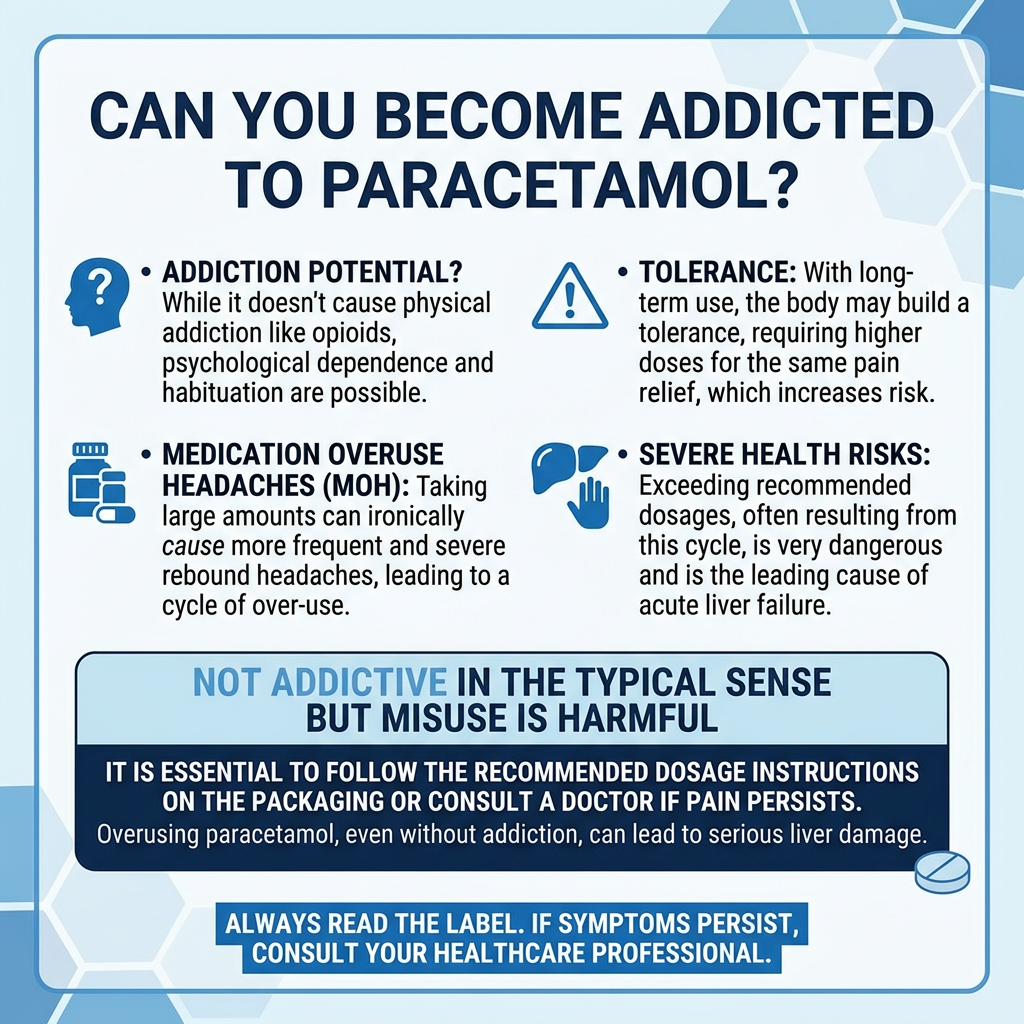
Can you become addicted to Paracetamol?
Can you become addicted to Paracetamol? No. Well not it in the same way you become addicted to heroin or alcohol as the way it affects the brain is different. That doesn't mean that some people are not addicted to taking it in the way that they take it, repeatedly. How does Paracetamol work? The…
Grace Kennedy
6:08 pm, June 26, 2026
Can you do a Methadone detox at home?
Can you do a Methadone detox at home? In theory: Yes. In practice: No. It is a nice idea that you can stay at home, take some methadone and your opioid use disorder is cured. Sadly it just doesn't work like that. In order to understand why this won't work you need to know what…
Grace Kennedy
6:49 pm, June 25, 2026