
Help for Gambling addiction
Free advice, from a clinician in the field for help with gambling addiction , detox, withdrawal, rehab, admission, therapy, counselling and outpatients.
Help for gambling addiction
Anyone can get help for gambling addiction just as gambling addiction can happen to anyone.
Addiction is a truly equal opportunities illness.
You could be a lawyer, engineer, cleaner or school crossing patrol: It matters not.
It might start with a scratch card on pay day or a weekly lottery ticket. What starts as something fun and harmless ends up with a very unhealthy obsession and very serious consequences.
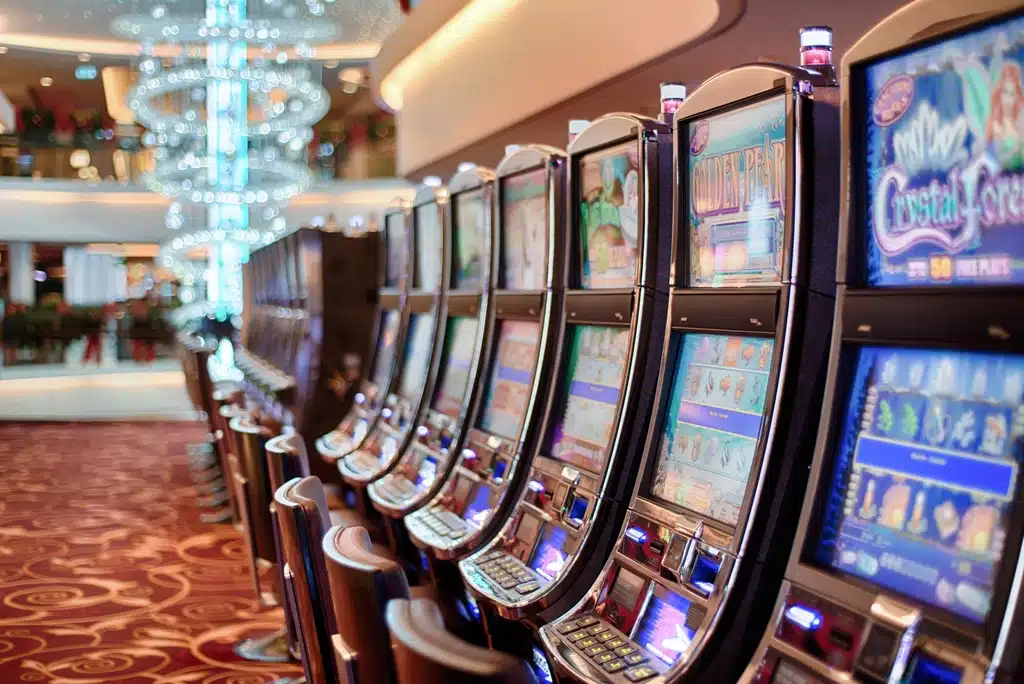
It could be slot machines, online gambling, trips to the bookmakers or a casino.
How you gamble is not important: They will all lead to the same destination.
Gambling addiction can put an incredible strain on your finances, relationships, business and studies.
It is not uncommon to loose your house, car, spouse, etc. Bankruptcy is no picnic.
Some people become so desperate they steal and/or get involved with loan sharks.
However deep you are in the hole, the next bet is not going to save you. The richest person in a casino is the person who owns it.
Gambling addiction
What is gambling addiction?
Gambling addiction, pathological gambling, compulsive gambling, gambling disorder: Call it what you will.
In short, it is an impulse control disorder.
When you can not control your gambling, it it underlying impulse that is the problem.
You known you shouldn't.
You know you can not afford it.
Your relationship is under strain, the mortgage is in arrears and the final demands are now being hand delivered by bailiffs.
Yet you can not stop.
Lady luck doesn't exist.
Even if she did, whatever you win goes straight back into your addiction.

Gambling addiction
problem gambling
You may be in a hole, but not as far down as others.
Problem gambling is where you still have a modicum of control yet you are still spending a lot of time on it, money you really can't spare and you are chasing losses.
Your life is disrupted but not, completely, out of control.

Gambling addiction
Help for gambling addiction and your mental health
Very often, gambling addiction comes with other problems.
Many compulsive gamblers suffer from alcohol and drug addiction as well as untreated ADHD.
Stress, depression , anxiety and bi-polar disorder and all very common in those who can not control their gambling habits.
It may seem that there is nothing you can do to overcome compulsive gambling.
That just isn't true.
If you understand the problem, you are on the first rung of the ladder to overcoming it.

Gambling addiction
Help for Gambling Addiction:Myths and facts
Frequency:
Some people gamble daily, hourly, every 5 minutes. Some once a week or a month.
If the behaviour causes problems then you have a problem.
You may plan your gambling or it may be impulsive.
Both can be just as destructive and the outcomes the same.
Financial:
Just because you can afford to gamble doesn't mean it isn't a problem.
Gambling can take up massive amounts of time.
It can lead to job losses, poor mental health, anxiety and even suicide.
You can loose your house, your business and end up with bailiffs banging on your door.
Willpower:
Being caught up in a vortex of compulsive gambling has nothing to do with lack of willpower.
You aren't stupid or weak willed.
Gambling addiction, just like any addiction, is an equal opportunities illness.
Rich, poor, manual labourer, PhD holder: Makes no difference.
Free Rehab Advice
Free Rehab Advice exists to provide free and confidential advice to those seeking admission to drug and alcohol rehabilitation from an experienced addictions.
Find Out MoreHome Detox
Speak to an experienced addictions clinician on home detox: free and confidential advice.
Find Out MoreResidential Rehab
Call for free and confidential advice on residential rehab,detox,recovery, therapy and counselling from a clinician.
Find Out MoreGambling addiction
Myths and facts
Someone elses fault:
Just as gambling is not due to a lack of willpower, neither is it someone else's fault.
Blaming someone else is an avoidance tactic. It is an attempt to shift responsibility.
You can help by clearing someone's debts
Would you buy heroin for a heroin addict?A bottle of whiskey for an alcoholic? No!
If you clear someone's debts, all you are doing is enabling them.
It will be a quick fix.
Bailing someone out is like putting them in a life raft with a hole in it. They will sink: quickly.
Gambling takes a lot of time:
Not necessarily!
The internet enables someone to gamble 24/7 on their smartphone.
Large towns and cities have 24/7 casinos and slot machine arcades and betting shops have fixed odds betting terminals.
You don't have to go to a racetrack to get hooked.
Online gambling is less problematic:
Putting your credit card number into a smartphone or laptop keyboard is just the same as buying chips in a casino or putting on a bet in a bookmakers.
It matters not how you spend the money, or where. The end result is the same.

Gambling addiction
Sign and symptoms
Unlike alcohol and drug addiction, there are no physical signs associated with gambling addiction. it is very easy to deny the problem. If you don't have a joint bank account or live on your own it is easier to conceal.

Gambling addiction
Recognising the signs of gambling addiction
In time, you will start to recognise that you have a problem.
These feelings can include:
Having to be secretive: You start to conceal your behaviour and tell lies about where you have been.
You worry people won't understand.
You feel out of control: Once you start, you just can not stop. You have £5 left until payday but you just can not resist the urge.
Debt: You start to borrow, even steal, money in order to fund your habit. Bills are ignored. The mortgage goes into arrears. Your world is crashing around you but you just can not stop.

Gambling addiction
Causes and risk factors
When you start gambling, it gives you a rush.
An intense pleasurable feeling that is triggered by the release of naturally occurring chemicals in the brain.
It is a normal human reaction to chase pleasure.
The problem is that, if you keep doing it, the brain will adjust to the constant release of these chemicals.
Your brain is constantly put in a situation where these chemicals are released it will develop what is known as tolerance.
This means that you will need to engage in more and more addictive behaviours to have the same effect as when you started.
You might win £2 on a scratch card or £1,000,000 on the lottery: The feeling will be the same.
Young men between 18 and 29 are more likely to develop a gambling problems.
Those who live alone and are struggling, financially, are also more prone.

Get The Help You Need Today.
Free Rehab Advice exists to provide free and confidential advice to those seeking admission to drug and alcohol rehabilitation centres in the UK, and abroad from an experienced addictions clinician.
Contact UsGambling addiction
Additional contributory factors
Sometimes, gambling addiction runs alongside other problems such as:
Schizophrenia
Drug and alcohol addiction
Personality disorder
Impulse control disorder

Gambling addiction
What about home treatment for gambling addiction?
Depending on the severity of the problem, it may be possible to have treatment as an outpatient or even at home.
Speak with an experienced addictions clinician, without charge, for confidential and wholly impartial advice.
Therapy
All centers who provide treatment for addiction provide a fully immersive therapy programme, either along a 12 step approach or a SMART based recovery model. These run seven days a week and , those in treatment, are obliged to attend all sessions if physically well enough to do so. For new admissions, it can be 24-48 hours , on occasion, before someone is able to take part.
Sitting alongside this programme, many centers also offer adjunctive treatments and therapies such as:
Yoga
Mindfulness
Art therapy
Gentle exercise and group walks
Music therapy
Individual sessions (for those staying more than a week)
Clients, before leaving, are linked in with support groups in their local community, be they voluntary or statutory. A psychological tool kit is built up so that clients have a selection of techniques to employ.
If you need treatment for alcohol addiction, heroin addiction advice call and speak to us. We can provide heroin addiction help on 0333 041 9922.
We only signpost to legally registered services.