
Recognizing Early Signs of Alcohol Addiction
December 20, 2025
2:11 pm
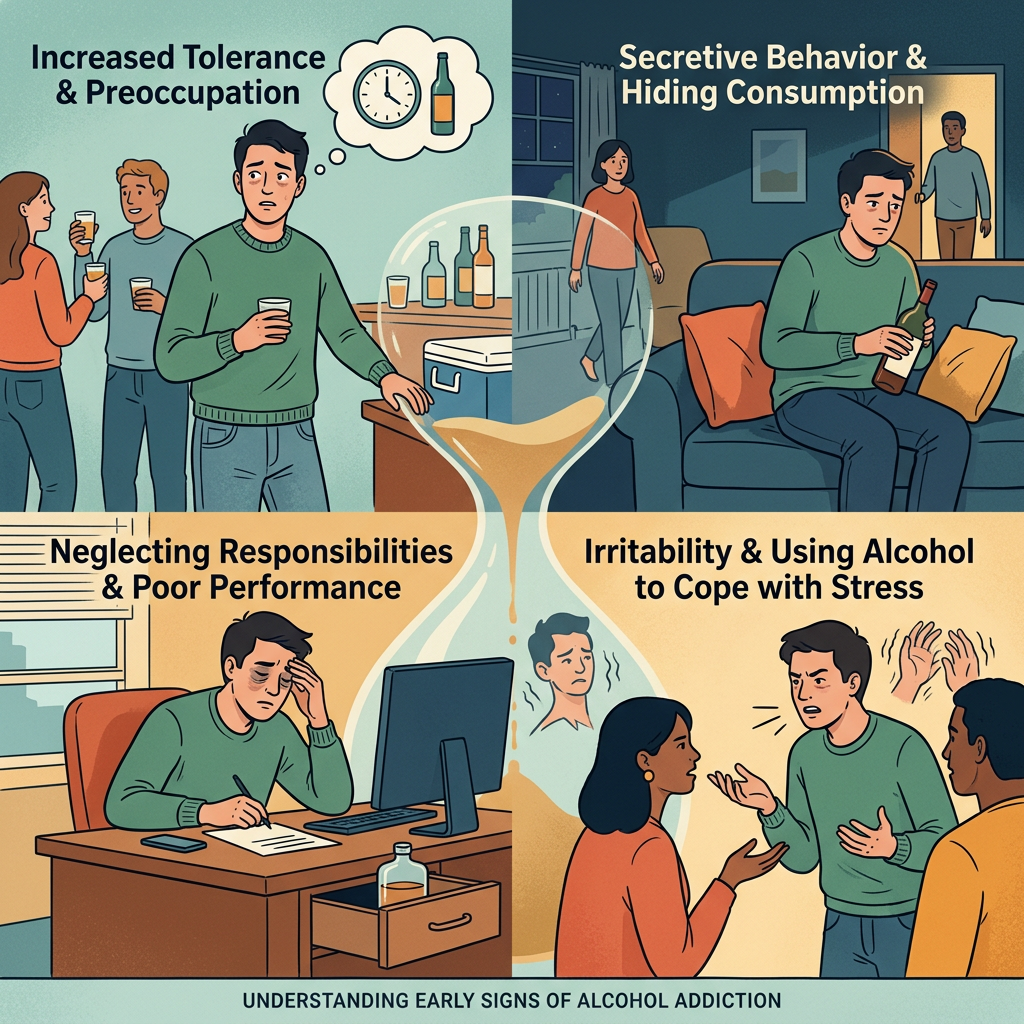
Table of contents
- Introduction
- Early Signs Of Alcohol Addiction :Getting in early
- Why Early Detection Matters
- First sign: Increasing Tolerance
- Second Sign: Drinking Becomes a Daily Habit
- Third Sign: Neglecting Responsibilities
- Fourth Sign: Hiding Drinking Habits
- Fifth Sign: Mood Changes and Irritability
- Sixth Sign: Losing Interest in Hobbies
- Seventh Sign : Drinking in Risky Situations
- Eight Sign: Blackouts and Memory Lapses
- Ninth Sign: Defensive Behavior About Drinking
- Tenth Sign : Physical Withdrawal Symptoms
- The Connection Between Early Signs and Long-Term Risks
- Why Do People Miss The Early Signs?
- Early Signs Of Alcohol Addiction :Steps to Prevent Addiction
- Professional input
- Early Signs Of Alcohol Addiction :Conclusion
- Free advice and referrals from an experienced addictions clinician
- Getting help
Introduction
Spotting the early signs of Alcohol addiction can be difficult.
Alcohol is everywhere: Petrol stations, corner shops, supermarkets.
For many it is a easy way to enjoy time with family and friends.
For some, it is a way to make gatherings more palatable.
As for others, it is the only way to get through the day.
The shift from one or two before dinner to one or two at lunch as well to drinking all day can be a slow process.
Our in-house addictions clinicians each have decades of experience in assessing, diagnosing, prescribing for and treating people recovering from addiction.
Here they share their knowledge with you.
Early Signs Of Alcohol Addiction :Getting in early
Understanding the early signs of dependency is imperative.
Caught early enough, alcohol addiction can be treated.
Recovery is possible.
If you can recognise the early signs you might just be able to point someone towards getting into recovery.
While you won’t experience withdrawals until you stop, your health will suffer when you drink and take drugs.
There is also the emotional pain, damaged relationships as ruined dreams that come about as a result.
Spotting the early signs of alcohol addiction means you can steer the person to get help. Other
drug addiction signs can also be problematic, but early detection for any addiction is advantageous.
Why Early Detection Matters
Alcohol addiction does not happen in a day. It is a slow dive to the bottom of the bottle.
To begin with, the person you are concerned about may start with the extra one or two drinks at a party.
Perhaps, instead of a glass or two of wine after work it becomes a bottle. In time, however, the brain becomes accustomed to the presence of alcohol on receptors. This is known as tolerance.
The earlier someone gets help, the more straightforward the recovery. Early help increases the chances of a successful recovery and can significantly reduce the impact alcohol addiction can have on the person.
First sign: Increasing Tolerance
Alcohol affects receptors in your brain. One of the early signs of addiction is when someone needs more alcohol than they used to to feel the same effects.
At the start, one or two drinks may be sufficient to make you feel relaxed and happy. Problem is, as the brain becomes used to the presence of alcohol, tolerance develops.
In time, the brain will only respond when more alcohol is taken. This increasing tolerance is really, really problematic: The problem is only going to get worse.
Second Sign: Drinking Becomes a Daily Habit
When drinking moves from something done occasionally, to something that happens daily, this is a clear warning sign of a serious problem developing.
For some, it is the need to have a drink, every evening, to relax. Over time it soon becomes the norm and they fear what would happen if they couldn’t get hold of alcohol. This is the time to really take action.
Third Sign: Neglecting Responsibilities
Bunking off university, not going to work, neglecting work projects: All signs of someone struggling due to alcohol.
Waking up late, not doing things expected of them by their family, etc, this is a clear sign that alcohol is now in control.
Fourth Sign: Hiding Drinking Habits
Putting bottles of spirits in the washing machine, hiding them in the washing basket, boot of the car. These are not uncommon.
This secretive behaviour means that the person knows there is a problem. They realise that their drinking is out of control but isn’t ready to deal with it.

Fifth Sign: Mood Changes and Irritability
Alcohol is a depressant. It affects your mood.
Even in the early stages of alcohol addiction mood swings are not uncommon. Someone caught up in alcohol addiction can, very easily, become sad, irritated, anxious when they can not drink.
These behaviours will only increase until they can drink. This is a physiological response. A very clear sign that help is needed.
Sixth Sign: Losing Interest in Hobbies
Along the trajectory of alcohol addiction, the person is very likely to loose interest in things dear to them:
- Sport
- Music
- Social activities
- Reading
Their time is spent drinking. Things they used to enjoy no longer have the same meaning.
When someone stops their hobbies this is a warning sign that the person is in addiction.
Seventh Sign : Drinking in Risky Situations
Putting alcohol in a hip flask, in your carton of milk that you take to work, drinking on the way to work and slipping a bottle in your work locker and making frequent trips to the locker room: All clear signs.
Many an alcoholic will say that it is just one to “steady their nerves” but, in reality, they are staving off withdrawals because their blood alcohol level has dropped and they are now physically dependent.
Eight Sign: Blackouts and Memory Lapses
When someone is in the throws of alcohol addiction it is not uncommon for them to forget what they did the night before.
Memory lapses , sometimes called blackouts, are a result of alcohol disrupting the way a persons brain stores information.
Without getting into recovery, these episodes will become more frequent and more serious.
Ninth Sign: Defensive Behavior About Drinking
Someone this far down the road of addiction knows there is a problem. However, they will not want to hear that they do.
If you try and discuss their drinking they may well try and brush it off, change the subject or make light of the situation. Worse still, they may turn it back on you and say you are the cause.
This level of defence means they now know the problem is beyond the self help stage.
Tenth Sign : Physical Withdrawal Symptoms
Alcohol is a short acting drug.
When someone is physically dependent, if they stop drinking, even for as little as six hours, they will start to show signs of withdrawal:
- Nausea
- Tremor
- Sweats
These symptoms will get worse and more serious. Left untreated they can be fatal.
Help must be sought: Quickly.
The Connection Between Early Signs and Long-Term Risks
When people drink to excess, other physical health problems also develop:
- Liver damage
- Heart problems
- Brain damage
- Anxiety, depression
The sooner someone gets help, the less damage is done and recovery becomes possible.
Key Takeaways
- Recognizing the Early Signs Of Alcohol Addiction is crucial for timely intervention and recovery.
- The article outlines ten key signs, including increasing tolerance, daily drinking, neglecting responsibilities, and mood changes.
- Approaching someone about their drinking requires care and empathy, avoiding blame or shame.
- Ignoring the early signs can lead to serious health issues and complicate recovery efforts.
- Professional help from rehab centers significantly increases the chances of recovery from alcohol addiction.

Why Do People Miss The Early Signs?
Unless you are an alcohol addictions specialist, you are unlikely to spot the major indicators. After all, why should you?
Often, the behaviours associated with drinking are put down to stress or a phase. Sometimes, it is because people know what the problem is but are too scared to challenge someone.
Often, someone with an alcohol addiction will do anything to avoid a conversation on the problem. If you bury it, you don’t have to deal with it. However, this only makes it worse. Denial is a dangerous place.
How Can I Start A Conversation With Someone About Their Alcohol Addiction?
Don’t go in all guns blazing! Spotting the early signs of alcohol addiction is not a licence to drive a bulldozer through the problem.
You need to approach the situation with care, empathy and gentleness.
Alcohol affects behaviour, so if someone is under the influence of alcohol wait until they are more focused.
The right approach
Using neutral, gentle language is often beneficial. Don’t blame or shame but express concern.
Offer, if you can, to attend their GP with them, take them to a support group or gather some information from local services.
Making a connection is not about the person reaching straight for the phone to book into rehab. It is about sewing seeds.
Early Signs Of Alcohol Addiction :Steps to Prevent Addiction
You may be worried about yourself.
There are some measures you can take, such as:
- Limiting alcohol to formal social occasions
- Decide, beforehand, how much you are going to drink: and don’t go above your limit
- Change your routine is alcohol has become part of it
- Look at self care techniques
- Get help
A rehab centre plays an essential role in moving from addiction to recovery. Clinical care, therapy, relapse prevention and aftercare: Everything is there.
The earlier into the trajectory of addiction someone seeks help, the more straightforward it is to get into recovery.
Professional input
Professional rehabilitation centers play a key role in helping people overcome addiction. They provide medical care, counseling, and a safe environment for recovery. The earlier you seek help, the better the chances of a full recovery.
Early Signs Of Alcohol Addiction :Conclusion
Spotting the early signs of alcohol addiction are easy to miss.
When you do spot them, ignoring them can be dangerous. By the time signs are showing, the person is quite a way down the path of addiction. Alcohol has taken over their life.
Getting help is not weakness. Addiction is not a choice but a very serious illness that claims lives.
Free advice and referrals from an experienced addictions clinician
Our experienced addictions clinicians worked in rehab centres. They are experts in helping people with alcohol addiction.
We do not charge for advice or referrals. Anyone can speak to one of our clinicians for confidential and totally free advice.
Our advisory service is registered with the Information Commissioner’s Office. We only signpost to services registered with the Care Quality Commission (legal requirement.)
Spotting the Early Signs of Alcohol Addiction can be difficult. But if you can, you can make a real difference.
Getting help
Call and speak with an experienced addictions clinician on any aspect of addiction, detox, rehab, therapy, relapse prevention and aftercare.
We do not charge for referrals or advice.
Our clinicians can advise on treatment options, locations, costings and availability.
Need help finding the right rehab for you or a loved one? Get in touch today and take the first step toward recovery.
Speak to usRecent Posts
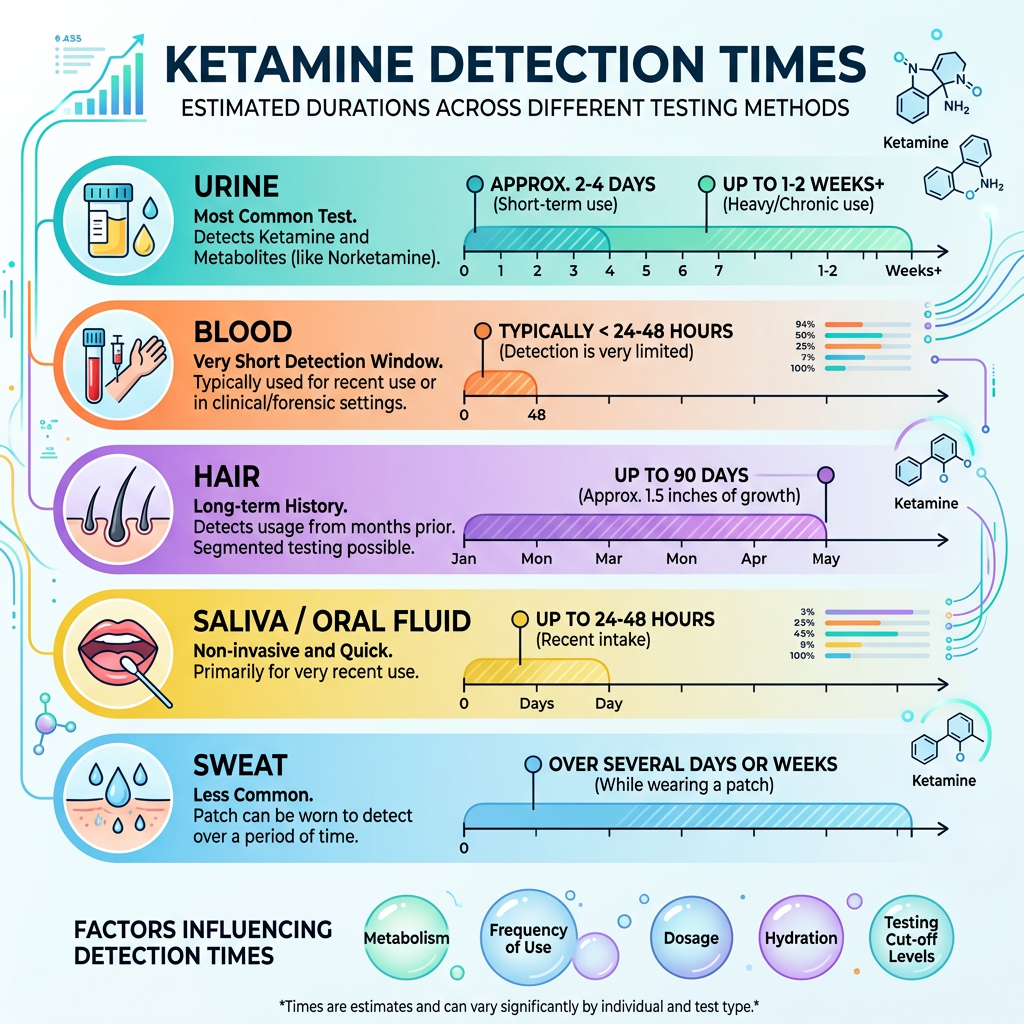
How long does Ketamine stay in your system?
How long does Ketamine stay in your system? As an experienced addictions clinician with over thirty years experience my question to that is: Why do you need to know? Is it because you are worried it will show up in a drug screen at work? Are you worried about being drug tested by the police…
Grace Kennedy
12:23 pm, July 2, 2026
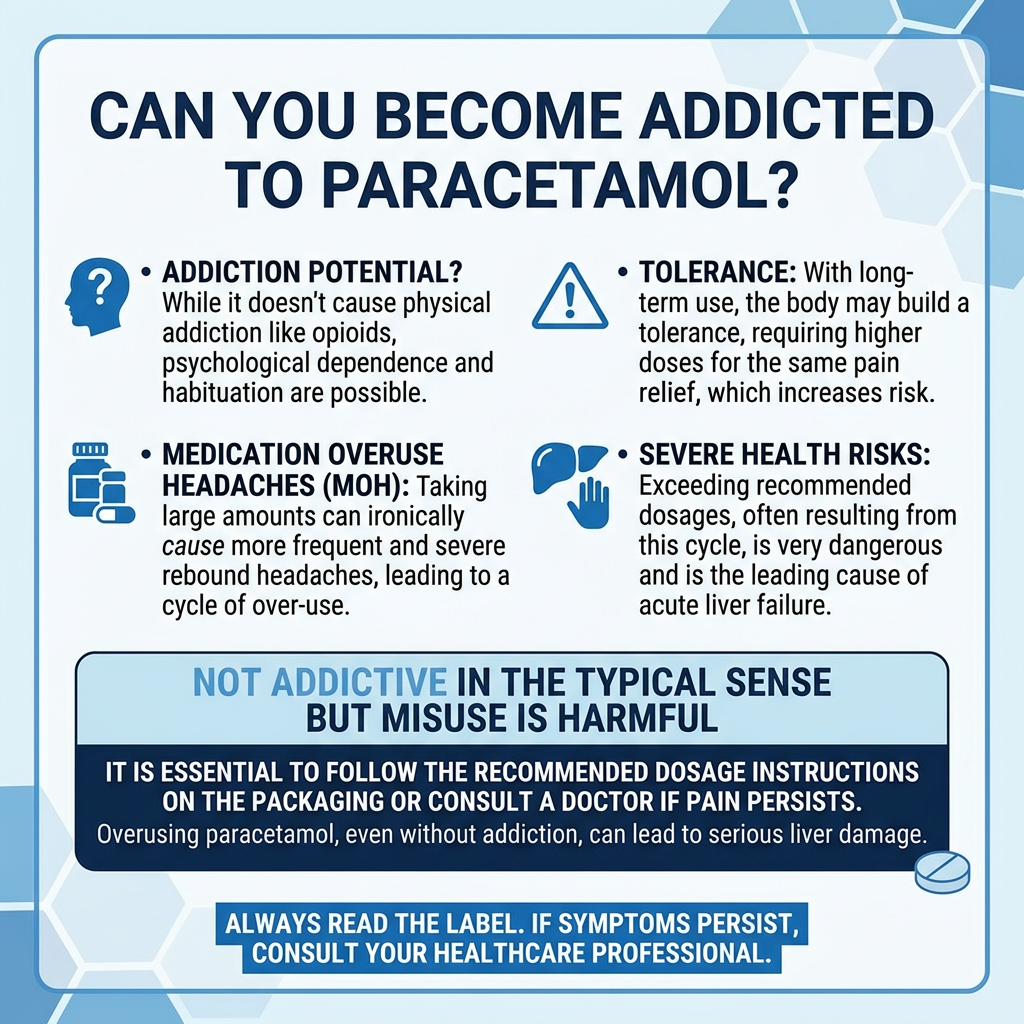
Can you become addicted to Paracetamol?
Can you become addicted to Paracetamol? No. Well not it in the same way you become addicted to heroin or alcohol as the way it affects the brain is different. That doesn't mean that some people are not addicted to taking it in the way that they take it, repeatedly. How does Paracetamol work? The…
Grace Kennedy
6:08 pm, June 26, 2026
Can you do a Methadone detox at home?
Can you do a Methadone detox at home? In theory: Yes. In practice: No. It is a nice idea that you can stay at home, take some methadone and your opioid use disorder is cured. Sadly it just doesn't work like that. In order to understand why this won't work you need to know what…
Grace Kennedy
6:49 pm, June 25, 2026